


Author Zeke Faux, due to his deep interest in cryptocurrencies, has conducted in-depth research and investigation into Tether (USDT), and has finally written this book (Number Go Up), which details the manipulation behind Tether and its impact on the crypto market. The key points of this article mainly revolve around how Giancarlo Devasini rose to prominence in the global crypto market through the manipulation of the Tether stablecoin USDT. Although Tether initially promised a 1:1 US dollar reserve backing, it has frequently been questioned by regulators due to opaque fund flows, frequent issuance, and incidents of hacking and mysterious fund operations, particularly in Southeast Asia, where it has become a tool for illegal fund transfers. However, he is still pushing forward with projects such as the Bitcoin bond plan to continuously expand his business. In January 2021, as COVID-19 swept the globe and the crypto market frenzy escalated, this article will unveil the complex financial operations and regulatory dilemmas behind the Tether (USDT) stablecoin, including the top management and fund flows of Tether, especially the background and modus operandi of one of its actual controllers, Giancarlo Devasini, presenting a little-known financial experiment.
The Origin and Development of Tether
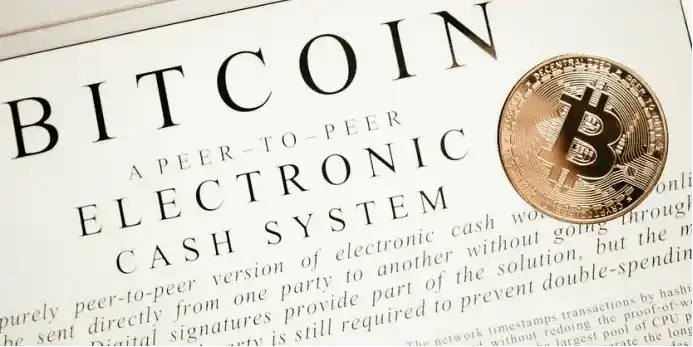
The project, initially conceived by Brock Pierce and named "TrueUSD", later teamed up with the offshore exchange Bitfinex and launched Tether in 2013, featuring a 1:1 US dollar reserve-backed stablecoin model. However, from its inception, Tether has been plagued by questions about its operating model: in the absence of a well-developed global regulatory framework, its fund flows and asset reserves have remained opaque and complex. Tether not only provided critical liquidity support to exchanges, but also played the role of a "last resort" during extreme market volatility, but its behind-the-scenes banking relationships and fund management have been shrouded in doubt.Giancarlo Devasini: From Plastic Surgeon to Crypto Tycoon

Maneuvering in the Storm: Hacking, Banking Crises, and Fund Mysteries
In 2016, Bitfinex suffered the largest-scale hacking attack in history, with about 119,756 Bitcoins stolen, resulting in massive asset losses. Facing the crisis, Bitfinex adopted a 36% across-the-board account deduction measure and issued debt tokens BFX to compensate user losses. Investigations have pointed out that in this incident, the complex fund flows between Tether and Bitfinex have further fueled doubts about the true reserve capacity of USDT. At the same time, Tether also faced severe challenges in fund management. In 2017, the company deposited funds in multiple banks in Taiwan and other regions, but due to the concerns of intermediary banks about crypto business, many banks subsequently terminated cooperation, leading to the funds being stranded. Even with bank accounts frozen and fund flows obstructed, Tether continued to issue large amounts of USDT on the Bitcoin Omni Layer, a practice that further questioned the authenticity of its 1:1 reserve. Court records and regulatory investigations have shown that Tether itself has admitted to being unable to use the traditional banking system normally, and the behind-the-scenes fund operation model is more like a "wealth game", using the arbitrarily issued USDT to conduct large-scale asset allocation in the market, thereby manipulating the Bitcoin price to a certain extent.Regulatory Investigations and Reserve Fund Turmoil
In 2019, the New York Attorney General's Office, while investigating the fund flows between Bitfinex and Tether, discovered that the two had engaged in a large amount of fund complementary operations. Bitfinex had quietly misappropriated Tether's reserve funds to fill a customer withdrawal gap, and Tether's website subsequently removed the promise of "1:1 US dollar reserve backing".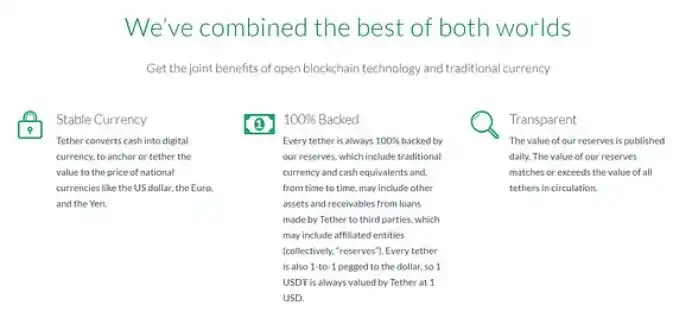
Southeast Asian Markets and Global Fund Flows
Globally, USDT has become the settlement base for many trading platforms and DeFi protocols. Investigations have revealed that in Southeast Asia, USDT is widely used for money laundering, fraud, drug trafficking, and even human trafficking, with its convenient cross-border transfer features providing low-threshold tools for criminals to evade regulation. In the Taiwanese market, the USDT-TWD trading pair is in an absolute dominant position, demonstrating the irreplaceable position of stablecoins in the global crypto asset trading. At the same time, although the crypto sector has seen a series of bankruptcies such as FTX, Celsius, and BlockFi, USDT has maintained strong market liquidity and demand, solidifying its core position in the entire crypto ecosystem.Capital Operations and Future Layouts
Amidst the violent fluctuations in the crypto market, Giancarlo Devasini does not seem to have retreated due to the storm. In November 2022, he appeared in El Salvador and took a photo with President Nayib Bukele, and it was reported that he was planning a $1 billion "Bitcoin Bond" (Volcano Bonds) project, aiming to further integrate global capital through Bitcoin assets. This move not only demonstrates his confidence in the future of the market, but also exposes Tether's commercial ambition to obtain excess returns through diversified operations.
Tether's Global Impact and Concerns
Tether and its behind-the-scenes operator Giancarlo Devasini play an important yet controversial role in the global crypto market. From the initial 1:1 reserve promise to the current complex and changing fund operation model, Tether has not only challenged the boundaries of traditional financial regulation, but has also become a "hidden driver" of the global US dollar system to a certain extent. In this high-risk and high-return market, Devasini's presence makes one wonder: is he saving the entire industry, or is he just constantly manipulating a huge and dangerous capital game to satisfy his personal greed? In the future, how the crypto market can find a balance between regulation and innovation, and how Tether and USDT will emerge from this gray area, remain pressing issues for the industry and regulators to address.
This article represents the views of the author Rukawa Kaede and does not represent the position of BlockBeats. It should not be considered investment advice.
Welcome to join the official BlockBeats community:
Telegram subscription group: https://t.me/theblockbeats
Telegram discussion group: https://t.me/BlockBeats_App
Twitter official account: https://twitter.com/BlockBeatsAsia






