
This article is machine translated
Show original
From Freak to Genius: 10 Years to 10 Billion
This is Vitalik Buterin, who looks like an "alien in the programming world"🧠, who turned $11,000 into $1 billion in 10 years.
He is the founder of Ethereum, the second most important person in the blockchain world, second only to Satoshi Nakamoto
The story of Ethereum's creator is as follows:
⬇️⬇️⬇️
This guy used to meow with robots and dance weirdly at cryptocurrency conferences…but he still built the second most important blockchain in the world.
Here is Vitalik Buterin’s story - strange but undeniably great:

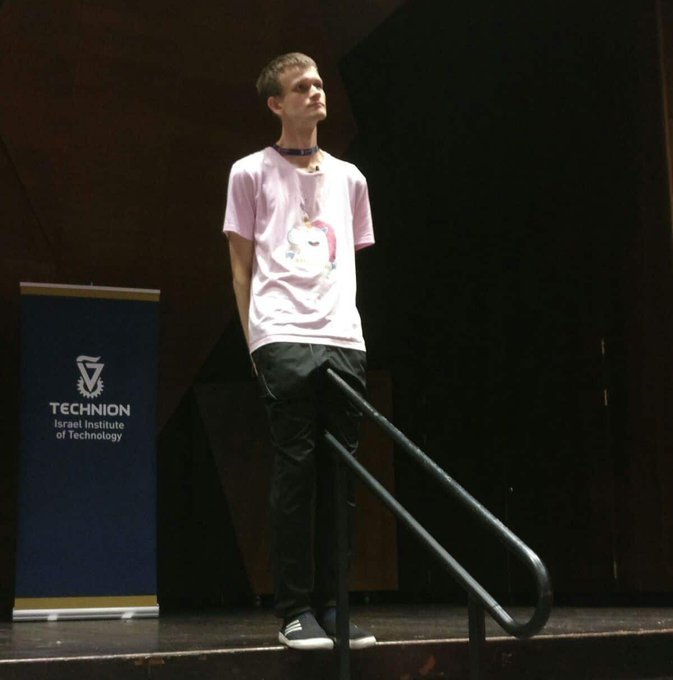
Everyone has seen his videos - awkward dances, unicorn shirts, etc. Vitalik has become a meme.
But behind this eccentricity is a great brain that has reshaped cryptocurrency from scratch.
Let's go back to the beginning:

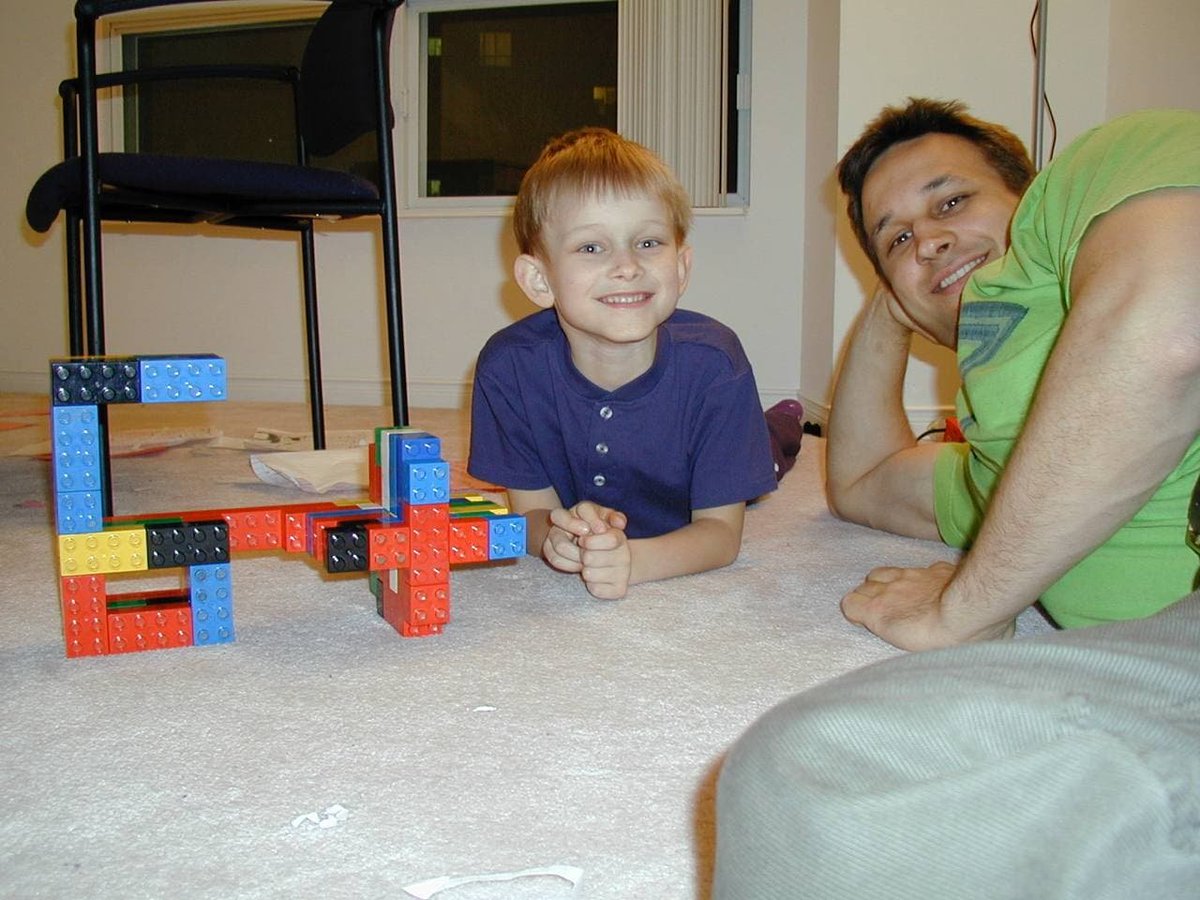
Vitalik was born in Kolomna, Russia in 1994. When he was six, his family moved to Canada.
At school, his school recognized him as a gifted person. He could do complex math in his head. He was fascinated by logic, numbers, and later World of Warcraft.
Yes, World of Warcraft is also in the story:

He attended Abelard College in Toronto, a small private school that changed his perspective on learning.
Here, the curriculum was in-depth and personalized. He later said that this was the first time he really wanted to learn, not for the sake of getting good grades, but for the joy of doing it:
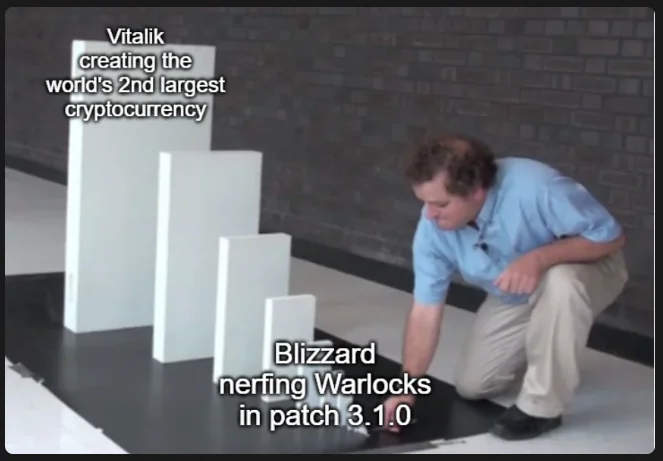
From 2007 to 2010, World of Warcraft was Vitalik’s world, until Blizzard (the company that makes World of Warcraft) nerfed (made it weaker) his favorite spell. That night, he went to sleep in sorrow.
This wasn’t just a game, it was also a microcosm of how he saw centralized systems taking away something he cared about, and that feeling would never go away:
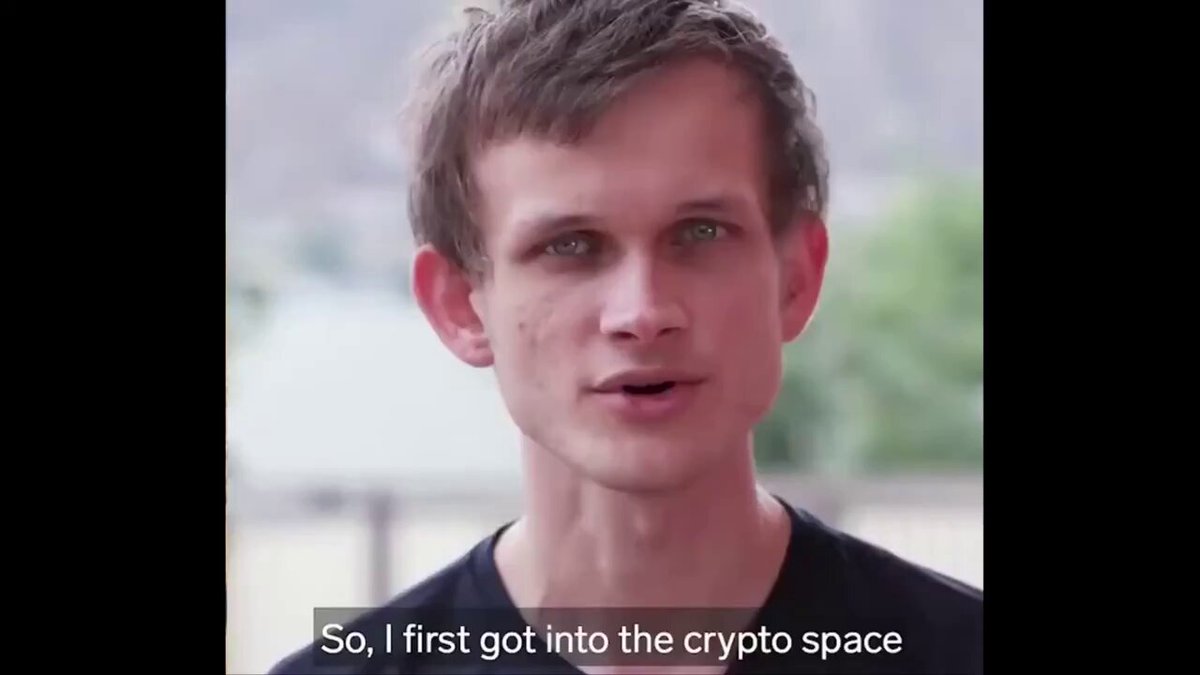
At 17, Vitalik discovered Bitcoin through his father. He was skeptical at first. But the more he learned, the more it all made sense.
He wanted to get involved, but couldn't mine or buy Bitcoin. So he started writing for Bitcoin blogs, earning 5 Bitcoins per article.
Here's how it all started:
In 2011, he co-founded Bitcoin Magazine. By the time he was 17, he was already writing in-depth technical articles about the future of cryptocurrency.
But that wasn't enough. In 2013, he embarked on a six-month trip to visit developers around the world to learn, network, and absorb experiences.
This trip changed everything:

He found that most cryptocurrency projects were too narrow in scope. They were smart, but lacked flexibility.
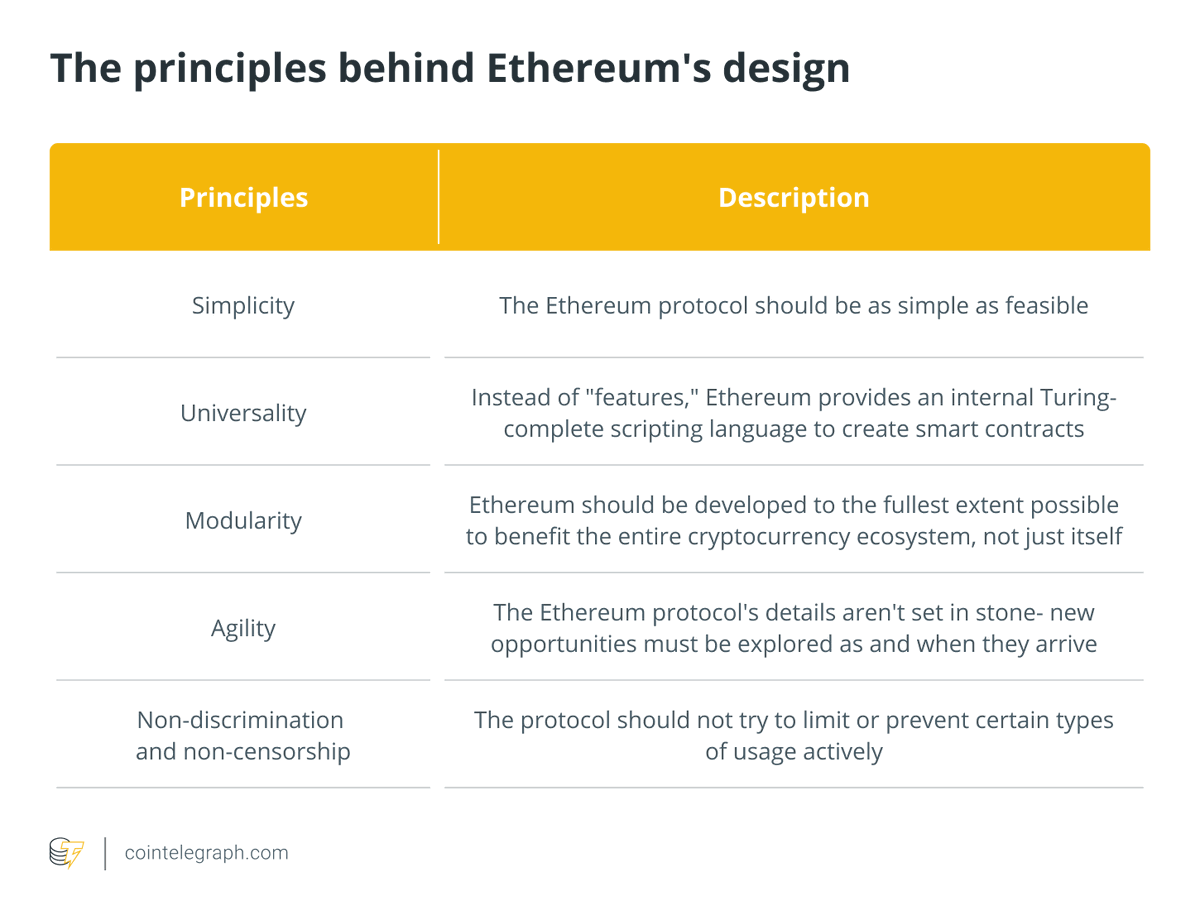
Bitcoin was like a calculator. Vitalik envisioned a blockchain that would run like a smartphone, be programmable, flexible, and applicable to unlimited use cases.
So he wrote the Ethereum white paper:
At first, few people were optimistic about the idea. But then, people like Gavin Wood and Joe Lubin joined in.
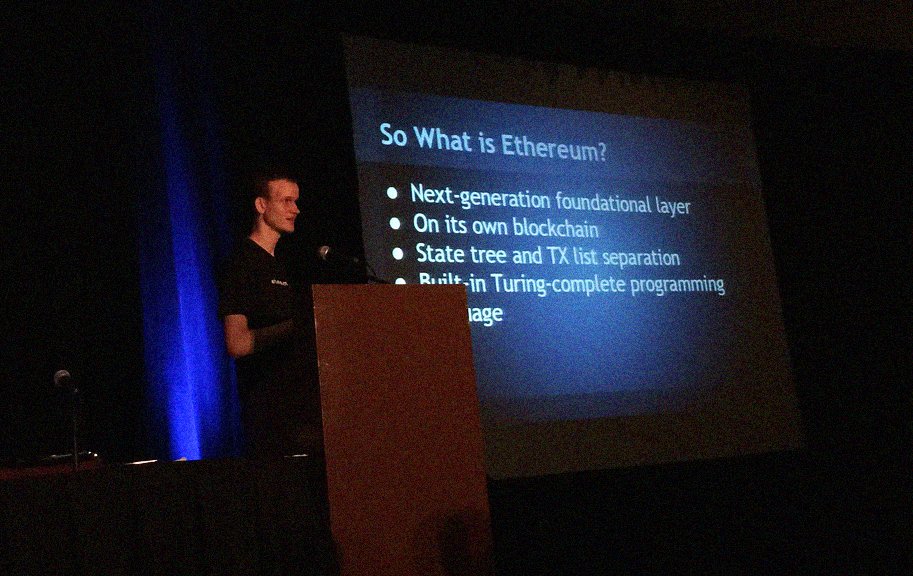
Ethereum was officially announced in early 2014. Buterin gave a presentation in Miami. Soon after, his team launched an ICO, raising more than 31,000 bitcoins, about $18 million.
Ethereum became real:
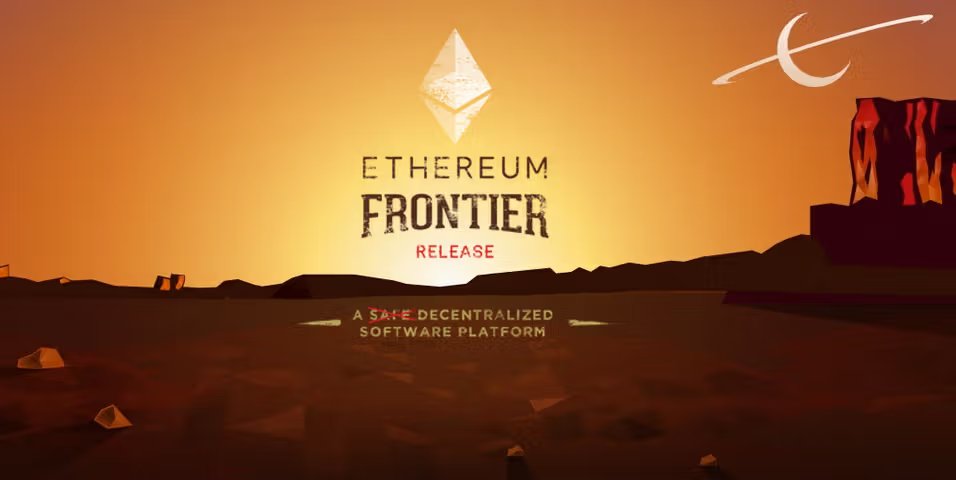
Ethereum was launched in July 2015 with a mini version called Frontier.
But even this mini version was enough to introduce smart contracts - programs that run directly on the chain.
It opened the door to applications such as DeFi, NFTs, DAOs, etc. The vision of this so-called "world computer" began:
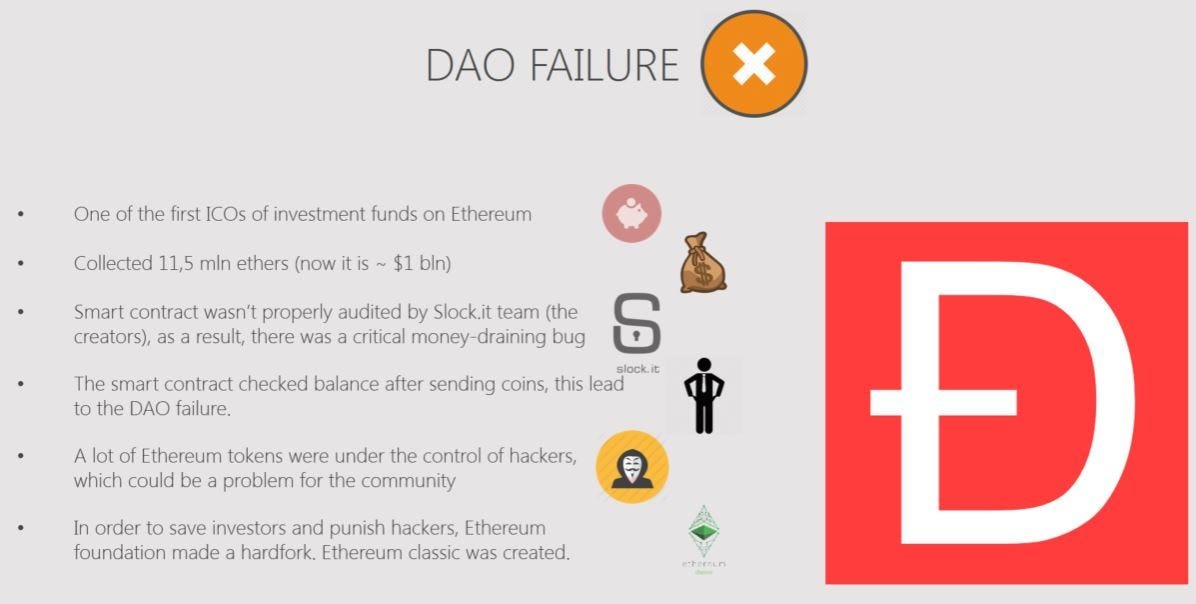
But problems soon followed. In 2016, an Ethereum project called The DAO was hacked and $60 million was stolen.
The community faced a dilemma: keep the status quo of the chain or fork it for repair.
Vitalik supported the fork, not for convenience, but to protect users and
As the network grew, so did the difficulties. Miner fees soared, and congestion became unbearable.
Ethereum needed to scale. Vitalik began to push for a major shift: Ethereum 2.0.
At its core was a shift called The Merge, from proof of work to proof of stake, where miners were replaced by validators:
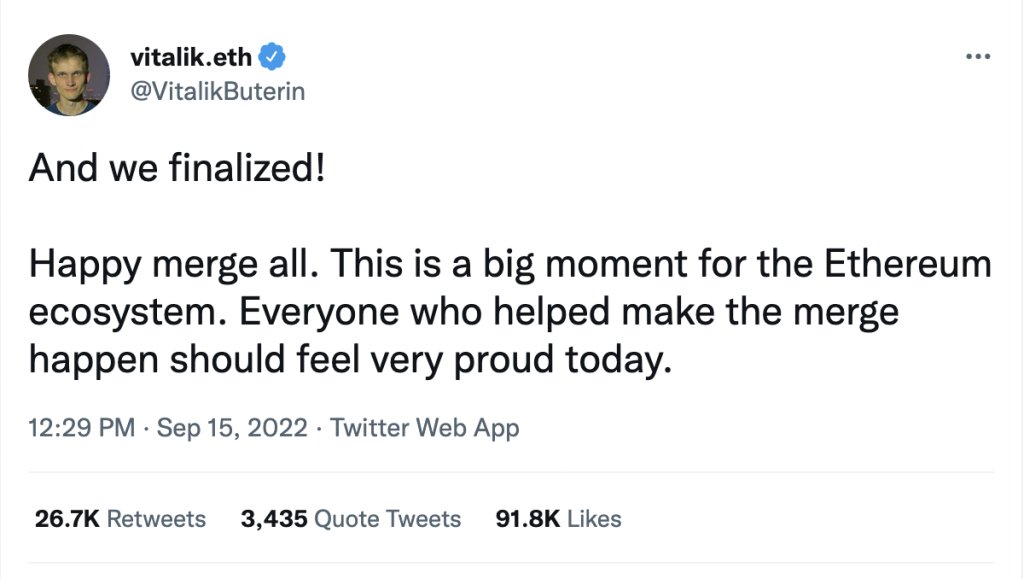
After years of research and coordination, The Merge went live in September 2022.
It reduced Ethereum’s energy consumption by 99%.
But more importantly, it laid the foundation for what’s next: sharding, rollups, and a more scalable future.
Vitalik calls this “closing the loop”:
But scaling is only part of the equation.
Vitalik continues to push the boundaries — privacy through stealth addresses, better user experience through smart contract wallets, and funding of public goods through mechanisms like quadratic voting.
The evolution of Ethereum continues. And so does the evolution of the characters that shape it.
Outside of the protocol, Vitalik is well known for his philanthropy. He has donated more than $1 billion to causes ranging from fighting the pandemic to life extension research to artificial intelligence safety.

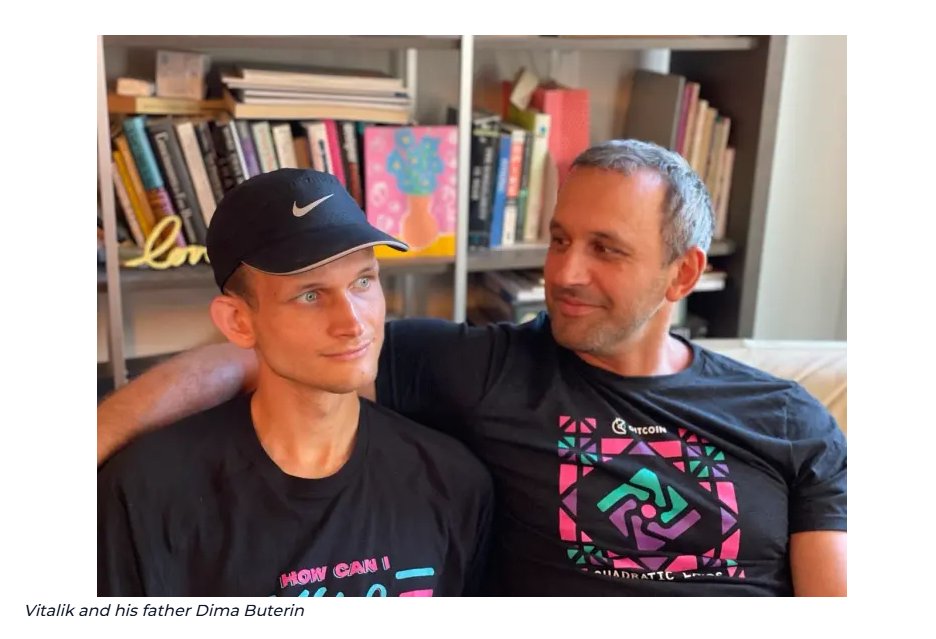
He shuns the spotlight, focuses on research, and often distances himself from the image of a "founder." As his father once said, "He's not trying to be the philosopher king of crypto. He just wants the technology to work and benefit the world."
His story isn’t just about code, it’s about questioning the rules of video games, the rules by which the internet itself works.
The systems he created are open, fair, and built for people, not for control.
Sector:

From Twitter
Disclaimer: The content above is only the author's opinion which does not represent any position of Followin, and is not intended as, and shall not be understood or construed as, investment advice from Followin.
Like
Add to Favorites
Comments
Share
Relevant content