


Today, we're discussing a groundbreaking news that has the entire crypto community dancing - the NFT platform Zora, which once claimed to "make internet creation free and valuable", has officially announced on Twitter that they are finally issuing a token!
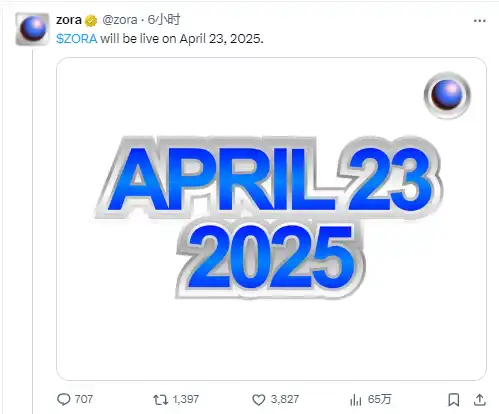
This move has left investors both excited and nervous. After all, those who have been in the crypto space know that whenever a project shouts slogans like "community building" and "ecosystem incentives" while issuing a token, there's always a familiar scent of potential rug pull in the air.
But this story is far more exciting than an ordinary on-chain meme project. It not only involves capital games from Coinbase's direct troops but also features an official "token werewolf" drama that has the entire industry pondering:
When every tweet becomes a crypto trading battlefield, are we witnessing a blockchain cultural renaissance or watching a harvesting machine in action?
I. Zora's Origin Story: From NFT Idealist to Social Media Maverick
To understand this token issuance strategy, we first need to dig into Zora's background.

Let's rewind to 2021 when NFTs were the hottest trend in crypto. Two former Coinbase employees came up with Zora, an NFT platform, with a loud slogan: "We want artists to make money standing up!"
The story starts positively, right? In the early days, they did some innovative things: helping digital fashion brand Saint Fame with DAO governance, hosting virtual fashion weeks; issuing TAPE tokens for musicians that could be exchanged for physical tapes, and even creating promotions like "buy an NFT, get a concert ticket".
At that time, Zora was a utopia for Web3 art enthusiasts - until they realized that selling digital art couldn't even cover their server electricity costs.
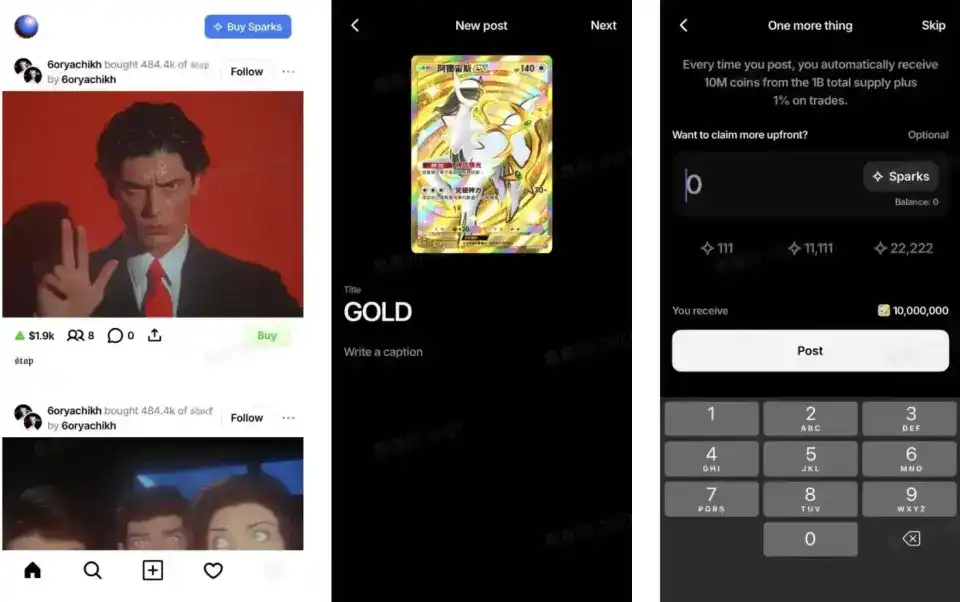
So from 2023, Zora completely transformed. First, they leveraged the OP Stack to create their own Layer2 network with incredibly low gas fees; then dramatically changed their product into a "blockchain Instagram" - where you could automatically generate an ERC-20 token for a tweet, mine by liking and commenting, and even monetize trash talk.
Previously, artists had to work hard creating art and music. Now, a random person posting a lunch photo gets 10 million "instant noodle tokens", with creators earning 1% transaction fees.
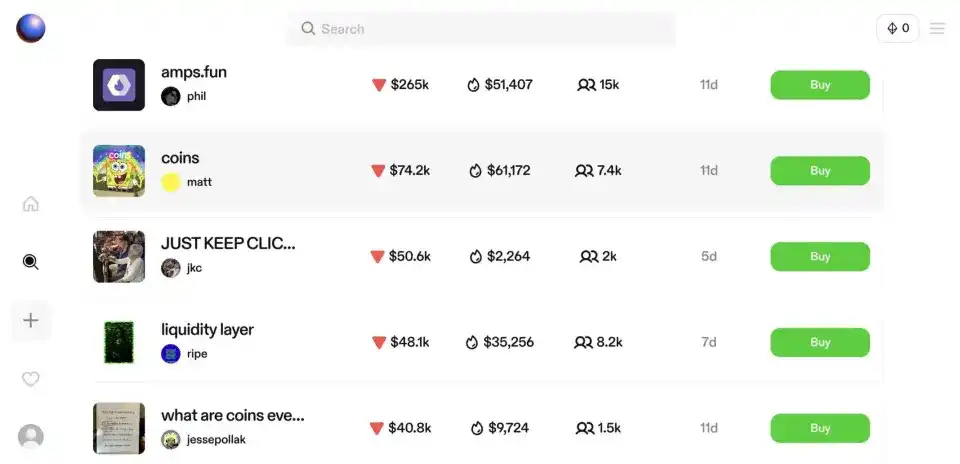
Even more bizarrely, Zora introduced "token social networking": the more tokens you hold, the shinier the gold border on your profile, essentially turning crypto trading into a QQ show.
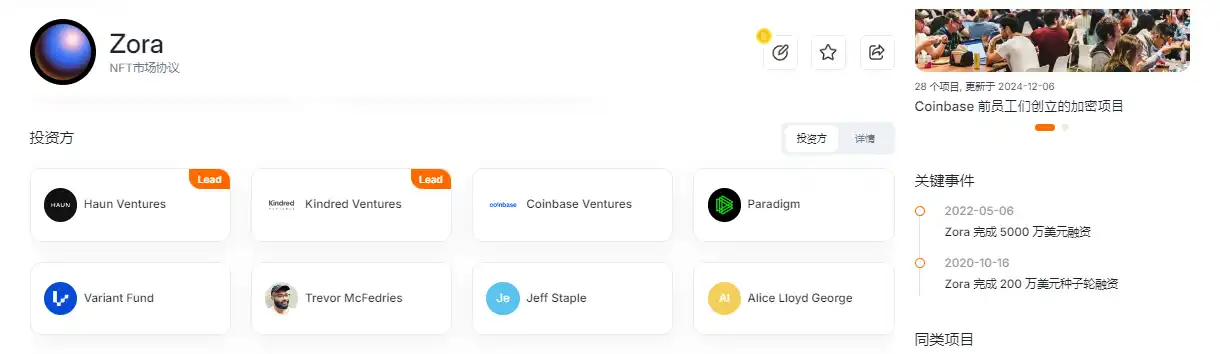
With this "everything can be tokenized" strategy, Zora snatched a piece of meat from OpenSea's mouth. By 2024, they had raised over $60 million, with a valuation of $600 million, backed by top institutions like Coinbase Ventures and Paradigm.
But everyone could see: when a social platform starts teaching users how to trade tokens, the sickle is not far behind.
II. Token Issuance Drama: Top VC's "Scientific Pig Farming" Guide
Indeed, on March 3rd, Zora officially announced the ZORA token on the Base chain, with a total supply of 10 billion. The distribution plan looked "considerate": 10% airdropped to users, 20% for ecosystem incentives, 5% for liquidity.
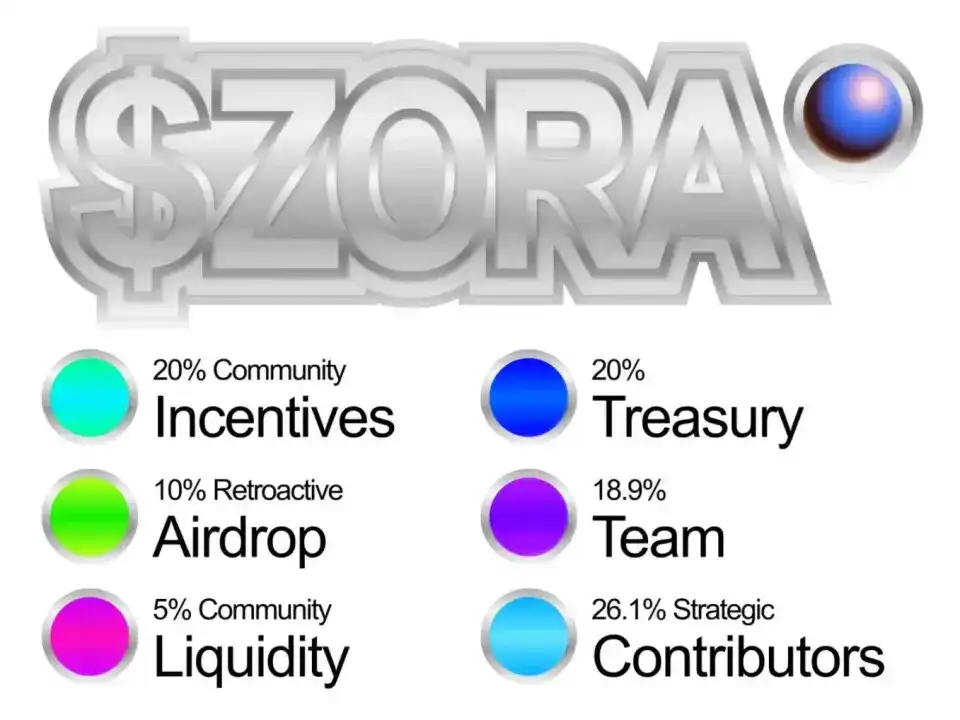
But looking closely at the terms reveals the trick - 65% of tokens (company treasury + team + strategic contributors) will start unlocking 6 months later. In plain language: "Let the investors rush in, and we'll collect the net in six months."
Even more audacious was their official statement: "ZORA is not a governance token, purely an entertainment token, with no rights for holders." This is essentially telling you: we're not selling stocks, we're selling casino chips.
But wait, there's more: Zora conducted two snapshots:
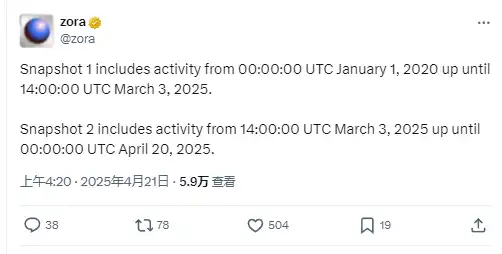
The first ending March 3rd rewarded old investors; the second ending April 20th attracted new investors. As a result, Zora's on-chain transaction volume increased by 47% in the past two months, with countless people frantically posting on the platform to increase interactions, even using scripts to mass-produce garbage content like "Good morning Earth" and "Today's Constipation".
Most bizarrely, airdrop hunters calculated: to be in the top 30% of the airdrop, you need at least 21 interactions. Professional teams emerged offering to boost likes and comments, with prices ranging from $50 to $200. This operation is truly ingenious - Web3's "community incentives" are essentially users paying for bots to inflate their data.
III. Base's "Divine Assist": Official Werewolf Game
While users were frantically competing on Zora, another protagonist emerged: Base protocol head Jesse Pollak. Since February, he frequently published "Content Coins" on Zora, tokenizing meeting minutes, community announcements, and even Vitalik's documentary trailer.
According to him, this was to promote "content as token, token as content" blockchain cultural renaissance.
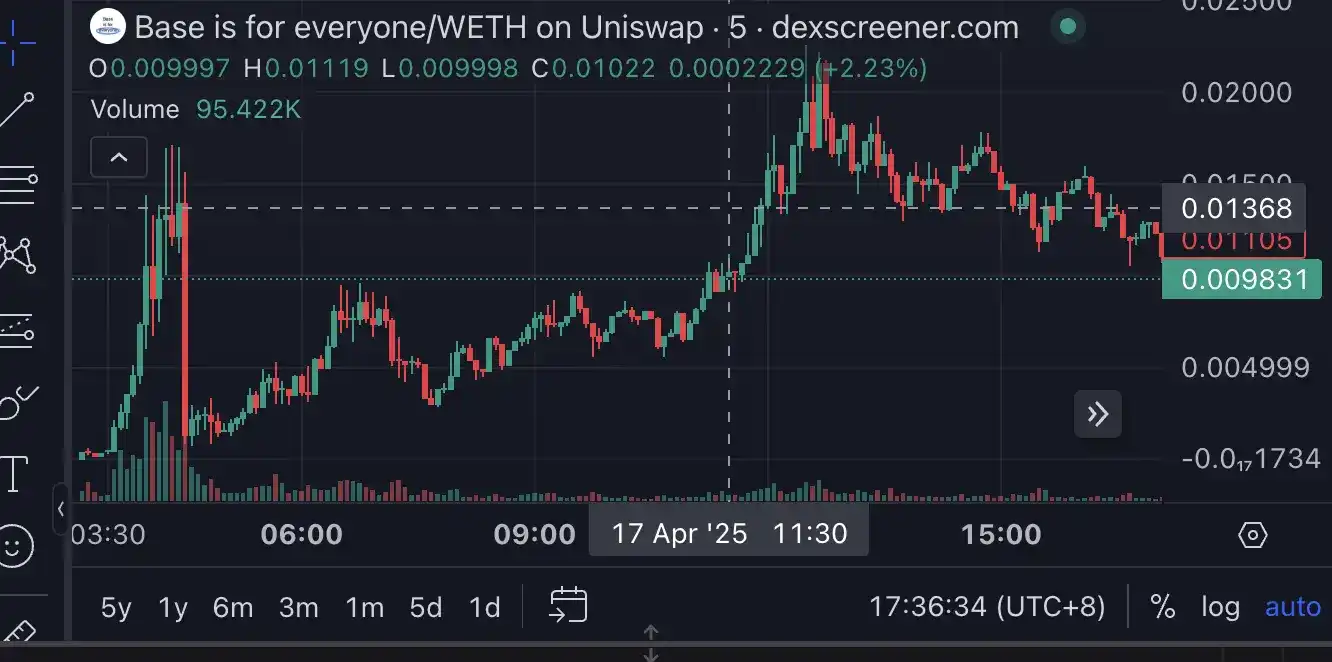
But the crowd's eyes are sharp - on April 17th, Base's Official Twitter suddenly released a "Base is for everyone" token on Zora, instantly reaching a market cap of $17 million, then dropping 90% within five minutes.
This plot is more thrilling than a roller coaster:
· 3:12 Official Twitter issues token, KOLs start shilling
· 4:30 Market cap breaks through the roof
· 4:35 Whales sell, price gets slashed
· 5:00 28th investor protection group formed
Facing investors' fury, Base's official response remained calm: "We didn't sell tokens, this is just an art experiment~"
Even more incredibly, Jesse Pollak doubled down: "When I issue 1 token they say I'm rugging, 10 tokens they say I'm hyping, only at 100 tokens will they understand this is the future of new media." Translated: "You peasants don't understand high art, you deserve to be harvested!"
But miraculously, this drama made Zora go viral. As the "Base is for everyone" token surged 10 times the next day, more investors rushed into Zora, afraid of missing the next "official on-chain meme". At this moment, the Zora team was probably laughing in their beds - this zero-cost marketing was more effective than buying CCTV advertising.
IV. Sickle or Brush: What Exactly is Zora Painting?
Seeing this, some viewers might ask: Is Zora really just trying to scam people? We must objectively say that this matter cannot be dismissed so easily.
From a product logic perspective, Zora is indeed innovating:
1. Breaking the dimensional barrier between NFT and tokens: Using the ERC-20z standard to directly turn images and videos into tradable assets, solving the liquidity problem of NFTs
2. Reconstructing creator economy: Automatically issuing tokens for each piece of content, turning likes and reposts into "productivity"
3. Socializing finance: Turning Weibo's trending list into a token price ranking, completely unleashing human gambling instincts
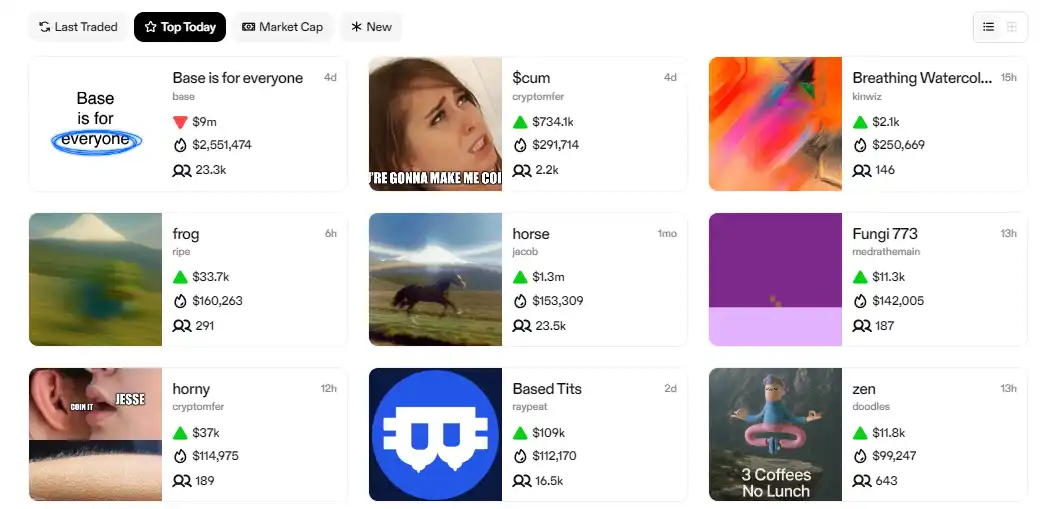
However, the problem is that when all content becomes a target for token speculation, the internet becomes Las Vegas. In August last year, on-chain detective ZachXBT made his investigation report into a Zora token, intending to create a performance art piece, but the token was wildly speculated to $14 million. The guy was so scared that he immediately tweeted: "I really didn't want people to speculate!"
This story tells us: In Zora's world, even anti-fraud propaganda can become an on-chain meme coin.
Even more terrifying are the technical vulnerabilities: Since Zora's liquidity pool is fully automatically deployed, any content token can be traded as soon as it goes online. This gives sniping bots an opportunity - they can detect new tokens in milliseconds, first pump to attract followers, then instantly dump for arbitrage.
In other words, issuing a token on Zora is like sending a gift to an army of bots.
V. Survival Guide for Crypto Investors: How to Survive Three Seasons in the On-chain Casino
Finally, some advice for audiences wanting to rush into ZORA tokens:
1. Beware of the unlocking period bomb: 65% of tokens will be unlocked in six months, and team selling could trigger an avalanche
2. Be cautious of social media bots: 90% of likes and comments on the platform are bot-generated
3. Stay away from "official on-chain meme coins": 90% of the 27 tokens issued by the Base team have already gone to zero
4. When a project says "this is not a financial product", it is 100% a financial product
Ultimately, Zora's token issuance drama is both a fireworks show of the on-chain cultural renaissance and a mirror reflecting human greed.
When we are ecstatic or devastated by a tweet's token on Zora, perhaps we should remember that ancient truth: In a casino, the only one who always profits is the one selling chips.
Welcome to join BlockBeats official community:
Telegram Subscription Group: https://t.me/theblockbeats
Telegram Discussion Group: https://t.me/BlockBeats_App
Official Twitter Account: https://twitter.com/BlockBeatsAsia






