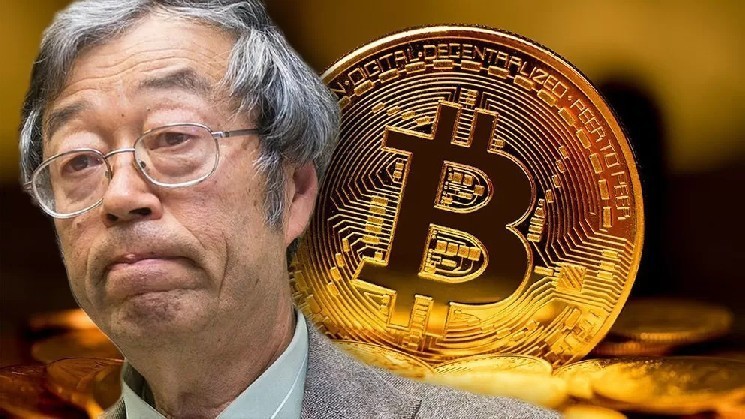
Governments' Bitcoin holdings fall more than 12% in a year

This article is machine translated
Show original
According to the latest report by CoinGecko, government accounts are holding approximately 2.3% of the total Bitcoin supply, equivalent to 463,741 BTC — a decrease from the 529,591 BTC recorded less than a year ago.
Although the absolute number remains impressive, the overall trend shows a decline. Among the seven governments that previously owned Bitcoin, two have sold their entire holdings, with only El Salvador continuing to purchase.
While corporations like MicroStrategy often attract attention for their massive Bitcoin holdings, governments actually occupy two of the world's ten largest Bitcoin "whales".
When analyzing the details, CoinGecko noted some notable trends: currently, only five countries are actively maintaining their Bitcoin holdings.
The US government is currently the largest Bitcoin owner. The crypto industry closely monitors US movements while making strong policy efforts. However, notably, the US is not buying Bitcoin but primarily seizing it during criminal suppression campaigns.
At the end of President Joe Biden's term, the US began liquidating part of its Bitcoin holdings — an important factor leading to the plan to establish a "Crypto Reserve Fund" during Trump's administration. This fund is not aimed at purchasing new Bitcoin, but mainly reorganizing existing asset portfolios and protecting against future sell-offs.
China is one of the notable yet rarely mentioned Bitcoin-holding governments, mainly for two reasons: its hostile stance towards crypto and unverified rumors about potential policy relaxation that could cause market fluctuations. China once seized nearly 200,000 BTC in 2020 and has not sold to date, leaving this massive holding somewhat "forgotten" by the market.
The UK government has a strategy similar to China's: holding a large amount of Bitcoin in a waiting state without liquidation. In contrast, Germany sold all its Bitcoin holdings in July last year to offset budget deficits, not from an anti-crypto stance. However, this meant Germany missed out on billions of dollars in potential profits.
Ukraine has also sold all its Bitcoin to fund ongoing war efforts.
All these countries share a common point: their Bitcoin holdings primarily come from criminal asset seizures, except Ukraine, which also received Bitcoin from cross-border donations.
On the opposite side, only two countries are actively seeking to increase their Bitcoin holdings. Bhutan, known for Bitcoin mining, recently sold nearly half of its accumulated holdings. In other words, currently, only El Salvador is actively increasing its Bitcoin reserves.
Although El Salvador committed to temporarily stopping Bitcoin purchases to qualify for IMF loans, purchases continue, causing some citizen dissatisfaction. However, the IMF seems to have accepted this reality.
In summary, CoinGecko's report dissected surface-level data and drew a notable conclusion: while on paper, governments are holding a large amount of Bitcoin, this trend is quite fragile.
In just one year, the number of Bitcoin-holding governments has decreased from seven to five, and future political changes could completely reverse the current situation.
**Disclaimer:** The article is for informational purposes only and is not investment advice. Investors should thoroughly research before making decisions. We are not responsible for your investment choices.
Join Telegram: https://t.me/tapchibitcoinvn
Twitter (X): https://twitter.com/tapchibtc_io
Tiktok: https://www.tiktok.com/@tapchibitcoin
Youtube: https://www.youtube.com/@tapchibitcoinvn
Vuong Tien
Sector:

Source
Disclaimer: The content above is only the author's opinion which does not represent any position of Followin, and is not intended as, and shall not be understood or construed as, investment advice from Followin.
Like
Add to Favorites
Comments
Share
Relevant content