Author: Bridget Harris
Translated by: TechFlow
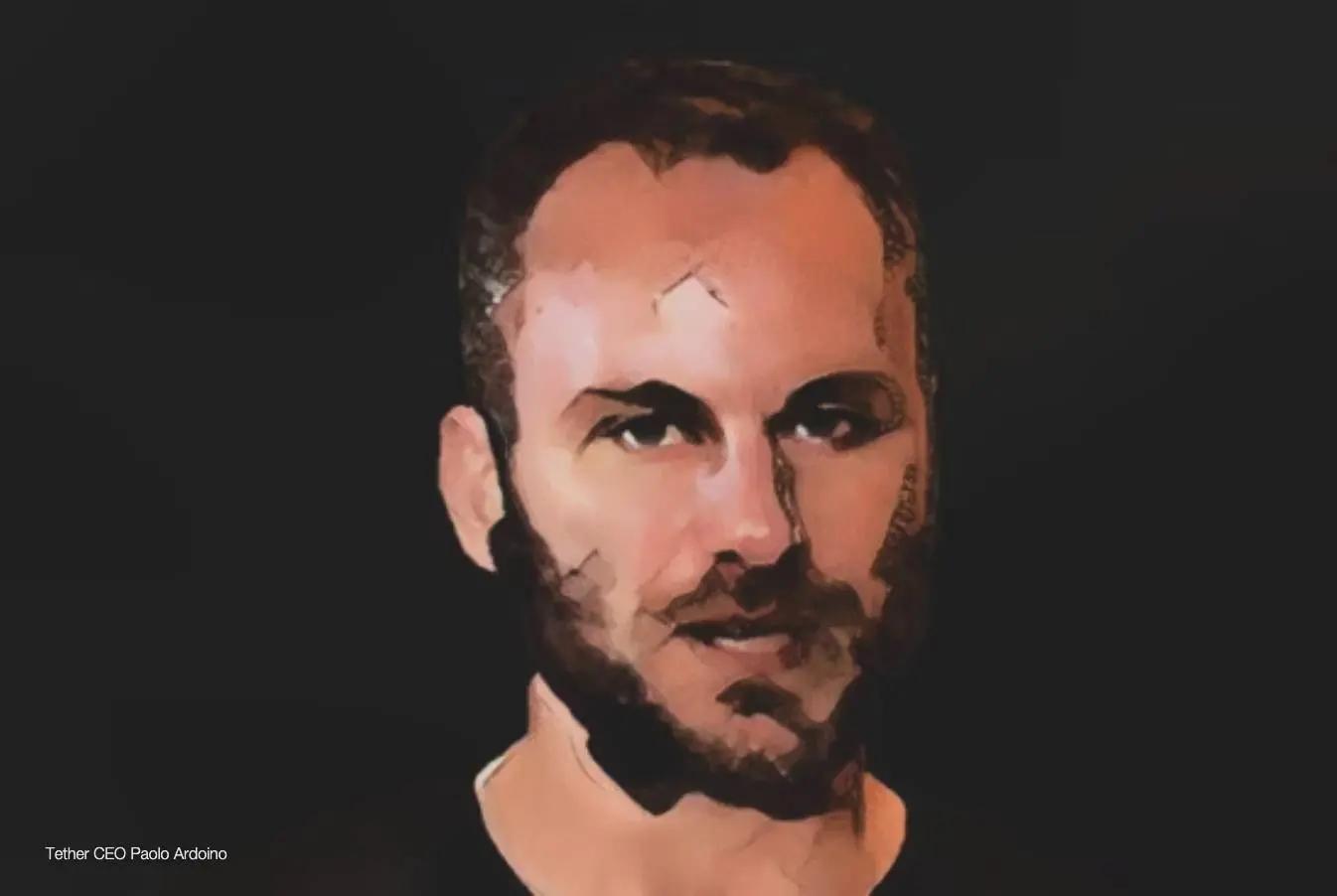
Tether's ambitions are not limited to stablecoin business. The company has also invested in AI data centers, such as Northern Data, which owns 24,000 GPUs. Additionally, Tether is developing a peer-to-peer (P2P) chat application called Keet.
Historically, peer-to-peer applications' main problem has been poor user experience, which Tether is working to solve. "We are looking for solutions to user experience (UX) issues, ultimately hoping to achieve the same user experience as WhatsApp—but completely P2P," Tether's CEO Paolo Ardoino said via Zoom. The Holepunch protocol supporting Keet is actually a broadly applicable peer-to-peer standard that can be used to build various decentralized systems.
"What if we could suddenly build a series of applications—from social media, messaging to enterprise applications—that not only reduce infrastructure costs by 97% but also enhance privacy and ensure data belongs to its true users?"
Moreover, Tether has developed a platform called Hadron for asset tokenization, launched a self-hosted open-source wallet, and invested in a brain-computer interface company.
In terms of employee count, the Tether team is small, with only 150 people, but their loyalty is very high. "During our most difficult times, not a single person in my team left," Paolo mentioned at a Cantor crypto conference.
He partly attributes this to Tether's primary hiring of talent from emerging markets. "They know what is truly important... they are willing to work for us because they see that we are genuinely trying to solve real problems they face, not the problems that the wealthy world thinks they have," Paolo explained.
Paolo believes Tether is a once-in-a-century company because it can "separate building excellent technology from profit needs". In other words, the company can focus on innovation (not limited to USDT) without worrying about short-term profit pressures. Due to the substantial income from USDT, Tether can develop the "craziest technologies" without rushing to monetize them.
"We use the technologies we develop as a distribution layer to support our 'golden goose'—USDT. I don't think any other company can do this," Tether CEO Paolo Ardoino said in an interview.
"The more our technology empowers users, the more successful our core product becomes. This is completely different from traditional tech companies—they often need to trap users in a cage to sell more products."
The most heartening part of Tether's story is that its leadership has never forgotten the original purpose of cryptocurrency. "Institutions will betray you for a basis point (0.01%)," Paolo mentioned on the Odd Lots program. This attitude was once the consensus of the entire crypto community in the industry's early days but has gradually been forgotten. Transferring power back to individuals from exploitative institutions was the original purpose of cryptocurrency's birth.
Interestingly, one of the wealthiest and most influential people in the crypto field still remains faithful to these original principles, while those who abandoned their original mission in pursuit of money often end up failing or even in prison. It is also rare for such a profitable company to genuinely help user groups—those who originally could not access stable currency in emerging markets. All of this stems from Paolo's sincere belief: "I hope Tether is seen as... a positive contribution to the world."
Discussing his vision for Tether, Paolo said: "The past 20 years have been wonderful for the Western world, but I don't think the next 10 to 15 years will be equally stable. We are a stablecoin company... but perhaps we are more of a 'stability company'. Our technology aims to bring stability to society, and this stability can start with currency."