


Author: Zen, PANews
Recently, the Web3 game "MapleStory N", adapted by Korean gaming giant Nexon based on its classic IP "MapleStory", was officially launched. With the strong momentum of its NXPC token, the long-dormant Web3 gaming track has regained widespread attention. Many are once again speculating about the revival of GameFi.
However, it's a tale of heaven and hell.
Since 2025, the Web3 (blockchain) gaming field has experienced massive project shutdowns. Many projects once hyped by the market have successively "died".
This includes blockchain ARPG Tatsumeeko, Non-Fungible Token game Nyan Heroes, blockchain FPS Blast Royale, Rumble Kong League (backed by NBA star Stephen Curry), and others have announced the termination of development. Even the highly anticipated MMORPG project Ember Sword suddenly closed after raising over $200 million, shocking the player community.
Why are Web3 games struggling to survive?
[Rest of the translation follows the same professional and accurate approach]
In the current Web3 gaming field, airdrops and token incentives have become the basic means of attracting users. Especially in the early stages of a project, by promising future incentives to players, project teams can quickly expand their user base and enhance community activity. However, this strategy often struggles to maintain long-term user retention. Once tokens are issued and airdrops are completed, players massively exit due to reduced expectations of future rewards, causing game activity to rapidly decline, with sustained development becoming the primary challenge. As users churn, token prices drop, entering a negative spiral, with the market increasingly questioning the sustainability of the "Play to Earn" model, further exacerbating token price volatility and weakening investor confidence.
For investment institutions with reduced risk appetite, slowing pace, and maintaining a wait-and-see attitude, underperforming blockchain games are not an ideal choice. According to a DappRadar report, in the first quarter of 2025, Web3 game projects raised approximately $91 million, a 68% decrease compared to the same period in 2024 and a 71% decline from the previous quarter. This decline shows a reduction in investor enthusiasm for the sector, partly because increased attention to artificial intelligence and real-world assets (RWA) has dispersed investment interest in Web3 games.
A project's user numbers and attractiveness directly impact its ability to obtain funding and resource support. If user growth is weak or market response is lukewarm, even capable development teams might exhaust their time and funds before delivering the final product. Looking at multiple game projects that have closed in recent years, such scenarios are not uncommon.
Fund-Raising, Running Away, and "Garbage" Creators
For failed projects, the adequacy and efficiency of fund utilization is not simply a matter of being "short of money" or "having too much money", but a problem of capital allocation and usage efficiency.
Among the many closed games, some projects are regrettable. Their developers at least showed sincerity in game creation, perhaps unable to complete a better product due to bad timing. However, some development teams entered the industry with the sole purpose of hyping and raising funds, and their subsequent escape after creating "cyber garbage" is unsurprising.
Ember Sword is particularly typical in this regard, with the development team's perfunctory approach being shocking.
In 2021, Ember Sword, catching the metaverse trend, became known to more people. During this wave, Ember Sword attracted 35,000 players and sold NFT virtual land worth $203 million. Ember Sword also completed multiple funding rounds, with investors including game streamer Dr. Disrespect, The Sandbox co-founder Sebastien Borget, and Twitch co-founder Kevin Lin.
Last July, Ember Sword announced entering the closed beta phase and showcased a game gameplay video. However, the crude, rough, and cheap graphics deeply disappointed players. Some commented: "If this had been released in 1995, my 11-year-old self would have been excited." Other players accused the game of being a scam, stating that its graphics were even inferior to the MMORPG RuneScape, which was released in 2001. Ember Sword's inevitable closure was already foreshadowed at that time.
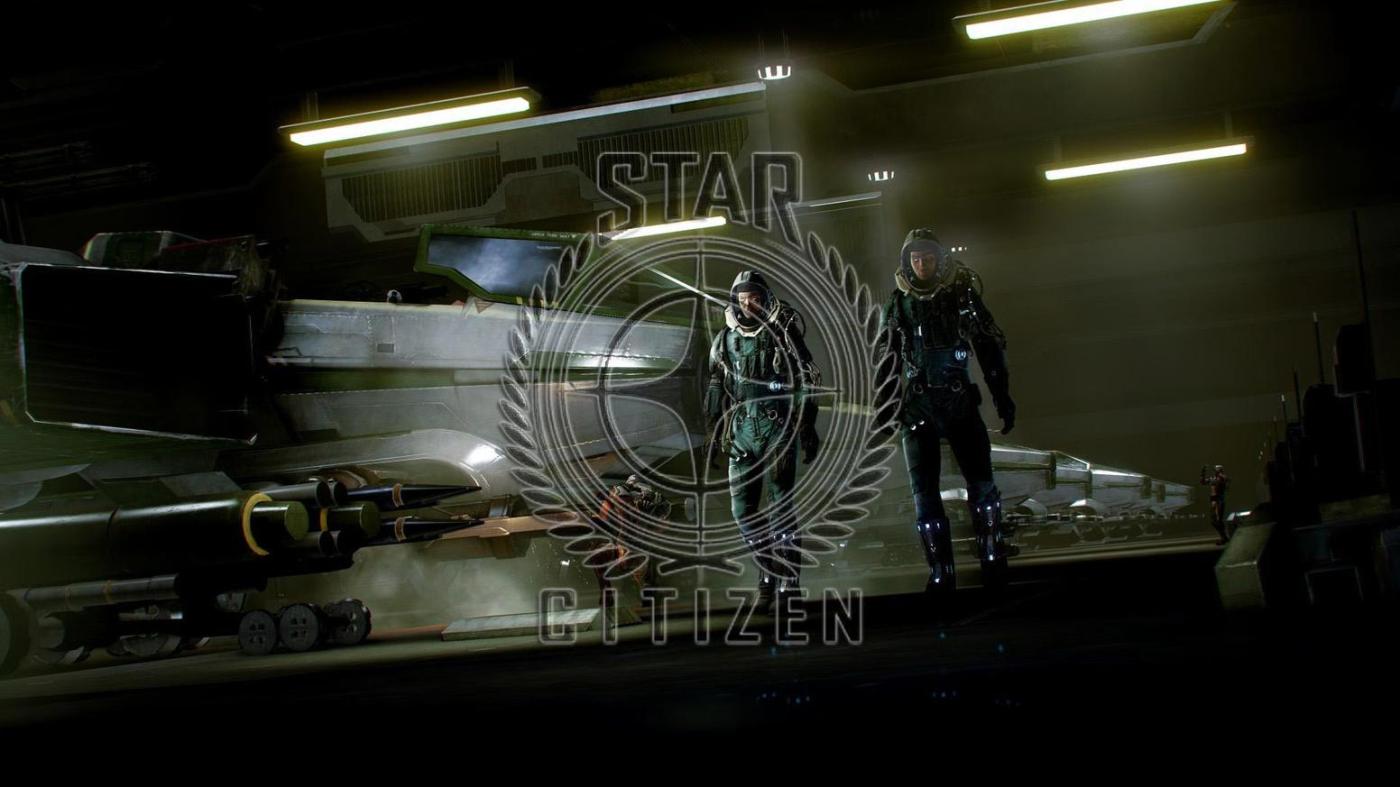
[The translation continues in the same manner for the rest of the text, maintaining the professional and accurate translation style.]Star Citizen, mockingly referred to as the "ship-selling cult", has been crowdfunding on Kickstarter since October 2012. Over thirteen years, the game's developer Cloud Imperium Games has raised over $800 million through various means, including paid Alpha testing, subscriptions, merchandise, microtransactions, and selling ships worth hundreds of dollars to players. Although the game has sparked some controversy, the community has rarely collectively protested about paid in-game content.
When traditional game crowdfunding fails, most players typically invest only a small amount for game copies or related merchandise. Even if traditional game projects fail, players' economic losses are limited, and they often view their support as backing the developers rather than a direct financial investment. Even if the project is not completed as planned, supporters tend to see it as support for creativity, not a speculative failure.
However, in the Web3 model, players and speculators directly purchase game assets or tokens with real money. When a project fails, they face real fund evaporation, resulting in a stronger sense of loss and betrayal.
Where Should Web3 Games Go?
"What are the best-designed, economically sustainable Web3 games? Currently, the answer is simple—almost none," pointed out Duncan Matthes, a researcher at Delphi Digital. Game development cycles are long and capital-intensive. Most high-quality games require 2 to 5 years of development and require high levels of expertise.
Moreover, development budgets range from millions of dollars for mobile games to hundreds of millions for console and PC games—far exceeding the average funding for Web3 games. These factors make game tokens difficult to grow steadily, primarily driven by attention and changing narratives.
In this context, industry professionals generally believe that Web3 game developers must first ensure the quality and playability of the game itself. Carlos Pereira, a partner at Bitkraft Ventures, recently told Blockworks that Web3 game development should prioritize game quality, rather than prematurely introducing tokens or Non-Fungible Tokens for monetization, as this can set overly high expectations. If studios fail to meet these expectations through exit or plan adjustments, they will find themselves in trouble.

For many Web3 game developers, in their excessive pursuit of ownership and economic incentives through Non-Fungible Tokens, they often overlook core game elements such as characters, narrative, gaming experience, and community interaction. Shiti Manghani, COO of Find Satoshi Lab, previously stated that players care more about whether a game is fun, not the ownership mechanism of in-game assets.
In reality, the wave of Web3 game project shutdowns stems from multiple factors: the high failure rate in the gaming industry, difficult player retention in the Web3 model, issues with fund allocation and financing, and the deterioration of the macroeconomic investment environment.
Facing these challenges, Web3 games must return to value-driven and technological essence. They need to go back to basics and first make Web3 games enjoyable.






