


Valve, known for encouraging player free trading, has thrown the billion-dollar virtual item market into turmoil with the seven-day trade withdrawal mechanism introduced for Counter-Strike 2 (CS2) on July 16th.
Safety Mechanism Turns into Fraud
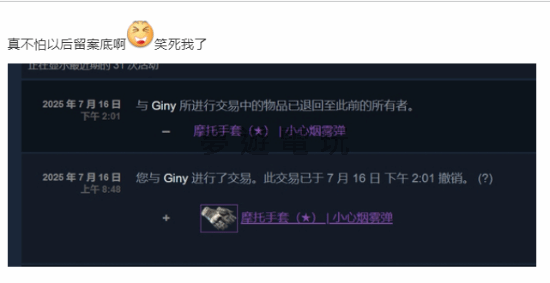
According to Valve's announcement, the new "trade protection" mechanism allows players to cancel and retrieve items within 7 days after a trade, with the official explanation being to give players whose accounts were hacked "time to recover assets".
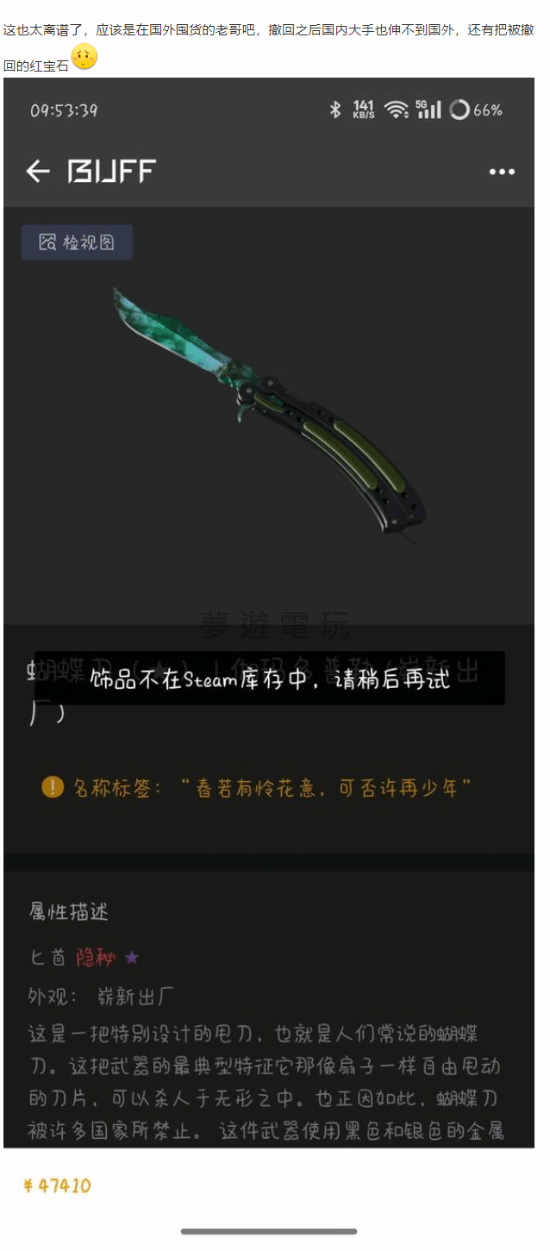
However, fraud groups quickly found loopholes, first collecting payment from buyers on third-party platforms, then using the trade protection period to reclaim game items. Both the paid money and virtual items were taken back, leaving victims with total losses.
Steam community accumulated numerous complaint posts within just a few days, with Chinese players especially posting angry messages about being "scammed with empty-handed wolf tactics" in discussion forums.
Market Value Evaporation and Liquidity Freeze
The loss of trust was immediately reflected in prices. According to the Key drop trading platform, the total market listing amount sharply decreased by $615 million in less than a week after the new rule. Players feared their holdings would become "hot potatoes" and began selling their inventory; meanwhile, the number of willing buyers drastically dropped, causing transaction prices to plummet. The originally highly liquid format now requires a "seven-day wait" to complete settlement, effectively locking market funds.
Facing this volatility, third-party platforms acted fastest. Platforms like TradeIt and Buff implemented measures such as freezing buyer funds for seven days, only transferring money to sellers after the protection period ends. They also permanently banned accounts with malicious withdrawals and guaranteed full compensation to restore user trust. Industry players generally strengthened KYC and increased transaction fees, attempting to internalize risks.





