Why the Decentralized AI Movement Is Just Beginning
Artificial Intelligence (AI) has rapidly evolved, transforming industries ranging from healthcare and finance to entertainment and transportation. Yet, despite these advancements, the core infrastructure of AI development remains largely centralized. Major corporations and a handful of dominant players control most of the data, computational resources, and decision-making processes. This centralization creates barriers to entry, raises ethical concerns, and limits the potential for innovation.
However, we are on the cusp of a significant transformation — the rise of decentralized AI. Driven by blockchain technology, decentralized autonomous organizations (DAOs), and community collaboration, this new wave promises to democratize AI development, improve transparency, and foster collective innovation. Projects like Zulu Network and its community-driven AI DAO are paving the way for this exciting future.
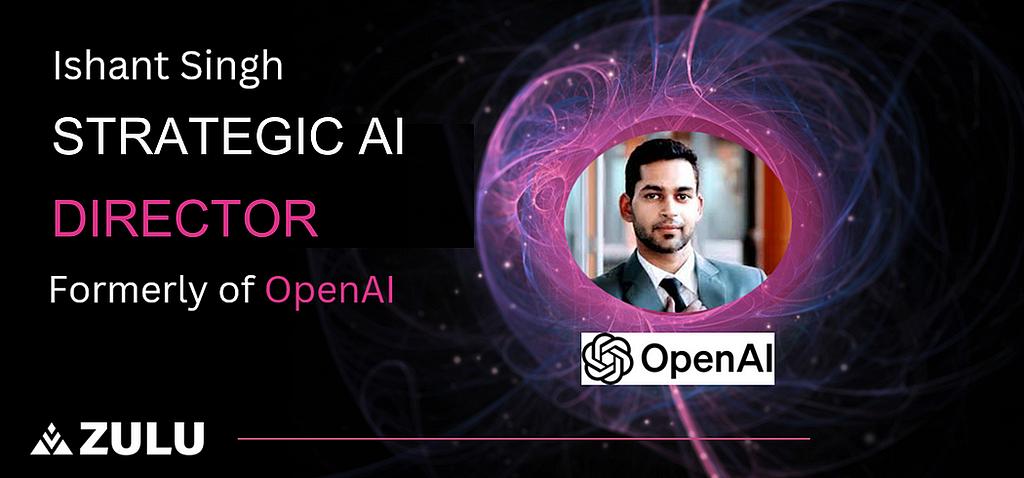
For review, here is our previously outlined mission from Zulu’s Strategic AI, Ishant Singh (formerly of OpenAI): https://medium.com/@zulu_network/the-future-of-ai-is-decentralization-how-zulu-network-is-leading-the-way-as-an-ai-dao-dd9e47aa8aa1
Why the Decentralized AI Movement Is Just Beginning
While the idea of decentralized AI has been around for a few years, widespread adoption is just now gaining momentum. Several factors contribute to this:
1. Limitations of Centralized AI: Centralized models are prone to issues such as data privacy violations, bias, lack of transparency, and monopolistic practices. A decentralized approach aims to address these challenges by distributing power and control.
2. Blockchain and Cryptography Innovations: Advances in blockchain technology, secure multi-party computation, and federated learning allow for privacy-preserving collaborations. These innovations enable multiple parties to contribute to AI development without exposing sensitive data, fostering a more inclusive and secure ecosystem.
3. Community Engagement and Democratization: Decentralized platforms empower individuals and small organizations to participate in AI development. Instead of a few dominant corporations setting the agenda, communities worldwide can collaborate, contribute, and benefit from collective intelligence.
4. Tokenization and Incentivization: Using cryptocurrencies and tokens, decentralized AI projects can incentivize contributions and align interests. This economic model encourages more stakeholders to participate actively, accelerating innovation.
How Projects Like Zulu Network Are Shaping the Future
Among emerging decentralized AI initiatives, Zulu Network stands out as a pioneering project that integrates blockchain, AI, and community governance. Zulu Network envisions a future where AI technologies are built, governed, and maintained by a global community rather than a handful of centralized entities.

Here’s how Zulu Network and its AI DAO can influence the future:
Community-Driven Governance: The Zulu AI DAO empowers a global community to participate in critical decision-making processes regarding the development, deployment, and ethics of AI models. This distributed governance model ensures that no single entity has unchecked control, promoting transparency and aligning development with the collective interests of the community.
- Incentivized Collaboration: Through token-based rewards, contributors — from developers and data scientists to hobbyists — are encouraged to participate actively. This incentivization fosters a diverse ecosystem of innovation and accelerates progress in AI research and application.
- Decentralized Data and Model Sharing: By leveraging blockchain’s immutability and security features, Zulu Network facilitates the sharing of AI models and datasets in a trustless environment. This openness enhances collaboration, reduces duplication of efforts, and democratizes access to advanced AI tools.
- Ethical and Transparent AI Development: Community oversight and blockchain transparency help address concerns about bias, misuse, and unethical practices. Stakeholders can verify and audit the development process, promoting responsible AI evolution.
Driving Innovation and Accessibility
Projects like Zulu Network exemplify how decentralized models are not just theoretical ideas but practical solutions that can revolutionize AI development. By decentralizing control, incentivizing broad participation, and emphasizing transparency, the decentralized AI revolution aims to democratize AI technologies, making them accessible to all and aligned with societal values.
About Zulu Network:
Zulu Network is a protocol designed to optimize AI instances, offering a seamless platform for developers to create decentralized applications. Fueled by BNB Chain liquidity and supported by a passionate community, Zulu aims to lead the charge in the integration of AI and blockchain technology for a more decentralized future.
Follow us for more exciting updates:
Website | Twitter | Telegram | Discord