Russian President Vladimir Putin responded to the latest U.S.–Ukraine peace draft by saying the document “could serve as a basis for future agreements,” but reaffirmed that if terms cannot be met, Russia will continue military operations. He also reiterated that the legitimacy of Ukraine’s current government and territorial issues remain core points of contention. Meanwhile, U.S. President Trump announced plans to expand anti-narcotics operations against Venezuela from maritime to land routes, alongside increased military deployments across the Caribbean—pushing regional tensions sharply higher.
At the macro level, the outlook for Russia–Ukraine negotiations remains highly uncertain. Talks are advancing in parallel with continued frontline military action, suggesting geopolitical risk has not meaningfully eased. At the same time, escalating U.S. operations and sanctions in Latin America add uncertainty to energy, shipping, and credit markets. Geopolitics is now heating up along “two major axes,” shifting global risk pricing toward a multi-region disturbance model.
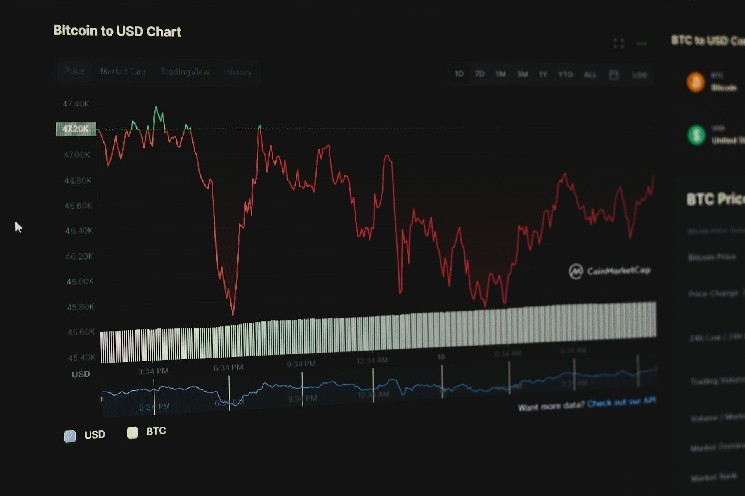
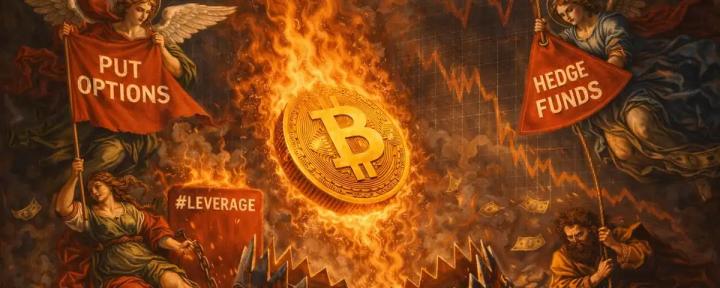
In the crypto market, rising risk aversion adds short-term pressure on high-volatility assets. BTC remains capped near the 91,000 technical resistance zone, with bulls and bears locked in a tug-of-war at elevated levels. Support lies in the 89,000–88,000 range; failure to hold could trigger a structural move toward the key mid-term pivot near 86,000. Leveraged positioning shows dense liquidation clusters above and defensive capital accumulating below—indicating no clear directional consensus yet.
Bitunix Analyst View:
The crypto market is currently navigating an overlap of macro-geopolitical repricing, high-level technical resistance, monetary easing expectations, and labor-market softening. Capital flows are turning more conservative and short-term oriented. In the near term, price direction will depend far more on whether geopolitical tensions meaningfully cool—and whether risk capital is willing to re-engage—than on isolated technical breakouts.