


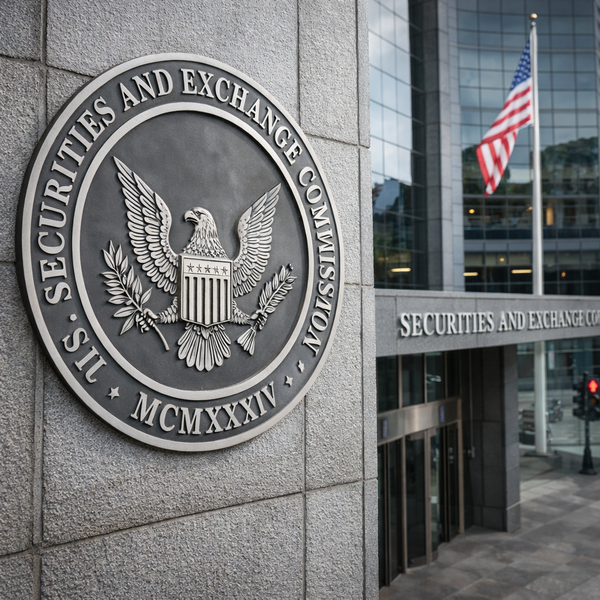
The U.S. Securities and Exchange Commission (SEC) has indicted seven entities for large-scale fraud involving fake virtual asset trading platforms and investment clubs. The scheme, which lured individual investors using online messengers and artificial intelligence (AI) investment strategies, was found to have siphoned off at least $14 million (approximately 19 billion won).
The U.S. Securities and Exchange Commission (SEC) has revealed that three fake trading platforms—Moroccan Tech, Berger Blockchain Technology, and Sircor—and four affiliated investment clubs were systematically perpetrating investment fraud. The investigation found that these groups built trust by operating investment communities through social media and messaging apps, then lured investors by offering "high-yield, AI-generated trading signals."
According to the SEC, investors were encouraged to open accounts on specific trading platforms, following the club's instructions. The problem was that these platforms claimed nonexistent licenses and issued fictitious security tokens and false issuers. After deposits were made, the authorities explained, they exacerbated the damage by restricting withdrawals or demanding additional fees under the pretext of withdrawals.
What's notable about this incident is the increased sophistication of the fraud tactics. Instead of simple promises of high returns, the scammers emphasized AI-based investment strategies and legal licensing, prioritizing "technological trust." In particular, the structure, which took the form of a small, messenger-based investment club, designed to encourage investors to share information and feel secure, was identified as the reason for the widespread damage.
The SEC sought a permanent injunction, civil monetary penalties, and recovery of unjust enrichment against the entities involved. The authorities stated, "As the keywords virtual assets and AI are combined, fraudulent tactics are rapidly evolving," and urged special caution when soliciting investments through online communities and messengers.
Market observers are evaluating this measure as "shifting the focus of regulation in the virtual asset market beyond simple illegal transactions to address platform trust and information distortion." This is interpreted as a full-scale warning from regulatory authorities to fraudulent schemes exploiting the gap between technology and institutions.
This incident once again serves as a reminder of the fundamental principle of virtual asset investment: prioritizing the platform's substance and regulatory status over profitability. The message is clear: the era of judging trust solely based on the names AI and blockchain is over.






