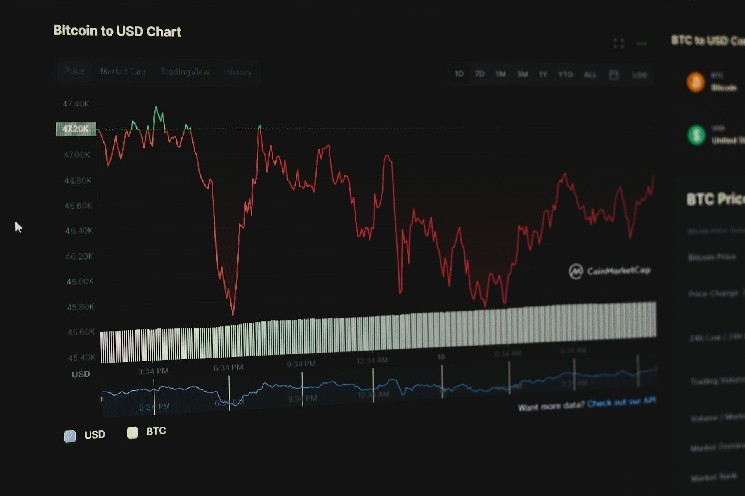
According to Bloomberg , Bitcoin has fallen about 30% from its all-time high of approximately $126,000 in October 2025, with the price hovering around $88,000 to $89,000. This significant pullback has presented investors with a rare year-end tax-loss harvesting opportunity. Several financial advisors have pointed out that tax-loss harvesting of digital assets is expected to be significantly more frequent this year than in previous years, especially before the year-end tax deadline.
What is tax loss harvesting?
Tax loss harvesting is a common tax optimization strategy where investors intentionally sell loss-making assets to realize capital losses, which are then used to offset capital gains on other investments (such as stocks), ultimately reducing their tax burden for the year. For example, under US tax law, capital losses are fully deductible from capital gains, and up to $3,000 of ordinary income can be deducted annually. Any excess losses can be carried forward to future years.
Unlike traditional stocks, crypto assets are currently not subject to the "wash sale rule," meaning investors can immediately repurchase the same asset after realizing a loss by selling it, without losing their eligibility for loss deduction.
Why is it particularly noticeable this year?
First, while Bitcoin's overall performance for the year was only down about 5%, its sharp 30% drop from its October high resulted in paper losses for many investors who bought at the peak. In contrast, traditional stock markets like the S&P 500 rose about 18% throughout the year, and many investors holding stocks had profits and needed to offset their tax burdens with these losses. Therefore, this created a perfect tax-matching opportunity, making Bitcoin an ideal target for tax loss recovery.
Secondly, several financial advisors have observed a significant increase in client interest in tax-loss operations related to crypto assets this year, primarily due to substantial profits in the stock market, necessitating the search for loss-making assets to balance tax returns. The recent continuous outflow of funds from Bitcoin ETFs has also been attributed by analysts to tax-loss selling pressure. Such selling often exacerbates market volatility at the end of the year; however, historical experience shows that this phenomenon is mostly temporary, with a common buyback wave following the new year. Therefore, Bitcoin's price may rebound early next year.