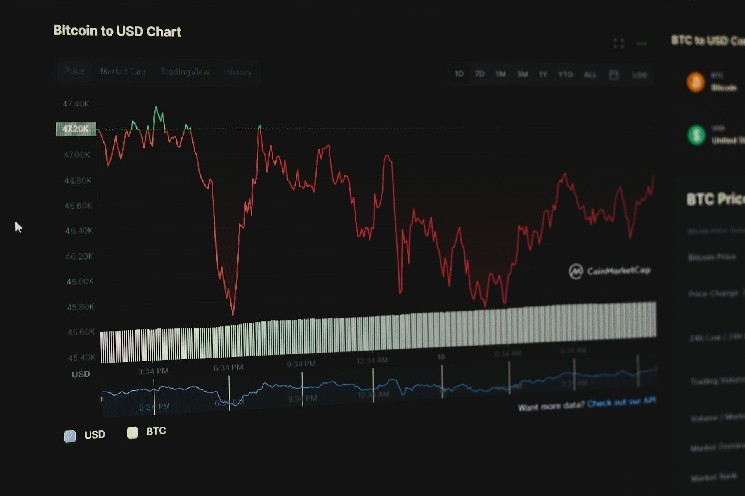
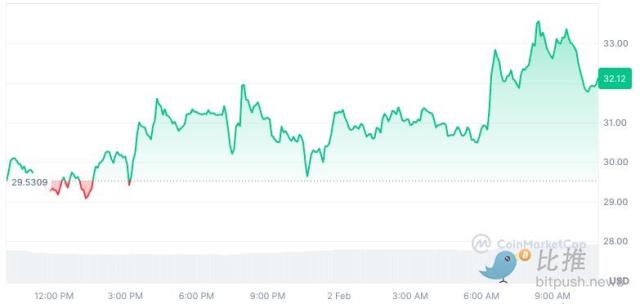
According to ChainCatcher, Bitcoin's closing price in 2025 was lower than at the beginning of the year, marking the first time in history that a year has passed since a halving, sparking heated discussions about whether the "Bitcoin four-year cycle" has ended. Although the latest halving occurred in April 2024, BTC previously reached an all-time high of $126,000 on October 6th, but subsequently experienced a significant pullback, currently down over 30% from its peak, resulting in a weaker performance for the year.
Analysts point out that after the halvings in 2012, 2016, and 2020, Bitcoin reached new highs in the following year, but this pattern failed to continue in the current cycle. Vivek Sen, founder of Bitgrow Lab, bluntly stated that Bitcoin's decline in the year following the halving signifies the "official death of the four-year cycle."
Investor Armando Pantoja believes that the inclusion of ETFs, institutional funds, and corporate balance sheets has shifted Bitcoin's focus away from retail investor sentiment and towards macroeconomic factors such as liquidity, interest rates, regulation, and geopolitics. However, there are dissenting voices. Markus Thielen, head of research at 10x Research, stated that the four-year cycle still exists, but it is no longer driven solely by programmatic halvings; instead, it is unfolding in a new form.
The market's divergence regarding the long-term cyclical structure of Bitcoin continues to widen.