


In 2025, the Web3 world ushered in a truly generational turning point. For the first time, crypto assets, centered on stablecoins and real-world assets, gained a systematic and predictable regulatory framework in major global economies, laying the institutional foundation for the large-scale implementation of RWA.
In the United States, the GENIUS Act introduced approximately $4 billion in liquidity in its first week, supporting the stablecoin system. Subsequently, the CLARITY Act officially took effect, ending nearly a decade-long regulatory power struggle between the SEC and CFTC, and providing clear boundaries for the classification, issuance, and circulation of crypto assets. The national-level "Crypto Project" explicitly states that core assets of the US financial system will be gradually migrated to the blockchain over the next two years.
Hong Kong's market also keeps pace with international trends, becoming an institutionalized model for the Asia-Pacific region:
- March 2025 | The Securities and Futures Commission (SFC) and the Hong Kong Monetary Authority (HKMA) updated the "Guidelines on Virtual Asset-Related Activities," clarifying the rules for cross-border data use and the regulatory boundaries for the secondary market.
- June 26, 2025 | The Hong Kong Digital Asset Development Policy Declaration 2.0 was released, with the "LEAP" framework systematically planning the legal, regulatory, application and talent development paths.
- August 1, 2025 | The Stablecoin Ordinance officially came into effect, providing a legal basis for payment-type stablecoins and RWA settlement.
- November 3, 2025 | The China Securities Regulatory Commission (CSRC) will allow virtual asset trading platforms to share listings with their overseas affiliates, thereby introducing global liquidity.
- December 24, 2025 | Public consultation on the licensing system for digital asset trading and custody services was completed, and the regulatory system covers the entire service chain.
Against the backdrop of global policy convergence and continuous institutional funding, RWA has moved from the "feasibility verification" stage into a new cycle of "scaled and institutionalized implementation." Throughout the year, Starbase, leveraging its global resource network and collaborations with leading Web3 institutions, has continuously advanced a series of groundbreaking RWA practices.
Public blockchains serve as the underlying infrastructure for RWA implementation. In 2025, RWA became a new major battleground for public blockchain competition. During this phase, Starbase established collaborative relationships with public blockchains of different types and positioning :
- Mature public chains, such as Avalanche , are accelerating their entry into RWA scenarios by leveraging their high throughput and existing user base.
- Regional compliant public blockchains, such as HashKey Chain , leverage Hong Kong's regulatory environment to serve the incremental market.
- And public chains that focus on niche sectors, such as Story in the cultural IP field and TT Chain in the consumer and livelihood fields .
Starbase is deeply involved in the development of the RWA ecosystem around these public chains, selecting, introducing, and structuring high-quality RWA assets into the public chain system .
In 2025, Starbase assisted multiple public blockchains in introducing various types of RWA assets, such as private lending, digital advertising, gold, cultural IP, and new energy infrastructure, into their ecosystems, and helped these blockchains optimize asset diversity and attract incremental funds and real users.
The essence of RWA is a systematic project of asset issuance and circulation. Different asset types and different jurisdictions have highly differentiated requirements for issuance structure, compliance path, and trading platform. In 2025, Starbase engaged in exchanges and cooperation with DMZ Finance, Paimon, CycleX, 24K Finance, Hangzhou Cultural Property Exchange, Unique Art Platform, and many other digital asset trading platforms , creating multiple benchmark cases and confirming 6 projects with clear issuance intentions, thus matching the optimal issuance path for RWA projects.
In its issuance practice, Starbase bases its operations on compliance requirements in different countries and regions, while also ensuring ease of access for new users. Through continuous optimization of its issuance structure and pathways, Starbase has gradually built a global issuance and service network covering multiple jurisdictions. Starbase has established long-term collaborative relationships with Yingke Law Firm and Zhiheng Law Firm, providing high-quality legal support for projects in asset structure design, compliance boundaries, and cross-border issuance practices.
Meanwhile, CoinPal, a new member of the accelerator program in 2025 , is a global cryptocurrency payment service provider that has served over 10,000 registered merchants and supports the exchange of fiat currency and crypto assets, becoming a key bridge connecting the real-world payment system and on-chain liquidity for the RWA project .
By the end of 2025, Starbase had established deep partnerships with more than 50 leading domestic and international institutions, covering key aspects such as infrastructure, trading and asset management, payments, data and growth platforms, accelerators and developer communities, providing one-stop launch support for accelerator programs from 0–1 to 1–N.
In 2025, RWA became the best-performing crypto narrative of the year, with an average annual increase of 185.76%. Standard Chartered Bank, BlackRock and other institutions predict that by 2030, the global market capitalization of RWA is expected to reach $2 trillion (excluding stablecoins).
The Starbase team entered the Web3 industry as early as 2018. In 2025, the company started with RWA practices, promoting the coordinated flow and large-scale expansion of funds, assets and users between Web2 and Web3 within a compliance framework, and continuously connecting key links between the asset side and the issuance side.
Based on years of accumulated global Web3 resource network and industry experience, Starbase has formed a collaborative mechanism covering strategy design, release execution and post-operation, and has gradually developed a reusable and cross-regional RWA release template.
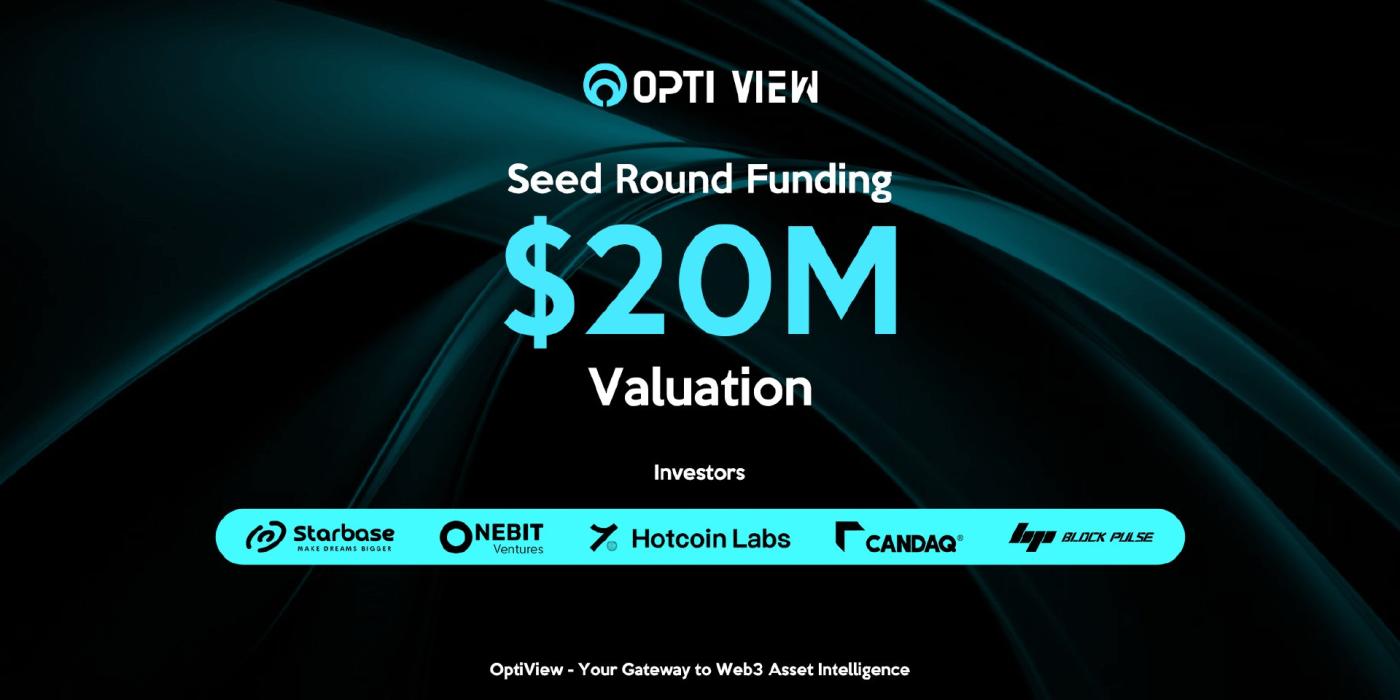
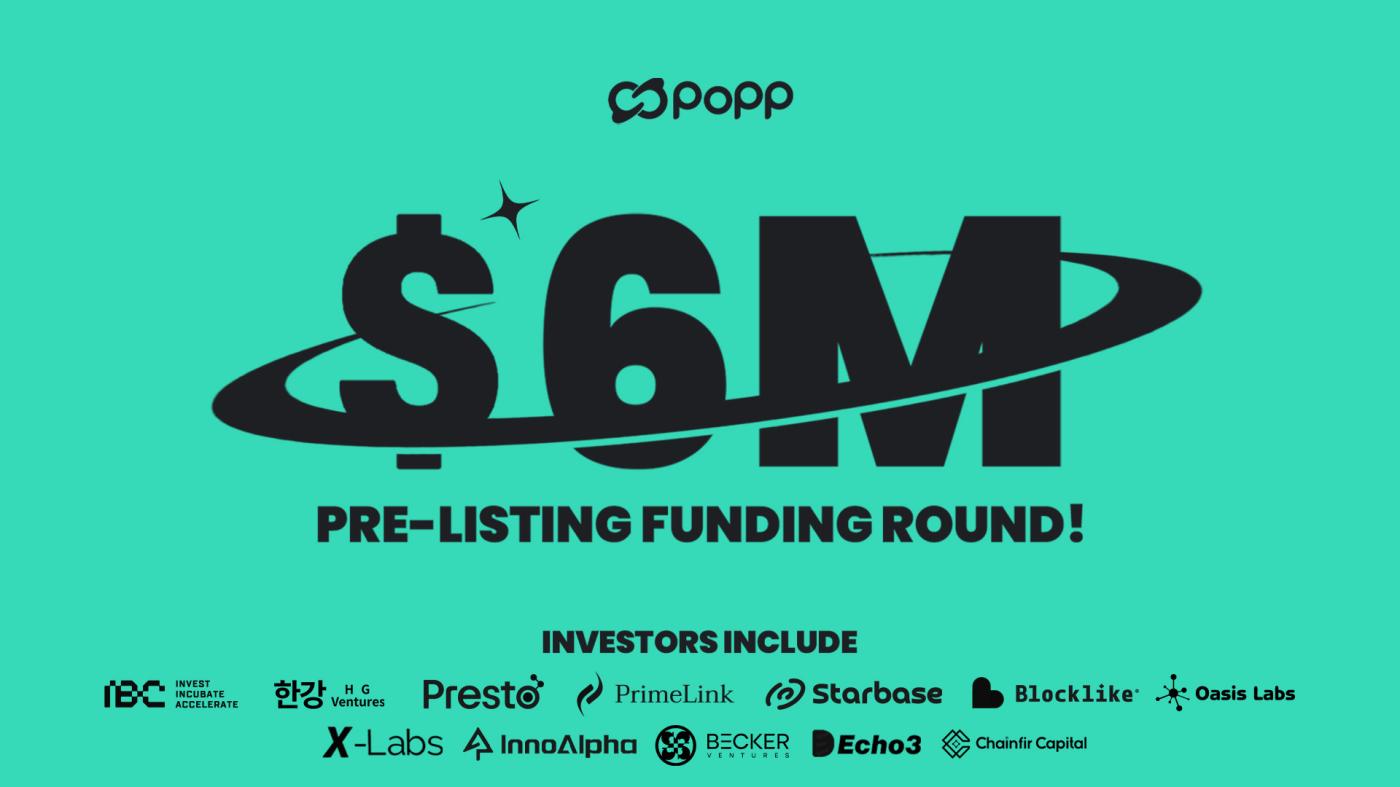
Ten new projects were selected for the Starbase Accelerator Program throughout the year, receiving comprehensive support in strategic planning, brand building, user growth, technical support, and ecosystem resource integration. Among these, in addition to the RWA project, AI Web3 projects such as Block Sec Arena, OptiView Official, and Popp Planet completed multiple rounds of market-based financing with Starbase's support, raising a total of over $70 million. Investors included Hotcoin Labs, Onebit Ventures, Apus Capital, Candaq Ventures, BlockPulse, ForesightVen, ibcgroupio, HGV_official, Presto_Labs, PrimeLink_io, blocklikenet, Oasislabs_space, X-Labs, InnoAlphaVC, BeckerVentures, Echo3labs, and gwglobal_cap.

Big Screen RWA is the first consumer digital advertising RWA project in mainland China, jointly launched by Starbase, Hangzhou Langsheng Media Co., Ltd., Hangzhou Cultural Property Exchange and Story Foundation.
In this project, Starbase was responsible for the overall RWA solution design, providing a complete set of customized solutions for the compliant distribution of the product in China. The project innovatively divided the 2,000 minutes of advertising resources of the core outdoor media of Hangzhou Guoda City Plaza—the "Big Bean Screen"—into 800 digital advertising rights, each priced at 1,250 yuan, corresponding to a 150-second advertising playback time.
Through its clear asset splitting logic, transparent usage rights mapping mechanism, and open and fair participation methods, the project quickly attracted market attention after its launch and sold out completely on the day of issuance. The issuance effect also generated positive feedback at the capital and market levels: the share price of the related listed company, Huamei Holdings, reached a maximum increase of 9.57% during trading on the day of issuance, following four consecutive days of limit-up gains within the previous month; simultaneously, the Story ecosystem token IP rose by approximately 17% on the same day , further demonstrating market recognition of the model.
This practice not only validates the feasible application of blockchain technology in the traditional advertising industry, but also provides a replicable model for how existing physical assets can be digitized, standardized, and issued in a compliant manner through RWA. As the RWA model continues to be promoted in more industries, the "digitalization of consumer assets" path represented by BigBenPing RWA is opening up new spaces for traditional enterprises to explore digital economic transformation.

TT Chain is the first modular Ethereum L2 RWA public chain focusing on consumption and people's livelihood scenarios. It is built on OP Stack and introduces functional components for RWA scenarios at the architecture level, transforming real-world transaction behavior into verifiable and auditable on-chain settlement data to meet the needs of enterprise-level applications in terms of efficiency, transparency and compliance.
In terms of compliance and issuance, TT Chain has established partnerships with compliant trading platforms in multiple countries and regions. At the same time, TT Chain has streamlined the compliant ICO issuance process that has been audited by the Thai SEC, providing key infrastructure support for the institutionalized issuance of the RWA project in the local market.
With the continued support of the Starbase Accelerator Program, TT Chain has established a clear pace of progress in market expansion, brand building, and ecosystem resource synergy. Leveraging Starbase's global resource network and communication system, its projects have established stable strategic partnerships with several leading industry institutions and have continuously amplified their market presence through numerous online and offline brand events, driving their practical implementation in different countries and business scenarios.
With the aforementioned market and ecosystem advancements, TT Chain has rapidly accumulated on-chain data in a short period: in less than two months since its launch, its on-chain market capitalization has exceeded $1 billion , with a cumulative transaction volume of approximately 4.1 million transactions and a stable daily transaction volume of around 40,000 transactions ; currently, there are approximately 10,000 on-chain holders , with an average block time of about 2 seconds . Its self-built wallet and cross-chain bridge have been deployed, with the cross-chain bridge achieving a cross-chain transaction volume of approximately $3 million in its first month of operation , performing similarly to the early-stage data of leading public chains.
In terms of specific RWA asset implementation, TT Chain has launched several exemplary projects. Among them, the on-chain tokenized gold project Summerpoint sold approximately 450 million Thai baht worth of tokens (approximately US$14 million) within two hours of its launch , through a subsidiary of the SCBX Group, which is controlled by the King of Thailand. Token X's role as underwriter further validates the feasibility of this public blockchain in terms of compliance framework and institutional collaboration.

As Web3 accelerates its integration with real-world industries, enterprises and institutions face significant gaps in experience and understanding regarding asset on-chaining, compliance design, and cross-border issuance. Traditional Web2 teams, in particular, lack systematic on-chain operations and digital asset application capabilities, which has become a core issue that urgently needs to be addressed in the industry's development.
As a driver of industry practice, Starbase recognizes that in addition to project implementation, systematic RWA education and talent development are crucial for long-term growth. To fill the experience gaps among traditional Web2 teams in on-chain asset operations, compliance design, and cross-border issuance, Starbase launched a global university curriculum system in 2025, jointly offering an Advanced RWA Training Program with Tongji University and Zhiheng Law Firm. The Tongji University program, the first of its kind, will commence in 2026, marking the formal participation of universities in RWA talent development and laying the foundation for an integrated "industry-academia-practice" education ecosystem.
In the future, Starbase will continue to expand its global university curriculum, collaborate with more international universities and professional institutions, solidify its industry knowledge base, and provide stable talent and knowledge support for the long-term development of the digital economy and decentralized industries.
In 2025, Starbase expanded into countries such as Thailand, Japan, Singapore, Indonesia, and the UAE, as well as content cities such as Hong Kong, Shanghai, Hangzhou, and Shenzhen, organizing or participating in more than 20 events. These events focused on RWA compliant issuance, asset structure, technology path, and institutional participation, building a cross-regional and cross-type resource network.
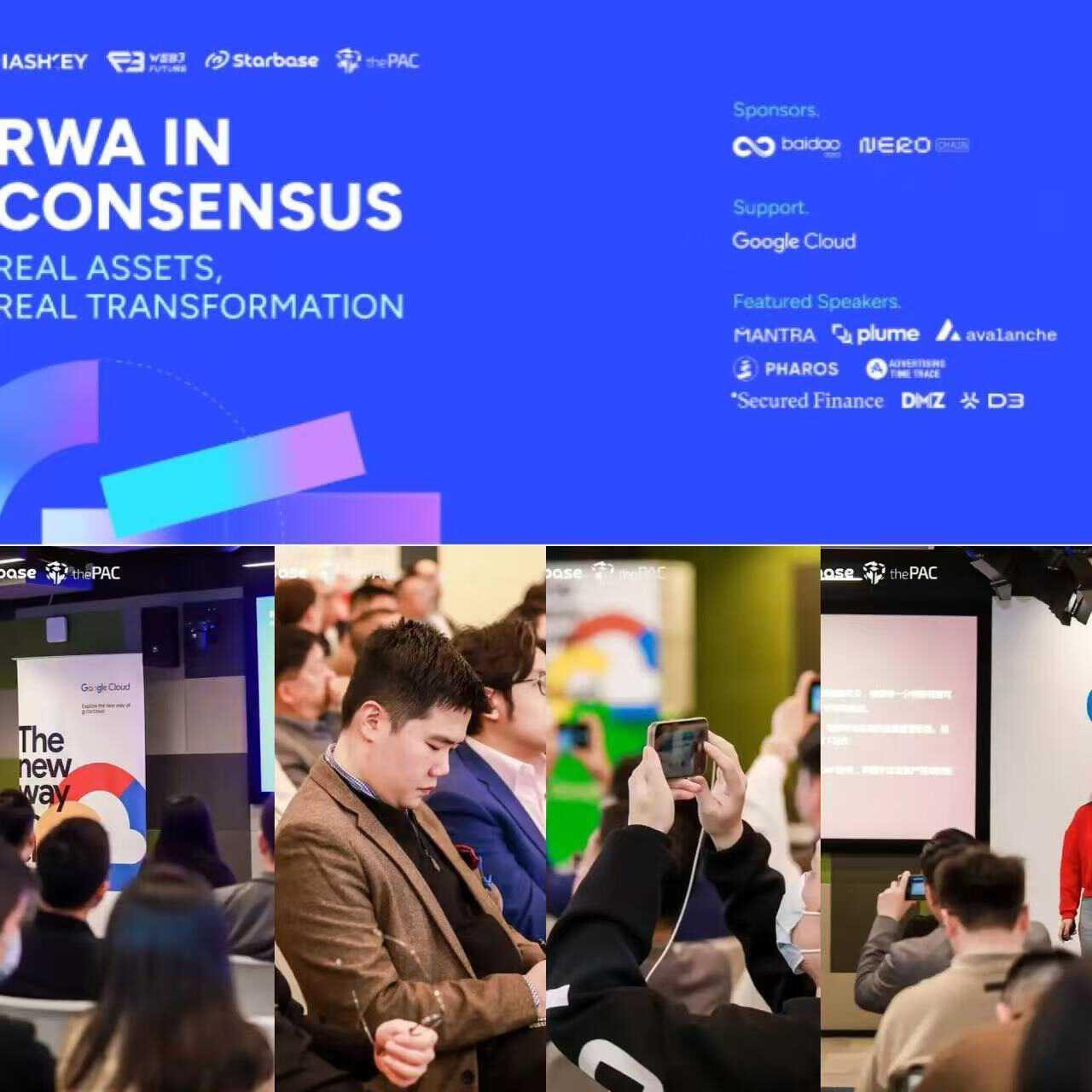
- Industry Consensus and Ecosystem Collaboration : In February, Starbase, together with HashKey, Web3 Future, and thePAC, co-hosted the "RWA in Consensus: Real Assets, Real Transformation" side event at the Consensus industry conference in Hong Kong. The event brought together institutions and projects deeply involved in RWA, engaging in in-depth exchanges on asset diversification, compliance pathways, technological innovation, and market opportunities through keynote speeches and roundtable discussions. This event deepened the industry's consensus on the role of RWA in the digital economy and promoted the implementation of cross-chain and cross-institutional collaborations.
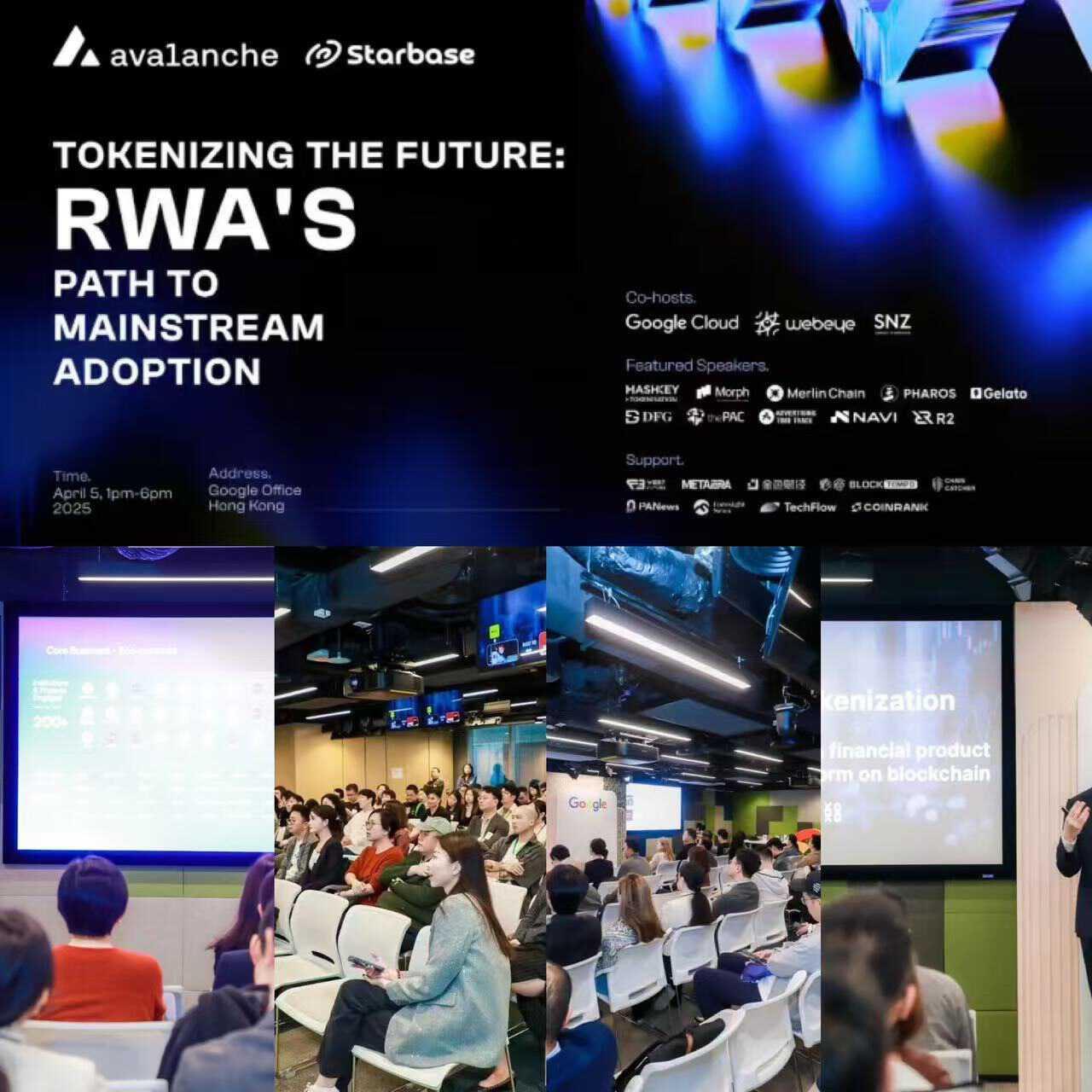
- Asset Tokenization and Compliance Path Exploration : In April, Starbase and Avalanche co-hosted a side event titled "Tokenizing the Future: RWA's Path to Mainstream Adoption," with Google Cloud, WebEye, and SNZ Holding as co-organizers. Practitioners and developers from leading industry institutions shared their experiences in asset tokenization, market innovation, and compliance challenges, providing structural design and issuance references for RWA projects and strengthening Starbase's bridging role between technology, regulation, and issuance.
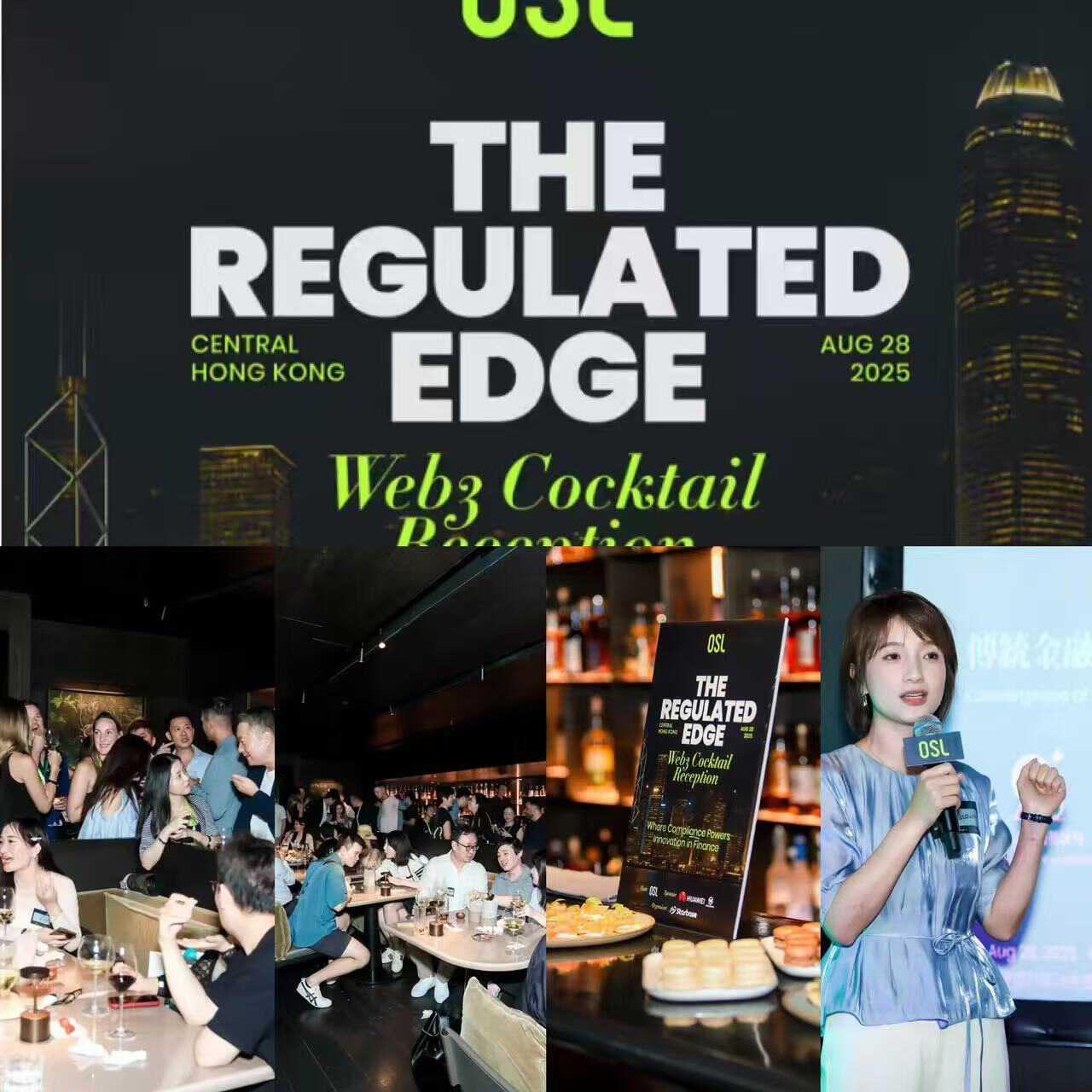
- Institutional-level networking : In August, Starbase organized and participated in "The Regulated Edge," an exclusive cocktail party hosted by OSL and sponsored by Huawei Cloud and SOLOWIN. Attendees included international investment banks, asset management firms, market-making and quantitative trading institutions, family offices, and fintech compliance service providers. They engaged in in-depth discussions on RWA's compliant issuance path, the institutionalization of stablecoins, global regulatory trends, and institutional-level service needs. The event provided an efficient networking space, creating conditions for building trust and cooperation between the RWA project and institutional capital.
Through these activities, Starbase has deepened its connections with project teams, local Web3 organizations, communities, KOLs, capital, and family offices in different countries and regions, providing more feasible paths for RWA on-chain issuance and compliance implementation.
As the regulatory framework becomes clearer, key infrastructure such as oracles matures, and crypto ETFs and institutional funds continue to enter the market, RWA is evolving from a single asset form into a crucial interface connecting decentralized technology with real-world industries. Its development focus is shifting from "how to complete the issuance" to "how to build a sustainable, industry-grade connection structure under different regulatory environments." Against the backdrop of a tightening domestic environment in the second half of 2025 , major global markets will continue to expand structurally in terms of compliance pathways, institutional participation, and application demand. Starbase will continue to leverage Hong Kong's mature and clear compliance system to assist RWA projects in the US, Southeast Asia, and the Middle East in designing compliance pathways and implementing issuance, while simultaneously promoting the two-way flow of funds, assets, and users between Web2 and Web3 systems . Entering 2026, RWA will face more direct scrutiny from the real economy, with the project's sustainable cash flow, compliance resilience, and institutional collaboration capabilities becoming key variables.
Leveraging its global resource network and practical experience accumulated over seven years of deep involvement in Web3, Starbase will continue to accelerate its efforts in asset structure design, compliance strategy guidance, and ecosystem resource collaboration. This will enable more high-quality projects to expand beyond RWA practices to broader decentralized applications and real-world industry scenarios, such as PayFi, GameFi, and AI , achieving a deep and systematic integration of the decentralized system with the real economy.






