"In 2025, the Hong Kong Stock Exchange will list 114 new stocks, raising HK$286.3 billion, surpassing Nasdaq's HK$205.2 billion, ranking first in the world."
Article by: Ba Jiuling
Article source: WeChat Official Account "Wu Xiaobo Channel"
In 2025, an unprecedented "capital relocation" is taking place in Asia's wealth circle.
According to data from investment immigration consultancy Henley & Partners, the number of millionaires entering Singapore in 2025 is projected to plummet to 1,600, less than half of the 3,500 in 2024.
Meanwhile, data from the Accounting and Corporate Regulatory Authority (ACRA) of Singapore shows that as of the end of 2024, the total number of Singaporean companies deregistered was 27,800, an increase of nearly 20% year-on-year, many of which were “shell companies” created for wealth management.
These data are gradually pointing to one fact: the wealthy are "fleeing Singapore".
So where did the tycoons and their enormous wealth go? The answer is Hong Kong, China.
A report released by Grant Thornton Hong Kong shows that as of the first half of 2025, there were 17,215 ultra-high-net-worth individuals in Hong Kong with assets exceeding US$30 million, a surge of 22% year-on-year; by the end of 2024, Hong Kong's wealth management scale had soared to HK$35.1 trillion, with an annual growth rate of 13%.
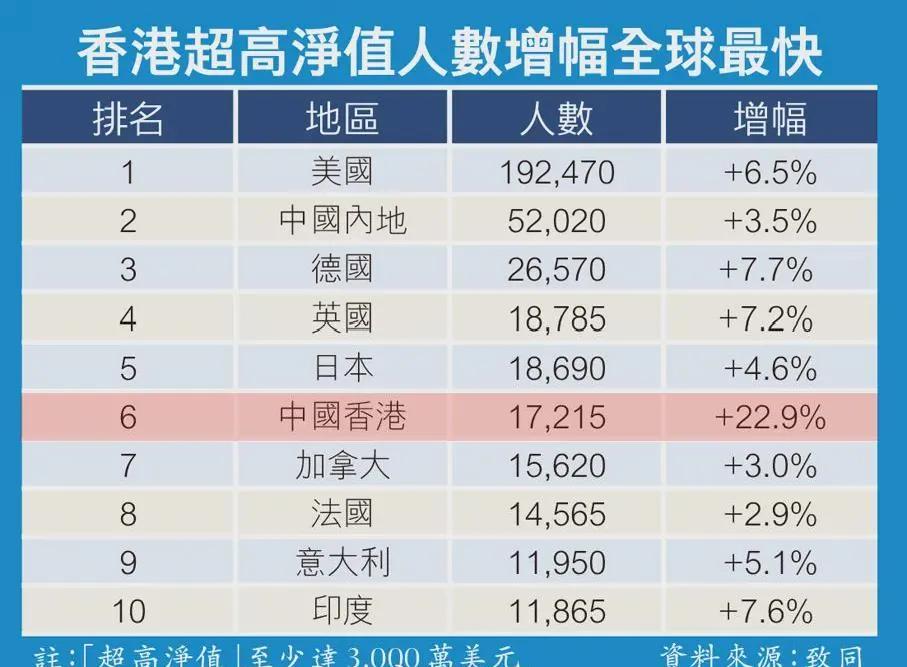
Image source: Overseas Wealth Network
Why has Hong Kong experienced such a long-awaited period of immense wealth and prosperity? Today, we'll explore the secrets behind it.
Singaporean tycoons who are easily frightened
Singapore's cold reception from the wealthy began with the massive 16.4 billion RMB money laundering case.
In 2023, 10 suspects exploited a regulatory vacuum in Singapore's financial system to launder money earned from illegal activities such as fraud and gambling.
The shocking money laundering case caused an uproar in Singapore, directly exposing the loopholes in Singapore's financial system in terms of anti-money laundering measures, and revealing cracks in the once "global safe haven for wealth".
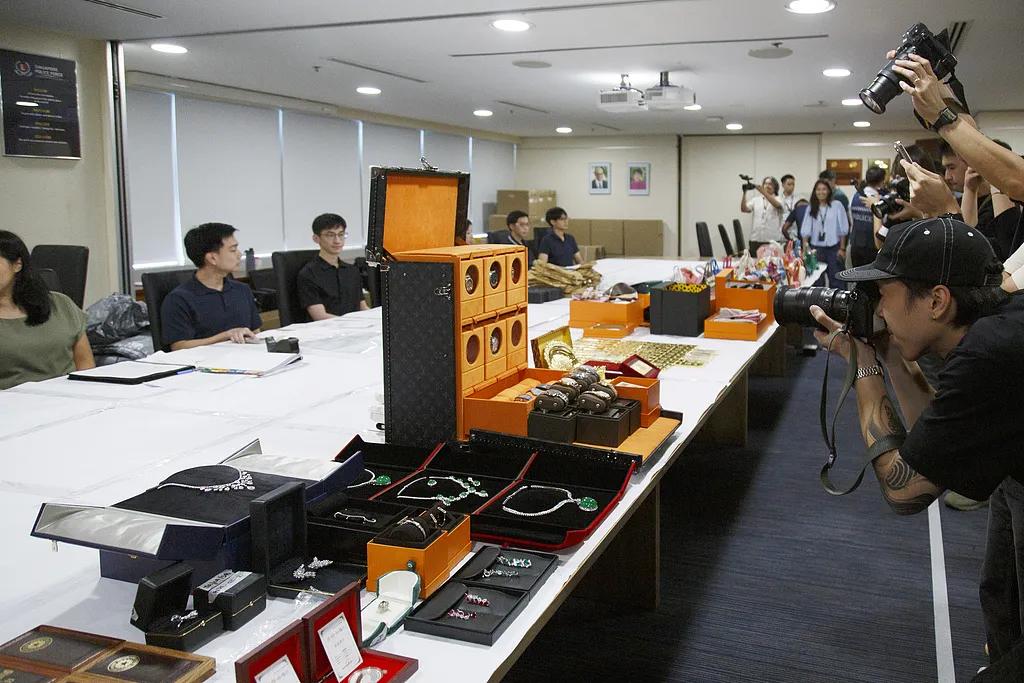
Singapore to sell luxury goods seized in money laundering case
To prevent Singapore from becoming a haven for illegal money laundering, regulators have undertaken a series of sweeping, even overzealous, financial reforms.
◎ First, the enactment of the Anti-Money Laundering and Counter-Terrorist Financing Act and the Controlled Goods and Services Management Act has strengthened the scrutiny of foreign funds, especially the potential irregularities that family offices may conceal.
◎ Second, the enactment of the Financial Services and Markets Act (FSM) has further tightened regulations on cryptocurrency speculation in Singapore. The licensing threshold has been significantly raised, and the previous "start first, get approved later" approach has been abolished. By the end of June this year, all cryptocurrency platforms that had not obtained licenses had been shut down.
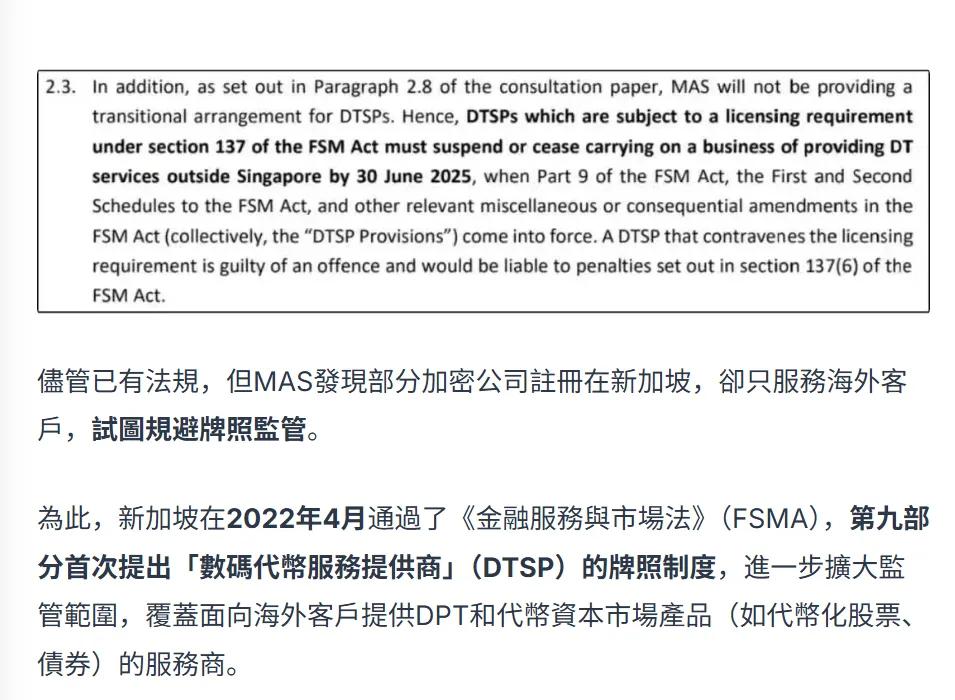
Image source: Lion City News
Hedging risks, client asset identification, internal risk control processes, anti-money laundering reports—none of these can be omitted. In short, Singapore is no longer a Web3 paradise, which makes global cryptocurrency upstarts and related capital unwilling to set up shop in Singapore.
◎ Third, strictly control the family office application process; significantly raise the threshold for family office tax incentives; strengthen background checks; and require detailed disclosure of beneficial owner information (including family members, children born in and out of wedlock).
In these financial reforms, one term has emerged into the public eye: family office.
What is a family office? It's not an office in a building, but a private investment firm that manages the wealth of wealthy families. Its clients often have assets exceeding $100 million, and it is popular in various countries and major cities.
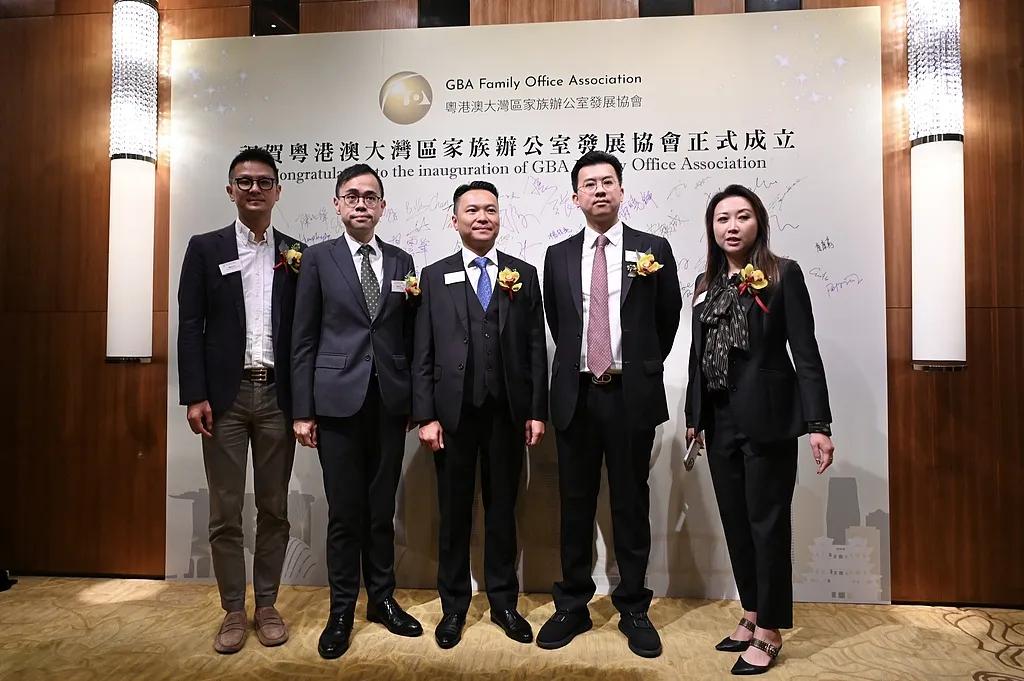
The Guangdong-Hong Kong-Macao Greater Bay Area Family Office Development Association was established in 2023.
Previously, the approval process for setting up a family office in Singapore took about six months, but it has now been extended to 18 months or even longer. The increasingly complex regulatory mechanisms are wearing down the patience of the wealthy.
For many wealthy Chinese, Singapore was chosen because of its relaxed regulations. However, with the Singaporean government frequently inspecting and auditing their personal wealth, "leaving" seems to have become an inevitable choice.
Singapore's new regulations even require the disclosure of information about wealthy individuals' wives, ex-wives, and illegitimate children, and to be updated annually. This is completely unacceptable to many wealthy individuals who value their personal privacy.
The Singapore government's intention is clear: to select truly high-quality capital and institutions committed to long-term, transparent, and compliant operations by raising the bar and strengthening regulations. Singapore is attempting to abandon its past practice of accepting any kind of money and instead seek "clean money."
The Deputy Chief Executive of the Monetary Authority of Singapore even stated, "We welcome responsible innovation, but we will never tolerate the abuse of trust."
Despite Singapore's efforts to strike a balance between attracting capital and mitigating risks, a growing number of capital seeking efficiency and unwilling to accept excessive scrutiny are fleeing the country.
Their destination is Hong Kong.
Hong Kong's rebirth
As Singapore tightened its regulations, wealthy individuals and international capital began seeking their next safe haven. Coincidentally, the Hong Kong government at this time demonstrated unprecedented ambition in attracting talent and investment.
On March 24, 2023, the Hong Kong government issued the "Policy Declaration on the Development of Family Office Business in Hong Kong".
The Declaration's policies include implementing a "Capital Investor Entrant Scheme" to allow global billionaires to gain access to Hong Kong through investments (including Hong Kong stocks, RMB, bonds, etc.); providing tax relief for single-family offices; and the Securities and Futures Commission issuing guidelines and establishing a dedicated hotline to simplify the assessment process for ultra-high-net-worth clients, among others.
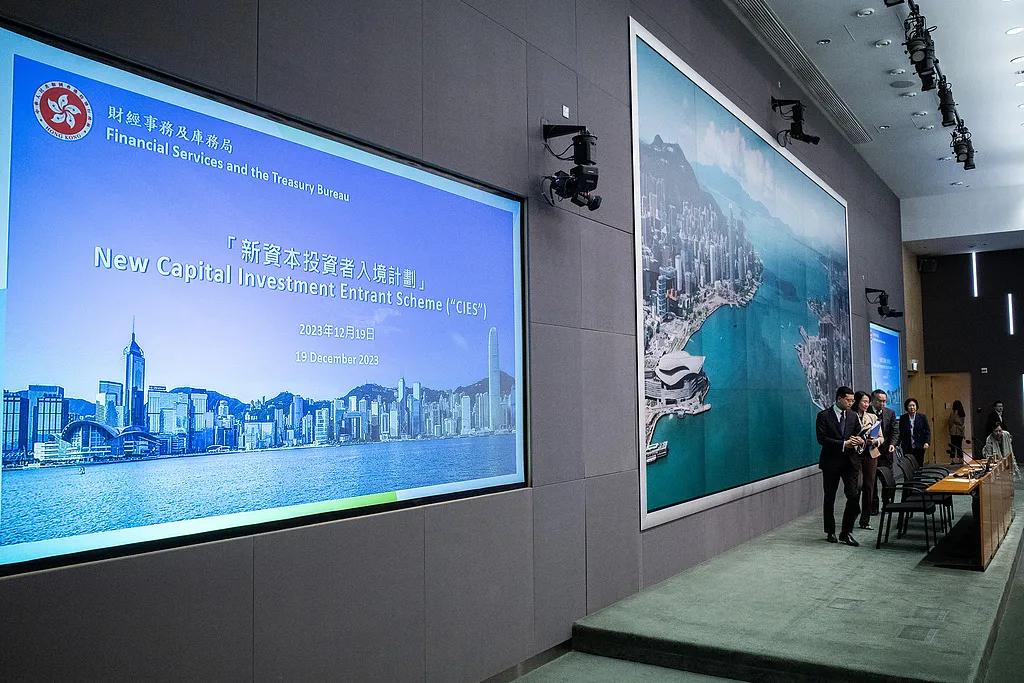
Hong Kong announces new Capital Investor Entrance Scheme
Hong Kong Financial Secretary Paul Chan said, "The Policy Declaration demonstrates our commitment to developing Hong Kong into a leading global family office hub."
The results of Hong Kong’s move are very evident. As of September 2025, the number of single-family offices (SFOs) in Hong Kong has exceeded 2,700, far surpassing Singapore’s 1,400.
Of these, as many as 885 companies have investable capital exceeding US$100 million. Meanwhile, the total number of family offices assisted by Invest Hong Kong in establishing operations or expanding their businesses has surpassed 220, achieving the target set in Hong Kong's Policy Address ahead of schedule.
In 2025, Hong Kong further relaxed tax incentives and included virtual assets and private equity in the exemption scope, continued to simplify regulatory procedures, and the new capital investor entry scheme has attracted 1,500 applications, which is expected to bring in HK$46 billion.
More importantly, Hong Kong's policies have always revolved around "investor needs" rather than simply being regulatory-oriented.
Besides more convenient and relaxed policies, Hong Kong's competitiveness lies in its "service depth." As a traditional free port and Asian financial center, Hong Kong has a more extensive pool of private banking professionals.
Family office media outlet "Family Office New Wisdom" believes that Singapore's private banking professionals are not as skilled as those in Hong Kong. Their service attitude and efficiency are also inferior, and their analysis of individual stock investments is not as thorough. Although both are financial centers, it is clear that Hong Kong has a more robust pool of financial talent.
Currently, Hong Kong has over 41,000 asset management professionals, over 45,000 Hong Kong Certified Public Accountants, and over 13,000 lawyers and barristers, including registered foreign lawyers from 33 jurisdictions. They can provide ideal professional services to clients in areas such as planning large-scale cross-border projects, resolving commercial disputes, and family wealth management.
Further data supports this claim. For instance, Hong Kong ranks first globally in the World Bank's Business Ready Index. This signifies the international community's high recognition of Hong Kong's business environment and demonstrates that Hong Kong can provide businesses with a world-class, efficient, and equitable development environment.
Furthermore, in the 38th edition of the Global Financial Centres Index report, Hong Kong maintained its third-place ranking globally and remained the top city in the Asia-Pacific region, achieving a score of 764. The gap between Hong Kong and New York (ranked first) and London (ranked second) narrowed to 2 and 1 points respectively. This achievement has greatly encouraged Hong Kong, and the Financial Services and the Treasury Bureau issued a congratulatory statement.
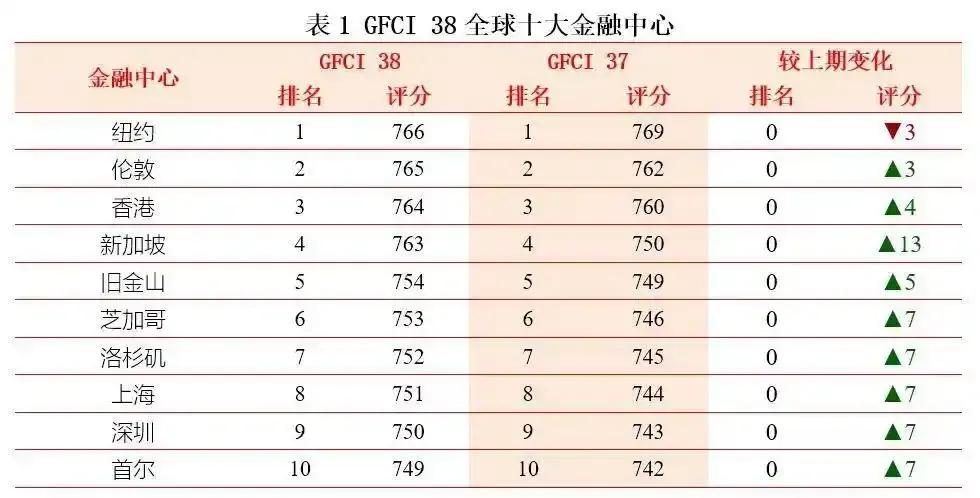
Image source: Mobile China Network
Hong Kong Financial Secretary Paul Chan said, "The key to the improvement in Hong Kong's business in 2023 lies in the strong performance of private banking and wealth management businesses, which is supported by professional talent."
Furthermore, to attract more wealthy individuals and capital to set up family offices in Hong Kong, the city is also focusing on the crucial issue of tax rates. Fang Zhanguang, Global President of InvestHK Family Office, stated, "Hong Kong's tax system is simple, convenient, and has low rates, with no sales tax, capital gains tax, or inheritance tax."
In May 2023, the Legislative Council of the Hong Kong Special Administrative Region passed the "Family Office Tax Incentives Bill," which formally introduced the "Qualified Family Investment Holding Vehicle" (FIHV) system. This means that as long as family offices meet certain conditions, the investment profits of Hong Kong family offices can be tax-free in Hong Kong.
The introduction of the tax exemption policy provides tax certainty for investment holding vehicles owned by high-net-worth individuals and their family members in Hong Kong, and also reflects Hong Kong's determination to develop family offices and attract international capital.
Despite ongoing geopolitical noise, Wall Street and London's "old money" still value Hong Kong's status as a super-connector between China and the world. Capital is profit-driven; when Chinese assets are attractively valued and Hong Kong provides the most convenient gateway, they will vote with their feet.
Hong Kong's wealth creation myth
When choosing a location to place their funds, international billionaires primarily consider three factors: taxation, regulation, and security.
While wealthy individuals invest in Hong Kong to preserve and increase their wealth, Hong Kong is also creating a large number of new wealthy individuals, a significant advantage over Singapore. This is because Hong Kong is not only an international financial center but also a unique "super connector" linking the mainland and global financial markets, possessing a position that is difficult for other cities to replace.
In particular, Hong Kong Chief Executive John Lee's fourth Policy Address mentioned that Hong Kong is making every effort to develop into an international innovation and technology center.
Hong Kong has its own ambitions in developing technology.
In late 2022, the Hong Kong government released the "Hong Kong Science and Technology Innovation Development Blueprint" and allocated HK$10 billion to establish the "Innovation and Technology Industry Guidance Fund". By the end of 2024, the number of startups in Hong Kong had reached 4,694, a 40% increase compared to 2020.
In the fintech sector, Hong Kong is actively attracting financial capital and technology companies from mainland China. On May 6, 2025, the Hong Kong Securities and Futures Commission and the Hong Kong Stock Exchange issued a joint announcement formally launching the "Technology Enterprise Dedicated Line" to help specialized technology companies achieve rapid listing.
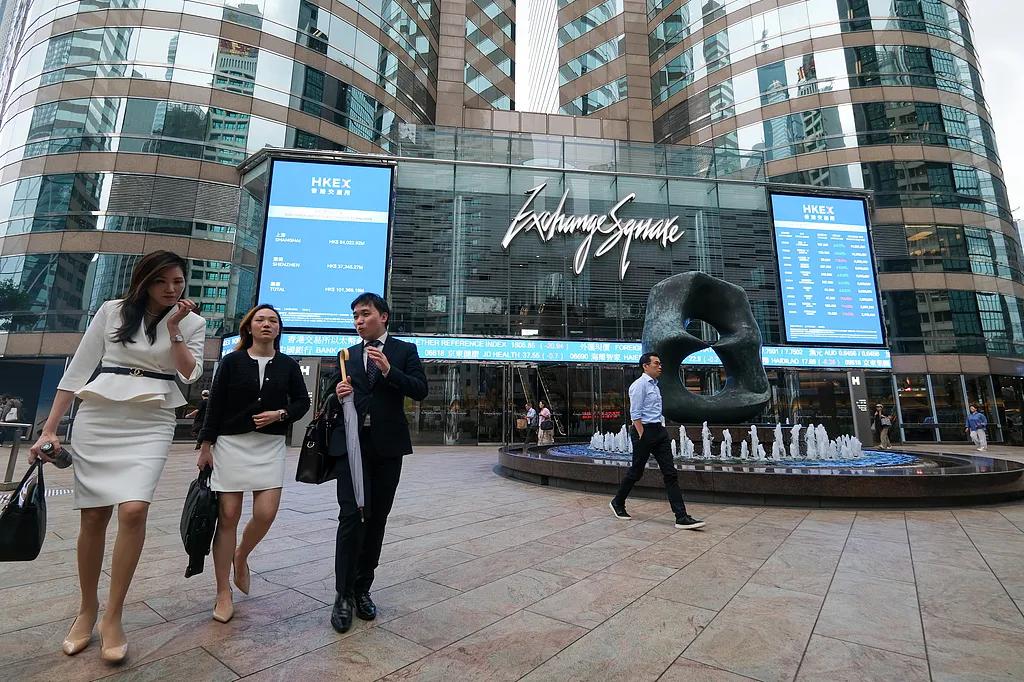
The Hong Kong Securities and Futures Commission and the Hong Kong Stock Exchange announced the launch of a "dedicated line for technology companies".
As of December 2025, four companies, including WeRide, DeepTech, and CloudMinds, had successfully listed in Hong Kong through this rule. Furthermore, over 20 robotics and AI technology companies have submitted listing applications to the Hong Kong Stock Exchange.
In addition, a series of policies introduced by the mainland, such as simplifying the IPO process for A-share listed companies in Hong Kong, have given Hong Kong a natural advantage over other financial centers in attracting returning capital.
In 2025, Hong Kong's IPO market saw a strong rebound. The Hong Kong Stock Exchange listed 114 new stocks, raising HK$286.3 billion, surpassing Nasdaq's HK$205.2 billion to become the world's largest IPO market.
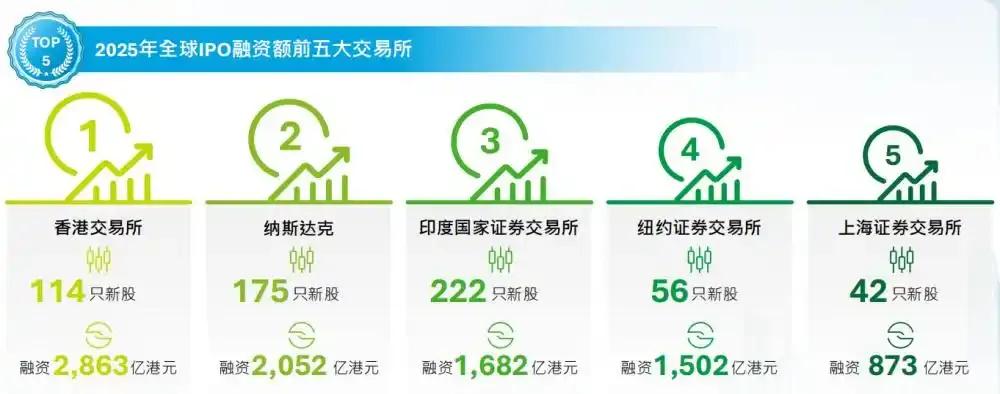
Image source: Deloitte China Capital Markets Services
Eight of the new listings raised more than HK$10 billion each. Compared to only one HK$10 billion project in 2024, the intensive debut of eight mega-IPOs this year fully demonstrates the attractiveness of Hong Kong stocks to large global companies.
In addition, the activity in the Hong Kong stock market has attracted a large amount of capital from the mainland.
As of November 10, southbound capital inflows into Hong Kong stocks exceeded HK$5 trillion; as of November 19, net inflows into Hong Kong stocks this year surpassed HK$1.34 trillion and continue to grow.
It's worth noting that it's not just wealthy mainlanders returning to Hong Kong. With the Federal Reserve cutting interest rates, the constantly changing US dollar interest rate environment, and the attraction of Hong Kong stock valuation reassessment, more and more international funds are choosing to flow back to Hong Kong, and the investment amount and proportion of foreign cornerstone investors are also continuously rising.
As of June 30, 2025, foreign cornerstone investors accounted for 45.2% of companies listed in Hong Kong IPOs. In 2023, this figure was only 33.2%. The proportion of capital from overseas continues to increase.
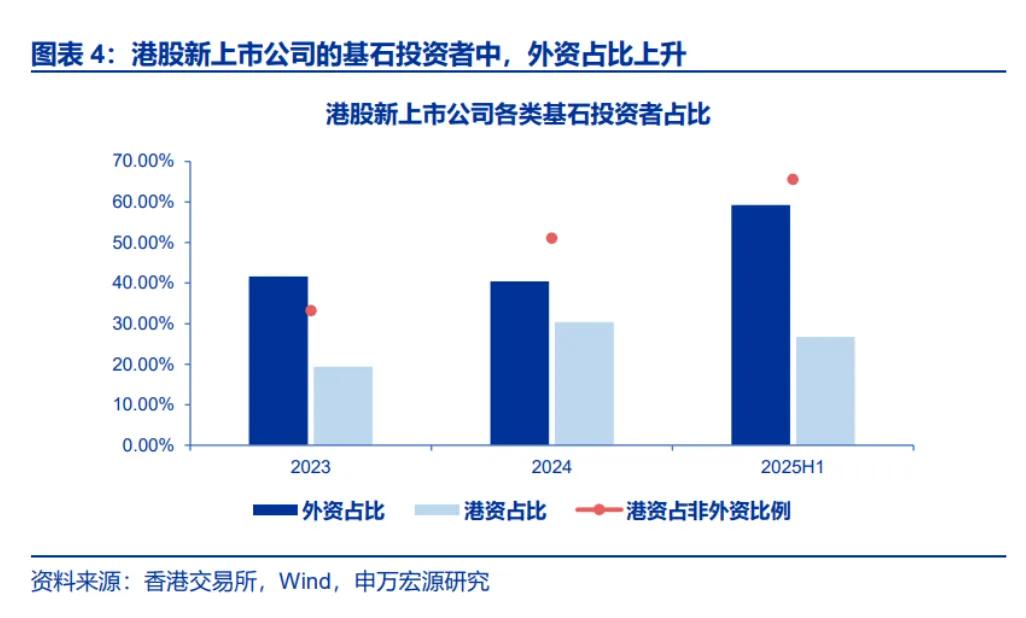
Image source: Wall Street News
Capital never sleeps, always chasing the channel of least resistance. The migration of high-net-worth individuals is essentially a matter of risk diversification and opportunity capture. No matter how Singapore optimizes its new policies, how Hong Kong consolidates its hub status, or how Dubai expands its tax advantages, this game will not end.
Only by continuously innovating and balancing compliance and efficiency can Asian financial centers retain wealth. In the future, whoever can offer the best combination of certainty, privacy, and returns will prevail. The competition between Hong Kong and Singapore will continue to define the next decade of Asian wealth.