On January 2nd, the US stock and cryptocurrency markets opened the new year with a divergence. The Dow Jones Industrial Average rose 0.66%, driven by the energy and industrial sectors, while the Nasdaq dipped slightly by 0.03%, and Tesla fell 2.59%. At the same time, Bitcoin rebounded above $90,900, and Ethereum surged to $3,150, driven by expectations surrounding the implementation of the Crypto Clarity Act, scheduled for a vote on January 15th.
Funds are shifting from cloud technology stocks to the real economy.
After the tech stock frenzy of 2025, investor sentiment shifted significantly in the first quarter of the new year, with traditional energy and industrial companies benefiting from the Trump administration's infrastructure and re-industrialization policies and being seen as defensive options with "real cash flow".
On the first trading day of the year, the energy sector rose 2.09% and industrials rose 1.88%, propelling the Dow Jones to a new high of 48,382.39 points. Analysts pointed out that lower price-to-earnings ratios and certain dividend growth make these stocks more attractive in a high-interest-rate environment.
Tech giants face profit-taking
In contrast, the Nasdaq's performance at the beginning of the year was lackluster. Tesla faced a series of sell-offs due to weaker-than-expected fourth-quarter 2025 delivery figures, ultimately declining 2.59%. Cloud software and platform services also continued to adjust, with funds flowing into the hardware supply chain. According to the Associated Press , Micron surged 10%, and Nvidia rose 1%. This indicates that GPU and HBM orders driven by generative AI over the past year remain strong, and the hardware cycle is not yet over.
Crypto assets are seeing policy-driven trading.
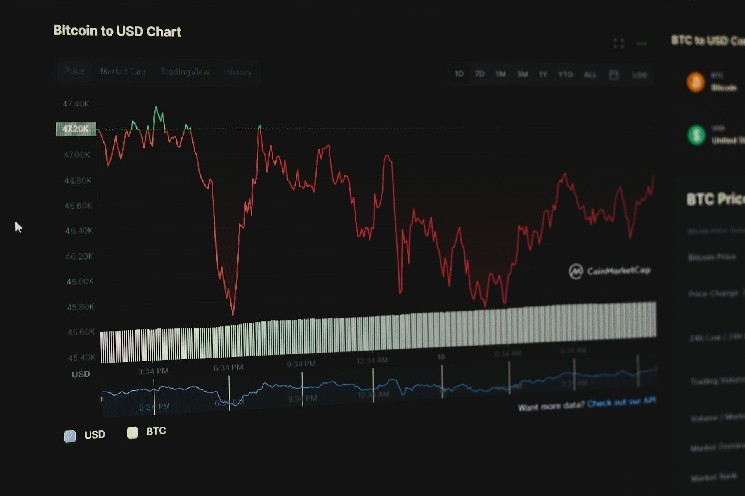
The cryptocurrency market was volatile and uninteresting in December, but Bitcoin broke through $88,500 yesterday and held steady above $90,000, with bulls starting to discuss the "new threshold" of $100,000.
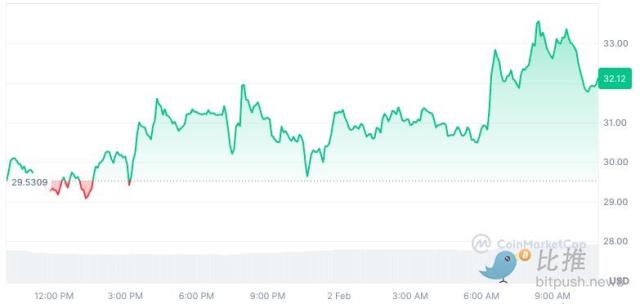
After Ethereum stabilized at $3,000, exchanges observed a reduction in selling pressure from large investors. Market focus is now on the US Congress's vote on the Clarity Act on January 15th. If passed, this bill will provide a clear framework for token classification and tax determination, potentially prompting institutional funds to position themselves in advance.
Cryptocurrency stocks performed well, with BitMine surging 14.88% and Coinbase rising 4.59% driven by its "Exchange for Everything" initiative.
Macroeconomic risks are not easy to digest
While the market is optimistic that the S&P 500 index could reach 7,000 points, three variables are weighing on the market in the short term. The first is the slow progress of US government budget negotiations. If the risk of a shutdown increases, federal procurement will be delayed.
Second, whether the December core inflation rate falls short of expectations will determine the Federal Reserve's pace of interest rate cuts in the second half of the year. Finally, Trump may impose tariffs on some imported goods, dampening confidence in global supply chains. Market estimates suggest that if supply chain disruptions exceed two weeks, the quarterly GDP growth rate could decline by 0.3 percentage points. These uncertainties cause funds to move rapidly between different stock categories, increasing volatility.
On the other hand, Chinese concept stocks rebounded technically after a year of suppression. Baidu's stock price surged 15% in a single day following news that it would spin off its AI chip subsidiary and raise funds in Hong Kong.