


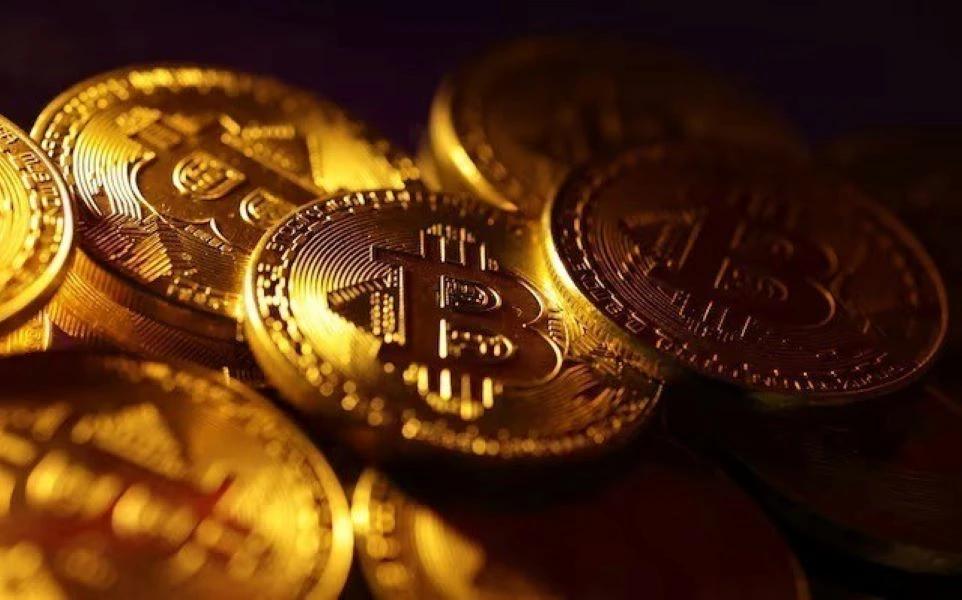
 Bitcoin started 2025 with great enthusiasm, continuously setting new highs and at one point reaching over $126,000. However, by the end of the year, Bitcoin had fallen by about 5%, far behind the more than 16% increase of the S&P 500 index.
The early days of 2026 brought more positive signals for the market's largest cryptocurrency, as the price of Bitcoin rebounded and surpassed the $90,000 mark. But the question is: can Bitcoin return to its previous peak, or even set new highs in 2026?
Why Bitcoin might recover this year
2025 was a disappointing year for Bitcoin. It marked the first decline since 2022, when the financial markets plummeted, causing Bitcoin to lose 65% of its value. While the decline was significantly less severe last year, it still showed signs of growing investor concern about Bitcoin's overvaluation.
On the positive side, sometimes just one strong catalyst can boost Bitcoin's price. For example, the announcement of a new Federal Reserve chairman later this year, especially one who is open to cutting interest rates, could be a factor that makes investors more optimistic about Bitcoin in the short term.
Previously, President Donald Trump 's pro-Bitcoin stance, along with favorable government policies, contributed to Bitcoin reaching its peak last year. The White House announced the establishment of a Bitcoin reserve, and if the government continues to accumulate Bitcoin, this could be one of the drivers supporting the price this year.
What could curb Bitcoin's rise in 2026?
Even if government policies remain supportive of the crypto market in 2026, the economy and stock markets as a whole still face significant risks. These factors could negatively impact individual investor sentiment and reduce demand for risky assets like Bitcoin. The US unemployment rate reached 4.6% in November – the highest since 2021.
The Bitcoin price drop at the end of last year also showed that the cryptocurrency is not the "safe haven asset" that many had expected. While gold continued to rise in price, Bitcoin failed to maintain its upward momentum, indicating that investors tend to XEM Bitcoin more as a speculative asset than a store of value or an inflation hedge.
This means that, if economic conditions do not improve this year, Bitcoin may struggle to break out strongly, even if the government maintains a positive stance towards the crypto market in general.
Should you add Bitcoin to your investment portfolio?
Over the past five years, Bitcoin's value has increased by approximately 175%. However, with a market Capital of nearly $1.9 trillion – significantly higher than the second-largest cryptocurrency, Ethereum ($381 billion) – many investors are beginning to question whether Bitcoin is becoming too expensive. As concerns about valuation increase, the possibility of a further downward correction in Bitcoin this year cannot be ruled out.
Despite extremely optimistic predictions suggesting Bitcoin could reach over $1 million in the future, placing complete faith in such assumptions carries significant risks. Essentially, it remains a highly speculative investment with no sustainable competitive advantage. Bitcoin is currently the world's most popular cryptocurrency, but that doesn't guarantee this position will last forever.
Bitcoin comes with significant risks, especially given its already high valuation. The author believes Bitcoin is unlikely to return to its previous peaks this year. While it has delivered impressive returns in the past, many investors have also suffered heavy losses due to its volatile and unpredictable nature. In this context, a safer option might be investing in growth stocks rather than risking a highly volatile asset like Bitcoin.





