Elon Musk is suing OpenAI and Microsoft, a move that highlights a massive financial dispute and raises questions about intellectual property rights in AI.
Musk is demanding $134 billion from OpenAI and Microsoft.
Billionaire Elon Musk, founder of Tesla and SpaceX, has filed a lawsuit against OpenAI and Microsoft. He alleges that these two companies have reaped enormous profits from AI technology without Chia their legitimate rights with him.

Mr. Musk is seeking up to $134 billion. This is a huge sum, reflecting the seriousness of the allegations of "unjustified profits" that he has made.
According to the lawsuit, the Tesla CEO alleges that OpenAI deviated from its original mission of developing AI for the common good of humanity. Instead, the company collaborated closely with Microsoft to commercialize the technology, causing him harm.
South Korea says US chip tariffs have limited impact.
South Korean Trade Minister Yeo Han-koo said the 25% tariff recently imposed by the U.S. on some high-end AI chips will have a limited impact in the short term. He emphasized that the initial measures mainly target products from Nvidia and AMD, while memory chips – a major South Korean export – have not yet been affected.
However, Yeo warned that there is still no room for complacency, as the U.S. could expand its scope to other types of chips in the next phase. The South Korean government will continue to cooperate with the industry to mitigate risks and protect the interests of domestic businesses.
This move is part of Washington's efforts to boost domestic semiconductor production and reduce reliance on supplies from Asia. Additionally, the US Commerce Department warned that South Korean and Taiwanese companies that do not invest in the US could face tariffs of up to 100%.
ASUS continues to sell the RTX 5070 Ti.
ASUS has officially confirmed that it will not discontinue sales of its GeForce RTX 5070 Ti and RTX 5060 Ti 16GB graphics cards, after previously announcing they were "end-of-life." The company stated that initial information received by some media outlets was incomplete and affirmed that these products remain in its business plans.
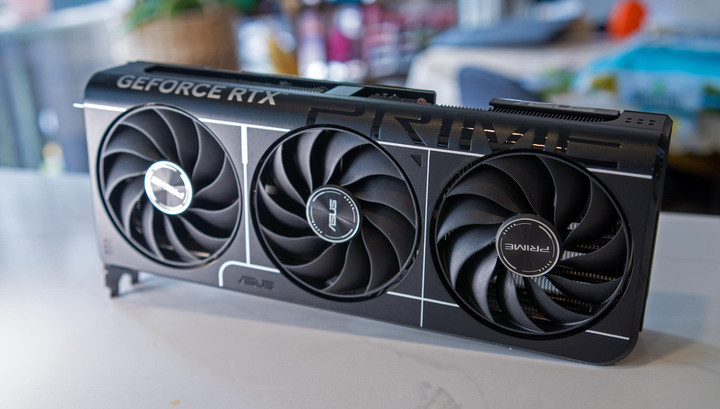
According to ASUS, the recent product shortages are primarily due to a lack of memory supply, impacting production and inventory. Therefore, difficulty in sourcing in some markets does not mean a halt to production or support. ASUS is committed to continuing its collaboration with partners to stabilize supply in the future.
However, retailers say that purchasing an RTX 5070 Ti is now nearly "impossible" at least until the first quarter of 2026. The sharp increase in memory prices due to AI demand has driven up GPU costs, causing frustration among the gaming community. This is XEM as a major challenge facing ASUS and other component manufacturers.