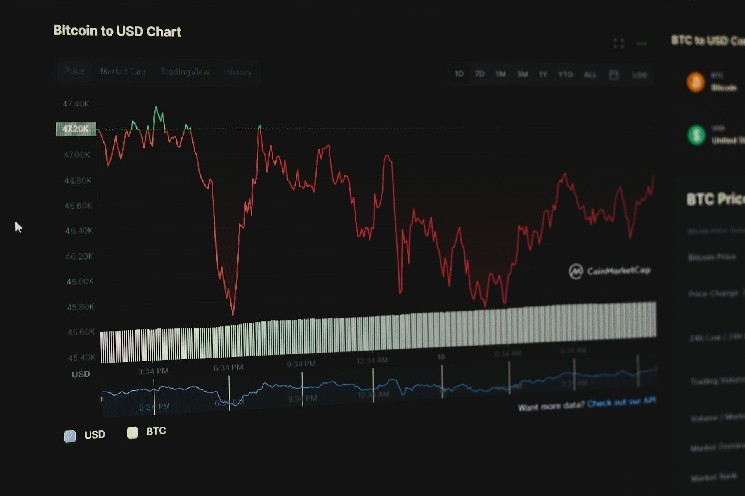
On February 7th, Bitcoin experienced its worst weekly drop in over three years. But for some die-hard crypto enthusiasts, and even the biggest and most well-known bulls, the worst part was that they didn't know the exact reason for the crash.
Michael Novogratz, head of crypto commercial bank and trading firm Galaxy Digital, said there are many theories about the market for this sell-off, ranging from investors shifting to prediction markets and other high-risk bets to widespread profit-taking after a bull market, with no clear trigger.
The following are some of the mainstream analyses currently being used in the market:
New trends are emerging: prediction markets, gold, silver, artificial intelligence, and so-called meme stocks are all vying for traders' attention, diverting focus from cryptocurrencies. In the past, Bitcoin was the consensus choice with asymmetric advantages; now, with artificial intelligence, prediction markets, and many other areas available for speculation, the future is bright.
• Potential for increased supply: Wall Street is attempting to capitalize on the cryptocurrency boom by launching Bitcoin ETFs, tokenized products, and derivatives. While their surge may not affect the absolute quantity of tokens like Bitcoin and Ethereum, some investors believe their emergence diminishes Bitcoin's appeal as a scarce asset. Some analysts argue that by introducing ETFs and complex derivatives, Wall Street is allowing investors to bet on Bitcoin prices without actually buying or holding the actual tokens.
• New regulatory expectations: Some investors speculate that Kevin Warsh, Trump's nominee for the next Federal Reserve chairman, may have contributed to the decline in cryptocurrency prices. Warsh is considered more hawkish on using interest rates to curb inflation and is more supportive of a strong dollar. Higher interest rates and a stronger dollar typically harm alternative assets such as gold and cryptocurrencies, reducing their appeal to investors.
The Clarity Act stalls: The Clarity Act, currently under discussion, aims to establish a clear regulatory framework for the booming industry. However, disputes between trading platforms and traditional banks have stalled this momentum. Without this measure, many financial companies are hesitant to integrate digital assets into their operations. Unless a compromise is reached, this conflict could deprive the cryptocurrency market of a catalyst that could have continued its upward trend.
• Simple profit-taking: Novogratz and some other investors believe the sell-off was largely driven by investors eager to lock in profits. These profits were accumulated amid the FOMO (fear of missing out) surrounding the 2024 election of Trump and his promise to make the US the world's cryptocurrency capital, coinciding with the rise of Bitcoin, Ethereum, and other digital tokens.
Some analysts believe this Crypto Winter may thaw faster than previous ones. No key companies have collapsed or faced charges, which triggered crises of confidence in past crashes. For believers, Friday's rally reinforces their belief that cryptocurrencies always bounce back, partly why they remain invested. "The infrastructure is stronger, stablecoin adoption continues to grow, and institutional interest hasn't disappeared, it's just temporarily on hold," said Jasper De Maere, a strategist at crypto trading firm Wintermute, adding that interest in these investments "could return very soon."