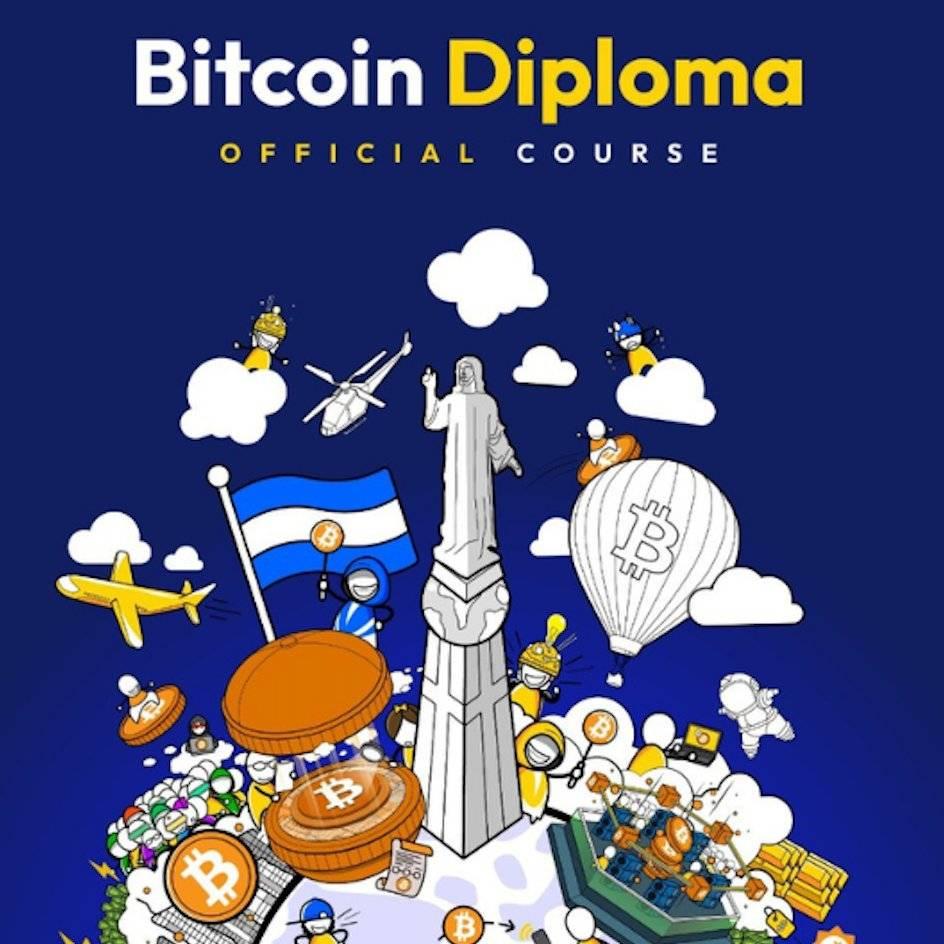
Recently, the National Bitcoin Office of El Salvador officially launched the new version of the Bitcoin Diploma 2.0 program, which is comprehensively improved compared to the previous version. The first printed copies of the program will be distributed to the education system, with plans for simultaneous implementation in public schools starting in 2026.
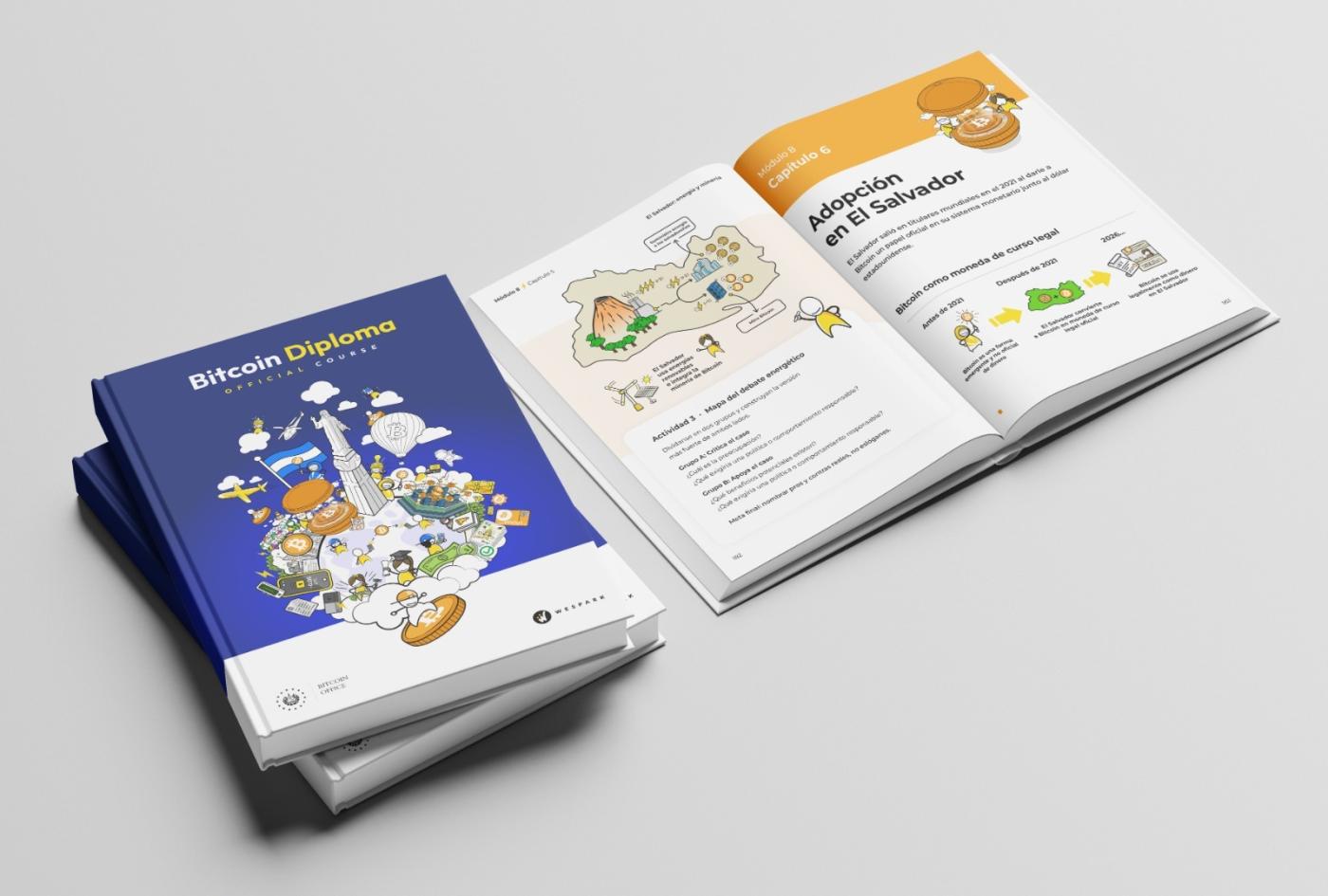
According to Stacy Herbert , Director of the National Bitcoin Office, the new program is built upon the "What Is Money" curriculum, helping Salvadoran students understand Bitcoin and basic financial concepts. Unlike the previous version, Bitcoin Diploma 2.0 focuses more on visual tools, using animation, simulations, and case studies to explain complex concepts such as the Lightning Network , the mechanism of money issuance, and the Vai of scarcity in currency design.
In addition, the program includes interactive exercises that require students to design their own monetary models, aiming to help learners better understand monetary policy, money supply, and market dynamics. The program was developed in collaboration with partners in the educational technology industry.
In addition to developing curricula, the National Bitcoin Office is expanding its physical presence by establishing training centers across the country. The newest facility has opened in the town of Panchimalco , Apopa, with plans to expand to more training locations in the future. This initiative is seen as a symbol of "true independence and genuine sovereignty" on the ground.
El Salvador was the first country to recognize Bitcoin as legal tender in 2021, after Congress passed legislation supported by President Nayib Bukele . This policy was promoted as a solution to promote financial inclusion, expand access to banking for citizens, and attract foreign investment. However, after the number of Salvadorans owning Lightning wallets surpassed the number of those with traditional bank accounts in 2022, the policy began to face significant opposition, particularly regarding Bitcoin's price volatility and the environmental impact of mining.
Financial pressure from international organizations has forced the Salvadoran government to adjust its policies. By 2024, El Salvador had agreed to temporarily halt Bitcoin purchases as part of a $1.4 billion loan agreement with the IMF .
In 2025, the government officially abolished Bitcoin's fiat currency status, after studies showed that its use within the community remained limited. However, the launch of the Bitcoin Diploma 2.0 is a move to maintain El Salvador's image as a "Bitcoin nation" in a more moderate way, aiming to build awareness and technological capacity rather than promoting the use of cryptocurrencies in daily life.
Although the use of Bitcoin in payments has decreased significantly compared to the 2021-2022 period, El Salvador's new strategy also reflects a trend towards expanding technology education initiatives, from artificial intelligence to digital skills , suggesting that the Salvadoran government is seeking to place Bitcoin within the broader context of the knowledge economy.