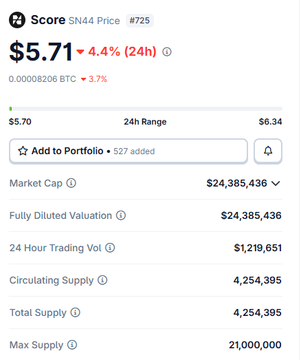
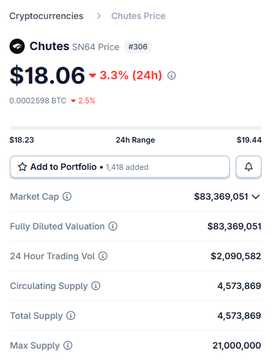
Let's compare TAO vs its subnet tokens: TAO (Base Layer): Market cap: $1.5B+ Revenue: $0 Yield source: 100% inflation Business model: Infrastructure hope Subnet Tokens (Chutes, SCORE, etc): Combined market cap: 27% of TAO (growing) Revenue: $8.5M+ ARR combined Yield source: Actual revenue Business model: Real products, real clients The pattern is clear: Value flows where revenue flows. TAO stakers earn inflation. Subnet holders own revenue-generating products. Here's why this matters: Traditional crypto playbook: 'Base layer captures all value' (ETH > apps) Bittensor reality: Subnets capture revenue, TAO captures nothing. This isn't Ethereum, where L1 fees accrue to ETH. This is a modular AI network where each subnet is independent, and TAO has no value capture mechanism. Halving won't fix this. You can reduce inflation all you want, but if revenue flows to subnets and TAO gets $0, you're still holding an inflationary token with no cash flow. If you're bullish on Bittensor AI infrastructure → buy the subnets. If you're holding TAO → you're betting on tokenomics change, not that the current model works.

From Twitter
Disclaimer: The content above is only the author's opinion which does not represent any position of Followin, and is not intended as, and shall not be understood or construed as, investment advice from Followin.
Like
Add to Favorites
Comments
Share
Relevant content