The GENIUS Act would exclude stablecoins from FDIC insurance and prohibit issuers from claiming insurance.
);)
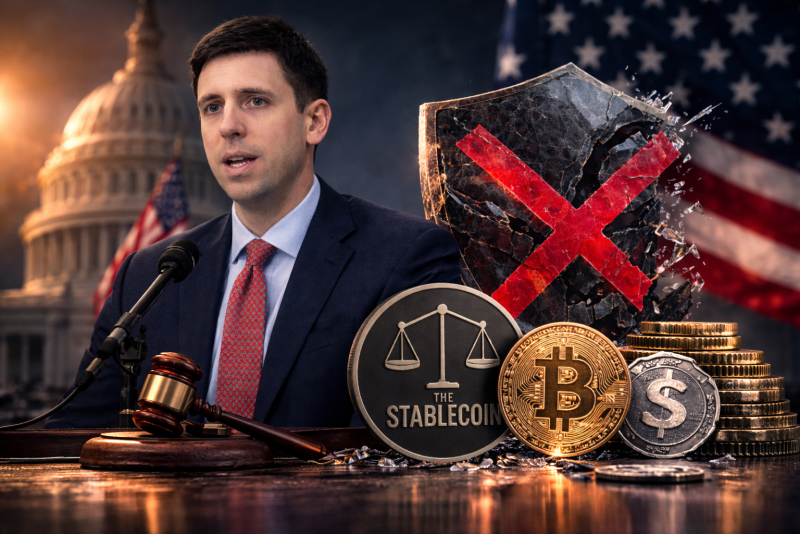
In a speech at the American Bankers Association (ABA) Washington Summit, FDIC Chairman Travis Hill explained that the FDIC would not have the authority to guarantee the funds of stablecoin holders even after the GENIUS Act takes effect. He stated that the bill does not allow for government guarantees of stablecoin deposits.
Chairman Hill also stated that stablecoin issuers will be prohibited from claiming that their digital assets are FDIC-insurable. He also explained that "pass-through insurance" through third parties is also prohibited.
Pass-through insurance refers to a structure whereby the FDIC protects deposits based on the interests of stablecoin holders in the event of the bank holding the stablecoin reserve failing. Chairman Hill stated that this type of insurance would not be possible under the GENIUS Act.
The GENIUS Act, passed by the US Congress and signed into law by President Donald Trump in July, establishes a regulatory framework for payment stablecoins in the US.
The bill will take full effect approximately 18 months after it is signed, or 120 days after the FDIC and the U.S. Treasury finalize relevant regulations.
Although FDIC insurance does not apply, stablecoin issuers are expected to fully back dollar-pegged coins with reserves. This structure maintains the value of stablecoins through fiat currency reserves.
Meanwhile, the US Congress is continuing discussions on additional legislation related to stablecoin regulation. The Senate is currently deliberating on a market structure bill that addresses stablecoin revenue structures, tokenized stocks, and conflicts of interest issues.
The American Bankers Association has stated that one of its policy priorities this year is to prevent payment stablecoins from expanding into financial products that replace bank deposits. The association also advocates limiting the structures that allow stablecoins to provide interest or rewards, regardless of the platform.
The White House also held several meetings with cryptocurrency industry officials this year to discuss the direction of stablecoin regulation. However, no specific legislative schedule has been finalized.
Reporter Jeong Ha-yeon yomwork8824@blockstreet.co.kr