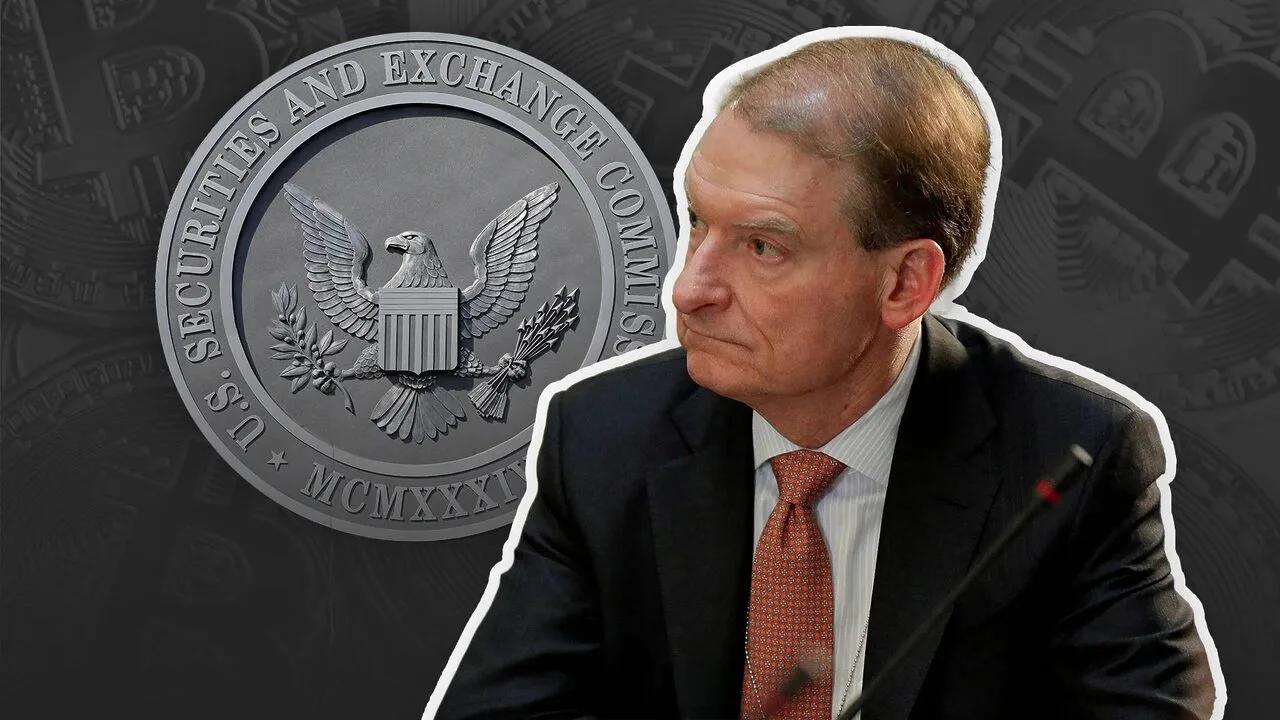
 The chairman of the U.S. Securities and Exchange Commission (SEC), Paul Atkins , has just made a major shift in the crypto market by announcing a new interpretation of federal securities law. This move clarifies the Capital boundaries that have been debated for years: which blockchain assets are XEM securities and which are not.
In his speech at the DC Blockchain Summit, Atkins asserted, "The SEC's long-standing lack of clarity on this issue has ended." Notably, under the new classification, major assets such as Bitcoin , Ethereum , Solana , and XRP are XEM digital commodities, rather than securities.
This is XEM as a major victory for the crypto industry, which has long argued that Token should not be regulated like traditional securities. Previously, under former Chairman Gary Gensler , the SEC pursued a tough stance, tightening regulation and frequently treating many crypto assets as securities.
Since taking office, Atkins has reversed this policy, bringing the SEC closer to the industry's perspective. However, the big question is: how long will this "easier breathing" last?
Atkins' term extends until 2031, but a future leader could completely reverse the current approach. He himself acknowledges that the only way to ensure long-term stability is to enshrine these regulations in law and pass them through Congress.
However, this outlook remains uncertain. Upcoming midterm elections could plunge Congress into a stalemate, especially if the Democrats – who are generally more cautious about crypto – regain control. This could slow down or even halt the passage of crucial legislation such as the Clarity Act.
According to predictions from the Polymarket platform, the likelihood of this bill being signed into law in 2026 is only about 63%. Even if it is passed, it is not certain that the final content will fully align with the SEC's current direction.
Nevertheless, industry representatives remain optimistic. Cody Carbone, leader of the advocacy organization The Digital Chamber , said signals from lawmakers indicate a high degree of consensus with the SEC's new approach.
In Congress, senators are also pushing for a more complete legal framework for digital assets. Senator Cynthia Lummis emphasized, “We’ve come too far to return to a time of legal uncertainty. Digital assets are the future, and it’s time for America to create the conditions for them to flourish.”
In summary, while the SEC has delivered the clarity the market has long awaited, the future of the crypto regulatory framework in the US still largely depends on political factors and the ability of Congress to reach a consensus in the coming years.