Circle CEO Jeremy Allaire responded to concerns that USDC could be used as a crypto transit fee by Iran in the Strait of Hormuz.
Allaire Chia his thoughts on this matter at a press conference in Seoul on the afternoon of April 13, 2024, attended by Oihyun Kim, Editor-in-Chief of BeInCrypto East Asia. This week, Allaire traveled to South Korea to meet with exchanges, banks, and regulatory bodies.
Fees in the Strait of Hormuz: 'Unlikely' with USDC
A reporter asked whether the Iranian Revolutionary Guard Corps would accept USDC as a transit fee in the Strait of Hormuz. Mr. Allaire rejected the idea.
"Circle operates a very strict compliance system," he Chia .
He also stated that the company always works closely with law enforcement and regulatory agencies regarding sanctions.
Allaire cited studies from the United Nations and judicial investigative units, showing that sanctioned organizations often prefer other stablecoins over USDC. However, he did not specify which Token .
"The likelihood that a sanctioned government would choose an option where assets can be easily frozen almost immediately is very low," he added.
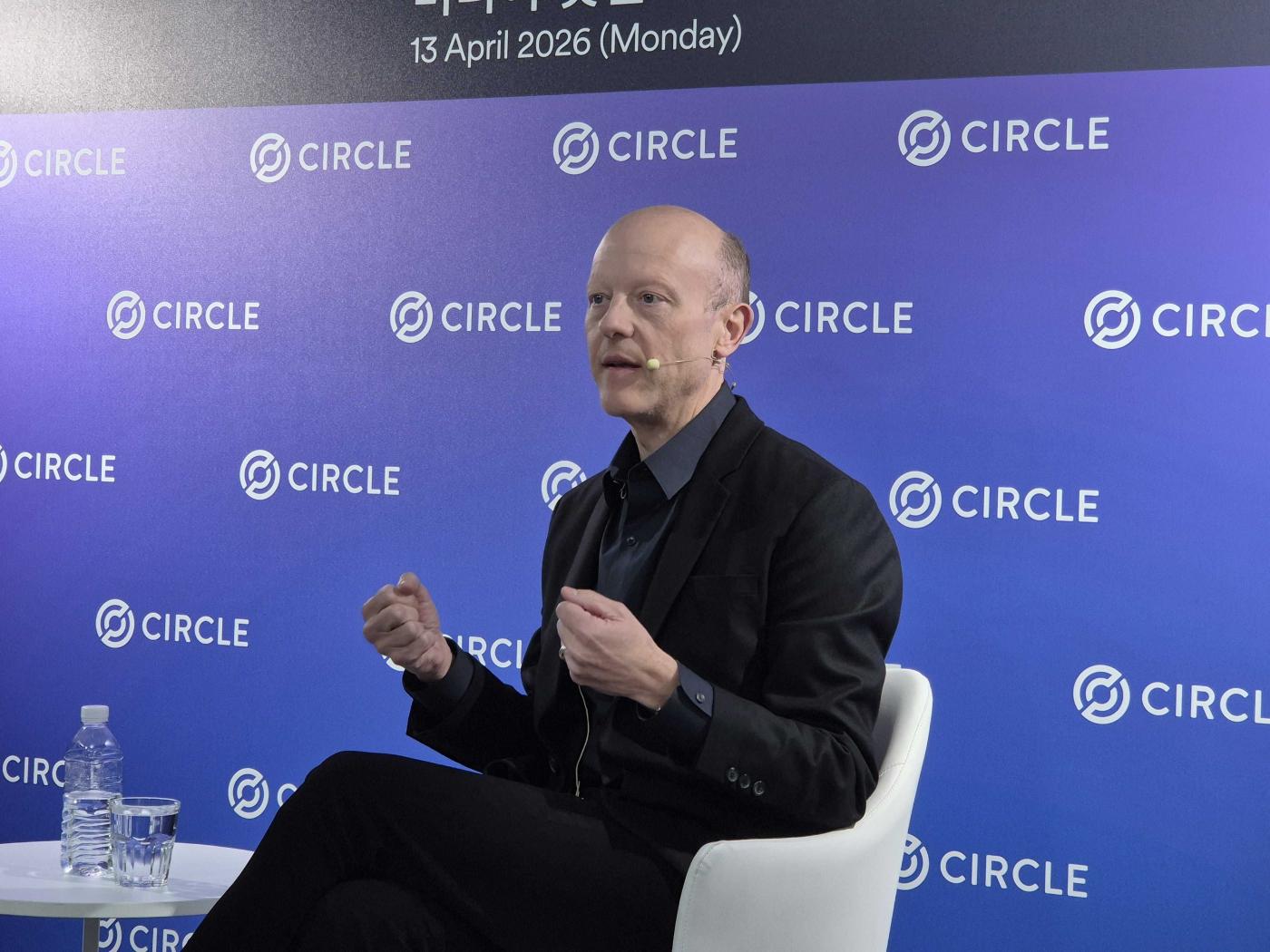 Circle CEO Jeremy Allaire at a press conference in Seoul. Source: BeInCrypto
Drift hack: Circle explains why the freeze wasn't stopped in time.
The April 1st, 2024, Drift Protocol vulnerability exploit, which resulted in a loss of $285 million, drew heavy criticism for Circle . Hackers transferred over $230 million worth of stolen USDC from Solana to Ethereum within six hours, and Circle did not take any action to freeze the funds during this time.
Allaire stated that the company is obligated to comply with strict legal regulations. Circle can only freeze wallets upon official request from authorities or the court.
"We don't have the right to decide what is right," he said. He also warned that allowing private businesses to make such decisions would create a "very complicated ethical situation."
He acknowledged that there are still loopholes in the current legal process. Circle is proposing the addition of “safe harbors” provisions to the CLARITY Act , allowing issuers to freeze assets before receiving instructions from authorities in exceptionally serious cases.
"We need that to be legalized, not done arbitrarily," he emphasized.
Clarity Bill: Interest-free moratorium won't trouble Circle
Allaire also explained the proposed ban on paying interest on stablecoin holdings in the CLARITY Act. If the bill is passed, platforms would be prohibited from paying interest simply because users hold stablecoins on their service.
He stated that this regulation does not actually affect Circle. The GENIUS Act bill had already prevented stablecoin issuers from paying interest to holders.
Conversely, the affected parties will be exchanges and e-wallets. They will still be allowed to reward specific user activities, but will not be permitted to promote owning stablecoins like depositing money to earn interest at a bank.
Allaire argues that the debate over interest rates is being overhyped. He believes that the vast majority of retail investors worldwide holding stablecoins do not receive any interest. Of the total global M2 money supply of $120 trillion, about half is either cash or in non-interest-bearing accounts.
Visit to South Korea: Meeting with exchanges, banks, and regulators.
Allaire spent several days in Seoul meeting with major exchanges, financial institutions, and regulators. On the same day, two major exchanges, Upbit (operated by Dunamu) and Bithumb , signed memoranda of Mnemonics (MOU) with Circle. He also met with representatives from Shinhan, Hana, and the KB financial group. Allaire stated that Circle currently has no intention of issuing its own stablecoin Peg to the South Korean won.
According to South Korean law, only domestic banking alliances can undertake the Vai of issuing this stablecoin. Circle will primarily provide technological solutions and technical support to local issuers.