Bloomberg has published its list of the 20 richest families in Asia in 2026, with a combined net worth of $647 billion, reflecting a trend of investing in AI and infrastructure.
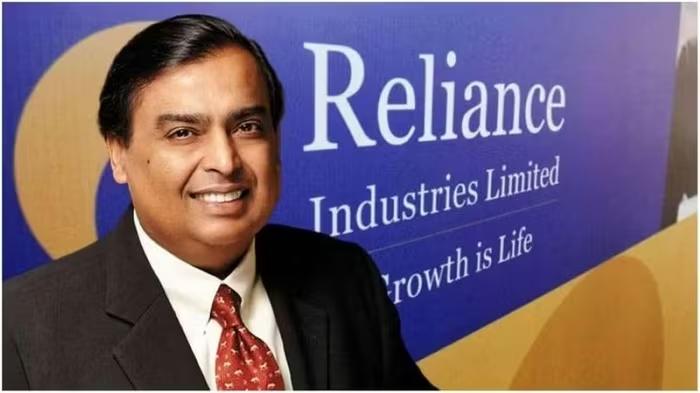 Mukesh Ambani, owner of Reliance Industries, is Asia's richest man with a net worth of $89.7 billion. Photo: Getty.
Bloomberg The list of "Asia's 2026 Richest Families" has just been released, with a total net worth of $647 billion, a 16% increase from the previous year. This increase partly reflects the benefits to industries driven by the AI wave, as well as the recovery of the Hong Kong real estate market.
The only Taiwanese family on the list is the Tsai family – the founders of Cathay Life, with a net worth of $34.3 billion, ranking sixth in the region.
Ranking structure by country and region: Among the top 10 richest families, India and Hong Kong At most, each place has 5 clans; Thailand has 3, South Korea has 2; China, Indonesia, Malaysia and Singapore each have 1.
WHO AI is changing the structure of wealth. Bloomberg reports that the AI wave is causing "family empires" in Asia to get rich quickly. However, they are not directly developing AI, but mainly providing the foundation for AI such as metals, chips, and infrastructure. This shows that AI is not only creating new wealthy individuals but also reshaping the existing wealth structure.
The top 10 richest families in Asia include:
Leading the list is the Ambani family (India), owners of Reliance Industries; with total assets of $89.7 billion.
Secondly, the Kwok family in Hong Kong – owners of the Sun Hung Kai real estate group – have total assets of $50.2 billion (a significant increase from 5th place last year).
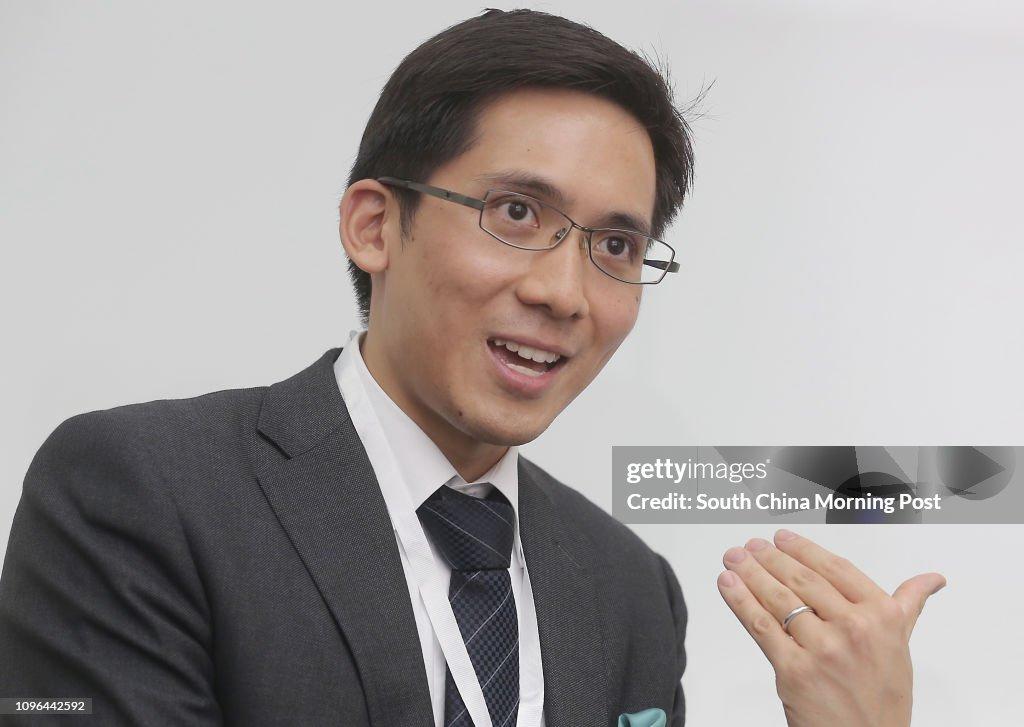 Kwok Kai-wang, Chairman of Sun Hung Kee Real Estate Group, is from the second wealthiest family in Asia. Photo: Getty.
Thirdly, the Lee Jae-yong family (South Korea) is the owner. Samsung Group with $45.5 billion (Samsung shares surged over 250% thanks to the AI wave).
Fourth, the Chearavanont family (Thailand), owners of CP Group, have assets worth $44.8 billion.
Fifth, the Zhang family (China), owners of Weiqiao Group, have assets worth $44.7 billion. This is a diversified conglomerate with businesses spanning basic metals, high-grade aluminum, textiles, printing and dyeing, home textiles, and power generation. The company's stock price surged nearly 200% last year, driven by investor optimism about the prospects of aluminum, a key material for artificial intelligence (AI) infrastructure.
On Friday, the Tsai family of Taiwan (China), owners of Cathay Life Insurance Company, had assets of $34.3 billion (up 11% year-on-year); Bloomberg reported that after the Tsai family Chia , the group became Cathay Tsai and Fubon Tsai, two of Taiwan's largest financial companies, with businesses also expanding into real estate and telecommunications.
Ranked from 7th to 10th are: the Yoovidhya family (Thailand), founders of the Red B Group; the Hartono family (Indonesia), owners of the PT Djarum tobacco company and Bank Central Asia; the Mistry family (India), owners of the Shapoorji Pallonji Group architectural firm; and the Jindal family (India), owners of OP Jindal Group.
General trend
Investments in artificial intelligence (AI), coupled with a recovery in the Hong Kong real estate market, have boosted the combined wealth of Asia's 20 richest families by 16% to $647 billion. This is not only the highest total wealth since the Bloomberg Billionaires Index first listed Asia's wealthiest families in 2019, but also the largest annual increase, even amidst market turmoil stemming from the US-Iran conflict and global stock market corrections.
Tillerman, a professor at Singapore's IMD Business School, said that "governments are becoming more nationalistic," and "they want data centers and manufacturing capabilities located within their borders, and these families are well-positioned to do that."