The U.S. State Department said the companies provided satellite imagery that helped Tehran target American forces in the Middle East.
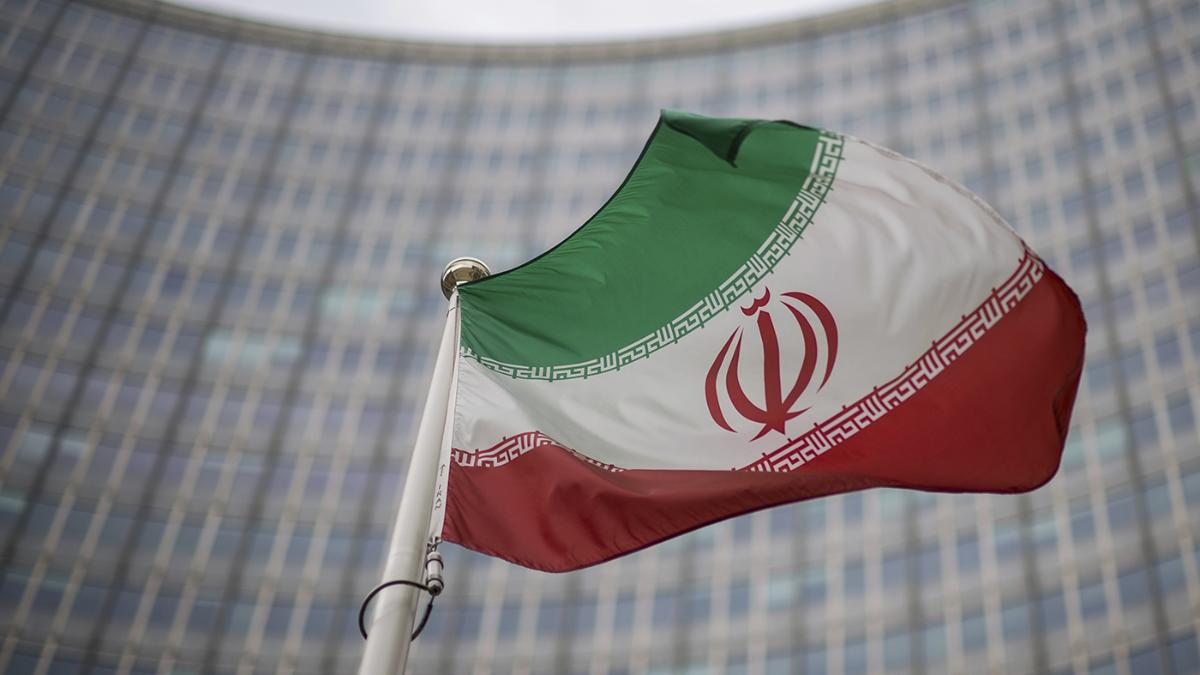
The United States has imposed sanctions on three Chinese commercial satellite firms, accusing them of supporting Iran by supplying satellite imagery. The move was announced just days before U.S. President Donald Trump’s planned visit to China.
According to the State Department, Washington sanctioned four entities in total — including three Chinese companies — for allegedly providing satellite data that enabled Iran to carry out attacks against U.S. forces in the Middle East. Among them is The Earth Eye, a company that operates satellite ground stations and is accused of supplying imagery to Tehran.
The other two Chinese firms are MizarVision, a geospatial intelligence provider, and Chang Guang Satellite Technology, a commercial satellite imaging company. U.S. officials claim that during Operation Epic Fury, a U.S. military campaign targeting Iran, Chang Guang Satellite Technology supported Tehran by providing images of U.S. and allied military facilities in the region.
A report by the Financial Times in April said that Iran’s Islamic Revolutionary Guard Corps (IRGC) had acquired a satellite built by The Earth Eye and launched it into orbit. The satellite reportedly helped Tehran identify U.S. military installations during the conflict.
According to the report, coordinate lists, timestamps, satellite imagery, and orbital analysis indicate that Iranian commanders tasked the satellite with monitoring key U.S. military locations. In some cases, surveillance occurred just days before those sites were attacked.
Documents obtained by the Financial Times also suggest that the IRGC had access to satellite ground stations operated by Emposat, a Beijing-based company providing satellite control and data services with a global network.
The outlet had previously reported that Chang Guang Satellite Technology supplied satellite imagery to Iran-backed Houthi forces in Yemen, helping them target U.S. warships in the Red Sea.
“Sanctions are intended to hold China-based entities accountable for supporting Iran. The United States will use all available authorities to impose consequences on individuals and entities in third countries that support Iran’s military and defense industrial base,” Secretary of State Marco Rubio said in a statement.
The fourth sanctioned entity is Iran’s Ministry of Defense Export Center, which oversees defense-related exports. The organization had already been sanctioned by both the U.S. and the United Nations Security Council.
The sanctions were announced just ahead of Trump’s upcoming state visit to China. He is expected to depart Washington on Tuesday (May 12) for Beijing.
During a summit with Chinese President Xi Jinping, both sides are expected to discuss the situation in Iran, including tensions surrounding the Strait of Hormuz. This will be their second in-person meeting since Trump returned to the White House last year.
In recent weeks, Washington has urged Beijing to increase pressure on Tehran to help secure a more durable ceasefire, following five weeks of large-scale U.S. strikes on Iran.
The U.S. has also expanded sanctions targeting Chinese entities accused of supporting Iran. On May 8, the Treasury Department sanctioned 10 individuals and companies across multiple regions for allegedly helping Iran procure weapons, drone components, and materials for its ballistic missile program. Some of these firms are based in China or Hong Kong, including Yushita Shanghai International Trade, AE International Trade, HK Hesin Industry, Mustad Limited, and Hitex Insulation Ningbo.
Earlier, on April 24, the Treasury also sanctioned China’s Hengli Petrochemical (Dalian) Refinery for allegedly purchasing large volumes of Iranian oil. Hengli is considered one of the largest buyers of Iranian crude in China and is part of the country’s “teapot” refineries — smaller, privately owned facilities that operate independently from state-owned oil giants. Five other Chinese teapot refineries were also sanctioned.