1. Core provisions of the 309-page draft: Stablecoins, DeFi, and regulatory boundaries
The Senate Banking Committee released a 309-page final draft of the CLARITY Act on May 12, adding 31 pages to the 278-page draft in January. Key revisions include: formally incorporating the Tillis-Alsobrooks stablecoin yield compromise framework—prohibiting the payment of deposit-like interest on passively held stablecoin balances, but retaining the space for rewards linked to "bona fide activities"; adding cybersecurity and compliance standards for centralized intermediaries interacting with DeFi protocols; and explicitly protecting open-source software developers and peer-to-peer transactions, resolving ambiguities in earlier drafts that could have included individual developers in regulatory responsibility. Coinbase Global, Inc. (NASDAQ: $COIN) and Circle have both publicly supported this compromise framework, joining over 100 crypto companies in endorsing it—the most direct political support the industry has provided for the smooth progress of markups in the final stages.
2. The Differentiated Impact of Three Markup Results on Circle
Polymarket currently prices the probability of the CLARITY Act passing in 2026 at around 62% , down from nearly 80% after the stablecoin compromise was reached in early May. This reflects, in part, the uncertainty surrounding the final push from the banking sector. The committee is composed of 13 Republicans and 11 Democrats, with all 13 Republican votes required for its passage. The key swing vote is Senator John Kennedy (Louisiana), whose stance is unrelated to crypto policy and is currently the biggest procedural variable. For Circle, the three possible outcomes correspond to three valuation paths: If it passes cleanly (the banking amendment is rejected, but the legislative framework remains unchanged), the USDC activity incentive clause will gain legal anchoring, and the $CRCL valuation will shift from a "regulatory uncertainty discount" to a "compliance premium." Coupled with ARC Token's $3 billion valuation and ecosystem expansion narrative, the valuation restructuring potential is the greatest. If it passes with amendments (the amendment to narrow the scope of activity incentives in the banking sector is approved), Circle's USDC reward sharing model will be compressed, but the legal framework will remain established, and the discount narrowing will be limited. If the markup is pulled or delayed , Senators Lummis and Moreno have both warned that this will postpone the next feasible legislative window until 2030, and the $CRCL's structural discount will continue throughout the year.
3. According to media reports citing a Citigroup analyst: The $143,000 target for BTC is directly linked to the Clarity Act.
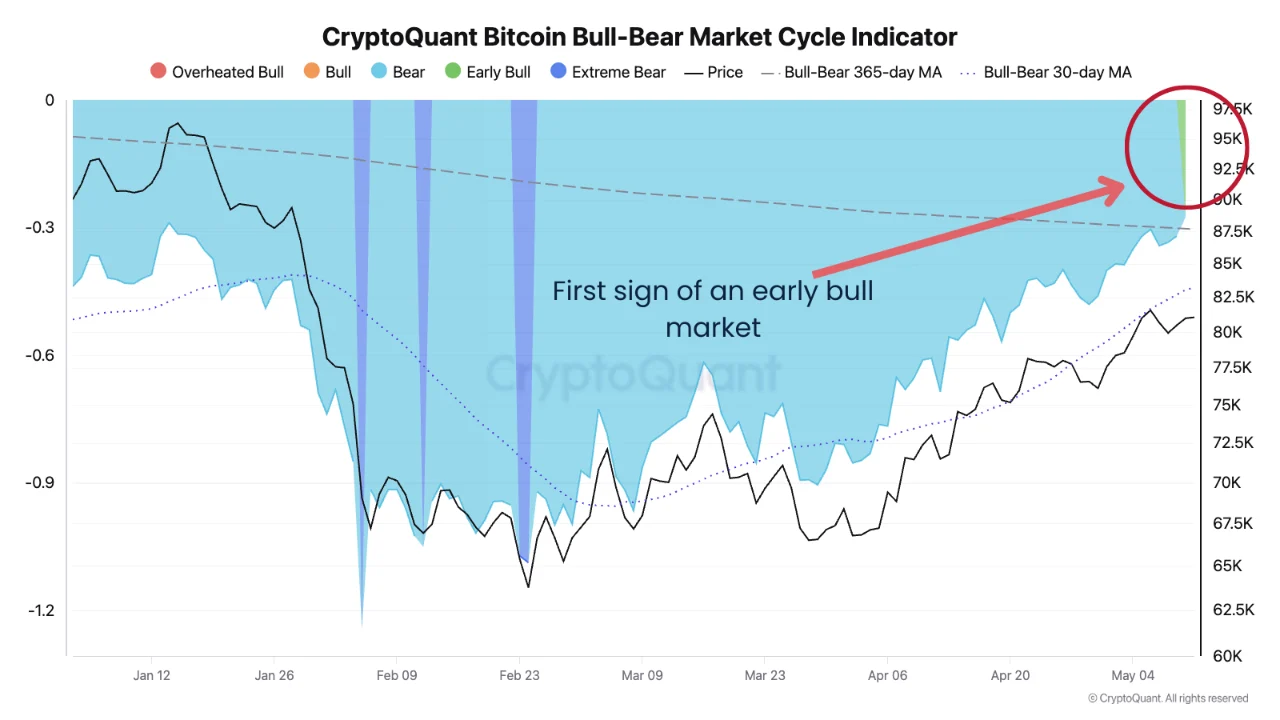
According to a report by Citigroup analysts cited by Disruption Banking, Citigroup directly links its 2026 base scenario target price of $143,000 for Bitcoin to the passage of the Clarity Act. It anticipates that the act's passage will trigger an additional net inflow of approximately $15 billion into Bitcoin spot ETFs. The logic behind this prediction is that the Clarity Act establishes BTC's federal legal status as a digital commodity, providing regulatory bodies such as pension funds and insurance companies, which had previously shelved their crypto investments due to legal uncertainty, with a clear compliance basis for including Bitcoin ETFs in their portfolios. This transmission chain also applies to crypto concept stocks: the systemic influx of institutional funds will simultaneously drive up assets under management, Coinbase's institutional custody revenue, and the usage of Circle USDC in the institutional settlement layer, forming a positive feedback loop of regulatory clarity → capital inflow → improved fundamentals. The results of tomorrow's markup will directly determine whether this transmission chain can be initiated in 2026.
Tomorrow marks the peak of the crypto legislation race this year.
Tomorrow (May 14th) at 10:30 ET, the Senate Banking Committee markup will officially begin. The public can watch the entire process live through the committee's website and C-SPAN. Given the urgency, if the bill fails to pass the committee before the Memorial Day recess on May 21st, the entire process will be effectively reset, significantly narrowing the legislative window to 2026. The White House's July 4th target requires the markup to pass tomorrow, followed by a full Senate vote in June, and then bicameral reconciliation—a timeline that is extremely tight but technically feasible. For investors holding crypto-related stocks, tomorrow is not a recommended window for frequent trading—the markup process could last several hours, and the outcome of the substantive amendments is highly uncertain. A more reasonable framework is to use the markup results as a directional input for Q2 position adjustments, rather than a single-day trading signal. Circle is reaching this legislative milestone after Q1 USDC on-chain transaction volume increased by 263% and the ARC Token pre-sale of $222 million was completed. The dual driving forces of fundamentals and policy expectations are in place, and tomorrow's markup results will determine whether these two wheels can turn in sync.
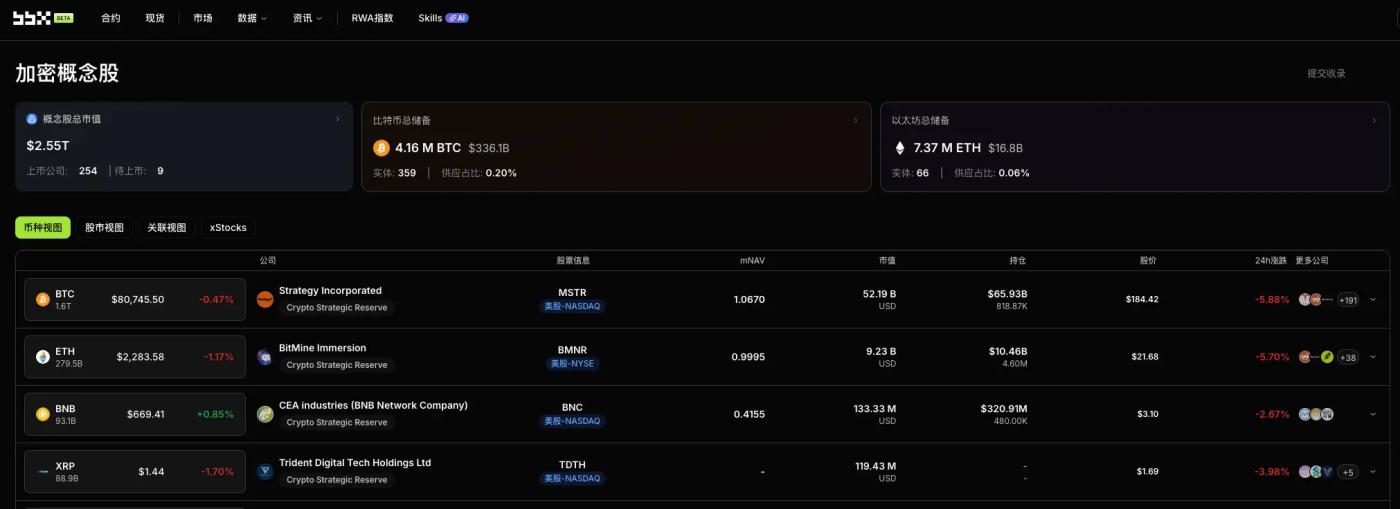
Data source: https://bbx.com/crypto concept stock information database, compiled based on yesterday's announcements from global listed companies and SEC/TSE disclosure documents.