Author: @giantcutie666
The world’s two largest traditional exchanges—CME (Chicago Mercantile Exchange) and ICE (Intercontinental Exchange, the parent company of the NYSE)—joined forces to file complaints with the U.S. Congress and the CFTC, demanding stricter regulation of the crypto derivatives platform Hyperliquid.
Hyperliquid is a decentralized exchange (DEX), according to the version of the Clarity Act released by the Senate yesterday (
It originally kept to itself separate from traditional exchanges, mainly dealing with cryptocurrency contracts.
However, in October of last year, a feature called HIP-3 was launched—allowing people to trade contracts for traditional assets such as oil and stocks directly on the blockchain.
In late February, the US and Israel joined forces to attack Iran, and they mainly stirred up trouble on weekends!
Here's the problem—traditional futures markets are closed on weekends.
And so this enormous fortune flowed to Hyperliquid...
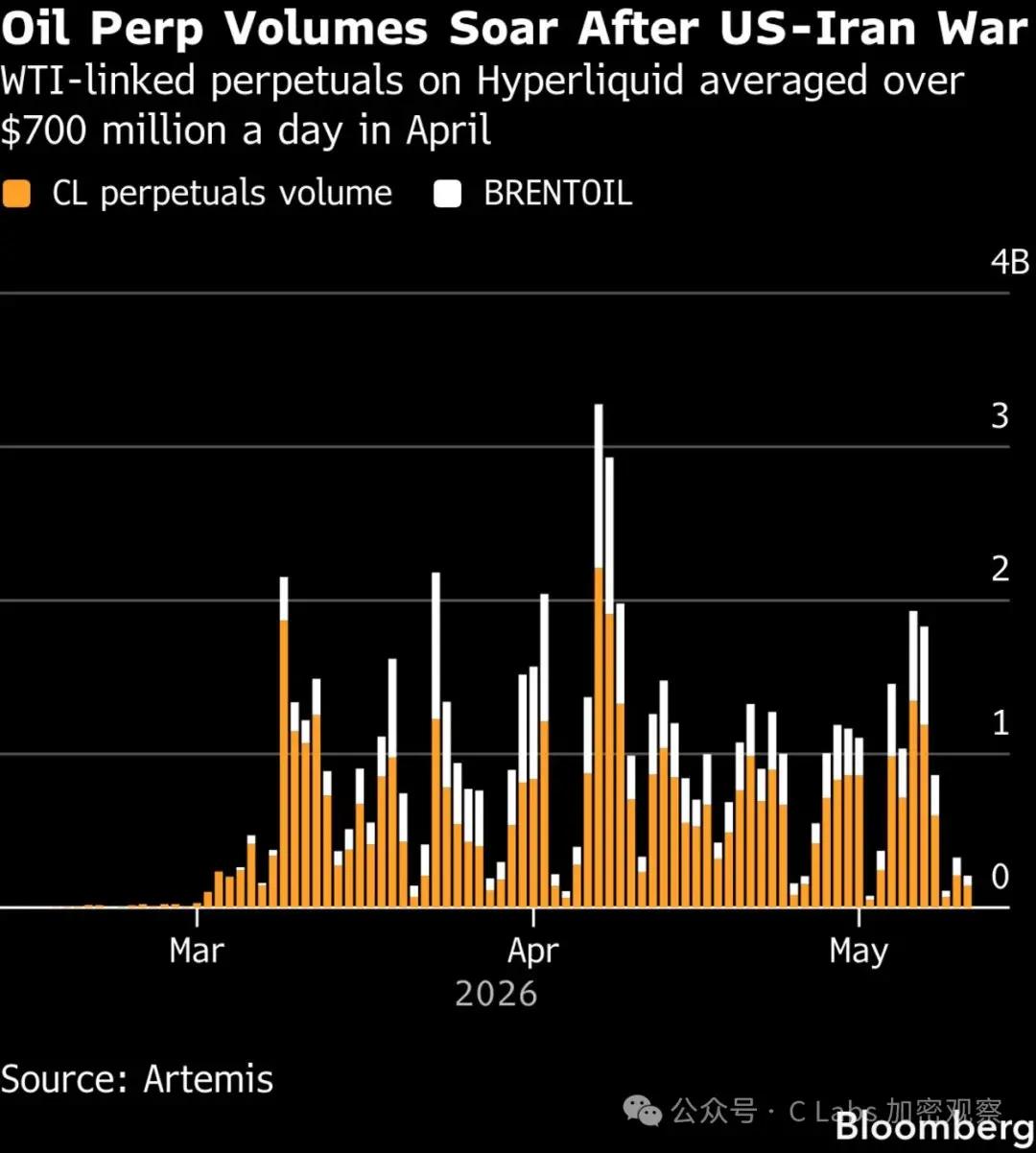
Before the conflict with Iran, Hyperliquid's daily oil contract trading volume was only a few million US dollars.
After the conflict broke out, this number soared to an average of $700 million per day, with a peak of $1.7 billion in a single day. From the end of February to mid-March, it exceeded $10 billion in total.
CME and ICE each earn more than $5 billion a year from futures trading, while Hyperliquid is expected to earn more than $1 billion this year.
What's even more critical is that Hyperliquid's growth rate far exceeds theirs, and it specifically targets the time slots they neglect—weekends and midnight.
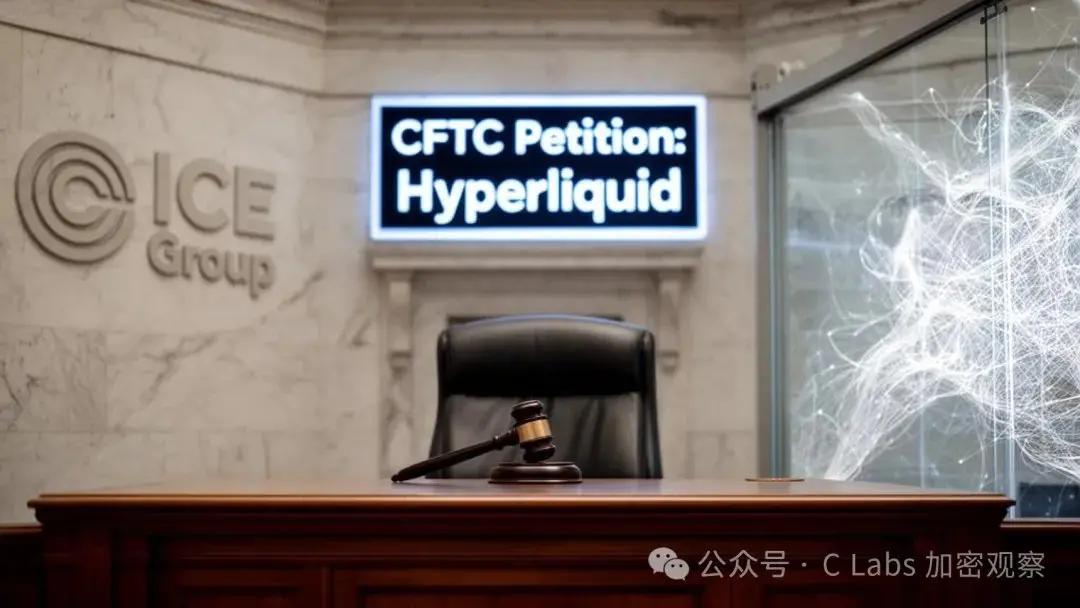
So the two companies joined forces and went to Washington. Their demands were very specific: they wanted Hyperliquid to register with the CFTC, undergo KYC (Know Your Customer) procedures, and accept transaction monitoring.
Hyperliquid attracts global users through anonymous transactions; making it implement KYC completely undermines the product's logic.
CFTC Chairman Michael Selig recently stated that Hyperliquid "may affect prices on our registration platform."
The Trump administration appears to be friendly towards crypto, but this friendliness has its limits: protecting domestic crypto companies (Coinbase, Kraken) is acceptable, but allowing offshore DEXs to steal business from US-regulated exchanges is not.
Hyperliquid itself is also fighting back. In February, it established the Hyperliquid Policy Center and recruited a bunch of lawyers and lobbyists to proactively talk to the CFTC in an effort to secure a differentiated regulatory framework.
However, the chances of winning are probably slim.

Despite its "decentralized" label, Hyperliquid is actually quite fragile—it only has 31 validators, and its funding bridge is managed by a single 3-of-4 multisignature wallet.
If the CFTC really wants to take action, the enforcement path is very clear: given Hyperliquid's current level of decentralization, the CFTC can simply refuse to recognize it as a Dex.
BitMEX, Polymarket, and OOKI DAO were dealt with in the same way back then; the templates were readily available.
If this happens, Hyperliquid will either be forced to compromise, register, or completely withdraw from US user accounts in the future.
HIP-3, a line of oil and stock derivatives, will most likely be incorporated into the existing regulatory framework.