Table of Contents
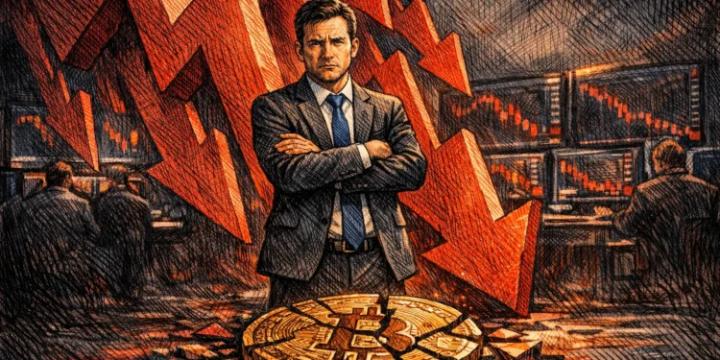
ToggleThe head-on clash between traditional financial giants and cryptocurrency innovation has forced the highly anticipated "Tokenized Stocks" process to a halt.
According to a recent report by Bloomberg , the U.S. Securities and Exchange Commission (SEC) has decided to postpone a program called the "innovation exemption." This program was originally intended to allow cryptocurrency companies and DeFi platforms to issue blockchain tokens that track U.S. publicly traded companies such as Apple and Tesla, enabling 24/7 trading, faster settlement speeds, and fractional ownership.
Wall Street's concerns: Liquidity fragmentation and investor rights
The SEC's concession stemmed primarily from strong backlash from traditional Wall Street exchanges and market participants. The opposition focused on three core issues:
- Liquidity fragmentation: Traditional financial institutions are concerned that if the cryptocurrency token market runs parallel to the traditional stock market, it will severely fragment trading volume, thereby undermining the price discovery mechanism and overall market efficiency of the existing stock market.
- Investor protection blind spots: Many tokenized shares are minted by third-party platforms without the consent of the issuing company (such as Apple). These tokens typically do not grant holders full rights to dividends or shareholder voting rights, posing significant legal and investment risks to retail investors.
- The regulators' cautious approach: Although current SEC Chairman Paul Atkins is known for his relatively friendly stance on cryptocurrencies, the SEC has chosen to pause its efforts and gather extensive market feedback before advancing the framework in the face of immense pressure from the traditional financial sector.
RWA's market capitalization surged by 1,600% after a major boom.
Although the SEC has temporarily suspended the full approval of tokenized US stocks, the macro trend of putting real-world assets (RWA) on the blockchain is already unstoppable.
Data indicates that the total value of the RWA market has now soared to over $33.8 billion , experiencing explosive growth of 1,600% in just two years. The market capitalization of tokenized stocks alone has exceeded $1 billion.
In this wave, Ethereum remains the dominant issuance platform, with Solana following closely behind; while institutional-grade products such as the BUIDL fund launched by asset management giant BlackRock further demonstrate the strong desire and real demand of traditional capital for blockchain technology.
A finalized version is expected to be released later this year.
While the "innovation exemption" program is currently stalled, this does not mean that tokenized stocks have been abandoned. Sources familiar with the matter revealed that the SEC is still actively reviewing the relevant framework and, after attempting to address concerns about investor protection and liquidity diversification, is highly likely to release a more comprehensive regulatory version later this year .
This incident profoundly reflects the inevitable ongoing struggle and growing pains between the disruptive efficiency of decentralized finance (DeFi) and the pursuit of stability in traditional financial markets.

 Related reports