


Oil prices fall sharply this Monday after Trump declared a US-Iran peace deal “now complete” over the weekend, sending Brent crude tumbling below $84 a barrel, its lowest point since early March. The Brent crude oil prices slide also extended Friday losses, when prices dropped from $93 to around $87.50 on deal hopes alone. And while the oil price today looks calmer on the surface, analysts are not rushing to call this the end of the crisis. The crude oil price forecast from most major banks sits well above $100, and the US-Iran oil deal impact on actual physical supply will take months to materialize. Iranian authorities confirmed a 60-day negotiating period for a final agreement covering nuclear issues and sanctions relief, which means the Strait of Hormuz oil risk is far from resolved at the time of writing.
Also Read: West Marine Store Closures May Grow Beyond 59 Stores
Brent Crude Prices, Strait Of Hormuz Risk And Oil Market Outlook
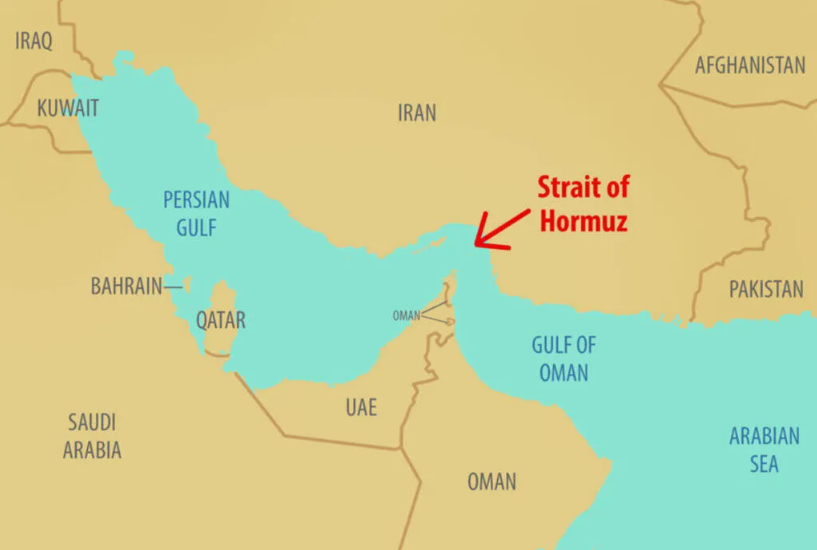
Source: EnergyNow
What Drove The Drop In Oil Prices This Week
Oil prices fall every time a peace signal comes out of Washington, and this week was no different. Brent crude oil prices dropped another 4% Monday morning in Asia-Pacific markets, building on a slide that started Thursday at $93 a barrel. Iran’s Foreign Minister Seyed Abbas Araghchi told reporters that a memorandum of understanding “has never been closer,” and a senior Trump administration official put the probability of signing at around 80%. US Energy Secretary Chris Wright also said ship traffic through the Strait was “rising very meaningfully,” which gave markets another reason to sell.
Still, UBS analysts led by Henri Patricot said there is “little evidence” of any short-term improvement in vessel traffic or actual energy flows through the region, and that crude loadings inside the Gulf remain “extremely low.” The oil price today reflects optimism, not barrels actually moving.
Tony Sycamore, analyst at IG, stated:
“Hard to see crude falling much further from here in the near term.”
Why The Crude Oil Price Forecast Stays Above $100
The Strait of Hormuz oil risk cut off around 14 million barrels per day from global markets since early March, taking out exports from Iraq, Saudi Arabia, the UAE, and Kuwait all at once. Gulf producers managed to reroute about 5 million barrels a day through alternative pipeline hubs, and the US military helped move a further 2 million barrels a day through dark tankers. The International Energy Agency also released emergency reserves at roughly 2.5 million barrels per day to keep things from spiraling. None of that fully plugged the gap, and global inventories now sit near multi-year lows.
Barclays kept its full-year 2026 Brent crude oil price forecast at $100 per barrel and warned that risks lean higher. In a note carried by Reuters, Barclays analysts wrote:
“Inventory trends are signaling a 6-8 million bpd deficit with the U.S. inventories within reach of the lowest levels since 2020. Even if the Strait of Hormuz were to fully open to tanker traffic today, the starting point for inventories, in the most optimistic scenario, would be about 20 million barrels below the tightest level they have been recently.”
JPMorgan also forecast that Brent crude will stay above $100 for the rest of 2026, even if the Strait reopens right now, citing inventory restocking timelines and infrastructure repair needs. The US-Iran oil deal impact, even under an optimistic scenario, plays out slowly.
How Long Before Oil Supply Actually Recovers
Rystad Energy estimated the crisis cut around 1 billion barrels from the market so far. Even a June peace deal, the consultancy said, points to a phased reopening from mid-July at the earliest. Rystad stated:
“Around 85% of lost volumes are expected to be restored by October, with the remaining recovery, dominated by mature fields in Iraq and Kuwait, extending into January 2027. Cumulative supply losses are on track to reach nearly 2bn barrels by year-end, even under this relatively constructive scenario.”
Oil prices fall on headlines, but the structural picture tells a different story. Brent crude oil prices will stay under pressure from depleted inventories and peak summer demand, and the crude oil price forecast from major institutions has not shifted. The US-Iran oil deal impact remains months away from showing up in actual supply, and the Strait of Hormuz oil risk, at the time of writing, is still very much live for the oil price today.


