


1
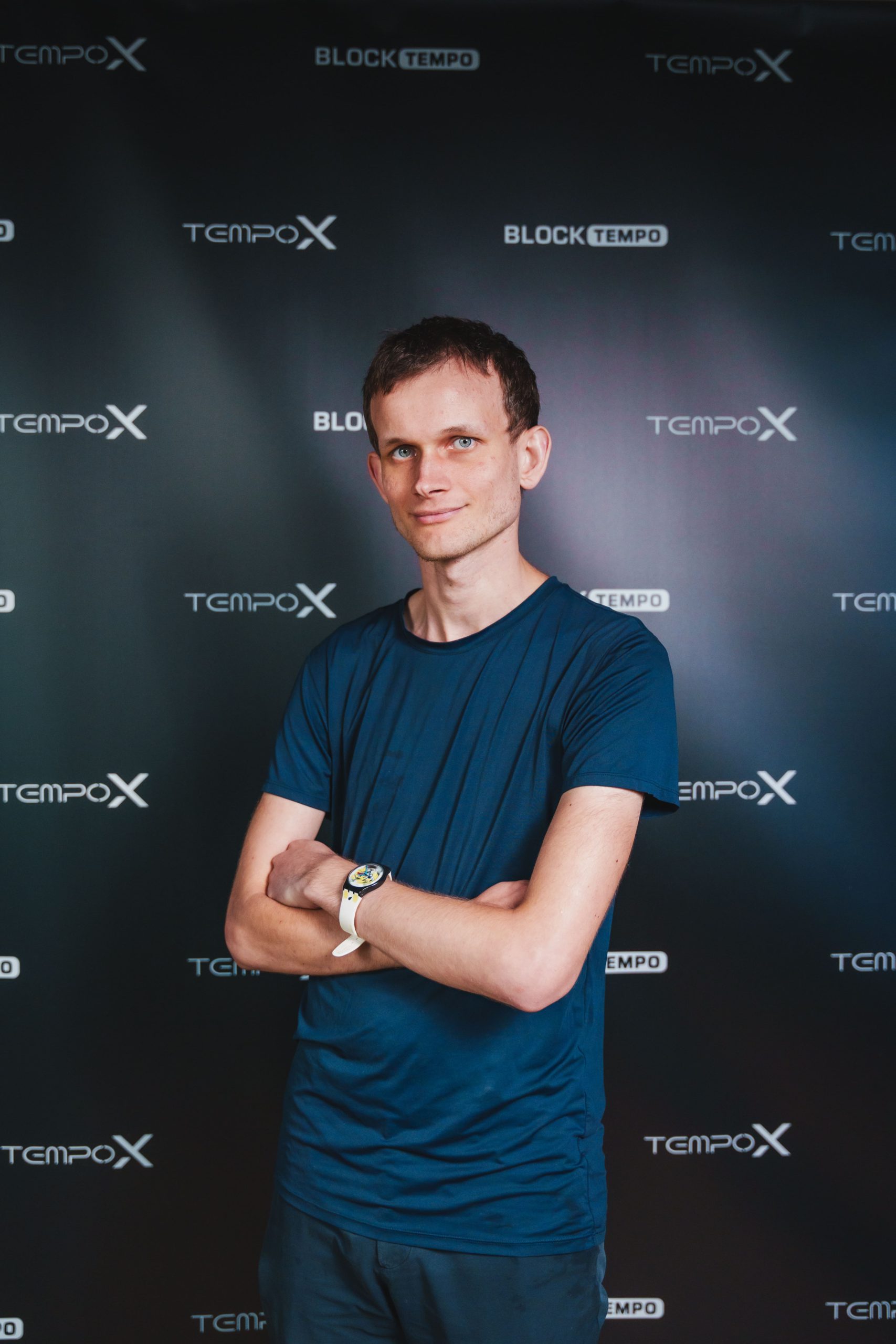
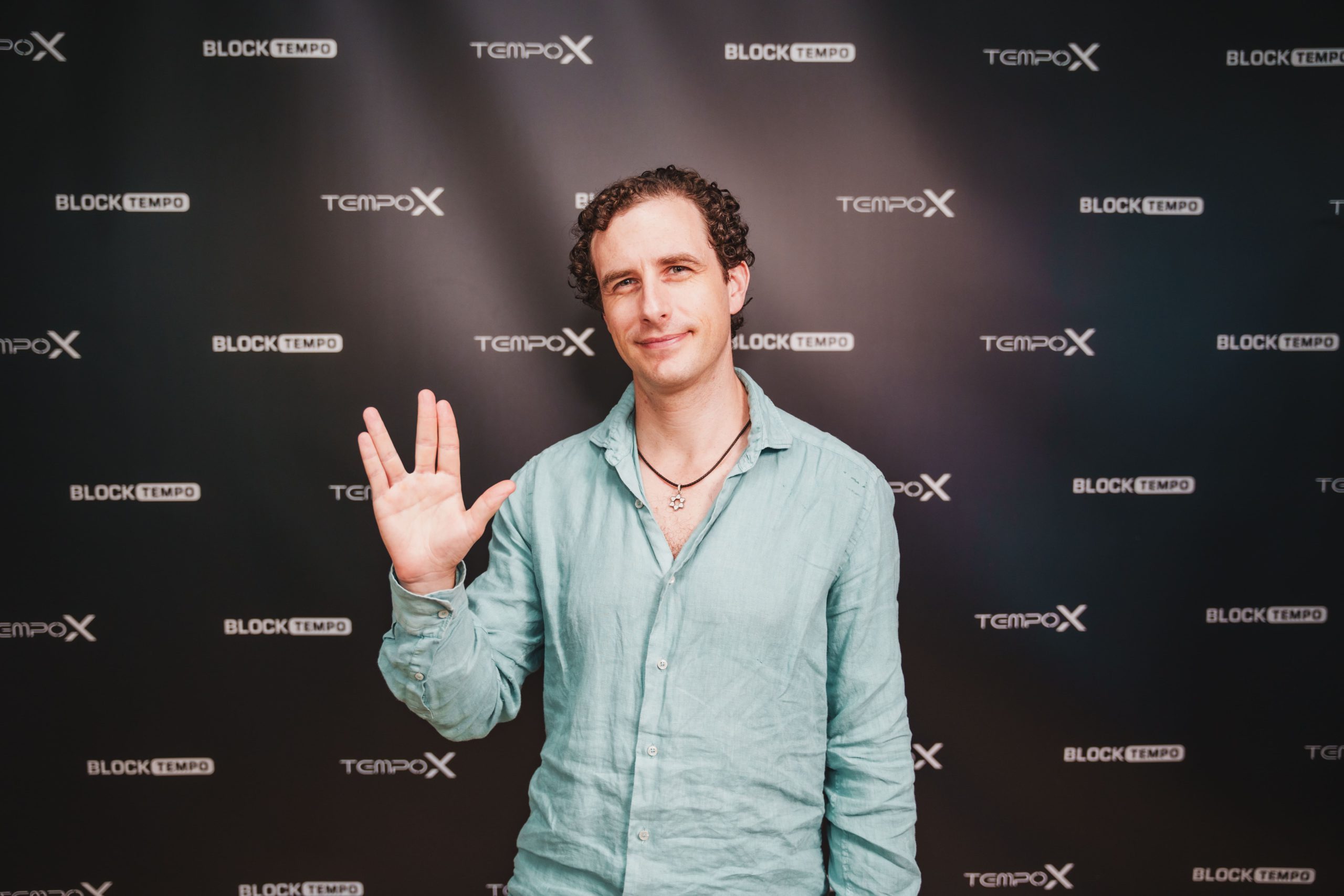
On March 19, Vitalik Buterin, co-founder of Ethereum , and Glen Weyl, a genius professor of economics, visited Taipei’s blockchain innovation accelerator Tempo How can democratic Taiwan’s experience be advanced into the web3 era? ” Lecturer.
On that day, many guests with "Taiwan collaboration experience" were invited to the site to discuss the multiverse (Plurarity), including former Executive Yuan Economic Development Council Chairman Kuan Chung-min, Taiwan Fintech Association Chairman Cai Yuling, MaiCoin Chairman Liu Shiwei, National Taiwan University Capital Engineering professor Liao Shiwei, Kuomintang quasi-legislator Ge Rujun, Taipei District Prosecutor’s Office prosecutor Hong Minchao, etc.;
Guests from the blockchain community include imToken chief scientist Chen Changwu, Ethereum Foundation core member Liang Zhicheng, HackMD founder Wu Chenghan, Mask Network lawyer Chen Jingfang, and machibigbrother.eth, a top contributor to the NFT community.
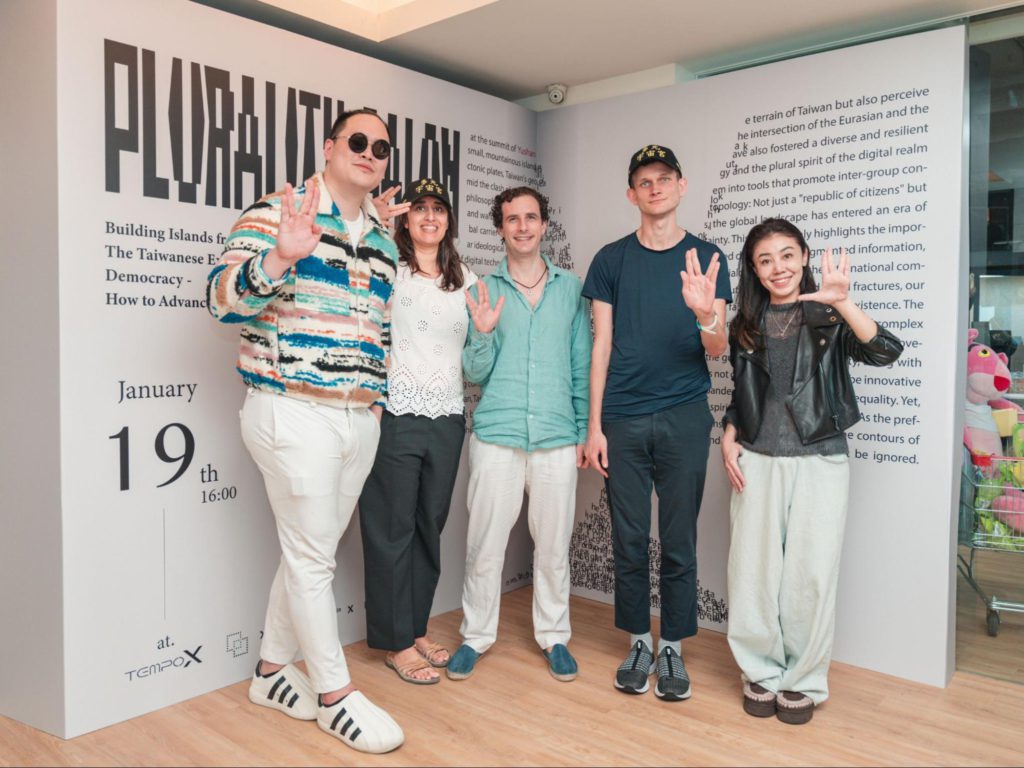
During the event, Vitalik and Glen brought their global academic and social collaboration experience to Taiwan, and had wonderful conversations and exchanges with experts and communities from all walks of life who participated in the event.
What is Plurality?
" Plurality " is a new concept jointly proposed by Glen Weyl , the youngest professor of the Department of Economics at the University of Chicago and the author of the well-known book "Radical Markets", and Tang Feng. It advocates the use of new thinking such as Web3 and new technologies such as blockchain to promote global society. Group collaboration to improve issues such as digital democracy, voting technology, economy, wealth gap, lack of public funds in the market, etc. Its concept is strongly supported by blockchain technology developers such as Buterin and global digital democracy participants.
As the biggest advocates of Plurality, Glen and Tang Feng are currently gathering the power of the global and Taiwanese communities, with the goal of creating the largest transnational academic book in history - "The Multiverse: Collaborative Technology and the Future of Democracy" publishing plan, so that it can be read by people all over the world. People with diverse collaboration experience worked together to edit online in CC0 mode (completely public), and worked together to complete this most important comprehensive reference book in the era of the multiverse.
What’s more worth looking forward to is that Plurality’s various language versions will include Taiwan’s exclusive “Yushan Vision” chapter, allowing Taiwan’s precious multiverse experience to shine in the world.
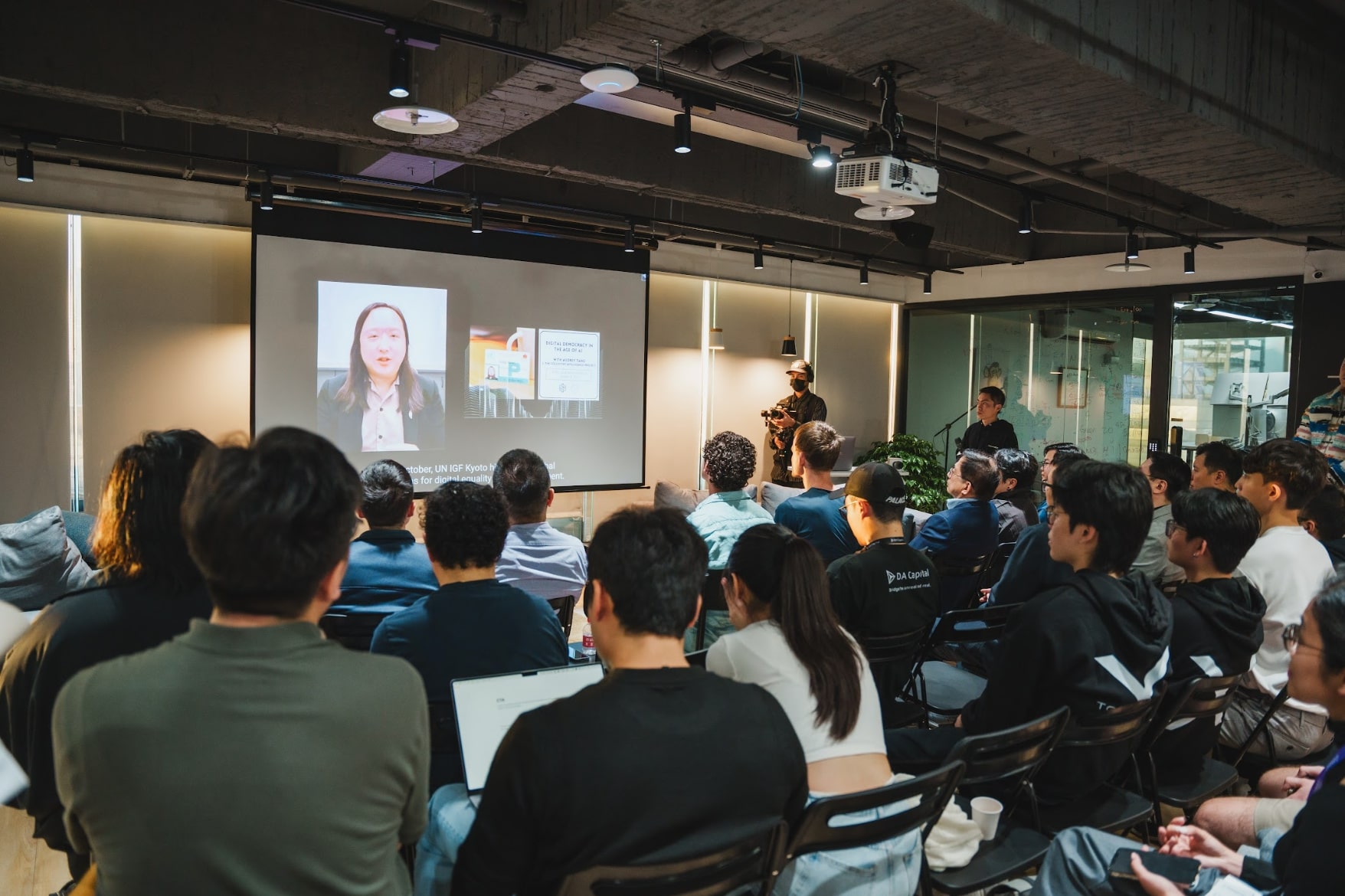
Tang Feng: The singularity is approaching, and the multiverse is coming
Taiwan's first Plurality event kicked off with a specially recorded video by co-author Tang Feng. In the video, Tang Feng first asks: "When faced with technological singularity, how do we open up a new dimension and liberate the future?"
She believes that the "Plurality multiverse", which symbolizes the symbiosis of democracy and collaborative technology, will be able to weave a new foundation of mutual trust and reinvigorate democracy. The multiverse allows us to rediscover the collective spirit of reciprocity at a higher level. Cooperation based on such values not only provides solutions to local communities, but also paves the way for a common future by participating in social assessment, measurement and mitigation of common risks and hazards.
The most important thing is that on the Internet, there are no geographical boundaries, only similar values. In the face of rapid technological advancement and polarization intensified by globalization, now is a good opportunity to realize the multiverse. Through co-presence and code-carrying interoperability, we are achieving something influential and significant - collaboration across diversity. Tang Feng said:
When we see the Internet of Everything, we will network intelligence; when we see virtual reality, we will share reality; when we see machine learning, we will work together to learn; when we see user experience, we will experience human relationships; when we hear that the singularity is approaching - the multiverse, it has already advent.
Glen: The multiverse advocates "cooperation across social differences"
Glen, who just got the gold card yesterday, was the first to lead the audience and deliver an insightful speech. He explained that the multiverse comes from "digital = plural", which means promoting digitalization and diversity at the same time through "technology for collaboration across social differences."
He pointed out that many people feel the conflict between technology and democracy, but as long as the right engine is built, we can use social conflict to drive society forward, innovate and create progress. He believes that contemporary new technologies such as blockchain, cryptography, and AI can change all aspects of human life and make remote collaboration more in-depth, interconnected, and coordinated. However, the advancement of democratic technology is not something that can only be done by the public sector. Glen also mentioned Taiwan:
Taiwan is a special place. g0v and citizen movements are things that Taiwanese people have cooperated with and established with the government very early on. In contrast, the digital sector in every country should establish digital public infrastructure, because diversified, decentralized and decentralized networks can closely connect society, people from various fields can participate, and can create a wide range of civic consciousness.
At the same time, he also invites everyone around the world to contribute to the construction of this book and challenge cooperation across differences.
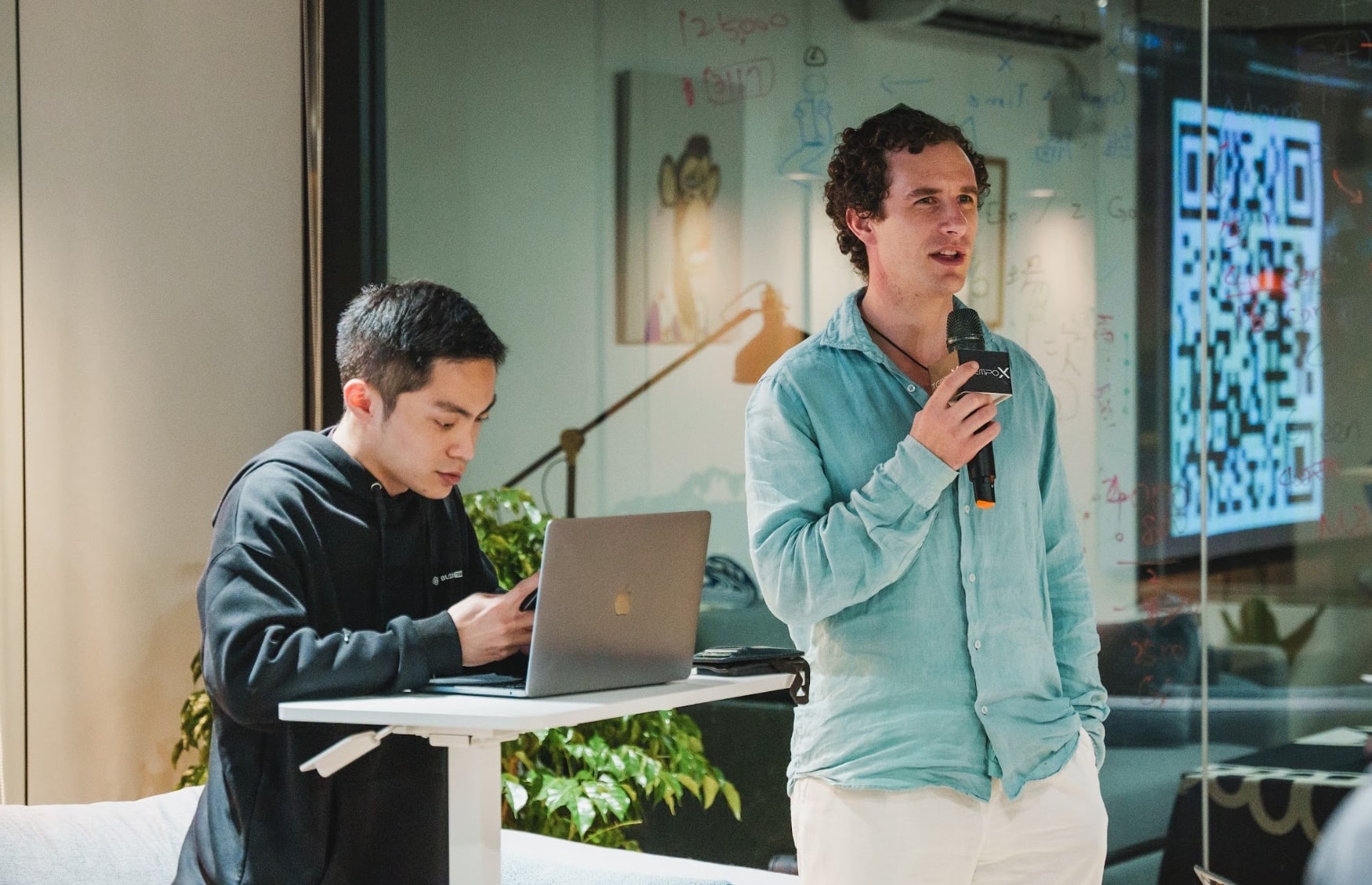
Buterin: How should the voting system evolve?
The person who took over Glen's speech was Vitalik, the master of the web3 world and the spiritual leader of Ethereum. Buterin's speech was particularly focused on the global issue of "how to build a better voting system." It especially resonated with the audience who had just experienced Taiwan's "Three-legged Governor" presidential election.
Buterin first opened with a thought-provoking thought: "Is the method where one person can only vote for one candidate really the best solution to the democratic system?" Can not only national voting, but also voting by companies, DAOs, and communities be able to Is there a better mechanism?
He said that although the one-person-one-vote majority rule system is the simplest and most intuitive to implement, its disadvantage is that it will lead to a two-party system and make it difficult for other candidates to develop. In this regard, he shared a novel mechanism: "Quadratic Voting". To put it simply, each citizen will receive a fixed number of points (for example, 100 points), which can be exchanged for real votes when voting and cast a "plural vote" for the candidate he supports, or even for the candidate he does not like. "Negative votes".
But it should be noted that in the same vote, more votes are needed for the same candidate to get more points. For example: 2 tickets require 4 points, 3 tickets require 9 points. This allows voters involved in decision-making to not only express their preferences by allocating votes, but also allows them to express the intensity of their preferences, and liberates voters from simple binary voting. The "square fundraising method" based on the concept of square voting has actually been running on the Gitcoin Grants project of the Ethereum ecosystem for 4 years. V God also pointed out:
The next frontier for the multiverse community is to move beyond voting systems that only look at individual voters and start experimenting with the concept of bridging bonuses in these systems, where the same votes are weighted if they come from people with generally polar opposite views. Consider the votes of these two people as this increases the chance that this thing is true.
In fact, this method has been applied to the "social notes" function of the X (Twitter) platform. Vitalik praised this function last year as the closest example of "web3 value" in the mainstream world.
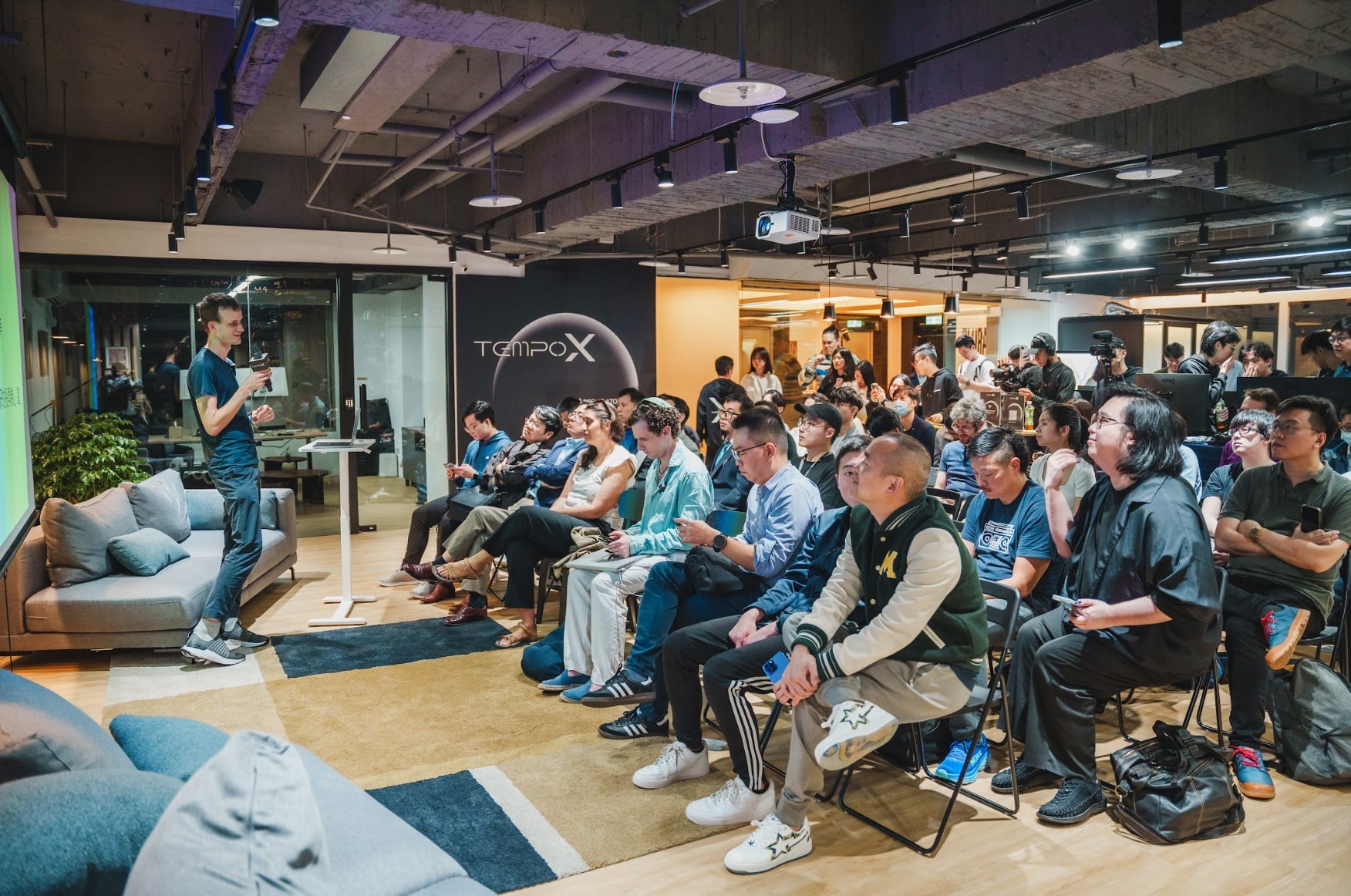
Roundtable Dialogue: Decentralization is Diversification
Towards the end of the event, a wonderful conversation outlined Plurality’s views in different fields and perspectives. @PluralityBook contributor Ms. Puja Ohlhaver (co-initiator of SBT) discussed with Vitalik and Glen the importance of "decentralization" in the multiverse. She believed that decentralization is actually pluralism. Synonyms for:
What are we decentralizing? What we are actually decentralizing is power. But what is power? Power is information and control. Take centralized power, for example, a dictatorship, they control information, and more information creates more control of information. In the process, we actually lose diversity and diversity of information, which ultimately leads to risk and collapse.
Decentralizing information control therefore means recognizing where information differences arise. Building a decentralized system will ultimately decentralize power to communities where information gaps exist, but at the same time allow communities to form larger networks to solve these global problems.

Join hands to share Taiwan’s experience - Yushan Vision
In addition to the three wonderful speeches and roundtable discussions, the star-studded guests also discussed the contents of Plurality Book and the Taiwan-related chapter "Yushan Vision" in the "Lightning Talk" at the end of the event and the post-meeting exchanges. ”. At the end of the event, the event also called on all those in Taiwan who have experience in diverse collaboration to join the Plurality community as contributors and contribute chapter content about the Plurality Book and “Yushan Vision”.
PluralityBook Chinese editor contributor Gisele said that Taiwan’s diverse collaboration experience has attracted global attention:
If you click on it and read it, you will know that this book is not about individualism. Taiwan's diversity may be precisely because we have these conflicts and merge them into such unique pluralistic democratic values. This is why we use GitHub: the content you see can be directly forked and transformed at different levels. We hope that not only certain perspectives will be seen, but also that different perspectives will continue to emerge, collaborate and innovate together, and use open software to practice the thought process. This multiverse salon is our sincere invitation to read.
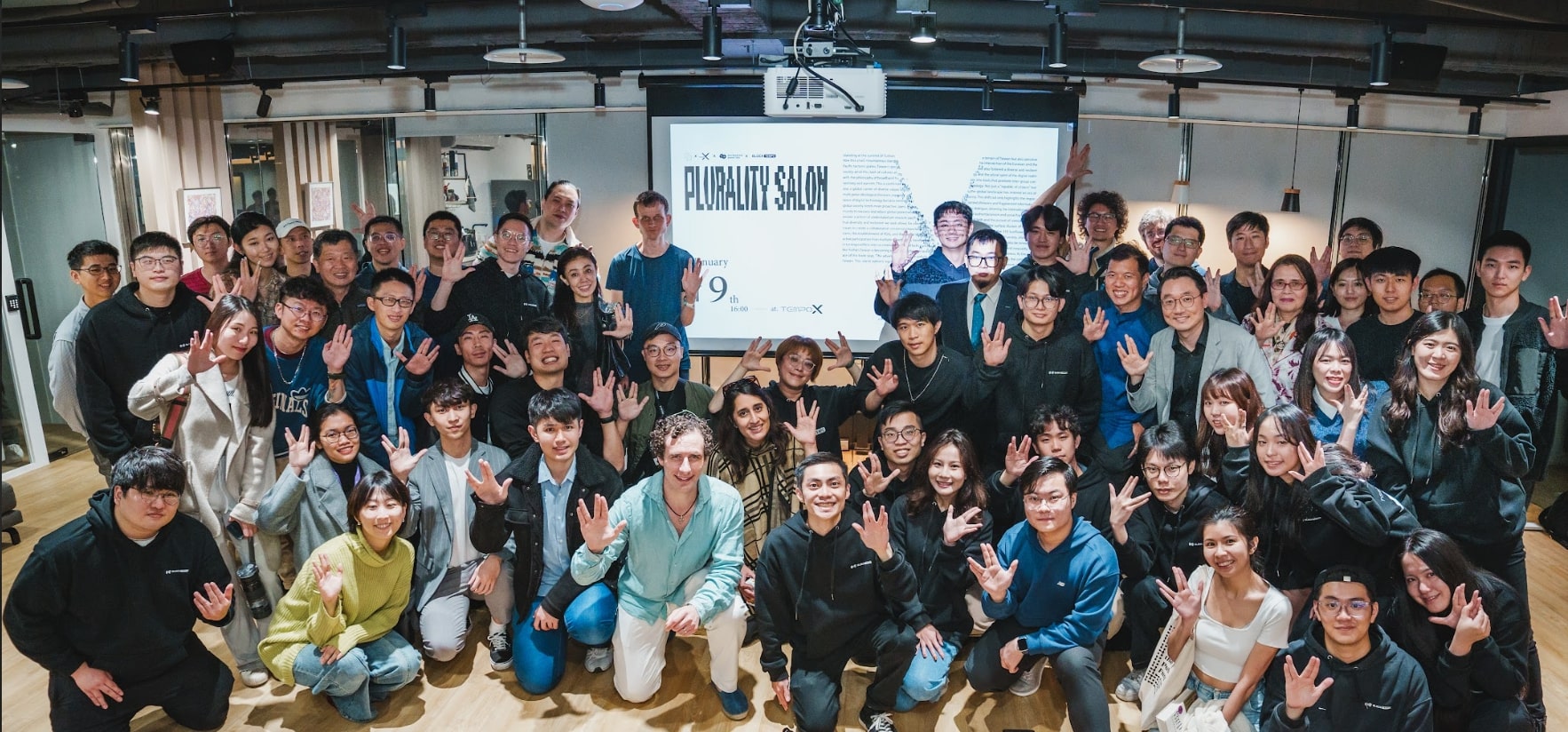
Plurality follow-up event information
Plurality Salon 1/19 has been successfully concluded. In order to allow more people to participate in multiverse issues and learn knowledge, and understand how to become a Plurality Book contributor, TempeX will also hold Plurality Salon "Sand into an Island" after the Lunar New Year . Follow-up activities will continue the discussion of the multiverse until the " Plurality Summit 2024" in August this year. From 8/6 to 8/8, the Nangang Exhibition Hall will invite Plurality global contributors and heavyweight guests to take the stage for a cross-border Panel. Communicate and talk about the future of the multiverse. If you want to leave a name in Plurality Book , your contribution and participation are an indispensable part of the road to making Taiwan visible to the world.
Plurality Summit 2024
|Time: 8/6~8/8
|Keynote speakers :
- Vitalik Buterin | Co-founder of Ethereum
- Glen Weyl |Research Director of Microsoft Diversity Collaboration Center, author of "Radical Markets", co-author of "Plurality"
- Audrey Tang | Co-author of "Plurality"
(The speaker lineup is gradually increasing)
|Location: Nangang Exhibition Hall
|Official website information: https://plurality.abs.io/
Plurality Salon
|Activity name: "Accumulation of Sand into an Island"
|Activity format: lectures, reading clubs, diverse collaboration workshops, exchange tea parties (undetermined, will be announced in sequence)
|Time: The Lunar New Year Festival will be held successively in February, one is expected to be held every month
|Physical lecture location: TempoX (22nd Floor, No. 15-1, Section 1, Hangzhou South Road, Zhongzheng District, Taipei City, 100)





