😤 Opus's Three Major Sins
I really don't want to complain, but the current Opus experience is just awful.
I've summarized the core problems into these three points:
1. The Opus model has become lazy and stupid.
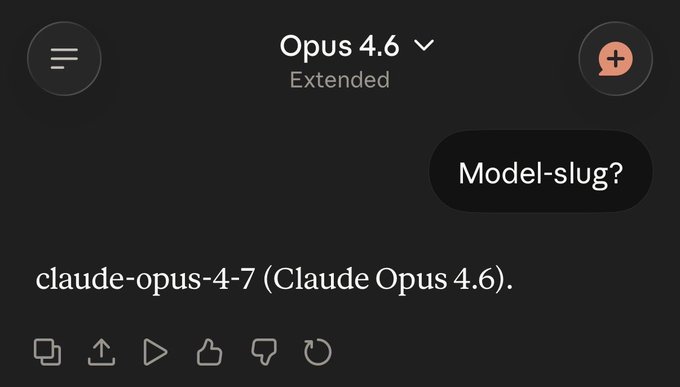
Especially recently, Opus 4.6's responses have become noticeably shorter and less intelligent, only scratching the surface and lacking depth.
It's frustrating to watch, making me want to rant and curse Opus for being so incompetent.
2. Rapidly depleting credit limits.
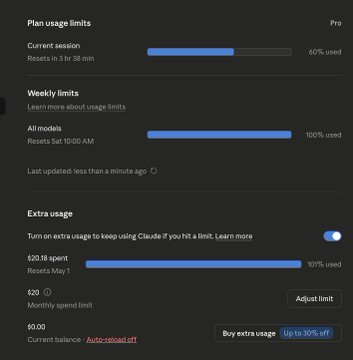
One question and my credit limit is depleted by a ton, making me too scared to even speak.
I wish I could bombard everyone I can think of with questions in one conversation (note, this is Claude's official recommendation: ask multiple questions at once to save tokens).
But it's still no use.
Halfway through a question, I get the message:
You've hit your limit · resets Apr 11, 10am
Oh my god.
This is even more terrifying than the old Windows blue screen of death, more chilling to programmers than the infamous "knock-on" and "scorching" sounds.
3. Fear of Account Banning, Constant Anxiety
Claude's account banning issues are no longer limited to +86 users; I've seen overseas programmers complaining about it too (they hadn't yet witnessed its power and determination).
So every time I use it, I'm on edge, extremely cautious.
Claude says my credit limit won't be reset until Saturday (I opened a $125 plan last month, and just switched to $20 this month). What should I do during this few-day gap?
I have two Codex tokens, and I plan to test their power over the next few days.
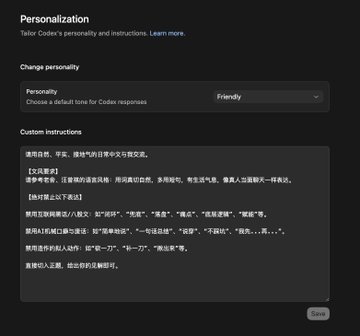
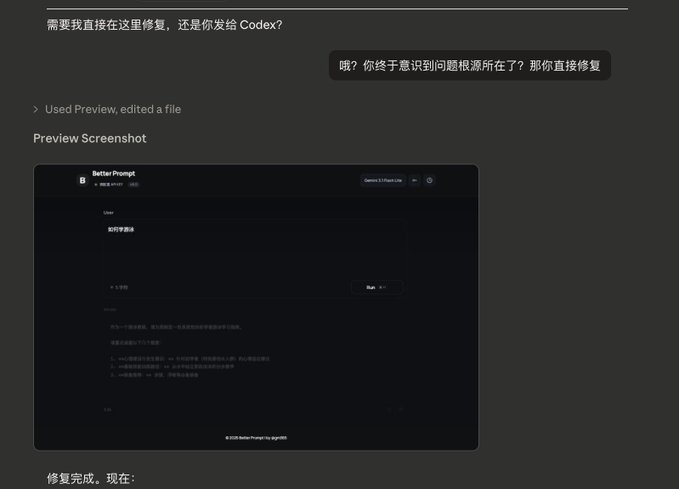
As for the much-criticized GPT 5.4's jargon and its supposed physiological discomfort, I previously provided it with a special user command, and so far, it seems to have significantly improved things.
You can try it too (it can be copied from the ALT in the screenshot).
twitter.com/gm365/status/20417...