avatar
Ru7's OF
Follow
Posts
avatar
Ru7's OF
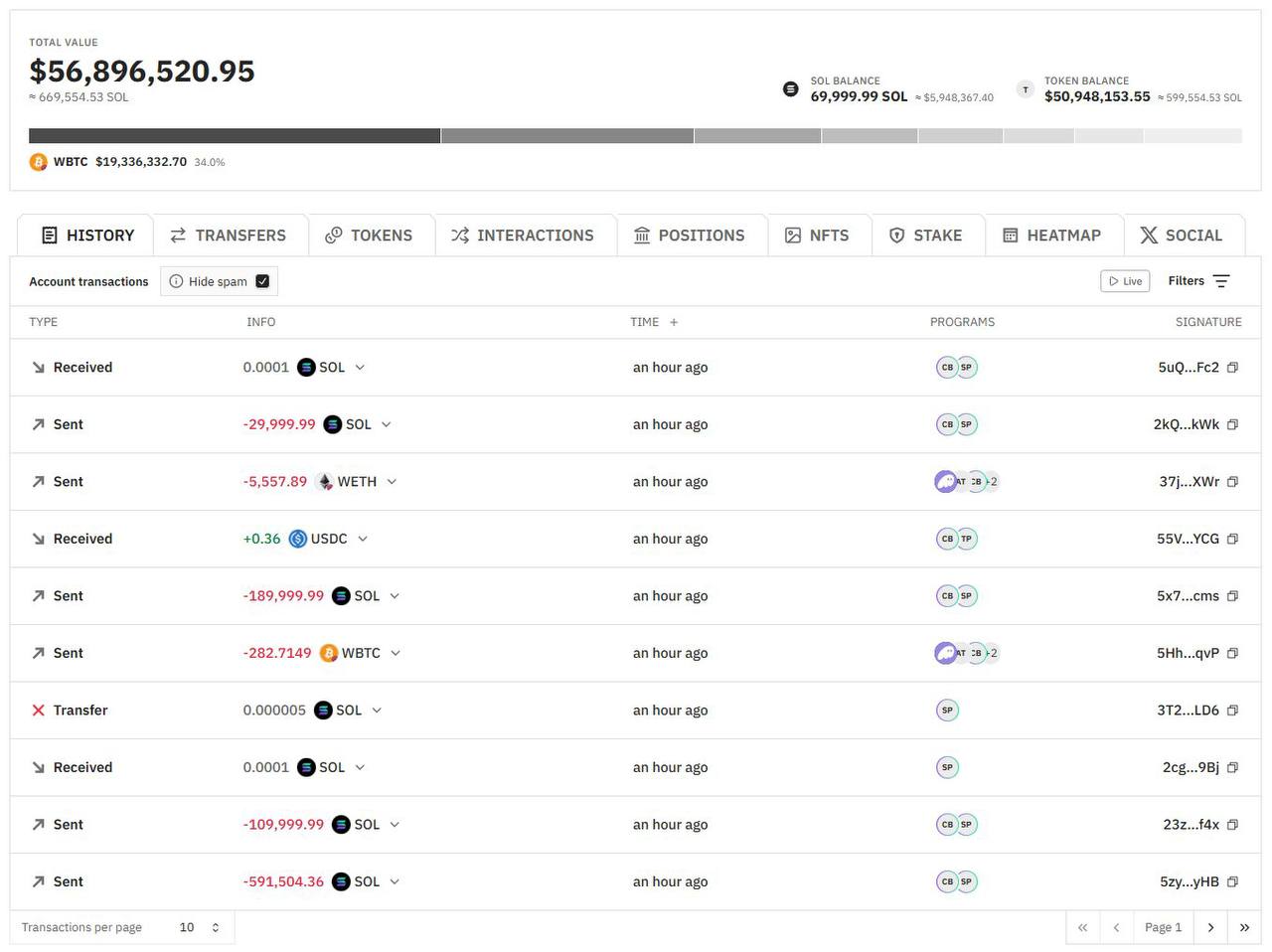
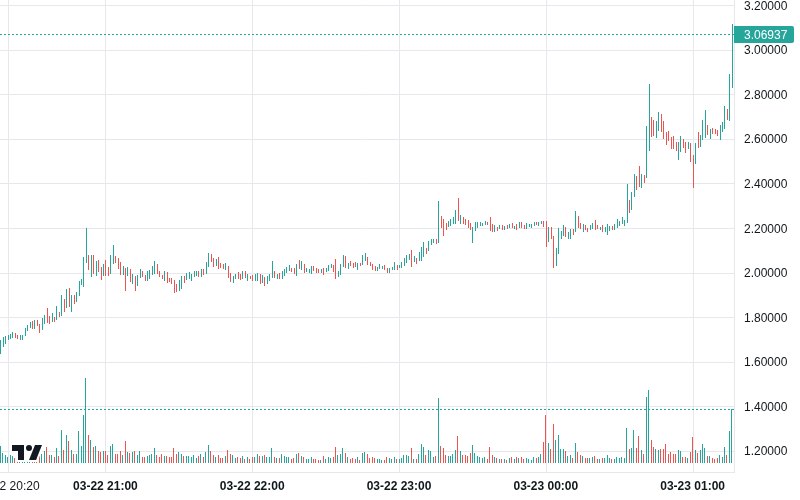
I closed out all my Monad positions, incurring a total loss of over $100,000, but I'm not upset. Instead, I'm reflecting on the future of the public blockchain ecosystem through these losses. My previous long in Linea also ended in failure, and this bet on Monad is similarly "worrying about the future." It must be acknowledged that the current market game has essentially evolved into a money game: projects with financial advantages manipulate the market through market making, pumping and dumping short positions or using extreme fees to harvest liquidity. People no longer cling to ideals and long-term visions. Short-term trading chases emotions, while fundamental analysis and so-called profit models (PE) have been abandoned. The future is too far away, but the ultimate battle for the public blockchain ecosystem will ultimately come down to supporting infrastructure and user scale. This is similar to building a city: will pioneers come to cultivate the land, will technical talent and businesses settle in, will the city's natural resources be abundant, and will government policies provide strong support and subsidies? For example, are natural resources abundant—fertile land (high performance), accessible waterways (low cost), and well-connected infrastructure (good compatibility)? Are the "city lords" (the public blockchain foundation and investors) willing to spend lavishly and provide long-term support, building roads and bridges and distributing subsidies widely? Throughout history, it has been common for cities to rise to prominence and for dynasties to rise and fall. During the Tang Dynasty, Chang'an was ablaze with lights; during the Song Dynasty, Bianjing was a bustling hub for merchants; the Yuan, Ming, and Qing Dynasties each had their own era of great influence, yet none of them lasted forever. Technology is like a spring tide, culture is like a river, and the power structure that controls the means of production and absolute capital is constantly changing. Throughout history, there are countless examples of cities surpassing each other, and the same applies to later dynasties replacing earlier ones; nothing is immutable. The Tang, Song, Yuan, Ming, and Qing dynasties each had their own themes and characteristics, and with technological advancements and cultural evolution, the social structures that controlled the means of production and absolute capital also changed. Cities that truly develop rapidly often possess advantages such as a concentration of high-tech talent, substantial government subsidies, abundant natural resources, an international perspective, and a port location, along with well-developed infrastructure in education, healthcare, entertainment, real estate, and tourism, and a stable resident population. Shenzhen, for example, benefited from the favorable timing of reform and opening up, its proximity to Hong Kong's port (geographical advantage), and attracted talents from all over the world and huge policy dividends (human factors). In just forty years, it has transformed from a fishing village into an international metropolis. Silicon Valley, named after silicon, the core material used to manufacture transistors and integrated circuits, is a name that signifies the high-tech industry. The "Valley" refers to the Santa Clara Valley in the southern part of the San Francisco Bay Area in California, which is indeed a valley in terms of its topography. In the mid-20th century, this region became home to numerous semiconductor, chip, and electronics companies, attracting a large influx of highly skilled talent. With continuous support from venture capital, supporting industries such as education, healthcare, entertainment, and real estate were constantly improved, ultimately transforming it into a global innovation mecca. The term Silicon Valley has become a symbol of high technology and innovation, a hub of entrepreneurial culture and venture capital, and a global center for technology companies and talent. The same applies to public blockchains. A thriving on-chain city needs DeFi as the lifeblood of finance, DEX as a bustling marketplace, Launchpad as a cradle of startups, Memes as the vibrant atmosphere of the marketplace, prediction markets as a gaming teahouse, and gaming and social networking as a dazzling nightlife... Each element is indispensable for the flywheel to spin, retain residents, attract visitors from afar, and cultivate genuine vitality. The recent debate between Solana and BSC has been exceptionally heated. I believe that, ultimately, it boils down to a difference in the "order of play" in urban planning theory: When your opponent has run out of cards to play, and you still have unlimited plays, the outcome is self-evident. With power, resources, money, people, natural conditions, and international standing as the decisive factors, the answer is actually quite simple. It is clear that beyond simply pumping and dumping tokens in the short term, the most important thing for building an excellent public blockchain is ultimately the right timing, favorable location, and harmonious relationships. Accumulating strength over time is also the answer for public blockchains. No isolated city can stand proudly for a thousand years without decline; those that fall behind will eventually be crushed on the shore by the tides of history.
MON
4.35%
loading indicator
Loading..