EdgeX Brief Review
1. 1st Place DEX (BSC → ETH → EdgeX)
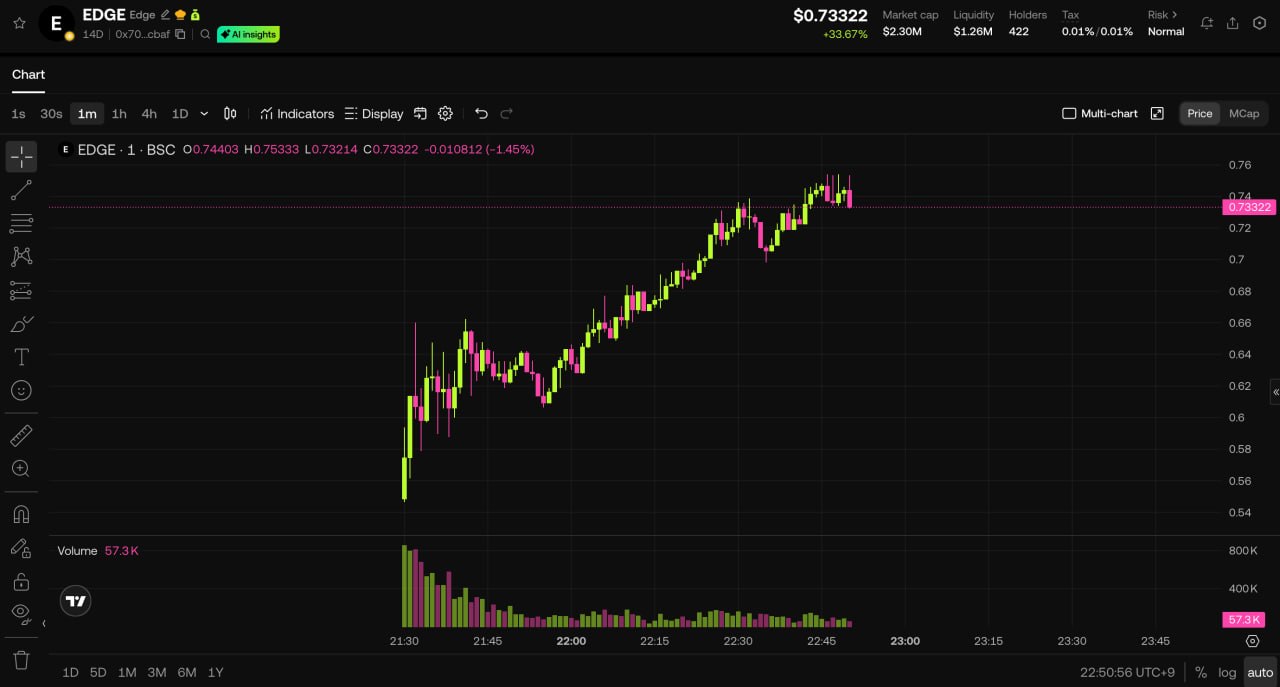
Definitely the best play. LiQ was easy to scrape due to the Alpha listing, and as Padoru mentioned, Edge wasn't listed on the SGE frontend, so bridging was impossible except through contracts.
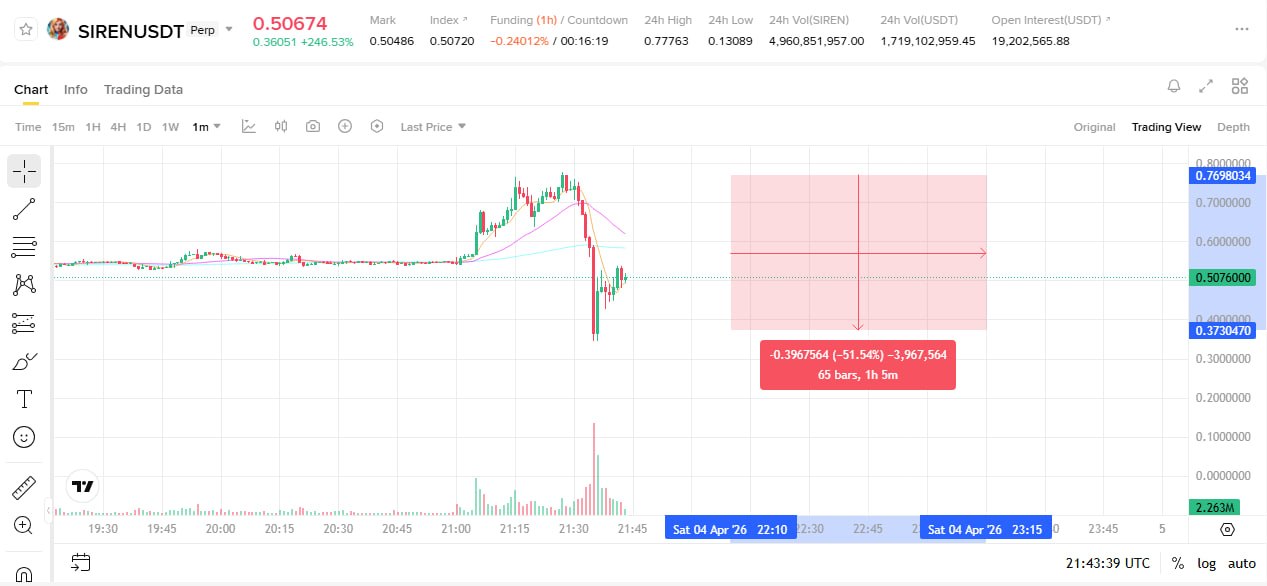
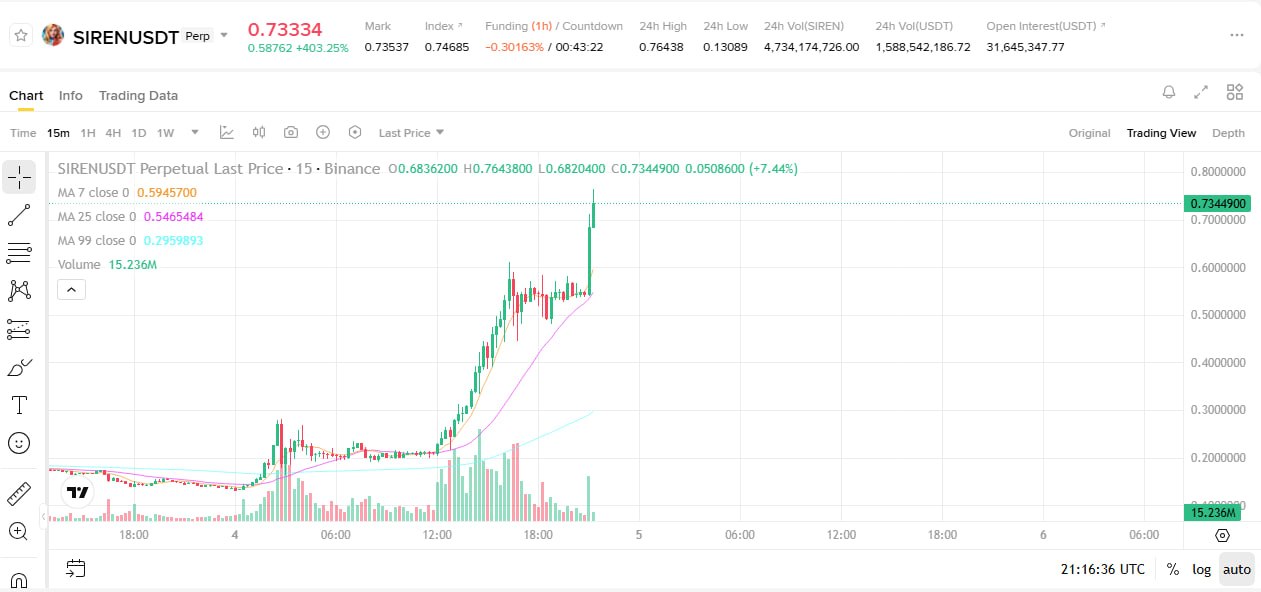
Additionally, the Twitter Alpha announcement was rather late at 21:31, and the detection post in the Alpha detection Telegram group appeared just 7 minutes prior at 21:23. I should have always kept the Alpha in mind after seeing the BSC token, but it is regrettable that I didn't think of it until I suddenly remembered it.
2. 2nd Place DEX (ETH → EdgeX)
In the case of the Ethereum DEX, the team didn't provide liquidity, and liquidity was generally lacking; for example, LP providers noticed the high price starting on EdgeX and hurriedly fled. I should have scraped with small amounts of 1-2k, aiming for a meager 5% return, or placed a limit order before proceeding. I wasn't fully prepared, so I only went around about 3 times; if I had been better prepared, I think I could have made even more profit.
3. Gate → Binance Pre-market Pre-swing
Although Pangdemonthyeon had been desperately clamoring for a pre-swing since the pre-market, I couldn't enter because the market was bad and the fear of a crime occurring was too great. I suspect the pre-swing occurred because Gate was holding out with Definitive on the Edge ticker, so I listed it on Gate under the EdgeX ticker. A profit of about 7-8% was possible.
Bonus)
1. Rushing to the Poly Market after seeing the EdgeX price
2. Airdrop quantity crime / Seeing the 5 million buy wall before the EdgeX spot listing, I went live long/live long buying, expecting a crime..
It didn't show up on the frontend, so I had to type the trading link directly in to check the order book in advance.
It's hindsight, but honestly, I probably wouldn't have been able to do this even if I went back in time.😒