Useful Links
Protocol Website: ethena.fi
Docs: ethena-labs.gitbook.io
Github: github.com/ethena-labs
Governance: Forum | ENA token | Multi-sigs: dev (4/8) | hot swap (4/8) | payout fund (4/8) | treasury (5/9) | trading operations (4/8) | reserve fund (4/8)
Market Data: Official dashboard, IntoTheBlock dashboard
Summary
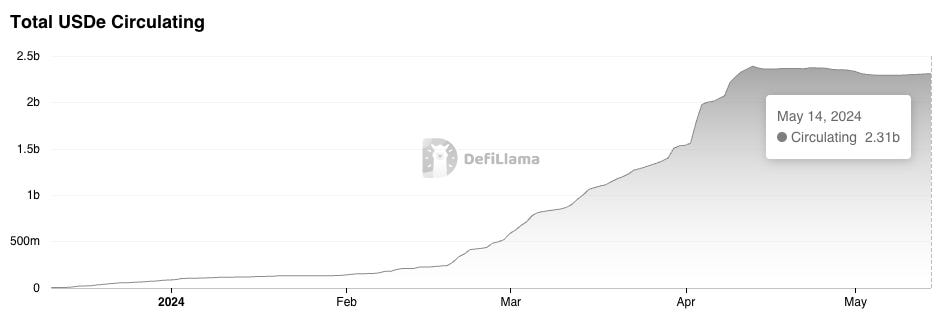
Ethena's USDe, a synthetic dollar backed by delta-neutral positions on perpetual futures exchanges, was launched in February 2024 and reached over $2 billion in total value locked (TVL) less than 100 days later. This rapid expansion has made it the fastest-growing stablecoin in existence. However, this rapid growth also raises concerns about potential risks to USDe/sUSDe holders, liquidity providers, and other assets using it as collateral. This report identifies several key risk factors, including:
Centralized components and failure points: Reliance on centralized components, e.g., centralized exchanges, for critical operations introduces additional failure points that are not readily auditable via smart contracts.
Concentration of collateral and effectiveness of delta-neutral hedging strategies: High collateral concentration raises concerns about the market depth and liquidity during volatile periods, potentially compromising delta-neutral hedging strategies, especially during market stress.
Leverage and liquidity concerns: Perpetual futures used in Ethena's delta-neutral strategy are inherently leveraged. Reduced liquidity on centralized exchanges during market downturns could be problematic for Ethena when rebalancing positions. The ratio of secondary market liquidity to total USDe supply is also a concern.
Insurance fund adequacy: The insurance fund appears insufficient, given Ethena's scale of operations and potential risks. With significant portions allocated to USDe/USDT liquidity provision on Uniswap V3 and deposits in sDAI, a yield-generating vault involving USDe, circular ties could compromise the fund's value in a de-peg scenario. The fund's true value may be lower than reported due to partial backing by endogenous collateral.
Governance structure, token distribution, and limited public information: The proposed governance functionalities are yet to be activated, with no active forum discussions or the ability for ENA holders to weigh in on protocol decisions. Furthermore, more detailed public information about Ethena's operational procedures and mechanisms for interfacing with centralized exchanges and managing governance is needed to ensure transparency, making it easier for users to assess the platform's robustness and potential vulnerabilities.
Legal and regulatory compliance: Impending regulations like MiCAR in the E.U. could pose significant operational hurdles.
This report assesses the risks and benefits of USDe's integration into DeFi platforms like Curve. Ethena's governance, risk management, transparency, and smart contract security are crucial in evaluating USDe's suitability as a reliable stablecoin and collateral asset.
As the DeFi ecosystem becomes increasingly interconnected, the actions and performance of individual protocols can have far-reaching effects on other platforms. This report aims to provide valuable insights for the Curve community and other DeFi stakeholders, enabling informed decision-making and risk assessment regarding USDe and its role in the ecosystem.
Ethena USDe - Background
The Ethena protocol is centered around USDe, a synthetic dollar. USDe is collateralized by on-chain assets and backed by arbitrage on perpetual futures markets. It relies on capturing funding rate payments through a delta-neutral strategy. Delta-neutral positions are established by taking opposing long spot and short perpetual futures positions on various centralized exchanges, hence pegging the "stablecoin" to the dollar.
Ethena's business model thus relies on the expectation that speculators are often willing to pay a premium (the funding rate) to take leveraged long positions on an asset via perpetual futures contracts. Ethena capitalizes on this by taking the opposing trade, shorting these perpetual contracts while holding an equivalent amount of the underlying asset, creating a delta-neutral position not exposed to the asset's price movements. The key revenue stream for Ethena comes from the funding rate payments it receives from the short perpetual positions, which are intended to grow the collateral base over time. For users to receive this yield, they must stake USDe to receive sUSDe tokens, which are subject to a cooldown period when unstaking.
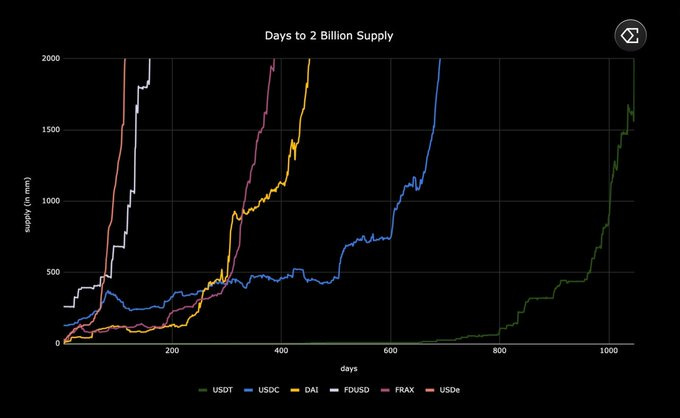
The USDe stablecoin was launched on the public mainnet in February 2024. Since its launch, USDe has experienced rapid growth, becoming one of the fastest-growing USD stablecoin assets. Most notably, it reached a total value locked (TVL) of $2 billion in under 100 days.
Minting, Redeeming, and Yield generation
Only whitelisted addresses, i.e., those that satisfy KYC/AML checks, can mint and redeem USDe through Ethena's U.I. or API. The minting process is as follows:
Select a backing asset (e.g., stETH, ETH, USDT, BTC) and specify the amount for minting.
Agree to the amount of USDe to receive and sign an EIP712 transaction with their wallet.
Upon successful transaction confirmation, the backing asset is atomically swapped for the agreed amount of USDe.
The collateral is pledged to exchanges via custodians and used to establish the delta-neutral futures positions. When users mint or redeem USDe, Ethena adjusts the size of the delta-neutral position accordingly. It is important to note that holding USDe alone does not generate any yield for the holder.
USDe is also available on the secondary market, where transfers are permissionless. Non-allowlisted users can obtain USDe by exchanging stablecoins through external liquidity pools accessible via Ethena's U.I.:
Select a stablecoin asset to exchange for USDe.
The transaction is routed using MEV protection through CowSwap to various on-chain liquidity pools in exchange for USDe.
This process removes the complexity for non-allowlisted users, allowing them to use stablecoins as an input asset. The resulting imbalances in the on-chain AMM pools create opportunities for market makers to proceed with the minting workflow outlined above.
To earn yield, users must stake their USDe to receive sUSDe tokens. sUSDe represents staked USDe and conforms to the ERC-4626 tokenized vault standard. The exchange rate between USDe and sUSDe is determined by the total amount of USDe held by the vault divided by the number of outstanding sUSDe shares. This exchange rate increases over time as the vault accrues yield. Each week, typically on Thursday, rewards from the prior week are distributed by minting the corresponding amount of USDe and sending them to the sUSDe contract. These newly minted tokens are then streamed to the vault over the next 7 days via the transferInRewards function, which is called at an interval of 8 hours. This gradual distribution mechanism helps to ensure a steady and predictable flow of rewards to sUSDe holders and prevents unwanted arbitrage.
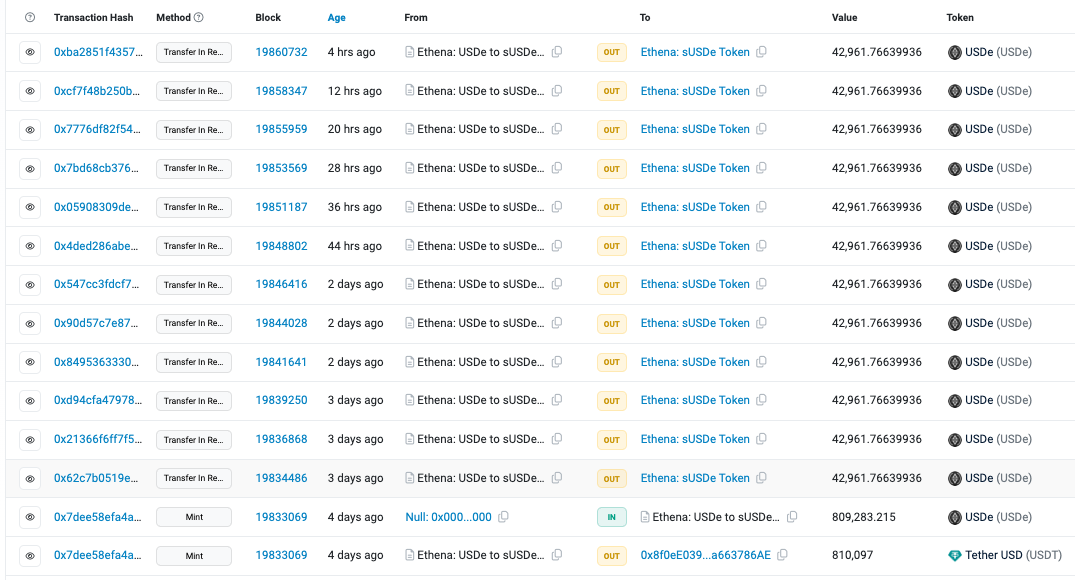
Unstaking sUSDe involves a cooldown period, which helps to ensure the system's stability by preventing sudden mass withdrawals. Due to its revenue-generating potential, sUSDe often trades at a premium to USDe on the secondary market. This premium reflects the market's valuation of the expected yield earned by holding sUSDe compared to the base USDe stablecoin.
Stability mechanisms
The USDe stablecoin aims to maintain a soft peg to the U.S. dollar through two primary stability mechanisms:
Adjustments to Ethena's delta-neutral position in response to supply and demand:
The core mechanism involves creating delta-neutral positions by offsetting long spot and short perpetual futures on various centralized exchanges, using assets such as ETH, USDT, BTC, and liquid staking derivative tokens as collateral. This "basis trading" method exploits the difference between an asset's spot and futures prices. The protocol takes a long position in the spot market by holding the collateral assets and a short position in the futures market by selling perpetual futures contracts, aiming to maintain a delta-neutral position where the value of the long and short positions offset each other, effectively hedging against price fluctuations.Arbitrage between the USDe mint/redeem price and secondary market prices:
Whitelisted users can mint new USDe by depositing collateral assets into the Ethena Protocol. At the same time, the protocol determines the mint price based on factors like the collateral ratio and the current value of the collateral assets. If the market price of USDe is higher than the mint price, arbitrageurs are incentivized to deposit collateral and mint new USDe, increasing the supply until the market price converges with the mint price. Conversely, if the market price of USDe falls below the protocol's redeem price, arbitrageurs can profit by buying USDe on the secondary market at a discount and redeeming it with the protocol for the full redeem price, reducing the circulating supply and driving the market price back up towards the peg.
Governance asset
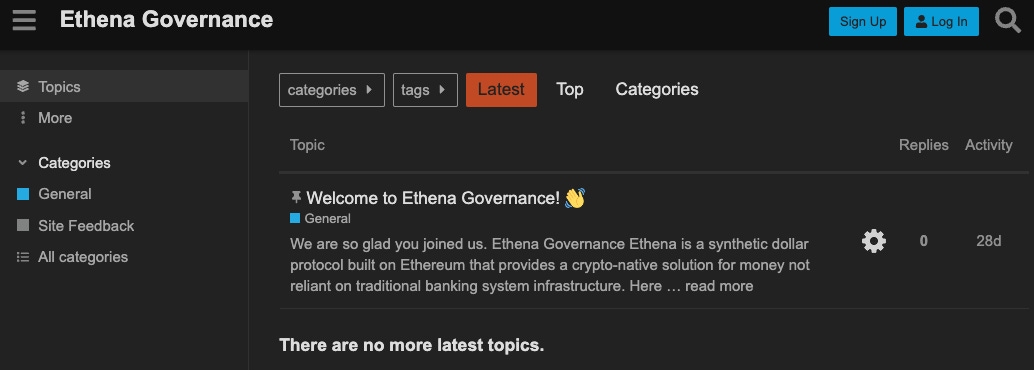
The ENA token is intended as Ethena's governance token, allowing holders to vote on protocol parameters such as accepted collateral types, collateral ratios, fees, and system settings. However, the proposed governance functionalities still need to be operational. There is no snapshot voting, and the governance forum is inactive as of the time of writing, with only a welcome post and no other discussions or activity.
Sats Campaign
Ethena's Season 2 campaign, named "Sats", commemorates onboarding BTC as a backing asset. It is projected to run for another five months, until September 2, 2024, or when the USDe supply reaches $5bn, whichever occurs first.
The Sats campaign rewards early adopters with boosted Sats points for existing positions. Several new strategic awards have been introduced to further incentivize participation:
Locked ENA tokens will accrue the highest daily sats earnings;
Users maintaining at least 50% of their total holdings in ENA, relative to their USDe balance, will receive a 50% boost;
Depositing and borrowing on Morpho or Gearbox, depending on the collateral (USDe/sUSDe), can amplify sats earnings by 5 to 20 times;
Deployment of Pendle pools to more cost-effective networks (Mantle, Arbitrum, and Zircuit) enhances accessibility, with Mantle additionally offering depositors exposure to EigenLayer points revenue streams;
Liquidity provision on Curve yields at 30x sats;
Layer2 activities such as deposits on Swell or LPing on Merchant Moe pay off between 15x and 30x sats;
Web3 wallets of platforms integrated with Ethena (i.e., Binance, Bybit, OKX, Bitget) secure an additional 20% sats boost for users.
Until there is official confirmation, the second airdrop remains speculative. However, Ethena's communications are crafted to suggest that the current sats rewards might be pointers to another round of token distribution. No terms and conditions for the sats campaign are currently available. Users should consider multiple factors when participating in points-based or similarly branded reward initiatives. Our LRT Points legal checklist may help them understand the legal nuances well.
Market
While Ethena uses several centralized exchanges in its operations, including Binance, Bybit, and OKX, the liquidity for USDe and sUSDe mainly resides in the EthenaMinting contract and different secondary market venues, primarily Curve and Uniswap V3.
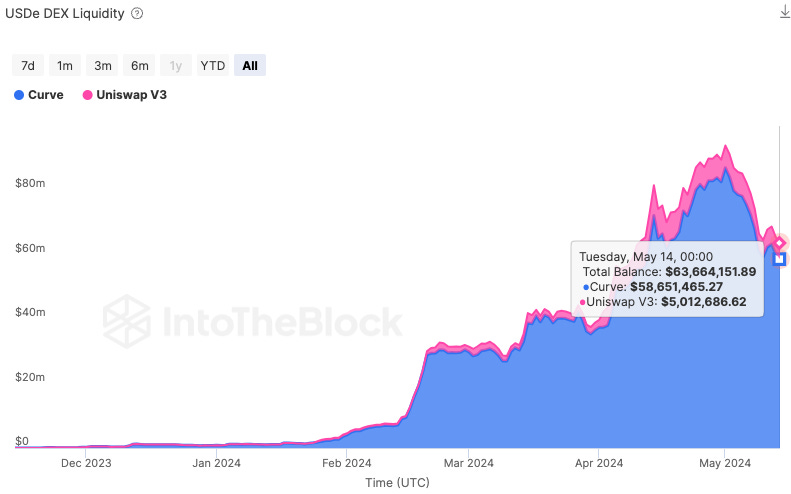
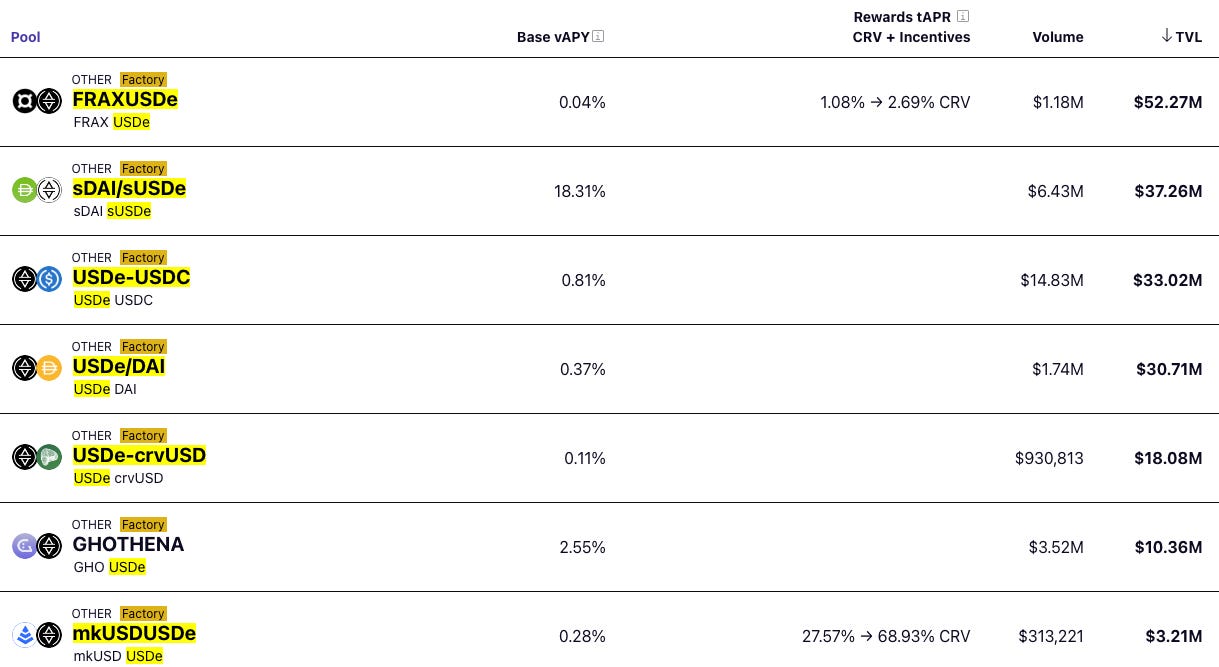
USDe is integrated into various Curve pools, enabling users to trade USDe against other stablecoins and earn yields by providing liquidity. The most significant USDe pools by total value locked (TVL) as of May 14th, 2024, are:
FRAXUSDe: $52M TVL
sDAIsUSDe: $37M TVL
USDeUSDC: $33M TVL
USDeDAI: $31M TVL
USDecrvUSD: $18M TVL
GHOUSDe: $10M TVL
mkUSDUSDe: $3M TVL
Integrations with USDe
The following examples of DeFi integrations with USDe are notable but only partial. This report focuses on the most significant integrations, but USDe may have additional integrations with other DeFi platforms and protocols not discussed in detail.
Curve Lending
Curve, the primary venue for secondary market liquidity for USDe, recently passed a proposal to create a LlamaLend market for Ethena sUSDe with a custom price oracle and new gauge. Due to the absence of a direct sUSDe/crvUSD pool on Curve, the custom Oracle solution combines price feeds from three existing pools: sUSDe/sDAI, sDAI/FRAX, and FRAX/crvUSD. This enables the determination of the sUSDe/crvUSD price for the lending market, allowing users to borrow crvUSD using sUSDe as collateral.
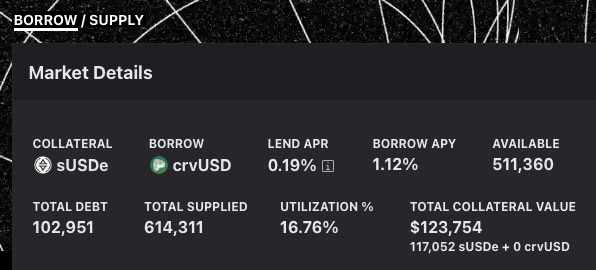
The custom oracle combines price data from three Curve pools:
sUSDe/sDAI
sDAI/FRAX
FRAX/crvUSD
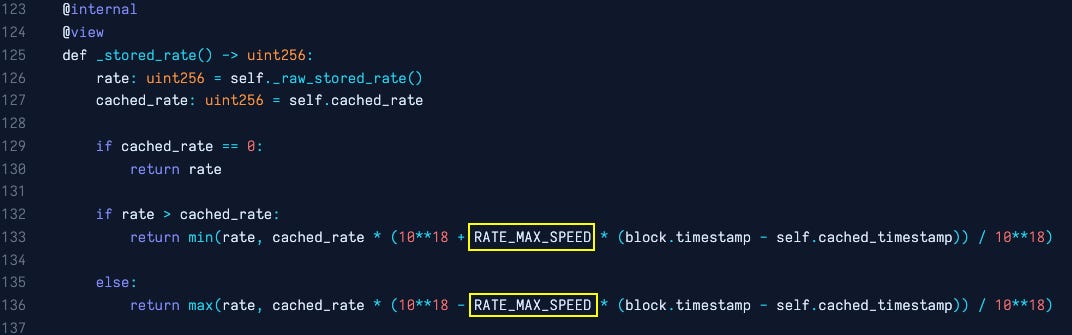
Furthermore, the custom oracle is designed to handle redemption rates, which are present in some of the pools. Donation attacks can potentially manipulate redemption rates, where an attacker artificially inflates the redemption rate by donating assets to the pool. To mitigate this risk, the oracle incorporates limits on the rate at which the redemption rate can change, providing additional protection against such attacks:
Bybit Centralized Exchange
On May 7, 2024, Ethena Labs announced in a blog post that Bybit crypto exchange has integrated Ethena's synthetic dollar USDe for use as collateral in trading activities. The integration includes:
USDe as Collateral for Perpetual Futures: As of the announcement date, users can now use USDe as collateral to trade perpetual futures on Bybit, potentially earning yield on their USD-pegged collateral.
BTC and ETH - USDe Spot Pairs: Bybit has introduced spot trading pairs for BTC/USDe and ETH/USDe.
USDe on Bybit's "Earn" Platform: USDe will be available on Bybit's "Earn" platform, allowing users to capture a USD-denominated yield.
In addition to the potential yield from Bybit, USDe held on the platform will receive 20x sats (Satoshis) per USDe. This will allow users to take positions on crypto assets via perpetual futures while receiving yield from the exchange and sats rewards.
Maker's DAI Exposure to USDe/sUSDe
Maker has approved a strategy to gain exposure to Ethena's hedged perpetual yield through the "DIRECT-SPARK-MORPHO-DAI" loan facility. By minting DAI to a Spark DAI MetaMorpho vault, Maker supports the supply of DAI to multiple markets that can be borrowed against USDe/sUSDe collateral.
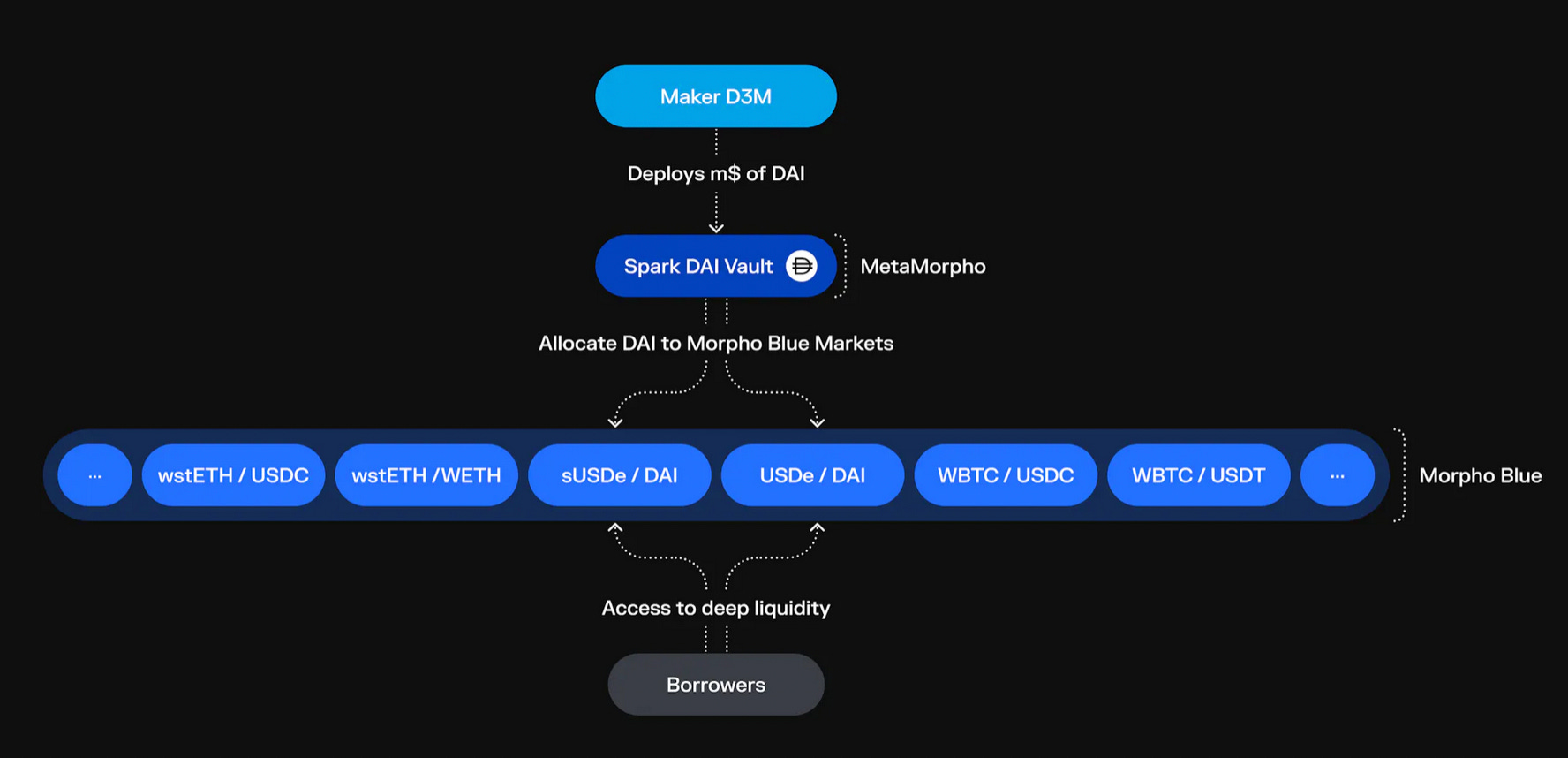
This decision from Maker has sparked discussions within the DeFi community about potential risks and implications for Maker and the broader DeFi ecosystem. The facility's high demand prompted a proposed increase in the Spark DAI vault's DAI debt ceiling from 100 million to 600 million, with a maximum of 1 billion DAI. This rapid growth in Maker's exposure to USDe/sUSDe presents potential benefits in terms of increased fees and profits while also increasing risks associated with the stability of these collateral assets.
The integration aligns with Maker's 'Endgame' plan, which includes launching new tokens and sub-DAOs. The yield opportunities allow Maker to build cash buffers for the sub-DAOs and provide liquidity for the new tokens. At the time of writing, less than 10% of DAI's collateral comprises exposure to Ethena through Morpho isolated markets.

To assess the potential impact on DAI if Maker incurs losses on USDe lending, it is essential to monitor LTV parameters, liquidation thresholds and bonuses, uncollateralized DAI minting, and supply caps for USDe collateral vaults. Comparing USDe and sUSDe liquidity to the values of their respective collateral assets in Curve pools can help assess the potential for USDe looping. Utilizing IntoTheBlock's dashboard to monitor other relevant liquidity metrics is also advised.
Risk Vectors
This section will cover the counterparty, oracle, economic, collateral, regulatory, and smart contract risks associated with the Ethena Protocol.
Counterparty Risk
Ethena trades across multiple cryptocurrency exchanges, which requires rotating positions between these platforms to realize profits and losses and manage liquidation risk. Ethena employs a globally distributed team available 24/7 to handle manual interventions when necessary. The team includes professionals with experience from firms such as Wintermute, Flow Traders, Genesis Trading, DRW, and Tower Research, who are knowledgeable in system maintenance and understand the risk management systems of various exchanges. A recent job opening for a head of risk/senior risk manager suggests that Ethena is looking to expand its risk management team with additional experienced professionals.
a) Liquidation Risk - Ethena claims to mitigate this risk through these measures:
Systematic Collateral Management: Ethena manages collateral by allocating additional reserves to improve its hedging trades' margin positions, protecting against sudden market movements.
Dynamic Collateral Cycling: Ethena can temporarily shift collateral between exchanges to bolster positions most susceptible to market volatility, ensuring a more resilient trading strategy.
Insurance Fund Utilization: Ethena maintains access to a dedicated insurance fund, which can be deployed to fortify hedging positions on trading platforms, providing an additional layer of security against unexpected market downturns.
b) Funding Risk arises from the potential for persistent negative funding rates, where Ethena might profit from positive funding but could incur losses during negative phases.
To safeguard the protocol against such scenarios, Ethena utilizes its reserve (insurance) fund. This fund is strategically deployed to cover situations where the combined yield from LST assets (e.g., stETH) and the funding rates for short perpetual positions turn negative, thereby temporarily protecting the underlying value of USDe.
The strategy for mitigating funding risk is underpinned by several factors: historically positive funding rates for ETH over the past three years, the additional safety margin derived from yields on LST collateral, and the mean-reverting nature of funding rates—a phenomenon consistently observed over extended periods.
c) Off-Exchange Settlement Risk is rooted in:
Accessibility and availability: Ethena's trading operations rely on depositing, withdrawing, and delegating assets to and from exchanges. Any interruption or degradation in these capabilities could disrupt trading workflows and affect the availability of the USDe mint/redeem functionality and
Performance of operational duties: In the scenario of an exchange failure, the protocol's ability to recover any profits or losses at risk hinges on the cooperation and lawful conduct of its off-exchange settlement providers. These providers are essential for the practical transfer of assets.
Ethena engages multiple off-exchange settlement providers for the same exchanges to protect the protocol against potential failures of any single counterparty. Off-exchange settlement providers enable Ethena to offer efficient on-demand minting and redeeming of USDe workflows efficiently.
The recently launched risk dashboard by IntoTheBlock is a helpful resource for risk monitoring and measurement.
Governance Structure
As of the time of writing, Ethena still needs to finalize its governance model, and the specifics of the governance structure need to be sufficiently detailed in the available documentation. Ethena's governance token has no defined utility within the platform's ecosystem.
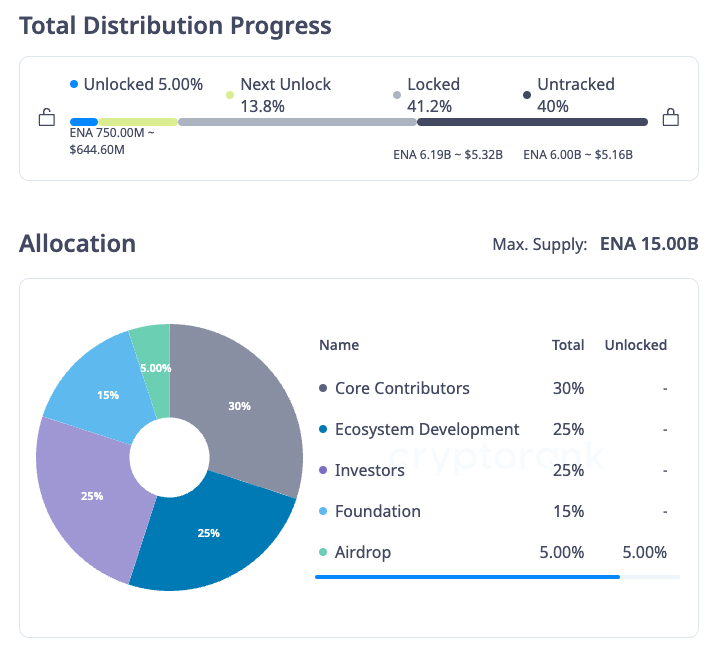
To engage its user base, Ethena has implemented an incentive program through which ENA tokens are airdropped. Specifically, 750 million ENA tokens are allocated for distribution among holders of Ethena shards in the first season of the loyalty campaign. Ethena shards represent a user's pro-rata share of the total USDe supply and are used to track and reward user participation in the ecosystem. As of April 2, 2024, users can claim their tokens, with the distribution window remaining open for 30 days. A mandatory vesting period is also in place for the 2,000 largest wallet holders during the airdrop. Ethena also plans to offer a subsequent opportunity for token claims later in 2024, though details regarding this second airdrop have yet to be disclosed.
With a total supply of 15 billion and an initial circulating supply of 1.425 billion, ENA is projected to play a crucial role in the protocol's governance. ENA token holders are expected to be granted voting rights on various governance proposals affecting Ethena's operations, including the general risk management frameworks, the composition of USDe backing, exposures to exchanges and custodians, integrations with DEXs and blockchain networks, the sizing and composition of the Reserve Fund, as well as the distribution strategy between sUSDe and the Reserve Fund.
There is no concrete evidence or documentation to confirm the formation of DAO by ENA holders. However, the token launch announcement refers to a "DAO-controlled multisig" that will be controlling ENA allocations for ecosystem development.
The future governance of Ethena hinges significantly on the distribution of ENA tokens.
30% of ENA tokens are allocated to the Ethena Labs team and advisors, subject to a structured vesting schedule - all core contributors are locked on a one-year 25% cliff of their tokens, with three-year linear monthly vesting after that,
Investors receive 25% of the ENA tokens. Like core contributors, investors are also bound by a vesting schedule that includes a one-year cliff of 25% of their tokens, followed by linear monthly vesting over three years;
15% of the ENA tokens are reserved for the Foundation to support activities that extend the usability and adoption of USDe;
The remaining 30% of ENA tokens are designated for the growth and enhancement of the Ethena ecosystem. Initially, 5% of ENA supply has been distributed through airdrops to users participating in the first season of the Shard Campaign. 25% of ENA supply is reserved for future ecosystem development.
Improving Governance Structure Clarity
A well-defined and transparent governance structure is crucial for building trust and fostering accountability within the Ethena ecosystem. In this regard, Ethena is expected to provide information on the following aspects of its governance framework:
Composition and roles of governance bodies - selection process, term limits, and any eligibility criteria for participating in these bodies.
Specific responsibilities and powers of governance entities.
Decision-making process - proposal submission process, stages of deliberation, and the criteria used to evaluate proposals.
Voting - quorum requirements, voting power distribution, time limits or restrictions on voting activities, voting platforms, or tools for announcing results.
The protocol documentation and official announcements need to include these critical details. The most recent update indicates that users who lock their ENA tokens in the "Sats" campaign will retain their governance rights without clarifying how this participation is facilitated.
Custody Risk
Ethena's USDe backing assets are secured by three custodial providers—Copper, Ceffu, and Cobo— according to the latest attestations. Each custodian comes with specific legal standing that reflects the counterparty and custody risks they represent.
Copper Markets (Switzerland) A.G. operates as a platform offering storage, transfer, and settlement services for digital assets to corporate and institutional clients. It holds membership approval from the Swiss Financial Services Standard Association (VQF), a Self-Regulatory Organization (SRO) in Switzerland, which is officially authorized by the Financial Market Supervisory Authority (FINMA).
Ceffu/C.H. Europe Digital Solution sp. z o.o, based in Poland, is registered under number RDWW-749 with the Register of Activities in the Field of Virtual Currencies, managed by the Director of the Tax Administration Chamber in Katowice. It is important to note that no authoritative body in Poland currently regulates virtual assets. Consequently, Ceffu's Terms of Use disclose that custodial services for virtual assets are not covered under any financial services licenses, nor is the Company recognized as a licensed financial institution within Poland.
Cobo Global H.K. Limited asserts licensure in four jurisdictions; however, verifiable information is limited to a self-published statement regarding provisional approval from the Government of Dubai's Virtual Assets Regulatory Authority (VARA).
The limited transparency these custodians provide makes it difficult to fully assess the segregation of Ethena's funds and the specific risks associated with their custody practices. This lack of visibility could lead to unexpected losses or delays in accessing funds during times of stress, further compounding the risks to USDe's stability.
While allocations of assets held by custodians remain undisclosed, the collateral composition of Ethena reveals a high concentration on Binance.
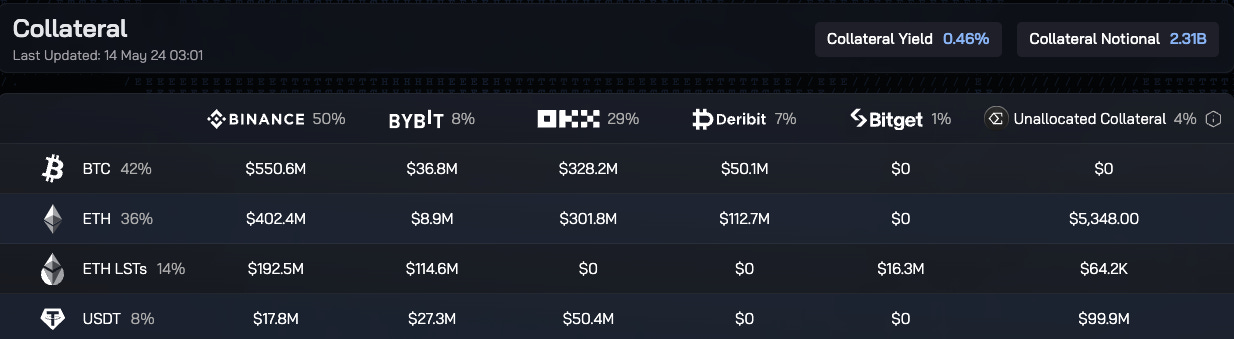
Given the origins of Ceffu as Binance Custody, concerns persist regarding its complete separation from Binance—circumstances questioned by the SEC. In light of these connections, it is prudent to infer that a considerable portion of the collateral may reside with Ceffu, given their close relations with Binance. Even though an institutional interplay is assumed, Ceffu attests that all Ethena-related assets under their custody are held in off-exchange solutions and not kept by any digital asset exchange.
A more thorough breakdown would help assess the overall risk to the structure. Greater transparency would also assist users in understanding the differences between reported collateral balances and USDe in circulation. It is important to note that the data on the dashboard is delayed by 6 hours, which may explain the discrepancies observed between the amount of USDe in circulation and the "Collateral Notional" values.
Ethena also sources off-chain price information from the individual exchanges it trades derivatives on, such as Binance, OKX, Bybit, and Deribit. Ethena also works with "Off-Exchange Settlement Providers," such as Copper, Ceffu, and Cobo, who provide custody services and the functionality to enable Ethena to use its collateral, which is custodied with these providers, to margin its derivatives positions on CeFi exchanges. These providers are not trading counterparties to Ethena for derivatives trades.
Trusted Third-Party Agreements
Ethena has entered into Trusted Third-Party Agreements with all three custodians, establishing clear legal boundaries for their joint activities. While LlamaRisk has reviewed a model agreement with Copper, its specifics are not disclosed herein to honor Ethena's commercial confidentiality.
Under contract provisions, the trusted third party, distinct from Copper, is committed to providing extensive support, including wallet creation, safeguarding MPC signatory partitions, and handling access data and materials. This entity is responsible for using these resources to process transactions, leveraging backups when necessary, and furnishing MPC data and materials to Ethena and Copper in scenarios where they cannot sign transactions themselves.
The same party is entrusted with executing Safeguarding Services and playing a pivotal role in activating a Disaster Recovery Scenario should there be a misplacement or loss of MPC signature data or materials. This entity is also tasked with processing transactions based on explicit directives from Ethena or Copper.
Crypto assets transfers, withdrawals to trading accounts, or EOAs, are controlled by 2/3 multisig, typically requiring signatures from Ethena and Copper to execute transactions. The trusted party acts as a critical safeguard, held in reserve to facilitate the recovery of crypto assets in cases where Ethena or Copper cannot provide signatures due to operational failures or other unforeseen circumstances.
Further, the trusted third party is authorized to process transactions under additional stringent conditions, such as during the dissolution proceedings or liquidation of Copper or in compliance with orders from competent authorities. It is explicitly mandated that the trusted party refrain from processing transactions if there is an awareness or notification from Copper that such action would constitute a legal breach.
Detailed representations and warranties support these responsibilities, ensuring adequate insurance levels, compliance with applicable laws and regulations, and execution of activities with requisite skill, care, and diligence.
This framework ensures a robust system for transaction management, where the trusted party’s role as an emergency operational backstop adds a layer of security against mismanagement or potential conspiracy between the primary signatories—Ethena or Copper.
The safeguarding responsibilities encompass a thorough list of protocols to manage data files and passwords, including their storage, control, monitoring, access rights, and regular audits to ensure robust security measures are perpetually in place.
The appointment of the trusted third party is Ethena's sole responsibility, highlighting that Copper bears no liability or responsibility for this entity's suitability, actions, or inactions.
Proof of Collateral Assets
Ethena has recently taken steps to improve the transparency of its collateral assets by providing custodian legal attestations. These attestations verify that the backing assets of USDe reside with off-exchange custodians and include the amount held with each custodian.
As of May 2024, the attestations provided a breakdown of the USDe supply and the corresponding custodied assets held with each provider. The total backing assets, excluding the reserve fund, and the percentage of USDe supply covered were also reported. The reserve fund was also noted, and the total backing, including the reserve fund, was calculated as a percentage of the USDe supply.
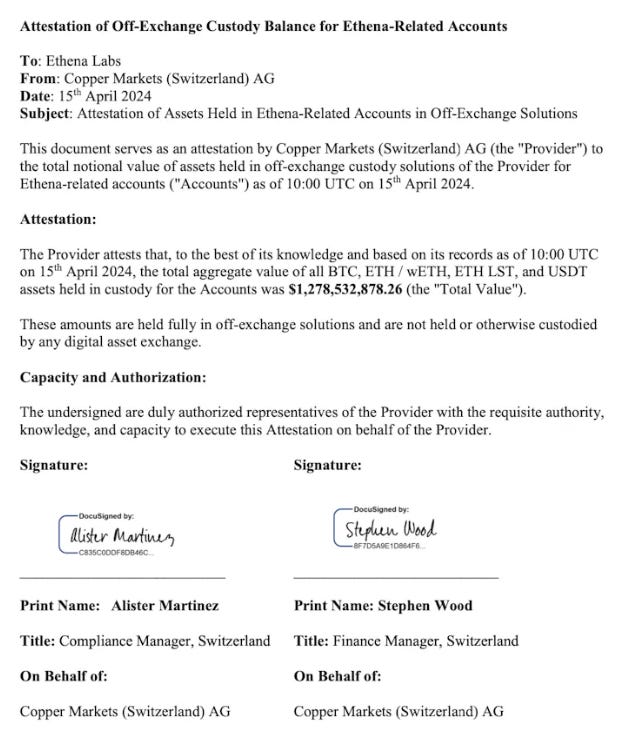
Ethena has committed to releasing these attestation reports every month to provide regular updates on the amount and location of the assets backing the protocol, and it has expressed its intention to later publish an on-chain proof-of-reserves for improved transparency. Future reports will be shared in the Ethena governance forum, which was inactive at the time of writing, with only a welcome post and no other discussions or activity at the moment.
Oracle Risk
Internal Pricing Oracles
Ethena's internal pricing system calculates collateral values in USDe terms using real-time data feeds from centralized exchanges like Binance, Bybit, and OKX, where Ethena holds derivative positions. This pricing is crucial for determining the amount of USDe minted, the size of hedging positions, and managing margin requirements.
To protect against single-source manipulation, Ethena sanity checks its internal pricing against on-chain oracles from Pyth and Redstone before accepting mint/redeem requests.
According to Ethena, their system detects and mitigates invalid or outdated data through the following mechanisms:
Exchange data is compared against Pyth and must fall within a manually set tolerance, wide enough to allow for rapid moves while avoiding reactions to trade-through events.
Ethena optimizes data processing during high volatility to ensure responsiveness and prevent bottlenecks.
Continuous-time synchronization with exchanges is maintained, and RFQ look-back periods are updated to ensure acceptance only with up-to-date market data, protecting against adverse selection by faster market makers.
Trading is temporarily suspended if market data latency exceeds a predetermined threshold and resumes only when latency improves and stays below the threshold for a certain period, preventing rapid toggling due to minor fluctuations.
However, it is important to note that these claims regarding Ethena's internal systems cannot be independently verified as they are not publicly accessible or auditable.
USDe Price Feed for 3rd Parties
The following price feeds are available for USDe:
DeFi protocols wanting to integrate sUSDe can use the convertToAssets and convertToShares functions, as sUSDe conforms to the ERC4626 vault standard.
Economic Risk
Effectiveness of Delta-Neutral Hedging
Ethena employs a delta-neutral hedging strategy using perpetual futures contracts on centralized exchanges to maintain the USDe peg. This basis trade involves taking a long spot position in the collateral (e.g., staked ETH) and a short position in perpetual futures contracts to offset market risk exposure.
The long spot position in the collateral exposes the underlying asset's price movements. In contrast, the short position in perpetual futures contracts allows Ethena to hedge declines in the collaterals' prices. This approach aims to profit from the funding rate while neutralizing the impact of price fluctuations on the collateral's value, thereby helping stabilize the USDe peg.
The effectiveness of this approach relies on several factors:
Accurate pricing data: The hedging positions must be based on reliable and up-to-date price information to ensure proper alignment with the collateral's value.
Efficient execution: Ethena needs to execute the necessary trades to maintain the delta-neutral position efficiently, minimizing slippage and transaction costs.
Sufficient market liquidity: The futures markets used for hedging must have adequate liquidity to absorb Ethena's trades without significant price impact.
Management of funding rates: Ethena must pay to maintain its position if funding rates turn negative. In such a scenario, it is logical for Ethena to start unwinding its positions to minimize losses, which would nullify its yield generation strategy. This could lead to a liquidity crunch and a mass sell-off of assets, ultimately threatening the stability of USDe's peg.
However, the effectiveness of delta-neutral hedging in crypto assets may be limited by high volatility and boom-bust cycles. Schmeling, Schrimpf, and Todorov (2023) show that the futures basis, or "crypto carry," can become very large and varies strongly, driven by fluctuations in "convenience yields." Convenience yields represent the benefits of holding an underlying asset directly, such as using it as collateral or meeting liquidity needs. Higher crypto carry predicts an increased risk of price crashes and liquidations as leveraged investors borrow to profit from the positive carry. If convenience yields decrease, it can trigger a cascade of liquidations and rapid unwinding of positions, leading to a price crash. The interplay between leveraged trend-followers, slow-moving arbitrage capital, and high leverage may contribute to these destabilizing dynamics.
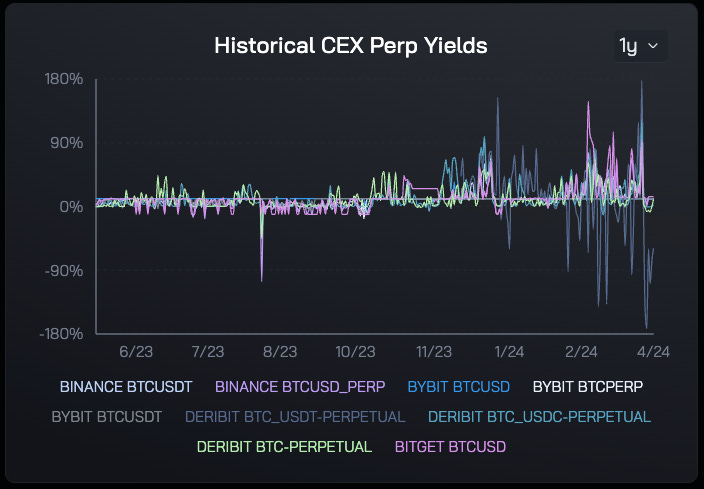
Although the funding rates of the derivatives utilized by Ethena have been predominantly positive over the past year, there have been brief periods of negative rates. During these times, Ethena would have been required to take swift action to rebalance its positions and mitigate potential losses.
Ethena's use of derivatives positions for hedging purposes is critical to its risk management strategy. To allow for a thorough assessment of the associated risks, Ethena should provide detailed information on these positions, including:
Notional size: The total value of the derivatives contracts held by Ethena
Leverage: The amount of leverage employed market-wide in short derivatives and the potential impact on Ethena's balance sheet
Counterparties: The specific entities Ethena has entered into derivatives contracts with and their respective credit ratings
While Ethena provides sufficient information on its counterparties, no information is available on its positions' notional size and leverage. This lack of transparency makes it challenging to assess the overall risk profile of Ethena's derivatives holdings and its potential impact on the stability of the USDe stablecoin accurately.
Historical Price Stability
As USDe is a relatively new stablecoin, historical price data is limited, making it challenging to assess its long-term peg stability. While short-term stability has been observed, the stablecoin's performance during extended market volatility and stress periods remains untested.
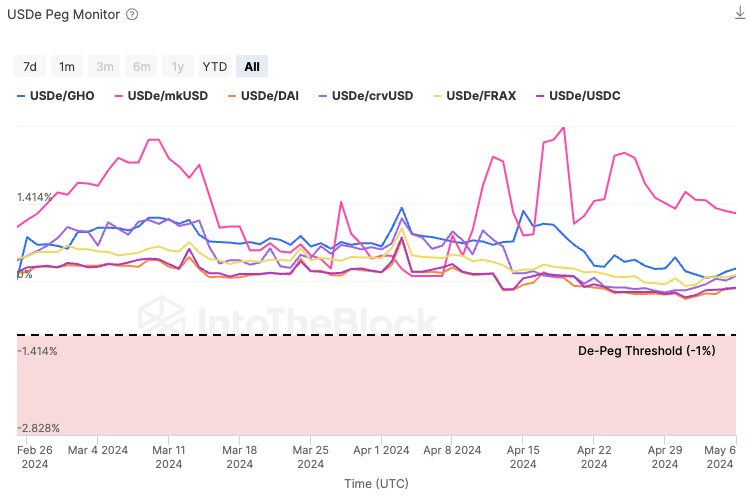
To gauge the potential risks associated with USDe's growth and its impact on the markets used for hedging, it is essential to monitor the following metrics:
Historical CEX Perp Yields and Avg Perp Yields for BTC and ETH: These graphs help identify periods of negative funding, which could impact USDe's stability.
Ethena % of O.I.: This metric indicates Ethena's market impact and the potential for slippage during liquidity crunches or high-USDe redemption periods.
Protocol APY and sUSDe APY: Comparing these yields can help assess the impact of perpetual funding rates on the protocol. A disconnect between perpetual funding and protocol yield could indicate a portfolio transition to other derivatives, such as futures.
sUSDe Spread vs 3m Treasury: This metric may serve as a leading indicator for USDe demand. If sUSDe loses yield relative to 3m Treasury, it could foretell a loss of interest in sUSDe and USDe among Ethena depositors or stakers, leading to selling or redemption.
Taker buy/sell volume and Trader long/short ratio for BTCUSDT and ETHUSDT perpetual futures (period 1D): These metrics provide insights into spot market sentiment and potential hedging market imbalances that could affect USDe's stability.
The rapid growth of USDe and its integration into DeFi protocols like Maker (D3M), Curve, and Morpho raises concerns about potential risks if the protocol grows too large relative to the available liquidity in the markets used for hedging. If Ethena's hedging positions become too large or concentrated, they could cause slippage and be difficult to unload in times of crisis, potentially disrupting secondary markets.
Liquidity and Market Maker Behavior
As Ethena grows, the ratio of available perpetual liquidity to the protocol's size becomes increasingly important. Suppose Ethena's derivatives trades are expected to impact the market significantly. In that case, market participants will naturally demand large discounts on any contracts that Ethena will seek to sell or premiums on any contracts that Ethena will seek to buy.
This is not an issue at the current scale at which Ethena operates. For example, Ethena's total BTC position appears to be less than 1% of the average daily volume on Binance.
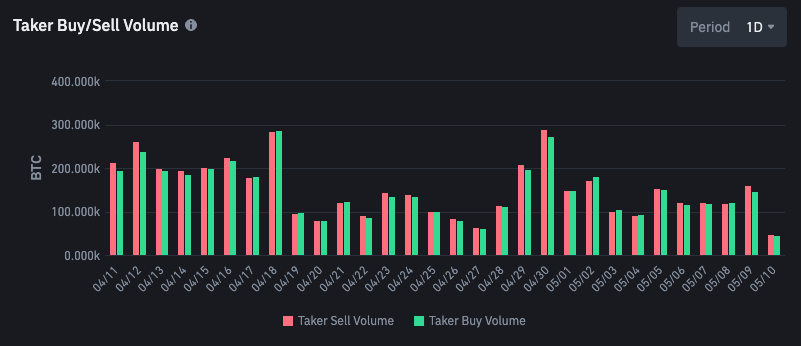
This behavior can exacerbate the liquidity crunch during market downturns, where the protocol sells its short hedges at sharp discounts due to insufficient liquidity, potentially causing negative funding rates and, thus, collateral losses, which would impact the stability of the USDe peg.
To mitigate this risk, it is essential for Ethena to monitor the ratio of available liquidity to its size and to ensure that there is sufficient liquidity in the markets it relies on for its hedging activities. Additionally, increased transparency from Ethena regarding its trading activities and risk management practices could help market participants better assess the potential impact of the protocol's trades on market liquidity and adjust their strategies accordingly.
Inherent exchange risks, such as major exchanges going offline for extended periods, could also contribute to liquidity crunches and increase the risk of an Ethena implosion. While creating an exit queue for Ethena that matches staked ETH's exit queue could help manage this risk, it may not be sufficient in extreme scenarios where market liquidity dries up entirely.
Ethena can pause Ethena's off-chain system at any time, and unforeseen extreme circumstances may force Ethena to fully halt services like minting and redeeming USDe, staking and unstaking USDe, and loading and offloading derivatives on exchanges, all of which would exacerbate stress in USDe and sUSDe markets throughout. To protect its users, Ethena enforces a 7-day cooldown period for unstaking sUSDe to buffer the amount of USDe collateral necessary to retrieve for redemptions by selling derivatives in any given timeframe.
DeFi Contagion Risk
As a multi-collateral synthetic dollar that relies on derivatives, a potential failure of Ethena or USDe could have far-reaching consequences across the DeFi ecosystem. The rapid integration of USDe into Maker's Direct Deposit Module (D3M) has already raised concerns among other DeFi protocols. Aave has proposed reducing its exposure to DAI and limiting the potential contagion risk.
If Ethena were to experience significant disruption, it could trigger cascading liquidations and a rapid drawdown of USDe liquidity. This, in turn, could cause knock-on effects on other protocols that use USDe or LSTs as collateral, leading to a broader contagion event.
Guy Young, founder of Ethena, emphasized the need to monitor the growth of these leveraged positions to avoid systemic risk, given that Aave's assets are still relatively small in the context of the broader DeFi ecosystem.
Collateral Risk
Collateral Composition
The latest information on Ethena collateral composition can be found here. The current mix is currently comprised of BTC (42%), ETH (36%), ETH LSTs (14%), and USDT (8%).
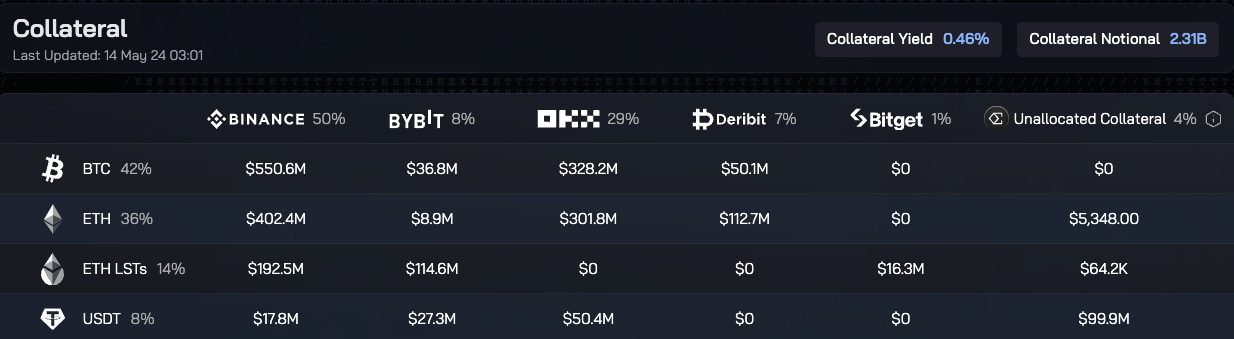
Currently, the decision regarding collateral backing is being made internally, with plans to be presented to governance for consideration within the coming weeks. Whitelisted users have the ability to select from any of the mint assets that are available on Ethena's decentralized application.
Ethena has set an ambitious target to scale its Total Value Locked (TVL) to over $5 billion by September 2024. This rapid growth plan will likely be driven by the diverse collateral options, attractive yields, and the protocol's expanding integration with other DeFi platforms like Maker and Morpho.
LST Collateral Concentration
Ethena's exposure to liquid staking token (LST) collateral, namely stETH, could create a systemic risk to USDe's stability. The value and liquidity of LSTs are closely tied to the performance and security of their underlying staking protocols and the Ethereum network itself.
Any LSTs' price, liquidity, or security disruptions could force Ethena to rapidly unwind its derivative positions or sell off its LST holdings in an illiquid market.
Insurance Fund
An adequately sized and well-managed insurance fund is critical to Ethena's risk management framework. The insurance fund serves as a buffer against potential losses and helps maintain the stability of the USDe stablecoin.
The Reserve Fund, as described in Ethena's documentation, serves as a vital safeguard—the protocol's ultimate contingency mechanism. This fund is intended to provide necessary capital during periods of negative funding and act as a last-resort buyer for USDe in the open market, ensuring liquidity and stability under adverse conditions.
The control of the reserve fund is entrusted to a 4/8 multi-sig solely composed of Ethena Labs contributors. No further information on the signatory is provided.
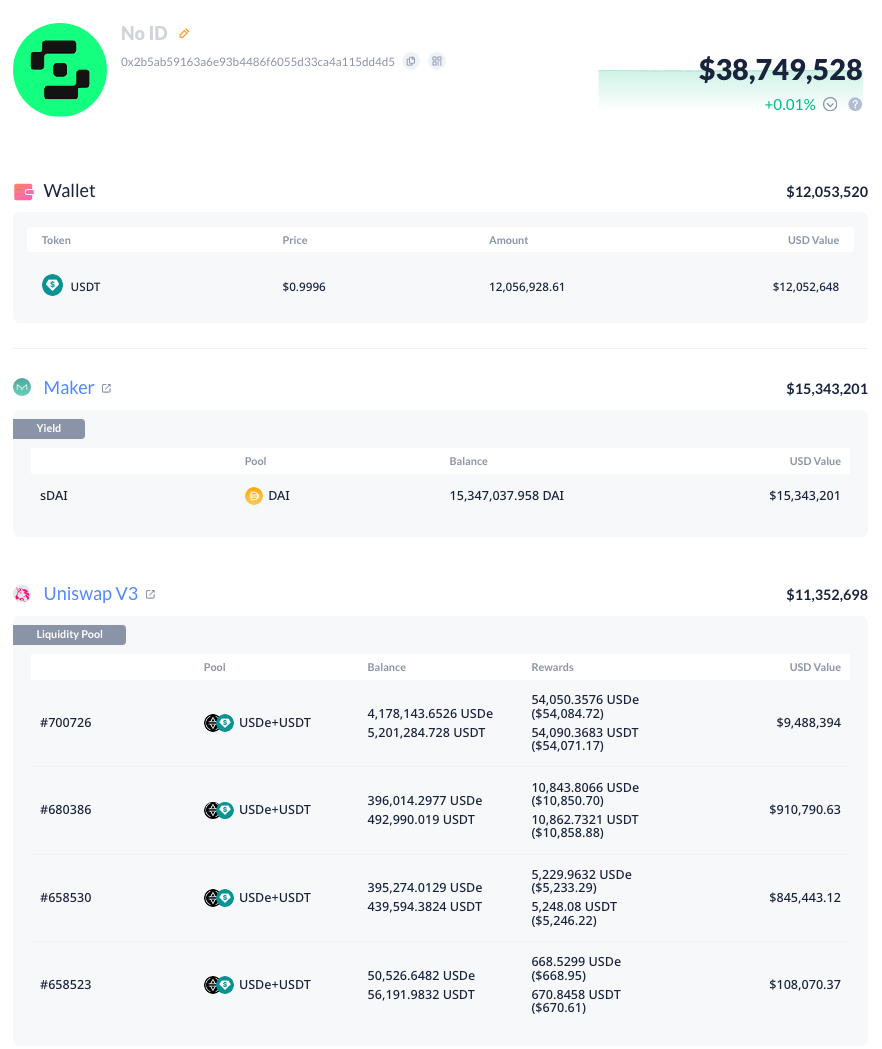
A significant concern is that a large portion (about 30% at the time of writing) of the insurance fund provides USDe/USDT liquidity on Uniswap V3. In a de-peg scenario, the insurance fund's capital could lose value, compromising its primary purpose. Another large portion (about 40% at the time of writing) is invested in the DAI Savings Module, which has a small portion of USDe as its underlying asset. These circular ties are a concern; the fund's value must be further discounted if it is primarily endogenous collateral.
In clarifications with Ethena, they confirmed that proceeds from the mint fee (10-15bps, dynamically adjusted) are typically transferred manually from the custody account to the insurance fund. The trigger for these transfers is the weekly payment every Thursday on sUSDe yields: funds flow from the custody account to the sUSDe payout fund, distributed to both the sUSDe yield contract and the reserve fund.
To improve transparency and allow for a proper assessment of the fund's effectiveness, Ethena should disclose:
The specific scenarios or conditions under which the fund can be deployed
The governance process for making decisions related to the insurance fund, such as topping it up or using it to cover losses
Any plans for further growing or diversifying the insurance fund
The long-term vision for the insurance fund's capitalization remains vague. Currently, the shard campaign is anticipated to be a primary source of yield generation. However, Ethena's governance is expected to make future decisions regarding the capitalization and strategic direction of the fund. Ethena's governance model still needs to be defined. Consequently, the decision-making authority over critical features of the Reserve Fund needs to be clarified.
Overcollateralization and Liquidations
A "liquidation" mechanism that automatically redeems a minter's USDe and returns the corresponding amount of collateral does not exist. Instead, Ethena maintains an over-collateralization ratio, thanks to its reserve fund and a mint fee, to protect against collateral price fluctuations and ensure that the value of the collateral always exceeds the value of the outstanding USDe tokens. This over-collateralization acts as a safety buffer, allowing the system to absorb some level of price volatility without compromising its solvency.
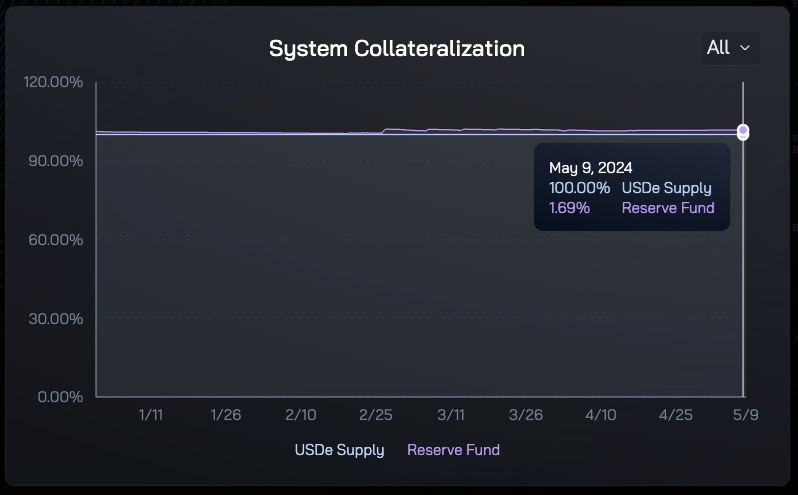
The USDe mint fee, dynamically adjusted between 10 and 15bps according to market conditions, is collected in custody accounts for use as USDe redemption liquidity or extra derivatives collateral.
Chaos Labs, in its report Perpetual Futures Liquidity and Funding Rate Considerations for Ethena, backtested a maximum collateral drawdown of 4.3% between Jan 2021 and Nov 2023 due to perpetual funding rates flipping negative during the merge of Sep 2022. It thus recommended an initial "$33m insurance fund