After the recent release of large model products such as Llama 3.1, the advantages of GPT-4o are rapidly shrinking, and OpenAI has resumed its intensive pace of new product releases after a period of silence.
Just now, OpenAI officially announced that its search product SearchGPT is open for internal testing. This product, which has been rumored since May, has officially debuted.
However, SearchGPT is not yet fully open, and you need to apply to join the waitlist first.
Internal test application address 🔗 https://chatgpt.com/search
OpenAI said that SearchGPT aims to use the powerful ability of the model to retrieve information from the network, providing users with fast and timely answers with clear and relevant sources. It is currently open to a small number of users to obtain feedback.
Sam Altman also expressed on X that he prefers this search method to traditional search, and publicly solicited users' opinions.
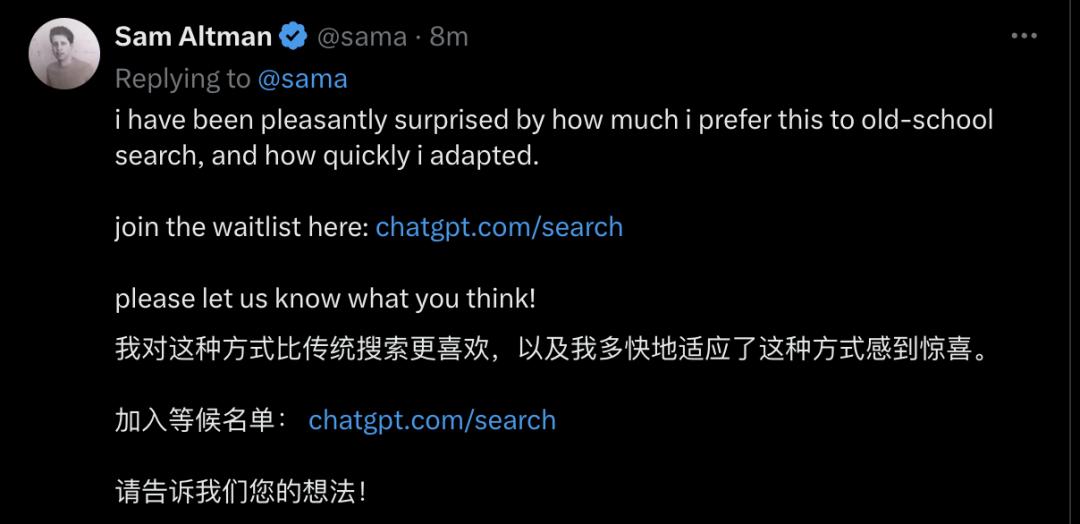
Although the prototype currently in beta is temporary, OpenAI plans to integrate the best parts of these features directly into ChatGPT in the future.
At present, AI search is still far behind traditional search engines such as Google in terms of market share, but this track is already very lively. As a latecomer, what is the difference between OpenAI's SearchGPT and products such as perplexity and Bing?
The interactive interface of SearchGPT is similar to that of ChatGPT. You can quickly get answers by simply entering questions in the dialog box.
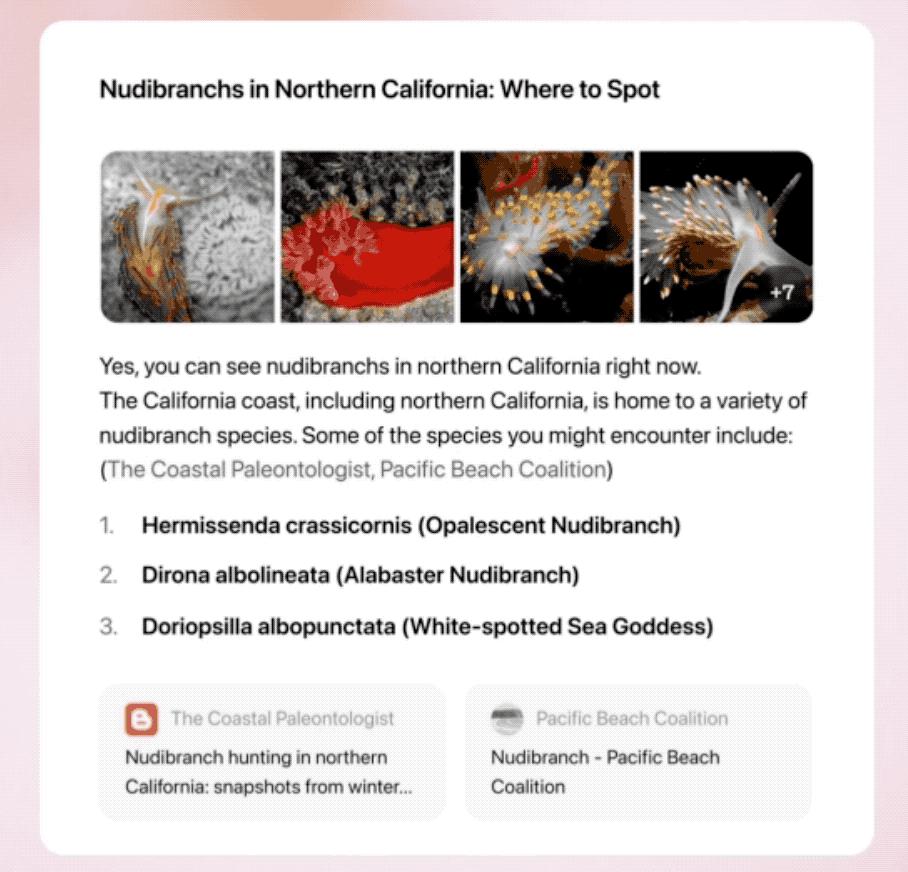
In the display of cited sources, SearchGPT uses a short text hyperlink method. When you move the mouse over the text, a card containing the source title will pop up. This display method is different from most AI searches now.

After the initial question, users can continue to ask more questions, just like our current conversational experience with ChatGPT, where each search establishes a shared context.
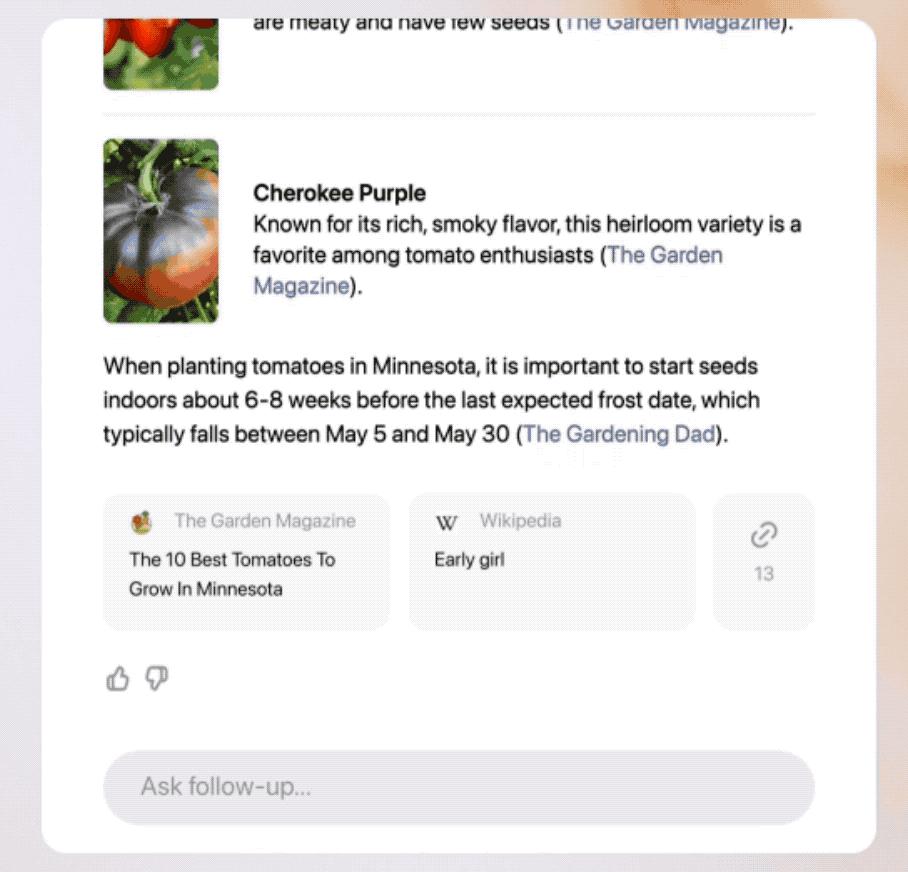
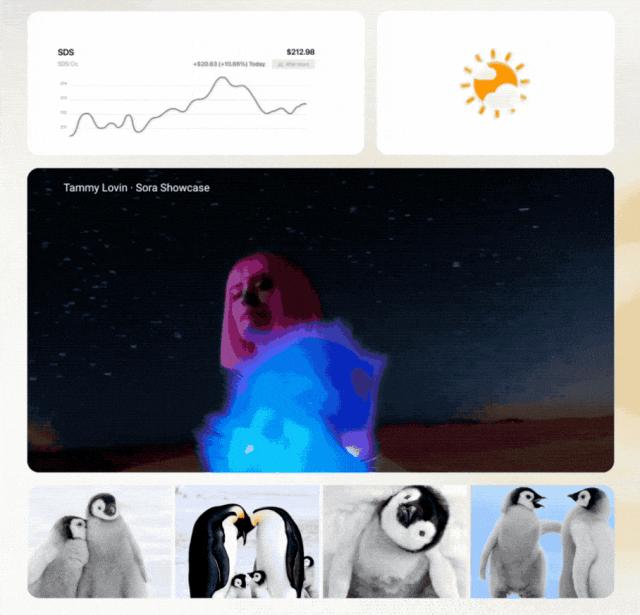
In terms of displaying search results, in addition to text SearchGPT also provides feedback on images and videos, making the search experience in some scenarios more intuitive.
OpenAI also announced a partnership with some news media, hoping that SearchGPT users will be able to connect with publishers by prominently citing and linking publishers in searches. Users can quickly view more results through the source link in the sidebar.
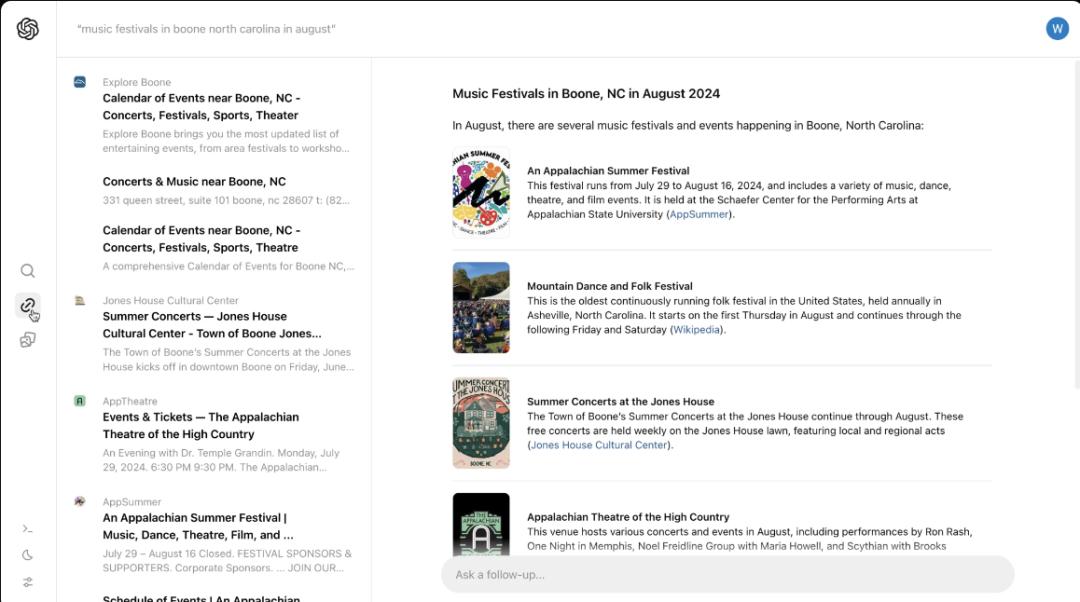
News outlets working with OpenAI can manage how they’re presented in SearchGPT, which, in terms of data processing, is focused on search and separate from training OpenAI’s underlying generative AI models.
Even if these news sites choose not to be used for large model training, they can still appear in search results.
APPSO will share more experiences and details about SearchGPT with you as soon as possible after obtaining the test qualification.
Finally, I would like to share with you Perplexity CEO Aravind Srinivas’ views on the future of AI search in a recent interview.
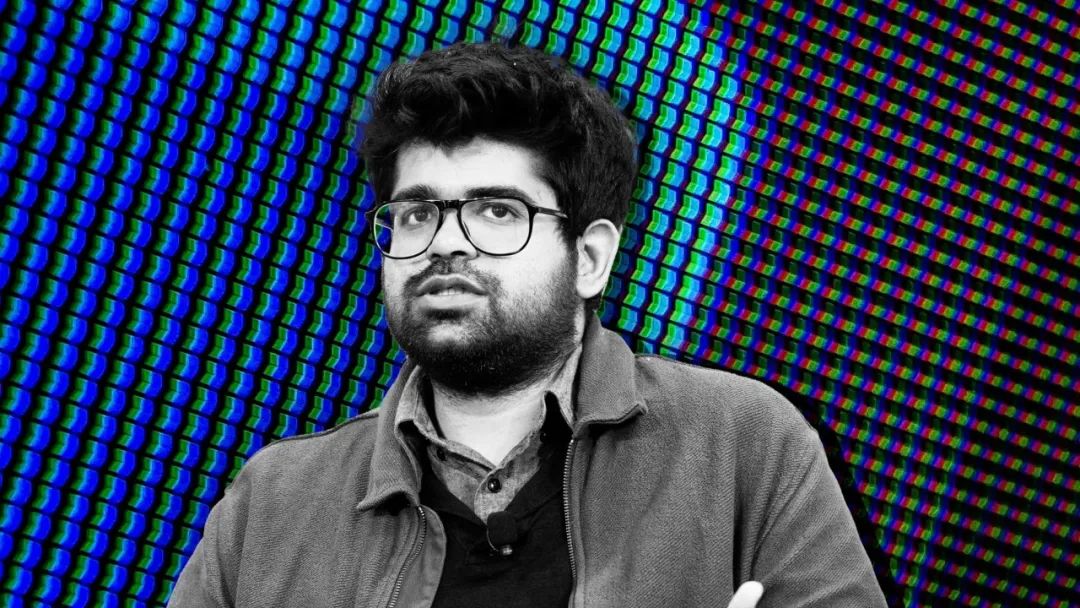
Aravind Srinivas: If you look further back, even before the Internet, knowledge has always been spreading. It's a bigger thing than search.
Search is one way. The Internet is a way to quickly spread knowledge, first organized by subject, then Yahoo categories, then more hyperlinks. Google also started doing instant question and answer through knowledge graphs and so on. I think even in 2010, a third of Google's traffic, which was 3 billion queries a day at the time, was instant answers from Google Knowledge Graph, basically stuff from Freebase and Wikidata, all of it.
So obviously, at least 30 to 40% of the search traffic is only part of the answer. The rest, you could say like what we are serving now, is the deeper answer.
But the other thing that's true is that with deeper answers, deeper research power, you can ask questions that you couldn't ask before. Like, can you ask a question like "Is AWS on Netflix?" That will allow you to ask a new kind of questions, a new kind of knowledge transfer. So it's hard to clearly explain the difference between search and answer engines.
I believe the direction we are heading towards is neither search nor answer engines, but discovery, knowledge discovery. This is the larger mission, which can be met through chatbots, answerbots, voice, etc., but more important than this is guiding people to discover things. I think this is what we want to do at Perplexity, satisfying basic human curiosity.
This article comes from the WeChat public account "APPSO" , the author is: Discover Tomorrow's Products, and is authorized to be published by 36Kr.