Key Takeaways (TL;DR)
Flare embeds oracles into its core protocols to ensure the reliability and integrity of data.
Flare has built a data-driven Block ecosystem. It uses three core protocols: the decentralized price feedback FTSO, the Data Connector that bridges Web2 and Web3, and FAssets that leverage non-smart contract assets.
Flare started as a data infrastructure. With the launch of FAssets, its goal is to become a liquidity hub that connects the ecosystem, including assets like BTC, XRP, and Dogecoin.
The Weakness of Block Technology
Block technology follows the "code is law" principle, creating a trustless system that provides security and trust through automated process execution by code, eliminating the need for third-party intermediaries. However, the security of this system entirely depends on the integrity of the input data. If the input data is problematic, even a perfectly designed smart contract can malfunction, leading to unpredictable system behavior and potential risks.
To address this challenge, the Block industry has introduced oracles, which are distributed data providers. However, oracles typically operate outside of the Block, limiting their ability to maintain the security and integrity of the Block. Additionally, the use of external data sources introduces the risk of single points of failure, as some oracles lack decentralization due to reliance on a few nodes. Therefore, data reliability becomes a weakness of Block technology.
All About Data
Source: Flare
Flare is a Block infrastructure focused on "data" to solve the problem of reliance on external oracles. While existing Blocks often rely on external oracles to access data to ensure security, this setup cannot guarantee the reliability of the data obtained.
Flare ensures that oracles enjoy the security of the Block by embedding them into its core protocols. To successfully hack the oracles, the entire Block network would need to be compromised, a structure that provides a guarantee for the reliability and security of the data. Flare's approach is to integrate the Block and oracles into a single system, eliminating the security risks posed by external oracles. Developers can leverage the embedded oracles to seamlessly build data-rich Web3 services without relying on external solutions.
Flare provides three core protocols built on its embedded oracles. 1) The Flare Time Series Oracle (FTSO) provides decentralized price information. 2) The Flare Data Connector (FDC) integrates external chains and Web2 data sets into Flare, verifying and protecting the data within the Block. 3) FAssets make non-smart contract assets like BTC, XRP, and Dogecoin available for DeFi, expanding their functionality within the Block ecosystem.
2.1. FTSO: Providing Decentralized Price Information
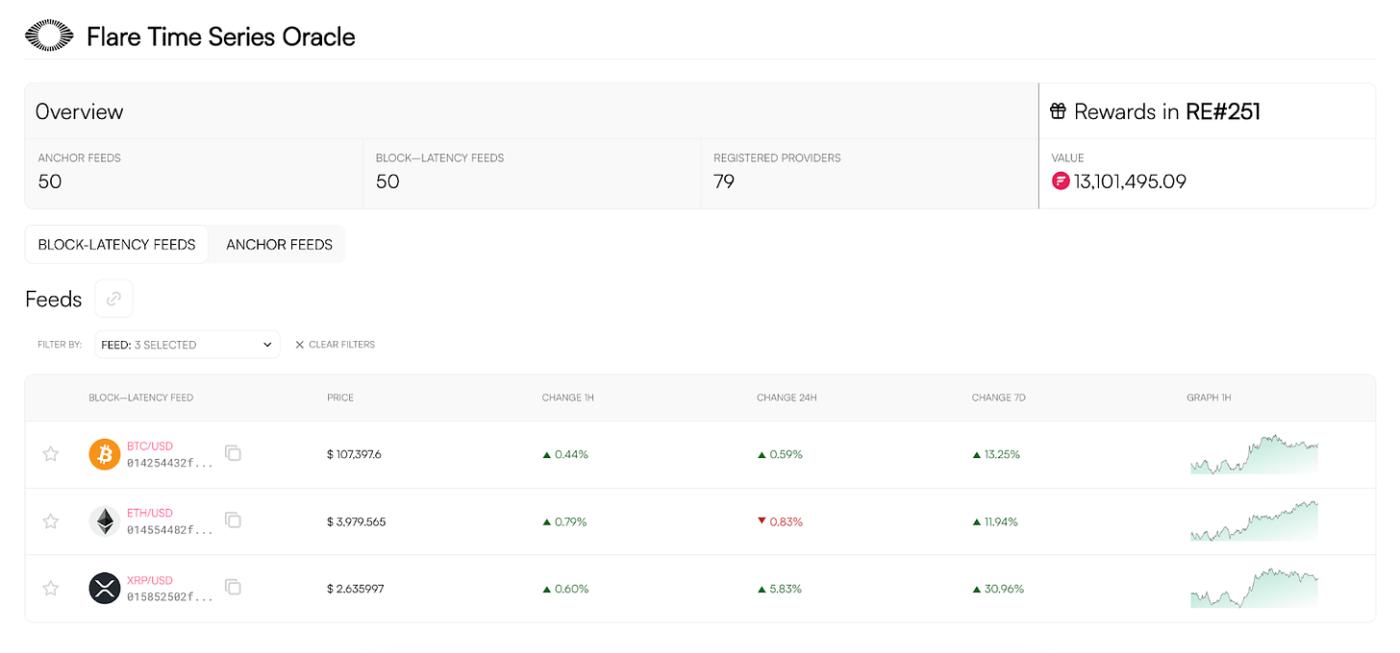
Flare's FTSO provides time series price data in a decentralized manner. This data, which includes asset prices updated at specific intervals, is crucial for many Web3 services, especially DeFi. However, most services still rely on centralized data providers. Manipulation or errors in this data can compromise the reliability and stability of the entire system.
The implementation of FTSO is particularly important because the limitations of centralized data providers have been vividly demonstrated in historical cases. In March 2023, Berkshire Hathaway's stock price plummeted by around 99% due to a computer error, illustrating the risk of single points of failure in centralized data systems. If such errors occur in the automated environment of Web3, it could lead to severe investment losses. Therefore, Flare's decentralized and reliable data solution is crucial in enhancing the stability and reliability of the Block ecosystem.
FTSO, Source: Flare Systems Explorers
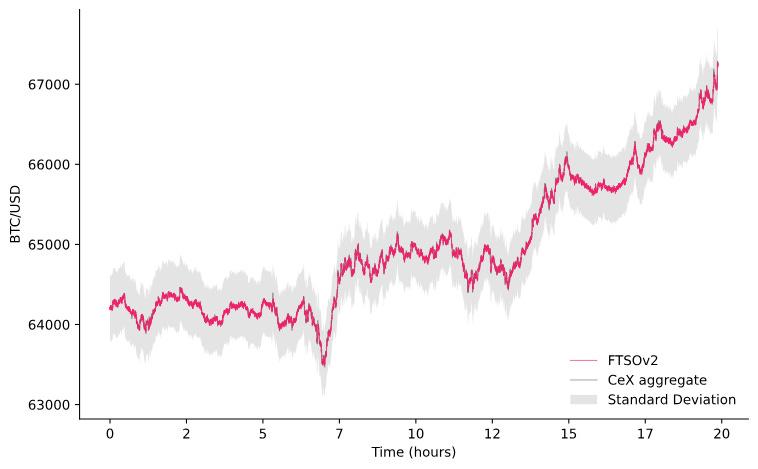
To address this issue, Flare uses a decentralized price feedback system in FTSO, with over 100 independent validators. The validators collect time series price data from various sources and submit it to the Block. The consensus mechanism determines the most accurate value from the submitted data. Validators providing inaccurate or manipulated data are marked as outliers and excluded. They will not receive rewards and may face economic penalties. This system ensures the reliability and integrity of data on Flare.
Source: Flare
The key distinction of FTSO is that all over 100 validators participate in each price information stream. Many oracles face the issue of inconsistent validator participation, where some information streams are well-validated, while others rely on only a few validators. Flare ensures consistent validator participation across all information streams. This minimizes data discrepancies between information streams and enhances the overall system's reliability. FTSO data closely correlates with major exchanges' prices and remains within standard deviation, objectively demonstrating its accuracy and reliability.
In May 2024, Flare released FTSO v2, which increased the speed and breadth of data processing. Previously, the price information was limited to cryptocurrencies, and now it can support a wide range of Web2 data, such as stock and commodity prices. The update cycle has been shortened from 180 seconds to 90 seconds. The number of price information has increased from 18 to over 50, with infrastructure scalable to 1,000 feeds.
2.2. Flare Data Connector (FDC): Connecting All Data
Blocks are inherently isolated from the outside world, posing challenges in integrating real-world data. The Flare Data Connector links external chains and off-chain data to the Flare ecosystem, enhancing scalability and accessibility.
For example, Web3-based insurance services require reliable real-world data, such as weather and flight delays. Without this data, these services may face severe limitations or become infeasible. Prediction markets like Polymarket also rely on reliable data, such as sports scores. If they cannot securely access this data, their availability and risk will increase. Interoperability with other chains is crucial for the Block ecosystem. Without connections to other networks, Blocks will remain isolated, limiting the growth and development of the entire ecosystem.
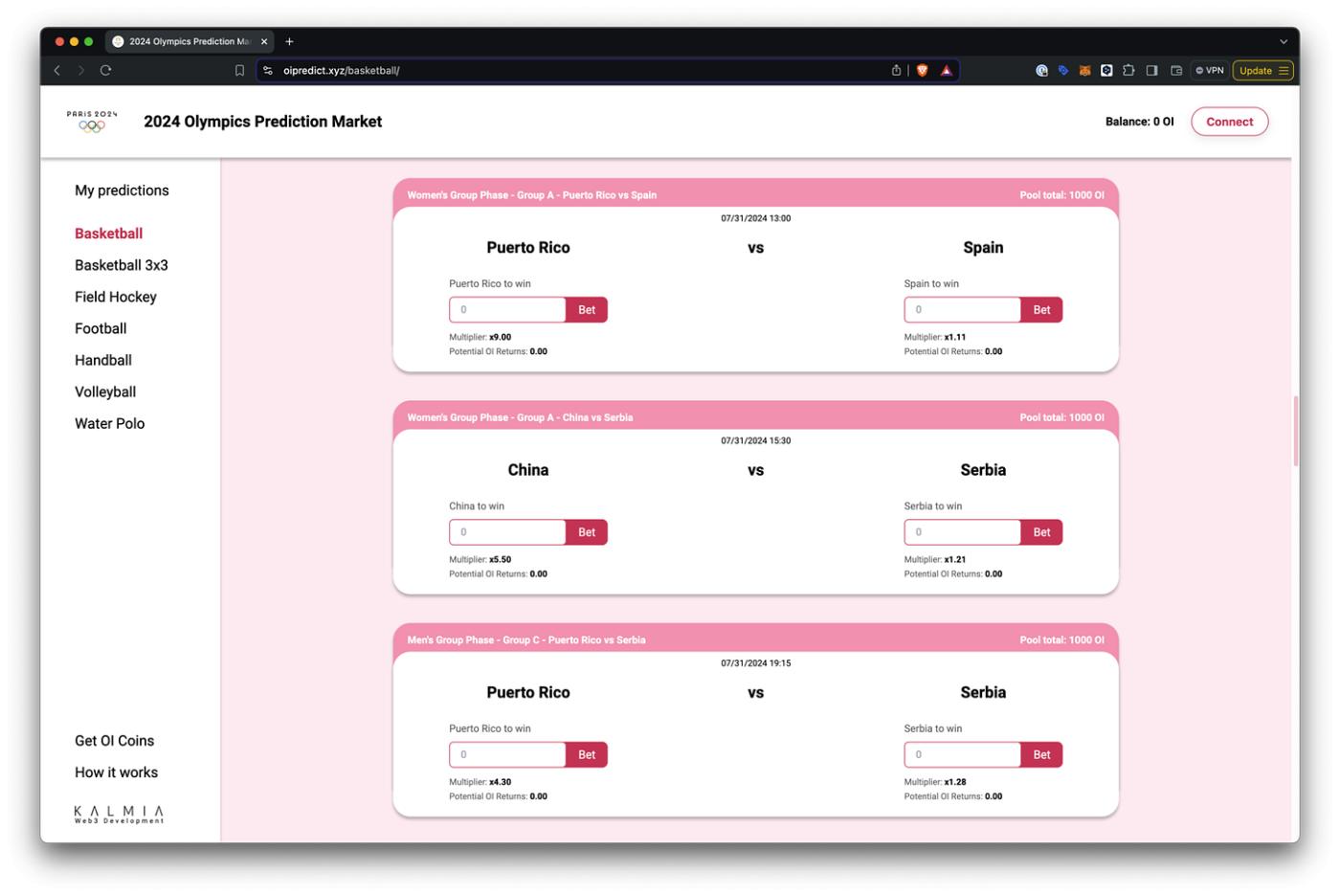
The Flare Data Connector addresses these challenges. Flare's "Paris 2024 Olympics Prediction Market Game" demo showcases its capabilities. The service reliably obtains Olympic event results and rewards users for successfully predicting the outcomes.
Flare Olympics Prediction Market Game Demo, Source: Flare
Flare's Data Connector utilizes a multi-party verification mechanism to ensure the authenticity and accuracy of external data, such as Olympic event results. By independently verifying data from multiple sources, including official APIs, and using a consensus mechanism, Flare's technology addresses the reliability issues faced by many existing services, particularly those relying on centralized providers or manual data input. This design effectively reduces the risks of manipulation and errors, ensuring that services can access high-quality data.
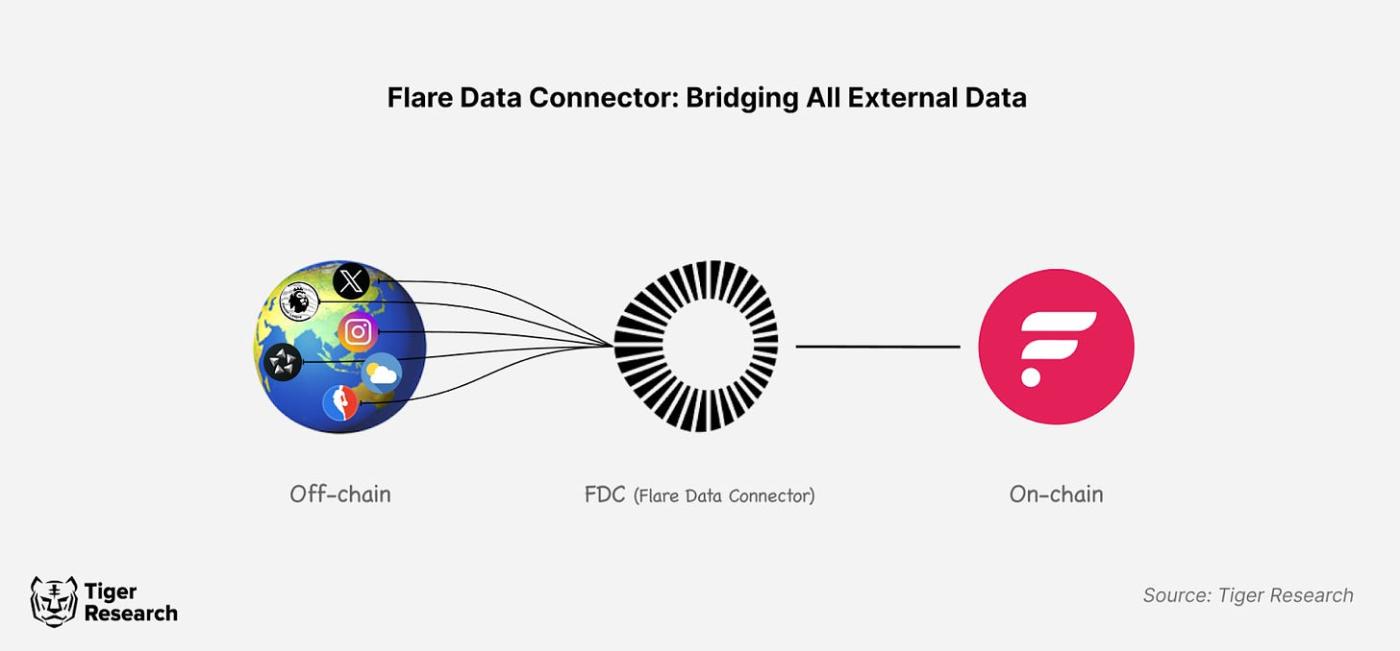
The application prospects of data connectors are very broad, as they can integrate various deterministic data sets into the Block chain through APIs. In addition to sports event results, data connectors can also introduce data from various sources, such as item trading records in online games and the number of likes on social media. By providing support for data exchange between different Block chains, data connectors have realized the interoperability of Block chains, allowing seamless interaction and verification of assets across multiple chains. This functionality has driven the emergence of new use cases, such as allowing NFTs issued on the Flare network to accept Dogecoin or XRP for transactions, further expanding the application scope of the ecosystem.
2.3. FAssets: Building a Multi-Ecosystem Liquidity Hub
Source: Flare
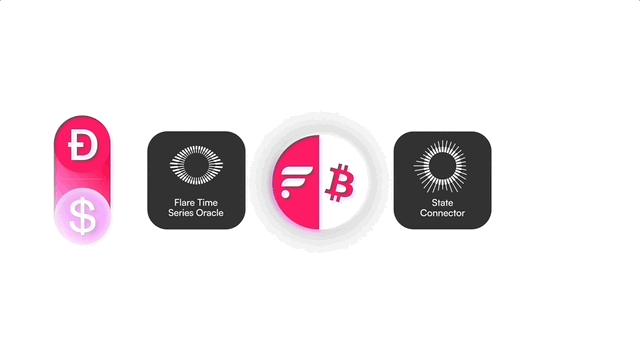
FAssets is a protocol developed by Flare, which allows non-smart contract assets (such as BTC and XRP) to be used in the DeFi ecosystem.Based on Flare's core technology FTSO and data connectors, this implementation breaks the limitations of first-generation Block chains, allowing assets without smart contract functionality to participate in complex DeFi operations.
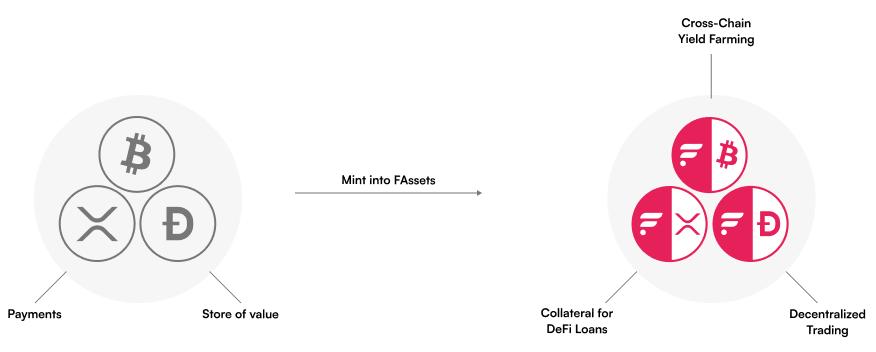
FAssets processing flow, source: Flare
Users who want to convert BTC to FAsset (such as $FBTC) first need to send BTC to a designated address. The data connector will verify whether this transaction has actually occurred on the BTC Block chain. Once verified, the ERC-20-based FAsset will be minted on the Flare network, and the user can then use the token in Flare's DeFi ecosystem or bridge it to other Block chains. This process not only provides users with greater flexibility and convenience, but also significantly enhances the market competitiveness of other non-smart contract assets.
Since FAssets involve asset connections and transfers between multiple chains, ensuring their reliability is crucial. Flare has taken various technical measures to ensure the reliability and security of this process:
1. FTSO real-time price feedback: Real-time monitoring and reflecting market price fluctuations to ensure the effectiveness of assets in DeFi operations.
2. Consensus mechanism: Maintaining the integrity of the system and ensuring that all relevant transactions and operations are fully verified.
3. Over-collateralization model: The value of the collateral assets held exceeds the value of the issued assets, solving the trust problem in traditional centralized models and thereby reducing risk.
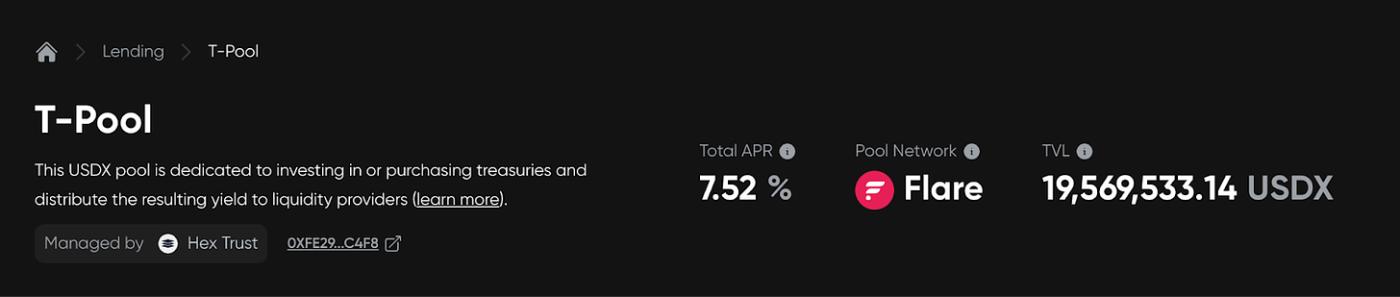
The native stablecoin USDX introduced by Flare plays a key role in the stability and liquidity of the FAssets system.Users can obtain cUSDX by staking USDX, which can be used as collateral in DeFi. Additionally, users can also obtain stable returns from short-term US Treasury bills (T-Bills),which not only strengthens the collateral base of the system, but also provides stability during market volatility, further enhancing the utilization of the assets.
3. How Flare Will Drive the Development of the Web3 Industry
3.1. Expanding the Utility of Non-Smart Contract Assets
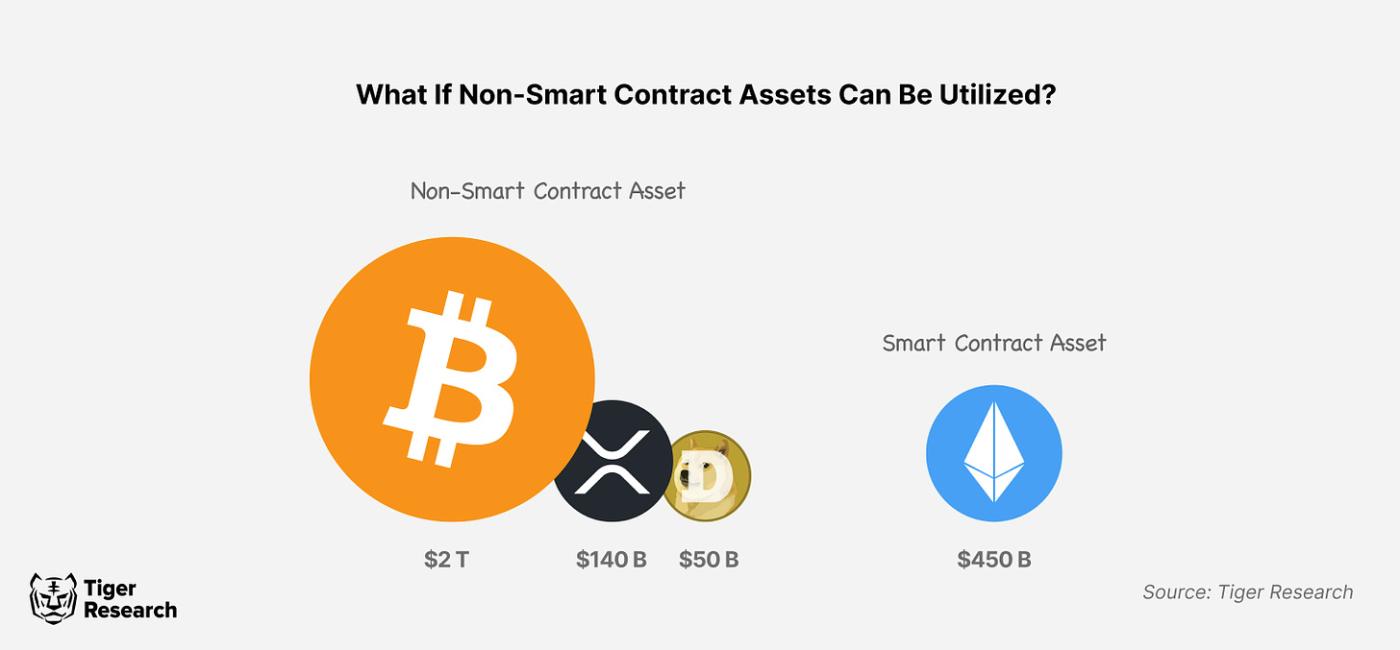
Non-smart contract assets are an important part of the Web3 industry. BTC, XRP, and Dogecoin collectively account for more than 70% of the cryptocurrency market capitalization. Flarepositions itself as a liquidity hub. It connects these large markets to the Web3 ecosystem.
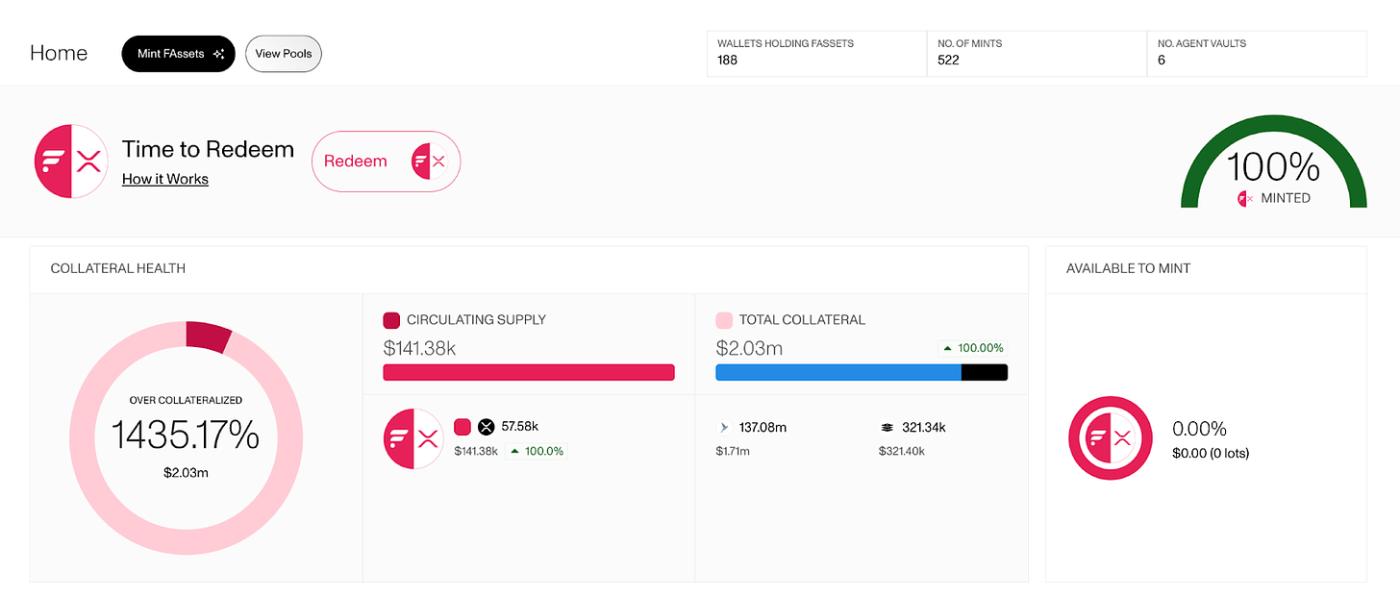
FAsset Songbird, source: Flare
The core of this vision is FAssets. On December 18, 2024, FAssets were launched on Flare's canary network Songbird. Notably, within just one hour of the launch, the Ripple-based FAsset $FXRP was minted, with a value of around $2 million.This highlights the strong market demand and high expectations for leveraging non-smart contract assets.
Source: Dune
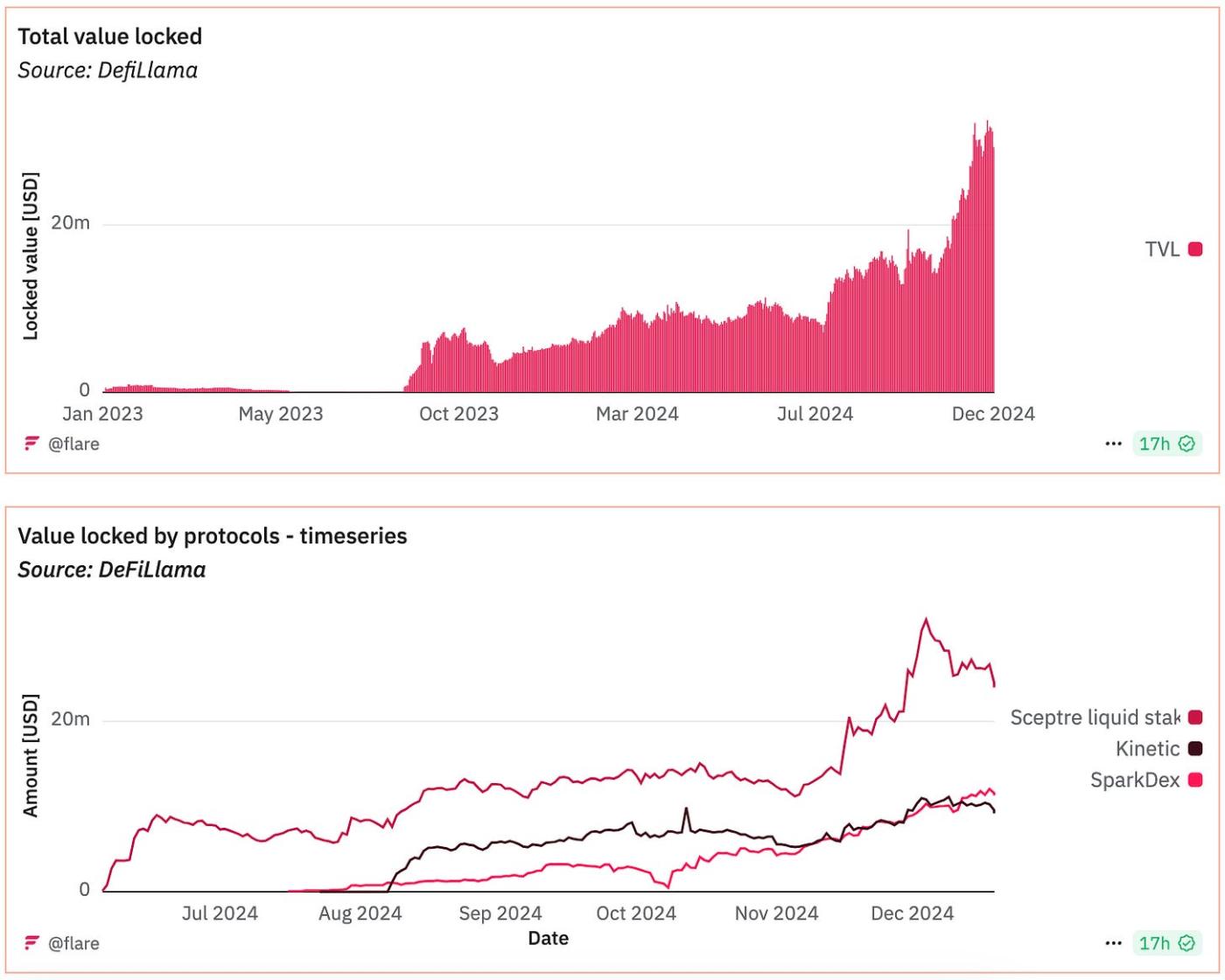
It is worth noting that Flare is expanding its ecosystem through various DeFi services.Its current Total Value Locked (TVL) is $50 million. Active services include the lending platformKinetic, the decentralized exchangeSparkDEX, and the liquidity staking solutionSceptre. The introduction of FAssets is expected to synergize with these services and non-smart contract assets.Flare also runsreward programsto encourage ecosystem participation, which are expected to further enhance its growth momentum in the future.
3.2. Expanding Blockchain Use Cases
Flare aims to expand the application scope of Block chain technology through its data connectors, which effectively connect the traditional Web2 and the emerging Web3 ecosystems. This connection not only accelerates the development of industrial applications, but also overcomes the challenges faced by the Web3 ecosystem in trusting Web2 data. Due to security and privacy concerns, Web2 companies are often reluctant to share their data, and Flare's embedded data oracles can effectively solve these problems. It supports the secure on-chain use of off-chain data and can verify the authenticity and integrity of the data.

Source: Hongjun Technology
In November 2024, Flare collaborated with China's national identity system RealDID, and its technology was recognized. The two parties jointly launched a cross-border KYC solution. This marks the first application of Flare's data infrastructure in the strictly regulated identity verification industry. These achievements highlight Flare's potential in industries where data reliability is crucial. Its technology is expected to accelerate enterprise adoption of Block chain.
4. Flare Innovates Beyond Blockchain
Flare is also considering how to achieve comprehensive industry innovation beyond Block chain data infrastructure. Through technological innovation, Flare has identified two main goals: one is to solve the technical limitations in the Web3 field, and the other is to leverage Block chain technology to advance the development of artificial intelligence.
4.1. Solving the Technical Limitations of the Web3 Industry
The current Web3 ecosystem faces the problems of low data utilization and high computational costs, making the development of data-intensive consumer applications like Instagram and X difficult. To address this, Flare is expanding its infrastructure to provide up to 1,000 real-time data sources and ensure data reliability through decentralized verification, in order to support the development of various services.
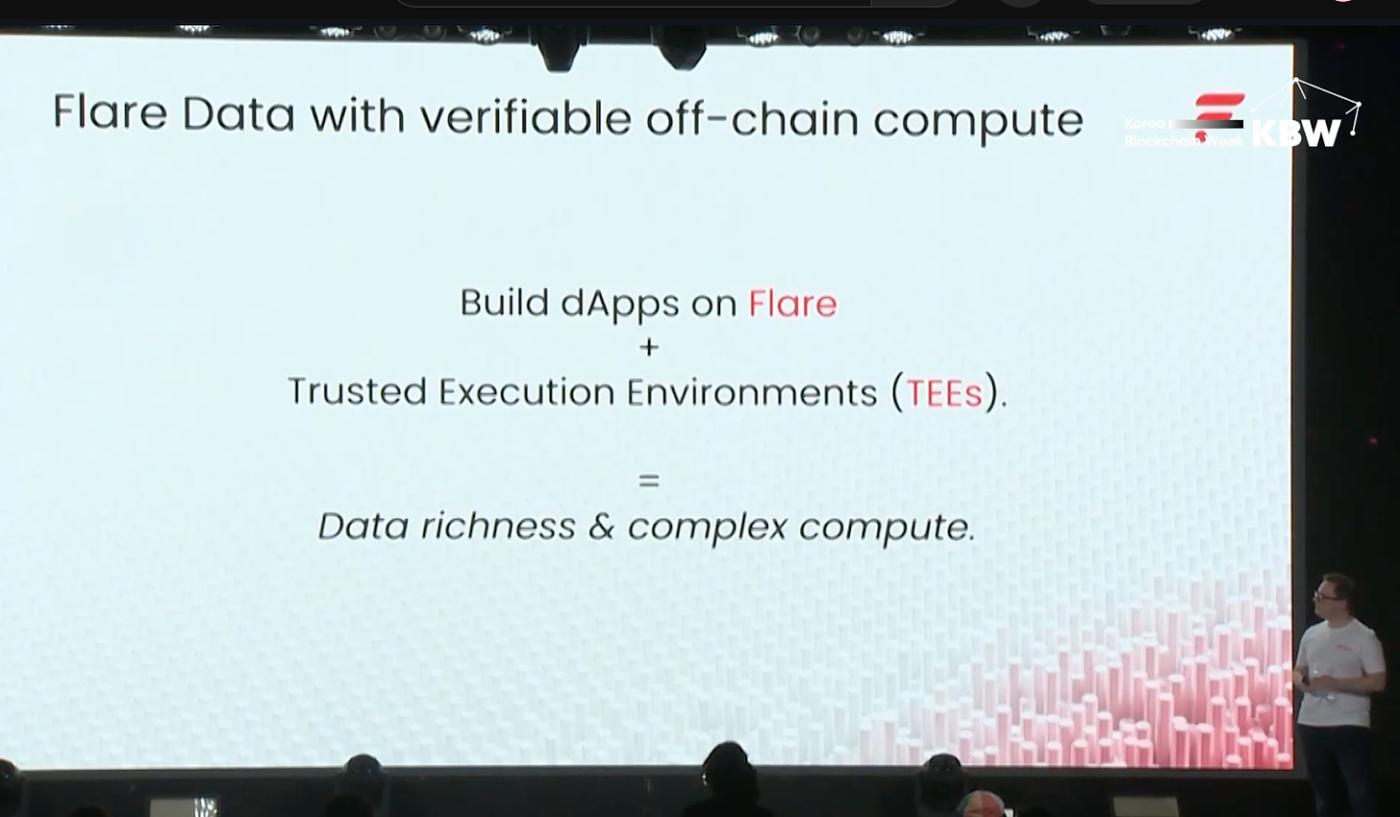
To establish a stable and efficient computing environment, Flare is also researching Trusted Execution Environment (TEE) technology. The combination of these technological capabilities and its experience in operating data infrastructure, Flare is expected to overcome the current technical limitations of Web3 and provide a foundation for large-scale data processing and complex computations.
4.2. Leveraging Blockchain to Advance Artificial Intelligence Technology

Flare, through demonstrating how blockchain consensus mechanisms can drive the progress of artificial intelligence technology, lays the foundation for the sustainable development of artificial intelligence. AI models rely on high-quality data, and the reliable data provided by Flare helps improve the quality of models and reduce the bias caused by poor data. Meanwhile, Flare's reward and punishment consensus mechanism also encourages responsible data generation, solving the problem of scarce high-quality data.
5. Conclusion

How high will BTC go? That's a better question, source: EO
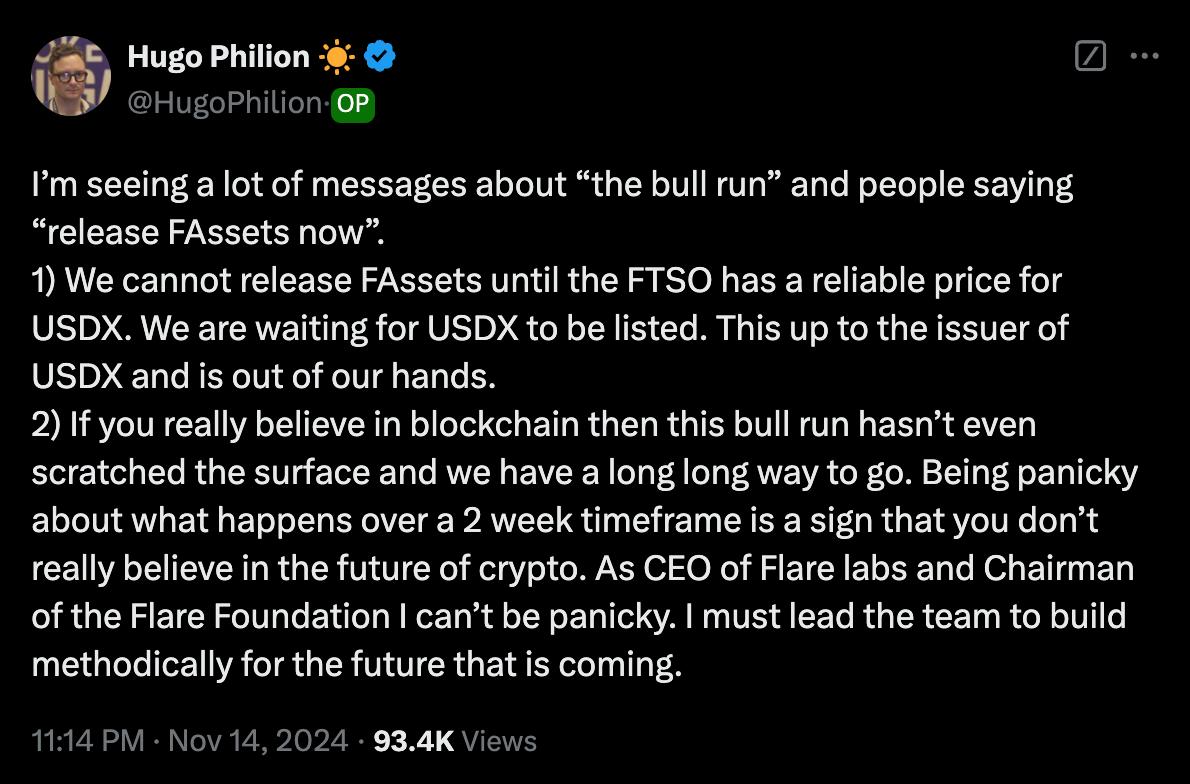
Flare has a clear vision to solve problems beyond Blockchain. "Many projects only focus on capital and finance, but we need to invest more resources to drive technological development," said Flare founder Hugo Philion. This reflects Flare's philosophy of valuing the intrinsic value of technology rather than short-term gains.
Source: Hugo Philion
Flare's development process reflects this philosophy. Reliability and stability are the top priorities. Flare will only release major features after thorough preparation and verification. Hugo emphasized the importance of "building the future in an orderly manner, unaffected by market conditions." Flare focuses on long-term trust and stability, rather than quick profits.
This approach has driven Flare's goal of creating a trusted data infrastructure that goes beyond Blockchain. Flare's future as a key data infrastructure provider is worth looking forward to.
Original link: https://reports.tiger-research.com/p/flare-blockchain-for-data-eng