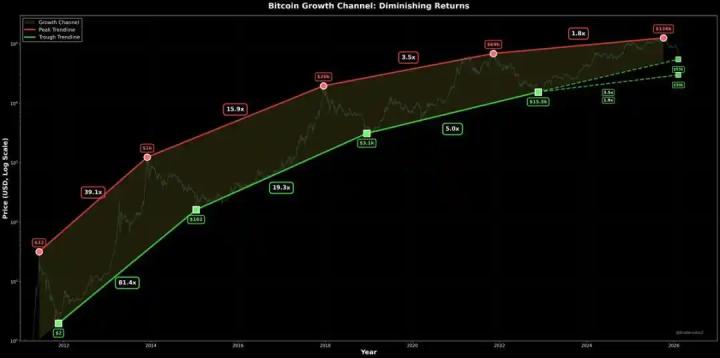
On December 17, 2024, BTC hit an all-time high of $108,365. From less than $50,000 at the beginning of the year to a doubling in price, BTC is leading the virtual asset sector and has established a firm foothold on the world stage.
Over the past year, Hong Kong has made adequate preparations for the integration of “old money”; each sub-sector has delivered its own results.
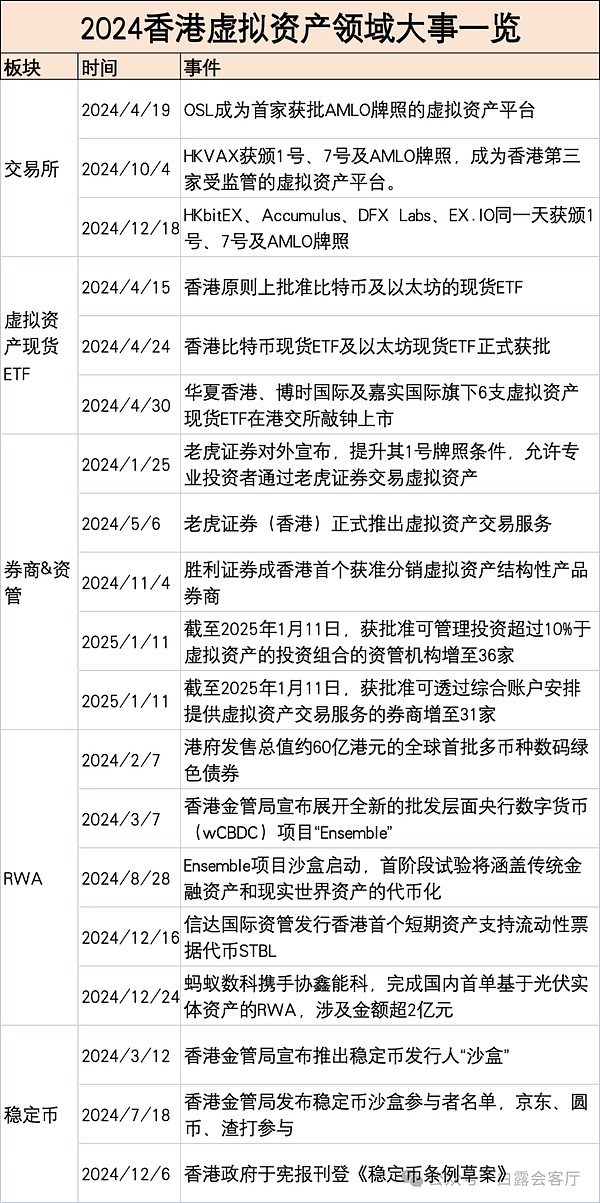
Seven virtual asset trading platforms were approved for No. 1, No. 7 and AMLO licenses;
6 virtual asset spot ETFs listed on the Hong Kong Stock Exchange;
31 securities firms were upgraded to the No. 1 license for virtual assets;
36 asset management companies have been upgraded to the No. 9 license for virtual assets
In the highly-watched RWA track, the Hong Kong government issued over HK$6 billion in multi-currency digital green bonds, the HKMA's Ensemble Sandbox, the Stablecoin Sandbox, Ant Digits and GCL Energy's over HK$200 million in photovoltaic physical asset RWA, etc.
However, it cannot be denied that the primary market crypto assets and secondary market funding in Hong Kong have not yet fully ushered in the dawn, and they urgently need to be accelerated and resolved. On the primary market crypto asset side, Hong Kong virtual asset trading platforms are extremely strict in screening crypto assets. Although the high threshold ensures the compliance and stability of the market, it also sets a great obstacle for the entry of emerging assets. On the secondary market funding side, mainland China has not yet opened due to policy restrictions, and the secondary market funding side can only face local Hong Kong and overseas users; and the user resources in the overseas market have long been seized by platforms such as Binance, OKX and Coinbase, and it is extremely difficult to transfer.
How to find a balance between ensuring market security and promoting innovation in high-quality projects and assets, and attracting the inflow of "old money" that has not yet been involved? This is the core issue of the Hong Kong market in 2025.
This issue of Bailu Living Room will lead readers to comprehensively review the development of Hong Kong's virtual asset market in 2024, and explore new opportunities in 2025 from the trends.
7 virtual asset trading platforms
As of January 11, 2025, there are 7 virtual asset trading platforms in Hong Kong that have obtained formal approval from the Hong Kong Securities and Futures Commission to conduct virtual asset business in Hong Kong in compliance with regulations.
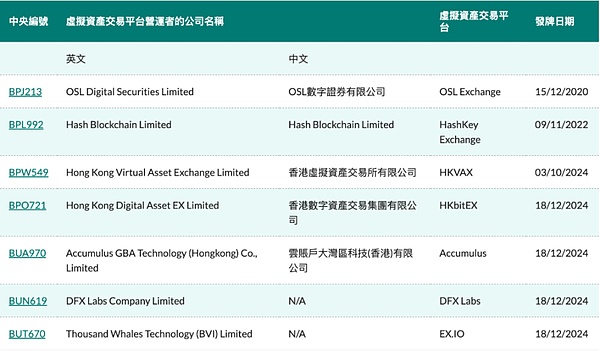
7 virtual asset trading platforms have been licensed
OSL and Hashkey continue to lead
On April 19, 2024, OSL Group (00863) announced that its wholly-owned subsidiary, OSL Digital Securities Co., Ltd., a digital asset trading platform, which holds a license issued by the Hong Kong Securities and Futures Commission, became the first virtual asset platform approved for a license based on the Anti-Money Laundering and Counter-Terrorist Financing Ordinance (AMLO) . In May, Hashkey Exchange followed closely and became one of the first virtual asset service providers in Hong Kong to obtain a full license. The two companies are leading the way and still maintain their advantages in the compliance route.
From a business perspective, Hashkey Exchange has launched HashKey Pro, an institutional-level comprehensive service, to integrate virtual asset trading capabilities for institutions such as ZhongAn Bank and Shengli Securities, with a cumulative trading volume of more than HK$5 billion. As of November 2024, HashKey Exchange's asset management scale exceeds HK$10 billion, with a cumulative trading volume of HK$580 billion. OSL's business is widely deployed in virtual asset spot ETFs and RWAs.
HKVAX comes from behind
On October 4, 2024, the Hong Kong Securities and Futures Commission’s official website announced that the Hong Kong Virtual Asset Exchange (hereinafter referred to as HKVAX) has been officially approved by the Hong Kong Securities and Futures Commission and has been issued Type 1 (Securities Trading) and Type 7 (Providing Automated Trading Services) licenses. At the same time, in accordance with the Anti-Money Laundering and Counter-Terrorist Financing Ordinance (AMLO), a "Virtual Asset Trading Platform Operation" license has been issued. HKVAX has become the third regulated virtual asset platform in Hong Kong.
For more information, please refer to: HKVAX officially obtained a license and became the third licensed virtual asset trading platform in Hong Kong
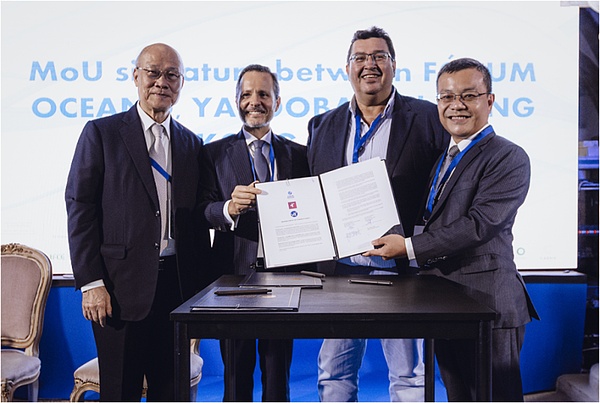
From left to right: So Shu Fai, Chairman of the International Clean Energy Forum (Macao), Carlos Costa Pina, Chairman of Fórum Oceano, Mauricio Marques, Founder and CEO of Yacooba Labs, and Ng Wai Leung, Co-founder and CEO of HKVAX
HKVAX focuses on security tokens (STO) and real asset tokenization (RWA) services. On October 18, 2024, HKVAX signed a memorandum of understanding on the Blue Economy Security Token Project with Fórum Oceano and Yacooba Labs to cooperate on high-quality security token projects related to the European blue economy, covering tokenization, distribution, listing, trading and token custody. On November 29, 2024, HKVAX and Alibaba Cloud reached a strategic partnership, focusing on technical infrastructure, security framework construction, and STO and RWA services. Whether HKVAX, which focuses on RWA, can successfully find its own business incision will continue to be watched by the market.
Four institutions were approved in December
According to the official website of the Securities and Futures Commission, on December 18, 2024, HKbitEX, Accumulus, DFX Labs, and EX.IO were approved by the Hong Kong Securities and Futures Commission on the same day and were issued Type 1 (Securities Trading) and Type 7 (Providing Automated Trading Services) licenses, as well as a "Virtual Asset Trading Platform Operating" license in accordance with the Anti-Money Laundering and Counter-Terrorist Financing Ordinance (AMLO).
HKbitEX was launched by Hong Kong Digital Asset Exchange Group Co., Ltd., whose parent company is Taiji Capital Group. It provides services in three major sectors: capital market and wealth management, digital asset exchange, and Web3 SaaS and technology research and development. Gao Han, the founder of Taiji Capital, once worked for the Hong Kong Stock Exchange, and was mainly responsible for promoting the products of the Hong Kong Stock Exchange in the Mainland, including Hong Kong Stock Connect and Bond Connect.
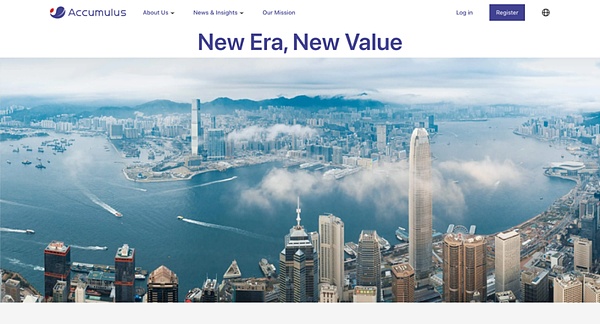
Accumulus is backed by China's top 500 companies and was launched by Cloud Account Greater Bay Area Technology (Hong Kong) Co., Ltd. Cloud Account Hong Kong is registered by Cloud Account and is also the only overseas business headquarters. The group has obtained a RMB 985 million foreign direct investment quota approved by the National Development and Reform Commission and other departments in the Mainland. According to official introduction, Cloud Account is China's largest online human resources service company, serving 110 million new employment workers (freelancers) from 138 countries and regions. This year, it was selected as the "2024 China Top 500 Enterprises" with a revenue of 108.4 billion yuan.

DFX Labs was the last applicant for a virtual asset trading platform in Hong Kong last year, launched by DFX Labs Company Limited. The team at DFX Labs is already experienced in the fields of blockchain and financial technology. COO Simon Au Yeung was formerly the CEO of Blockchain Finance and virtual asset trading platform BGE, and the co-chairman of IEEE Hong Kong; CTO David H. has worked for well-known institutions such as Morgan Stanley, Dell Technologies and HashKey Group.
EX.IO was launched by Thousand Whales Technology (BVI) Limited. Major investors of EX.IO include Huasheng Capital Group, an internet brokerage under Sina, as well as Longling Capital and Weixin Jinke Investment. EX.IO was originally named xWhale and was established after the original Web3 trading platform BusyWhale and Huasheng Securities reached a strategic agreement in May last year.
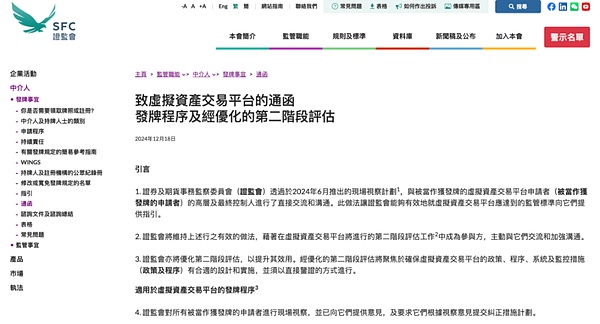
SFC circular on "Licensing Process and Enhanced Stage 2 Assessment"
On December 18, 2024, the Hong Kong Securities and Futures Commission issued the "Circular to Virtual Asset Trading Platforms - Licensing Procedures and Optimized Second Phase Assessment" , which provided a clear roadmap for the 11 institutions still waiting in line for license applications; in early 2025, the Securities and Futures Commission will set up a formal advisory group for all licensed platforms, and each licensed institution will appoint its senior staff as representatives, so that the Hong Kong Securities and Futures Commission can fully listen to and consider the views of the institutions, and systematically prioritize development matters based on investor protection. In the new year, more outstanding teams will surely join the ranks of virtual asset trading platforms to drive the market to continue to grow.
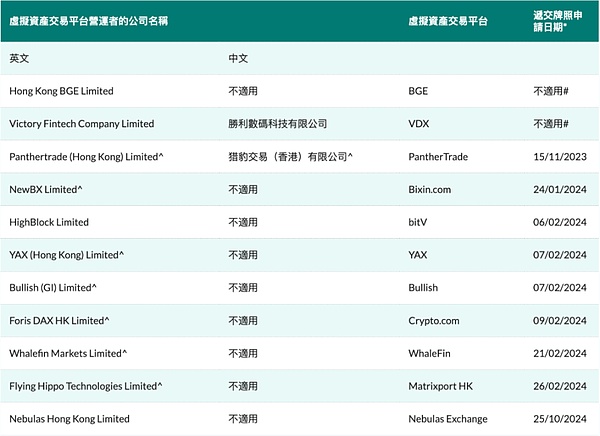
11 virtual asset trading platform applicants still waiting in line for license issuance
Virtual Asset Spot ETF
It took nearly 10 years for the US Bitcoin spot ETF to be listed; in contrast, the rapid listing of the Hong Kong virtual asset spot ETF has greatly highlighted Hong Kong's determination.
On April 15, 2024, Hong Kong approved in principle the spot ETFs for Bitcoin and Ethereum; on April 24, the Hong Kong Bitcoin spot ETF and Ethereum spot ETF were officially approved; on April 30, 6 virtual asset spot ETFs under China Asset Management (Hong Kong), Bosera International and Harvest Global ETFs were listed on the Hong Kong Stock Exchange and opened for trading.
For an overview of each participant, please refer to: Approval may be granted as early as next Monday! A list of 7 Hong Kong Bitcoin spot ETFs. How strong are the planners?
Unlike the United States, Hong Kong virtual asset spot ETFs support physical subscription and redemption, allowing investors to redeem ETF shares by delivering physical virtual assets, rather than just trading in cash. Physical redemption means that the underlying assets do not have to be sold immediately, which brings advantages in terms of cost and liquidity. After the physical subscription and redemption process is completed, investors will be able to directly obtain virtual assets such as Bitcoin and Ethereum corresponding to the spot ETF fund, and their investment options will be more diversified.
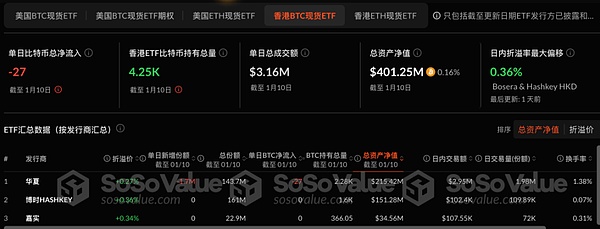

As of January 11, SoSoValue’s statistics on Hong Kong Bitcoin Spot ETF and Ethereum Spot ETF data
On the first day of trading, the Hong Kong spot virtual asset ETF raised approximately HK$2 billion, with a calculated net asset value of US$293 million. The total trading volume of the six ETFs on the first day was approximately HK$87.58 million (approximately US$12.7 million).
As of January 7, 2025, according to data from the Hong Kong Stock Exchange, the total trading volume of Hong Kong's three Bitcoin spot ETFs in 2024 reached HK$5.257 billion; from the perspective of market share, the US's $129 billion Bitcoin ETF asset management scale accounts for 1.2% of its ETF market, while the same data in Hong Kong is 0.66%, and there is no order of magnitude difference between the two proportions. Since its listing, Hong Kong's Bitcoin spot ETF has a net inflow of about 380 BTC, and the total asset management scale has increased by about 66%.
In 2025, under the influence of the world dominated by the United States, the impact of Hong Kong virtual asset ETFs on the local financial market will become increasingly important. Tools such as ETFs have the opportunity to encourage more traditional institutions to truly embrace virtual assets; when "old money" pours in, the liquidity of Hong Kong's virtual asset market will undergo a qualitative change.
A large number of securities firms and asset management companies are pouring in
The launch of ETFs only represents the completion of the tools; the enthusiasm of securities firms and asset management companies to enter the market reflects the trend of "old money embracing" the Hong Kong market.
Tiger Securities, a high-profile entry
On May 6, 2024, according to Yahoo Finance, Tiger Brokers (Hong Kong) officially launched virtual asset trading services; professional investors in Hong Kong can trade 18 virtual assets in one stop through the Tiger Brokers investment platform Tiger Trade.
On January 25, 2024, Tiger Brokers announced that it had obtained the Hong Kong Securities and Futures Commission's upgrade of its Type 1 license conditions, allowing professional investors to trade virtual assets through Tiger Brokers on the Securities and Futures Commission's licensed platform .
On March 28, 2024, Tiger Brokers (Hong Kong) obtained a Type 9 license from the Hong Kong Securities and Futures Commission to provide asset management services, and can provide investors with a series of asset management services, including dedicated account services for retail and professional investors, and management of collective investment plans for professional investors.
On May 6, 2024, Tiger Brokers (Hong Kong) officially launched virtual asset trading services, becoming one of the first technology brokers in Hong Kong to support one-stop trading management of traditional securities and virtual assets. At the beginning of the service launch, the commission for virtual asset trading was as low as 0.2% of the transaction amount, and the custody fee was waived. The competitiveness of the fee rate reflects Tiger Brokers' firm execution in seizing a place in the virtual asset market.
For more details, please refer to: Tiger Brokers launches virtual asset trading services in Hong Kong, officially entering the Web3
Shengli Securities, maintaining first-mover advantage
Victory Securities, a local Hong Kong brokerage firm, is a pioneer in the field of virtual assets. Thanks to a complete range of compliance licenses, Victory Securities has always maintained a leading position in its business.
On April 23, 2024, Victory Securities announced that it had become the only participating securities firm that accepted physical subscriptions in Hong Kong's first batch of Bitcoin and Ethereum spot ETFs; on October 15, 2024, Victory Securities announced that it had successfully passed the relevant regulatory inquiry procedures on October 10, 2024, and could initiate and manage the Victory VSG virtual asset multi-strategy fund, and the first Web3 multi-strategy compliant fund initiated by a virtual asset investment organizer company licensed by the Hong Kong Securities and Futures Commission, and accepting investors to subscribe to fund units in stablecoins; on November 4, 2024, Victory Securities announced that it had obtained permission from the Securities and Futures Commission to sell cash-settled virtual asset structured products to qualified professional investors , once again becoming the first licensed securities firm in Hong Kong to be approved for this business.
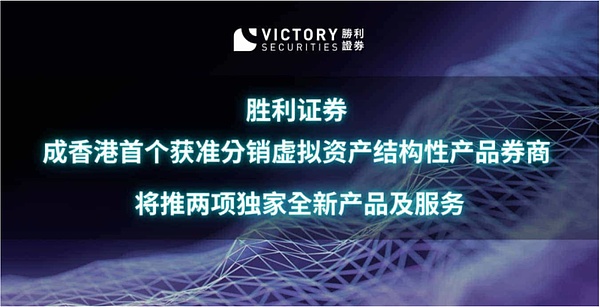
No matter what heights Shengli Securities can eventually reach in the field of virtual assets, they have already proved with their own experience that the compliance route is always a race against time. The sooner you embrace supervision, the more opportunities you will have to seize the initiative in the market.
31 securities firms and 36 asset management companies are also ready
Tiger Brokers and Victory Securities are representative brokerage firms that remain active in the market and attract high attention. In fact, a large number of traditional and emerging institutions have been awarded virtual asset-related licenses and are ready to make their mark.
In terms of the number of securities firms, as of January 11, 2025, 31 securities firms have been approved to complete the upgrade of virtual asset Type 1 license and can provide virtual asset trading services through comprehensive account arrangements.
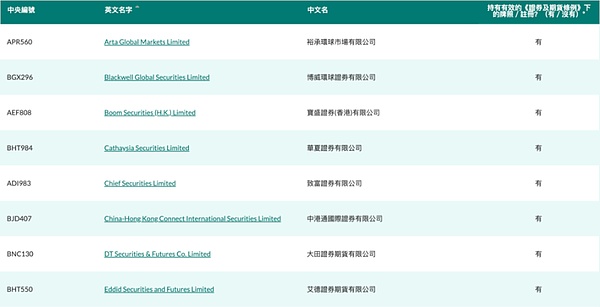
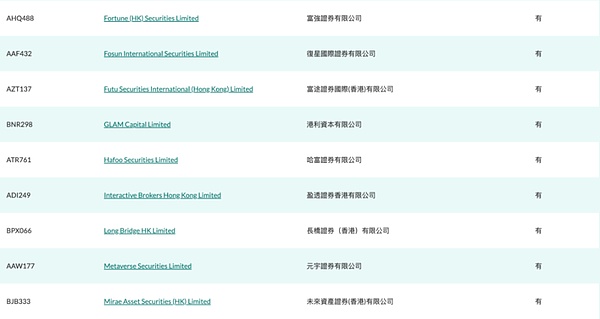
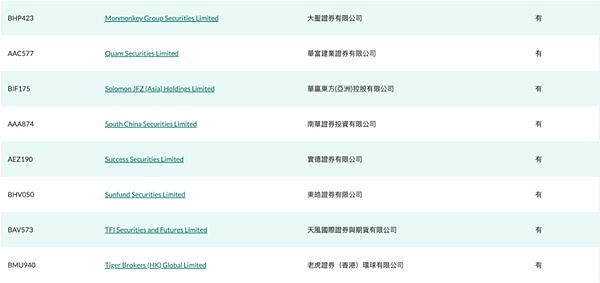
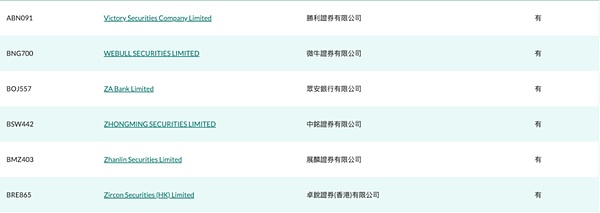
According to the official website of the Hong Kong Securities and Futures Commission, 31 brokerage firms have been approved to provide virtual asset trading services through comprehensive account arrangements
In terms of the number of asset management institutions, at the beginning of 2024, only 11 asset management institutions were approved to upgrade their virtual asset No. 9 license and manage investment portfolios with more than 10% invested in virtual assets; as of January 11, 2025, the number of asset management institutions with the same compliance qualifications has increased to 36.
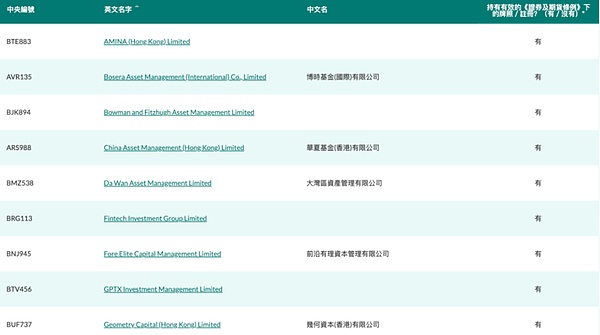
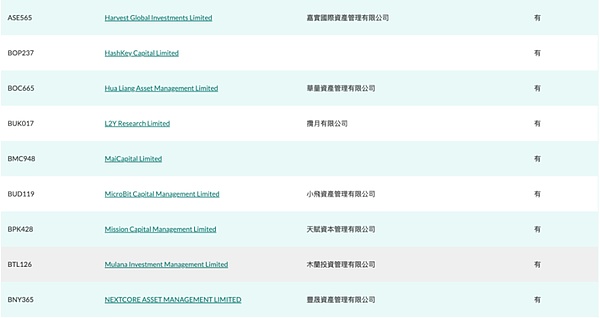
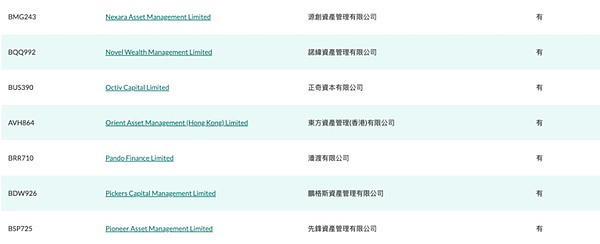
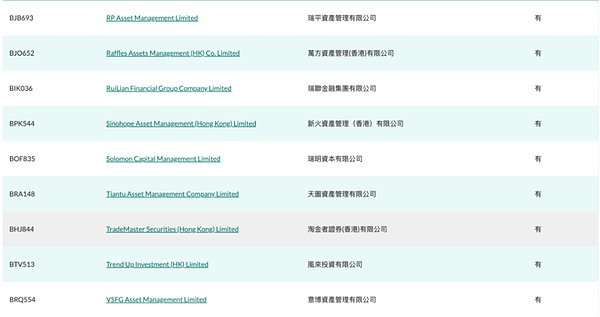

According to the official website of the Hong Kong Securities and Futures Commission, 36 asset management institutions have been approved to manage investment portfolios with more than 10% invested in virtual assets.
With the issuance of virtual asset licenses, Hong Kong's financial institutions are making early preparations for the rapid development of RWA in 2025. From securities firms to asset management, traditional and emerging institutions have built a dual foundation of compliance and technology; on this basis, more and more "old money" has been fully opened to enter the market. Hong Kong's financial ecosystem is ready to sprint in this wave.
RWA, the next stage of development focus
Breaking down the barriers between the virtual world and the real world and allowing assets and funds to flow freely between the two systems is a major global trend and also the focus of Hong Kong's next stage of development.
The reason why RWA is important is that, on the one hand, it uses blockchain technology to improve transparency and security and solve problems existing in the traditional financial system; on the other hand, if the market pays for it, it can fundamentally activate more real assets and attract a wider range of small and medium-sized investors to enter the market, thereby injecting more liquidity into the development of the real industry and the digital economy.
Hong Kong government takes the lead in issuing second batch of digital green bonds
On February 7, 2024, the Government of the Hong Kong Special Administrative Region of the People's Republic of China announced that it had successfully issued digital green bonds denominated in Hong Kong dollars, RMB, US dollars and euros with a total value of approximately HK$6 billion under the Government Green Bond Program. These are the world's first batch of multi-currency digital bonds.
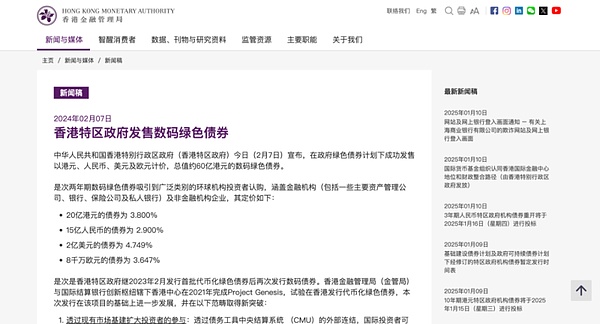
In 2021, the Hong Kong Monetary Authority and the Hong Kong Center under the Bank for International Settlements Innovation Hub completed Project Genesis to test the issuance of tokenized green bonds in Hong Kong. This issuance is a further development on the basis of this project. According to official news from the HKMA, new breakthroughs have been made in four aspects: expanding investor participation, streamlining the issuance process, introducing standardized elements, and disclosing the integration of digital asset platforms.
As the world's first batch of multi-currency digital bonds, the settlement and delivery of this batch of digital green bonds adopts the CMU system, with HSBC Orion as the digital asset platform. HSBC, Bank of China (Hong Kong), Credit Agricole CIB, Goldman Sachs, Industrial and Commercial Bank of China (Asia), UBS, Allen & Overy, Ashurst & Linklaters LLP all participated in the preparation for the issuance.
HKMA Ensemble Sandbox promotes tokenization applications
On March 7, 2024, the Hong Kong Monetary Authority announced the launch of a new wholesale central bank digital currency (wCBDC) project "Ensemble". The HKMA stated that the project will initially focus on tokenized deposits, that is, commercial bank deposits in digital form issued and provided by commercial banks to the public.
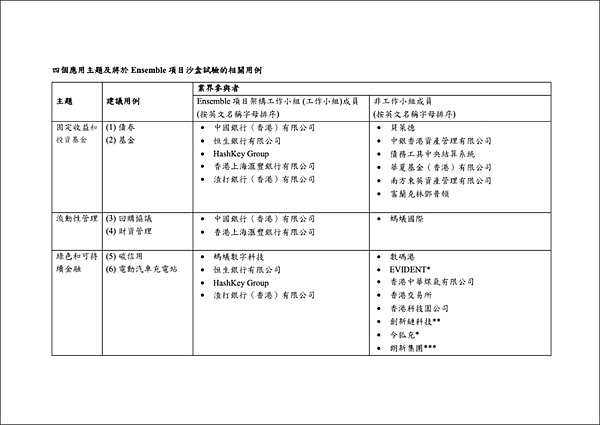
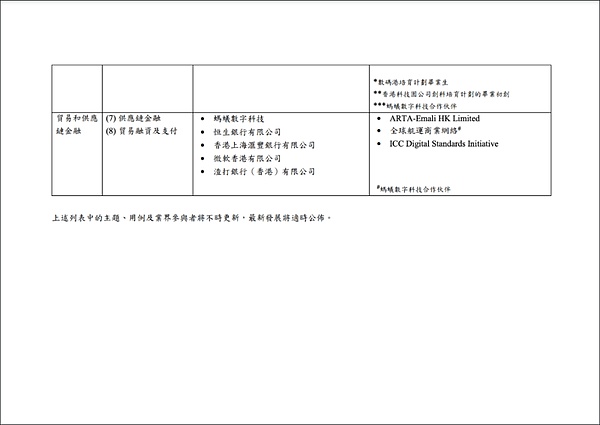
On August 28, 2024, the Hong Kong Monetary Authority held the Ensemble Project Sandbox Launch Ceremony, announcing that the first phase of the sandbox trial will cover the tokenization of traditional financial assets and real-world assets, and focus on four major themes: fixed income and investment funds, liquidity management, green and sustainable finance, and trade and supply chain financing . Through the trial, the HKMA will verify the technical interoperability between tokenized assets, tokenized deposits and wCBDC, and will also allow industry participants to conduct end-to-end testing of tokenized asset transactions in actual business scenarios.
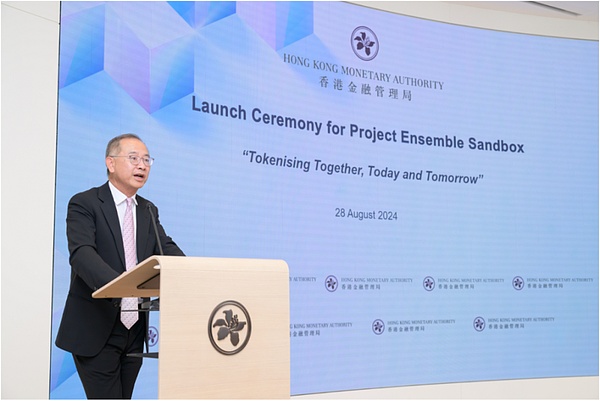
Eddie Yue, Chief Executive of the Monetary Authority of Hong Kong, delivers an opening speech at the Ensemble Project Sandbox Launch Ceremony
According to the official news from the HKMA, the members of the Ensemble project framework working group include well-known financial and technology companies such as Bank of China (Hong Kong), Hang Seng Bank, Hashkey Group, HSBC, Standard Chartered Bank, Ant Digital Technology, and Microsoft (Hong Kong). At the international level, the HKMA will explore cooperation opportunities with the Hong Kong Center under the Innovation Hub of the Bank for International Settlements on one or more tokenization topics, and work with members of the CBDC expert group to promote the development of the sandbox.
Stablecoin Sandbox and the Stablecoin Bill
As the cornerstone of RWA, stablecoins are also the focus of development. As early as January 2022, the Hong Kong Monetary Authority issued a discussion paper on expanding Hong Kong's regulatory framework to stablecoins, inviting industry parties to discuss and clarifying the initial direction of the regulatory framework. In January 2023, the Hong Kong Monetary Authority issued a consultation summary on the discussion of crypto assets and stablecoins, explaining the expected scope of supervision and the main regulatory requirements.
In March 2024, the Hong Kong Monetary Authority announced the launch of the "Sandbox" for stablecoin issuers, allowing the testing of stablecoin issuance within the regulatory sandbox. On July 18, 2024, the Hong Kong Monetary Authority released a list of participants in the stablecoin sandbox: JD.com, Yuanbi, and Standard Chartered became official participants, and the main application scenarios proposed included payment, supply chain management, and capital market use cases, as well as secondary Web3, games, and virtual asset transactions.
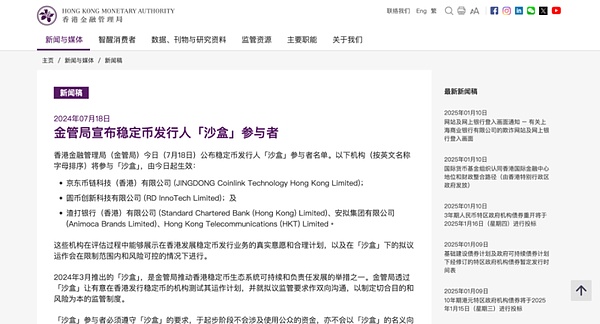
The HKMA said that currently, the transfer of funds in these scenarios may involve financial institutions, payment service companies, settlement systems, etc. in different time zones. These "middlemen" or financial infrastructures do not operate 24/7, and are quite expensive and inefficient. Stablecoins can not only play the role of transaction medium, reduce costs and save transaction time, but also use their programmable characteristics to develop a variety of innovative solutions to automate and intelligentize financial service processes, facilitate the flow of funds, and more accurately manage various risks related to transactions.
For more details, please refer to: JD.com, Yuanbi, and Standard Chartered have joined the game, who will win the Hong Kong Stablecoin "Sandbox"?
On December 6, 2024, the Hong Kong government published the Stablecoin Bill in the Gazette, which aims to improve the regulatory framework for virtual asset activities, address the potential risks posed by fiat-pegged stablecoins, and ensure transparency and consumer protection.
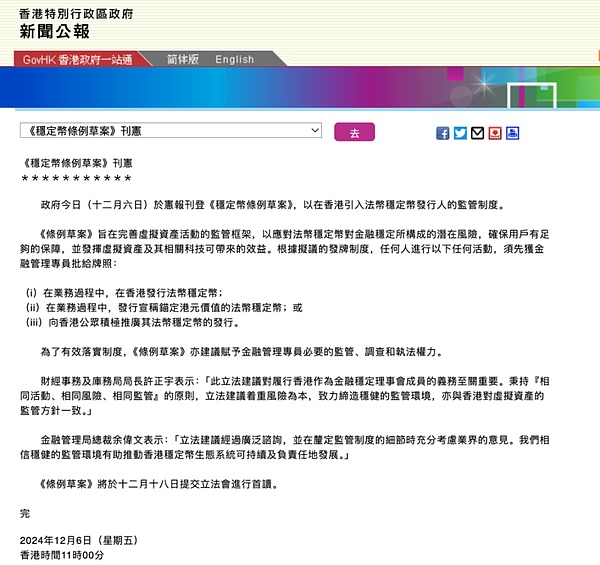
The Stablecoin Bill proposes strict licensing and compliance requirements. Although it helps stabilize the system, it is undeniable that it may also exclude smaller or emerging market participants. Whether start-ups will face difficulties due to high audit fees, strict governance requirements and capital adequacy requirements is a balance that the Hong Kong government must carefully weigh between innovation and security in the future.
The first domestic photovoltaic physical asset RWA with a value of over RMB 200 million
On December 23, 2024, China Fund News reported that Ant Digital Technology, together with green energy service provider GCL Energy, successfully completed the first RWA based on photovoltaic physical assets in China, involving an amount of more than 200 million yuan. Hong Kong Victory Securities also participated.
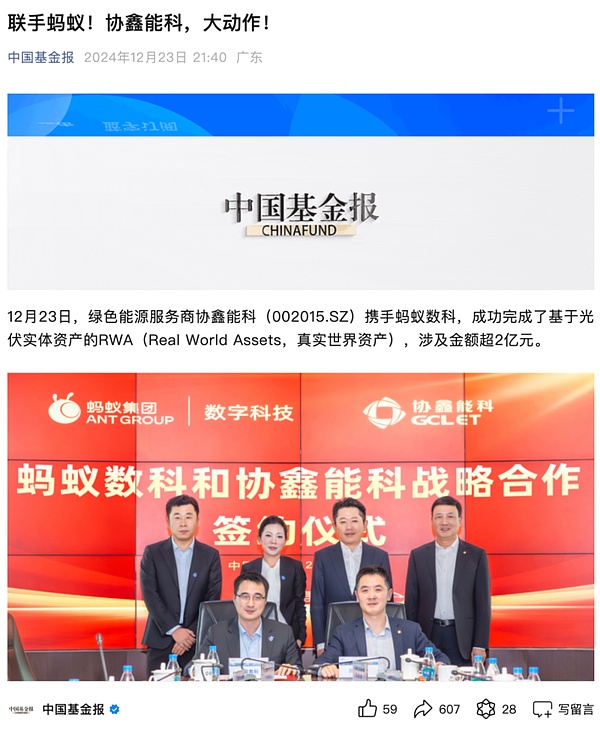
Ant Digits, or Ant Digital Technology, is an independent section of Ant Group's technology commercialization, and will start independent operation in April 2024. So far, Ant Digits has served more than 10,000 corporate customers with more than 300 partners. GCL Energy Technology Co., Ltd. is a subsidiary of GCL (Group) Holdings Co., Ltd., with its main businesses being digital energy and clean energy. At present, the company has 225 energy experts, 192 software copyrights, 324 patents accepted by its subsidiaries, and has participated in 3 national key R&D program projects.
GCL Energy uses the 82MW "Xin Yangguang" household photovoltaic power plant in Hubei and Hunan provinces as the anchor asset for RWA. Through the integration of blockchain technology and IoT (Internet of Things) technology, the value, operation, income and other data of household photovoltaic projects are packaged and stored on the blockchain to form a digital token. On the day of the issuance, Ant Digital and GCL Energy signed a strategic cooperation agreement in Suzhou. The two parties will carry out comprehensive cooperation in the construction of new power systems, green finance, artificial intelligence and other aspects in distributed photovoltaic power stations, energy storage power stations, integrated energy services and other scenarios, and continue to explore the integration path for digital industrialization and industrial digitalization.
For more details, please refer to: Ant Digits and GCL Energy completed the issuance of over 200 million yuan of photovoltaic physical assets RWA
Hong Kong's first short-term asset-backed liquidity note token STBL
Institutions from all walks of life in Hong Kong have also begun to experiment with RWA. On December 16, 2024, Cinda International Asset Management Co., Ltd. (hereinafter referred to as "Cinda International Asset Management") announced the successful issuance of STBL, a short-term asset-backed liquidity note token arranged by it, on the Ethereum blockchain, becoming the first case of a Hong Kong financial institution arranging the issuance of transferable tokenized packaged restructuring notes.
Cinda International Asset Management will serve as the manager of STBL, NVT will provide blockchain operation services to STBL's blockchain agent, and provide technical support solutions for STBL's issuance on the blockchain. GF Securities (Hong Kong) Brokerage Co., Ltd. and HashKey Exchange will serve as the first distributors of STBL.
Through the tokenization of notes, the issuance and transfer of STBLs do not need to rely on third-party intermediaries such as clearing houses. Their issuance and transfer are automatically recorded in real time on the blockchain. Anyone can view and verify the transfer records on the blockchain, thereby improving transparency. Each STBL has a face value of US$1 and maintains a stable value. On the monthly dividend date, the daily accumulated interest will be automatically distributed to the wallets of professional investors in the form of newly issued tokens. The STBL manager (Cinda International Asset Management) will publish the average daily yield of its related assets and the underlying MMFs in the previous week on a public website every week.
At the same time, Cinda International Asset Management and HashKey Group are also exploring the possibility of further in-depth cooperation, and plan to expand the issuance of STBL to the Ethereum Layer 2 network HashKey Chain to continue to expand STBL's investor base.
Outlook 2025
Looking back at 2024, Hong Kong has laid a more solid foundation in the field of virtual assets. From virtual asset trading platforms to spot ETFs, to the booming of RWA, the potential for compliance and innovation is constantly being demonstrated in the Hong Kong financial market.
Looking ahead to 2025, with the gradual acceptance of the market by "old money", Hong Kong is expected to accelerate the deep integration of virtual assets and traditional finance. Especially the development of stablecoins and RWA, as long as Hong Kong finds the right balance between ensuring security and promoting innovation, Hong Kong will surely usher in its own golden moment in the global virtual asset market.