summary
- Global entertainment giant Sony Group has entered the Web3 market through the Ethereum second-layer network "Soneium". With its huge intellectual property (IP) and global user base, Sony is expected to lead the mainstreaming of Web3.
- As a key partner of Soneium, Astar Network will help the development of Soneium ecosystem with its many years of mainnet operation experience. ASTR token will become the core asset of Soneium, and the two networks expect to achieve strong synergy through close cooperation.
- Since Soneium went live, it has attracted more than 170 projects in just two weeks. Projects like Web3 social platform Yay! and Web3 entertainment platform Yoake have demonstrated seamless blockchain integration, reflecting the huge potential of Web3 in mass adoption.
1. Sony Group enters a new chapter in Web3

Source: Tiger Research
Sony Group launched Soneium, a blockchain network based on Ethereum Layer 2, through its subsidiary Sony Blockchain Solution Labs (Sony BSL) in January 2025. This move attracted widespread attention in the industry as Sony is known for its history of technological and cultural innovation.
It is not common for large companies to get involved in public chain construction, mainly due to the challenges faced by Web3: regulatory uncertainty, unproven business models, and huge infrastructure costs. Especially for large global companies, the regulatory risks they face are particularly huge.
Despite this, Sony has continued to rise to the occasion and push its innovation DNA. The company has learned valuable lessons from its painful analog-to-digital transition, which have shaped Sony’s bold approach to creating new growth engines. Today, Sony is applying this innovative spirit to the Web3 space.
Astar Network is an ideal partner for Sony Group’s Web3 business. Since 2019, Astar Network has accumulated technical experience and operational capabilities within the Polkadot ecosystem, which will accelerate Sony Group’s Web3 development vision. It is worth noting that ASTR tokens will serve as Soneium’s core asset, further strengthening the technical and ecosystem integration between the two networks, thereby promoting the mainstreaming of Web3.
This report will analyze how Soneium and Astar Network can jointly drive change in the Web3 industry, explore the potential synergies between the Sony Group and the Astar Network, and their combined ability to drive Web3 adoption.
2. Soneium: Going mainstream!
Source: Sony
Soneium is an Ethereum Layer 2 mainnet based on OP Stack. It is a product launched by Sony Group and Startale, and is operated by their joint venture Sony BSL. Startale has accumulated blockchain experience in operating the Astar network since 2019, while Sony has contributed its global user base and rich intellectual property (IP) portfolio. The combination of the two enables Soneium to accelerate the mainstreaming of Web3.
2.1. Soneium: Sony Group’s core strategic pillar
Soneium is more than just a blockchain project, it is part of the Sony Group’s digitalization strategy that has the potential to connect its various business units. Given Sony’s leadership in the entertainment industry, this integration will significantly boost Web3 adoption. Understanding the strategic vision of the Sony Group provides us with the necessary context to analyze its potential.
Sony Corporation Strategy Meeting 2024 Source: Sony Group
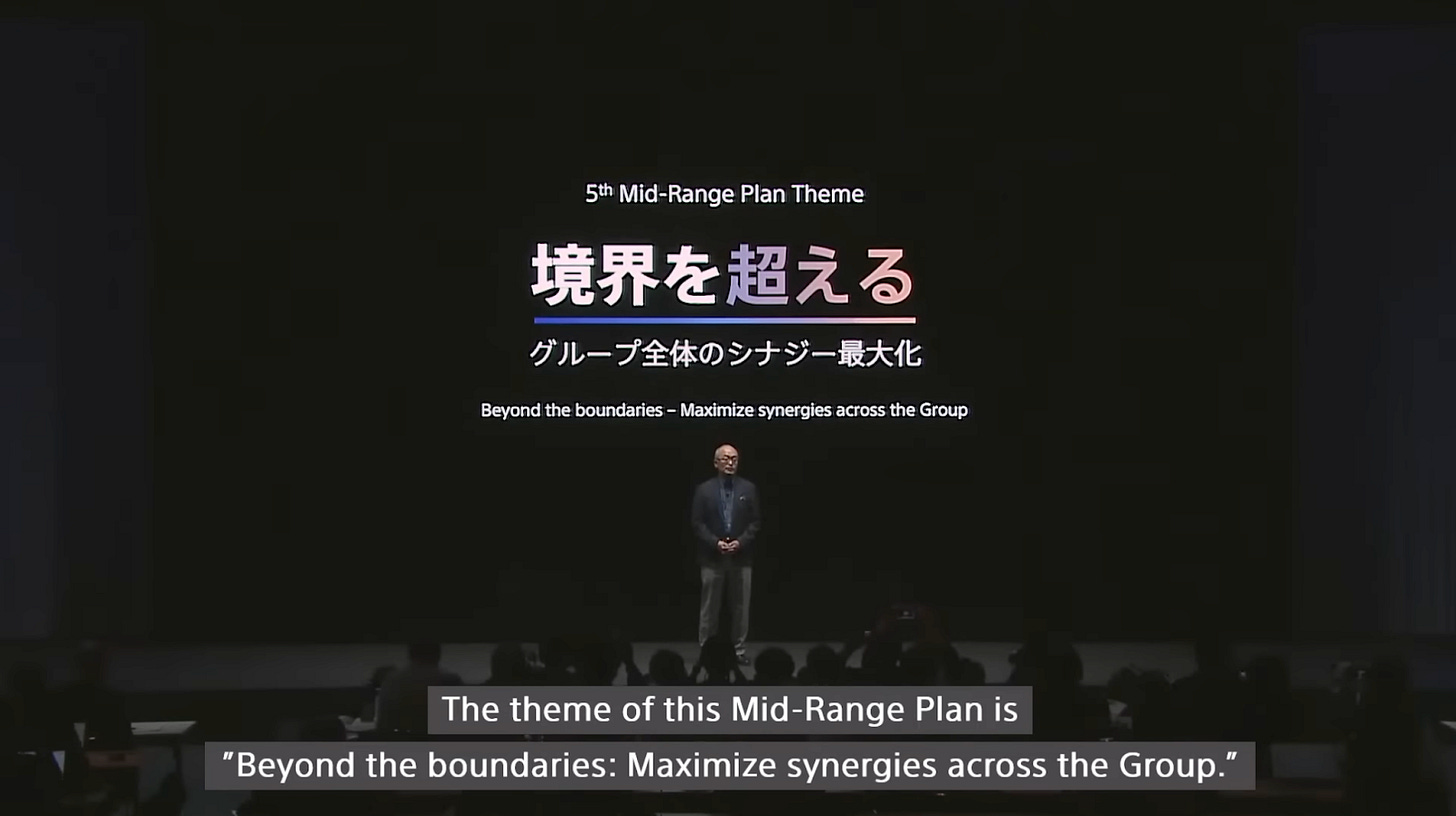
In 2024, Sony Group released its 2025-2027 Strategic Plan, setting out the vision of "transcending boundaries and maximizing group synergies", emphasizing cross-departmental collaboration, promoting digital innovation, and developing new sources of revenue.
Soneium’s blockchain network could become the basis for integrating Sony Group’s various assets into a unified digital ecosystem. This analysis explores the opportunities for that integration in the short and long term.
2.1.1. Short-term perspective: Strengthening the integration of existing Web3 businesses
Sony Group’s initial integration in Soneium will likely build on its existing Web3 businesses: SNFT, an NFT marketplace launched in 2022, and S.BLOX, a cryptocurrency exchange acquired by Sony Group subsidiary Queta Web in 2023 and renamed WhaleFin.

Sony Group Web3 Business Conference 2025 Source: Sony Group
S.BLOX may become a key channel in the Soneium ecosystem, serving as a bridge between traditional assets and Web3 assets. Through the integration of exchange-wallet functions similar to the Backpack model, S.BLOX is expected to provide users with a safer way to manage assets than existing Web3 wallets.
Source: Sony Bank
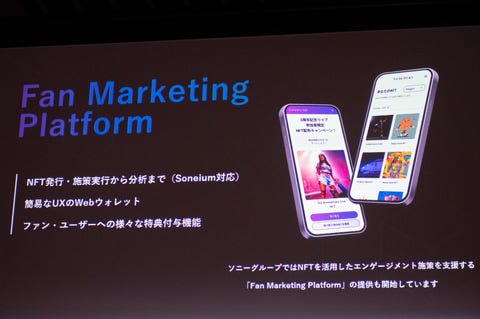
Several Sony Group subsidiaries are expanding Web3 projects through SNFT-Soneium:
- Sony Pictures Entertainment Japan will offer exclusive content access to select film and television titles for purchase through Amazon Prime Video.
- Sony Music Entertainment (France) will release a limited edition NFT to celebrate the second anniversary of Sunny B. 1991's music and Web3 community.
- Sony Music Publishing (Japan) will launch an NFT campaign linked to the live performances of the girl group "SANDAL TELEPHONE".
These projects focus on enhancing fan interaction and digital content delivery through NFTs, exploring new ways to connect with audiences.
2.1.2. Long-term perspective: integration with the entertainment and financial industries
Although the Sony Group has not yet announced specific Web3 projects for Soneium, the potential long-term opportunities warrant further attention.
The entertainment industry accounts for 60% of Sony Group’s revenue, and the company has a controlling position in production and distribution. While this highly concentrated business model is risky, Web3 technology has the potential to open up new paths for growth and innovation.
There are early signs of this innovative potential. For example, Sony Interactive Entertainment’s blockchain patents, particularly those related to in-game NFTs, indicate that Web3 may be integrated with the PlayStation ecosystem. This could include NFT-based gaming assets and cryptocurrency payment options.

Source: Sony Music
Sony Music and Sony Pictures may leverage their rich intellectual property resources through Web3 technology. Sony Music has tested NFTs based on artist IP and is exploring broader Web3 applications in the field of music licensing. With its diverse content portfolio covering music, animation, and games, Sony is expected to develop new revenue sources through Web3 integration.
Source: Sony Bank
Despite the divestiture, Sony Financial Group and Sony Group remain close and have shown a keen interest in Web3 technology, hinting at possible future collaboration.
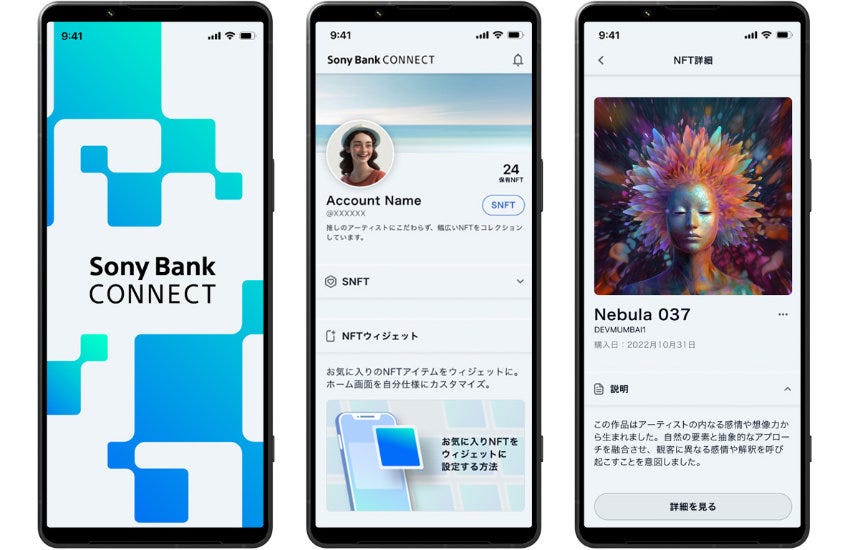
Sony Bank has pioneered blockchain technology in banking: partnering with SNFT to launch CONNECT, a user-friendly NFT management app, piloting a stablecoin project, and becoming the first bank in Japan to offer loan assets as security tokens (STOs).
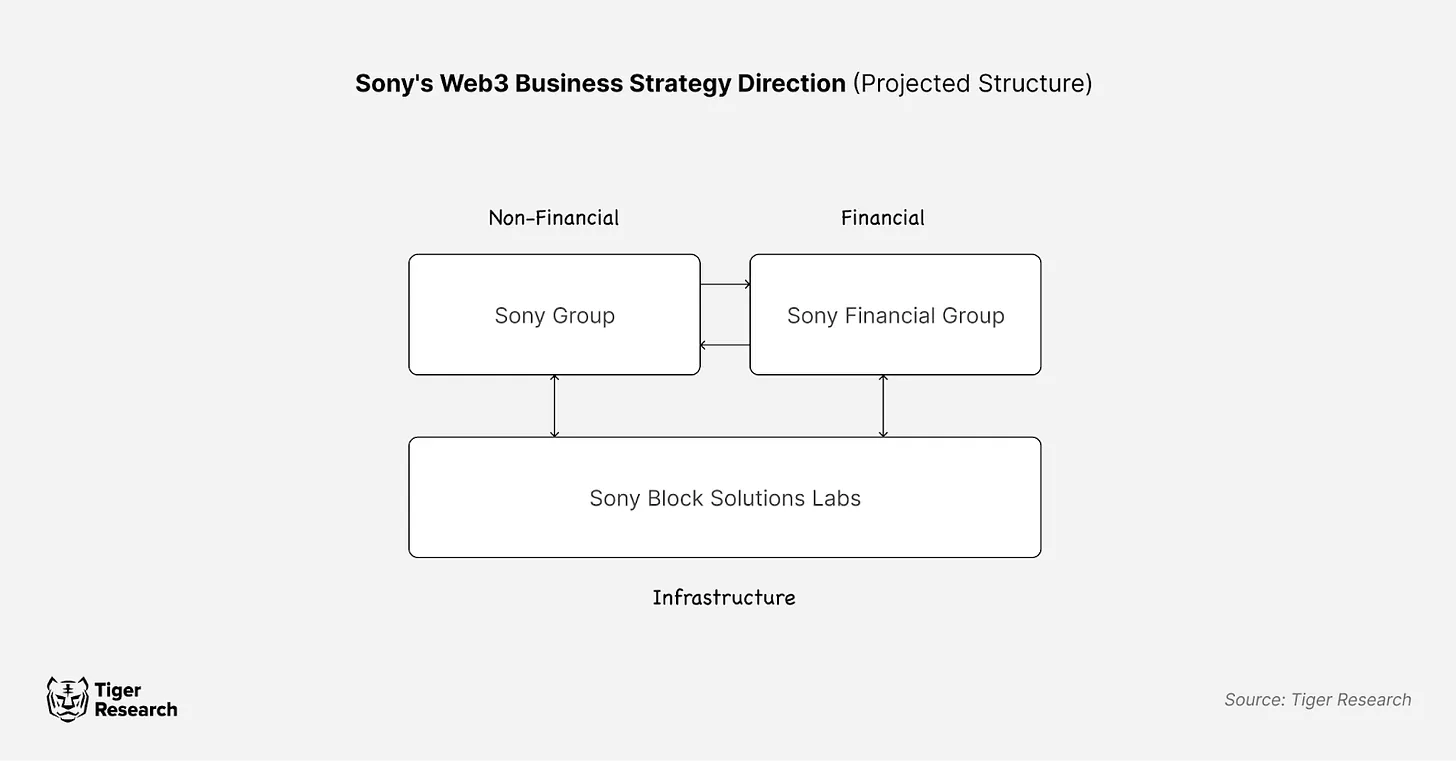
Soneium is expected to connect Sony's various business units by launching new digital services. For example, PlayStation users can use the stablecoin developed by Sony Financial Group to make purchases, or fans can buy and trade digitized entertainment intellectual property assets. These practical applications integrate Web3 technology into daily services and support the strategic goals of the Sony Group.
2.2. Key cases in the Soneium ecosystem
Soneium aims to build an inclusive Web3 ecosystem by focusing on consumer-friendly applications, allowing users to access blockchain services through familiar applications without having to understand blockchain technology. Since its launch, Soneium has attracted more than 170 projects, most of which are consumer applications. The next section will focus on key applications in the Soneium ecosystem.
2.2.1. Yay!: SocialFi platform brings Web3 to Web2 communities and adds rewards to everyday life
Source: Yay!
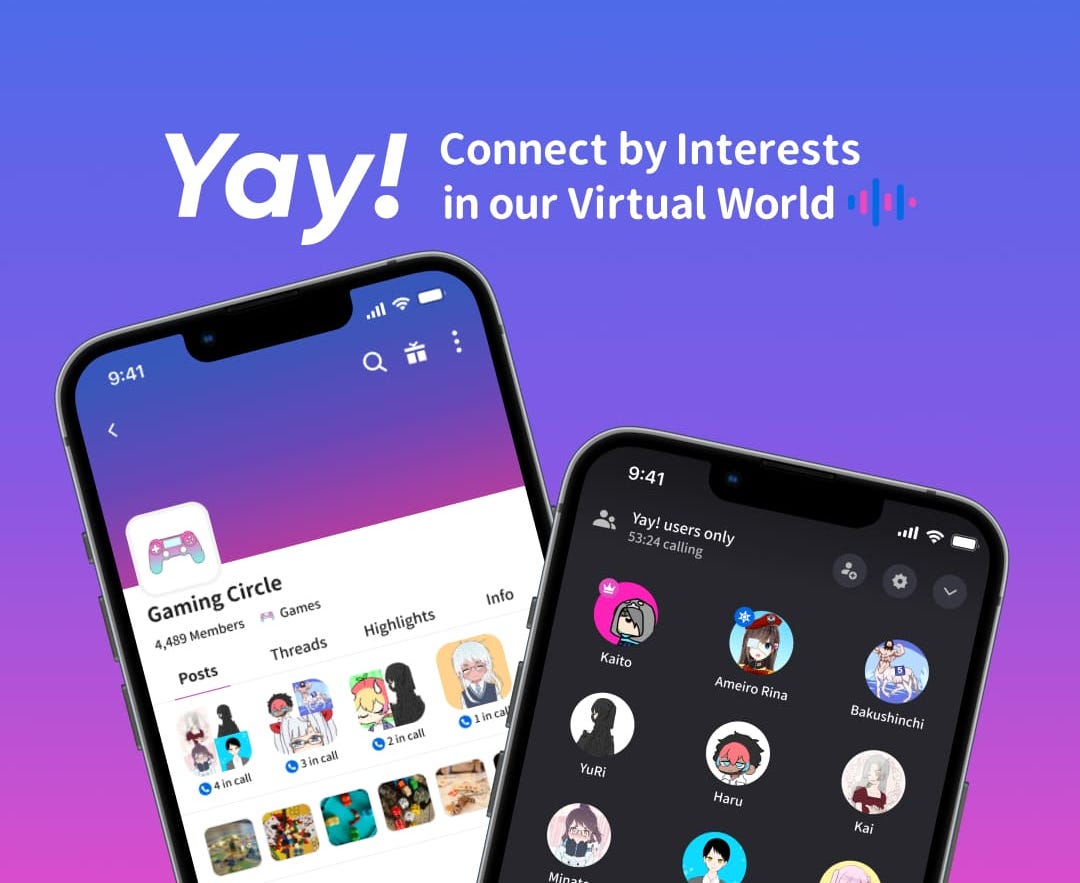
Yay! is a Japanese community platform with over 10 million users as of 2020, with over 100,000 active communities on the platform. The platform demonstrates how Web3 can enhance social media without disrupting the user's familiar experience. Members earn rewards by participating in community activities, while the platform handles all blockchain interactions behind the scenes.
On Yay!, users earn $EMPL tokens for their community contributions. These tokens can be used to purchase items and give gifts within the platform, or converted to $YAY tokens and withdrawn as cash. This system allows users to participate in the token economy without having to deal with complex crypto transactions.
Source: Yay!
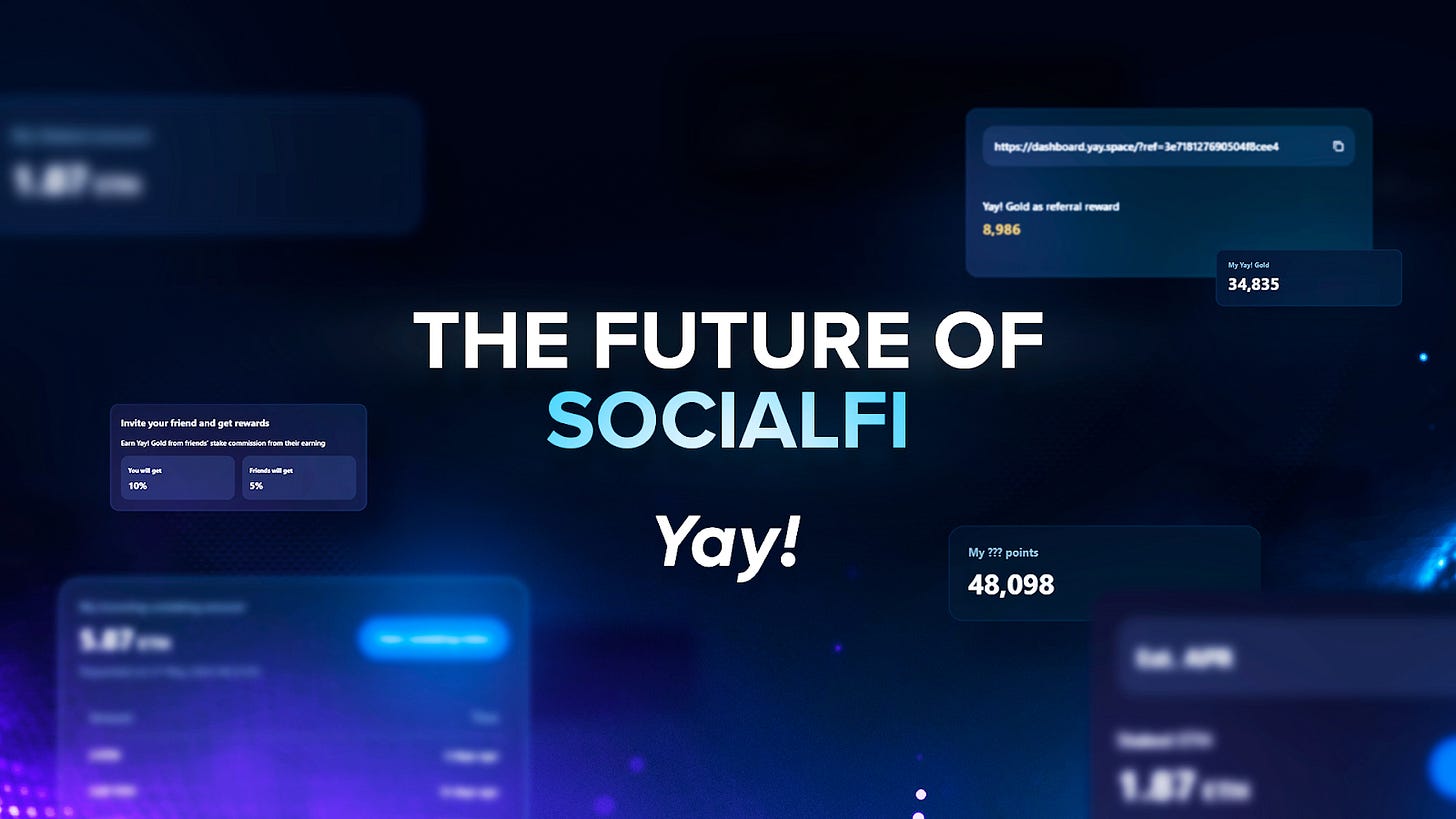
Yay! effectively serves both traditional Web2 users and Web3 users: ordinary users earn points to spend on the platform, while crypto-savvy users can transfer these assets to the chain for DeFi activities such as staking and providing liquidity. The platform's appeal to Web3 users is self-evident - its staking activities with Ethereum and ASTR attracted 20 million participants. By creating value for both types of users, Yay! has successfully bridged Web2 and Web3.
2.2.2. Yoake: Innovating fan culture through blockchain
Source: Yoake Space
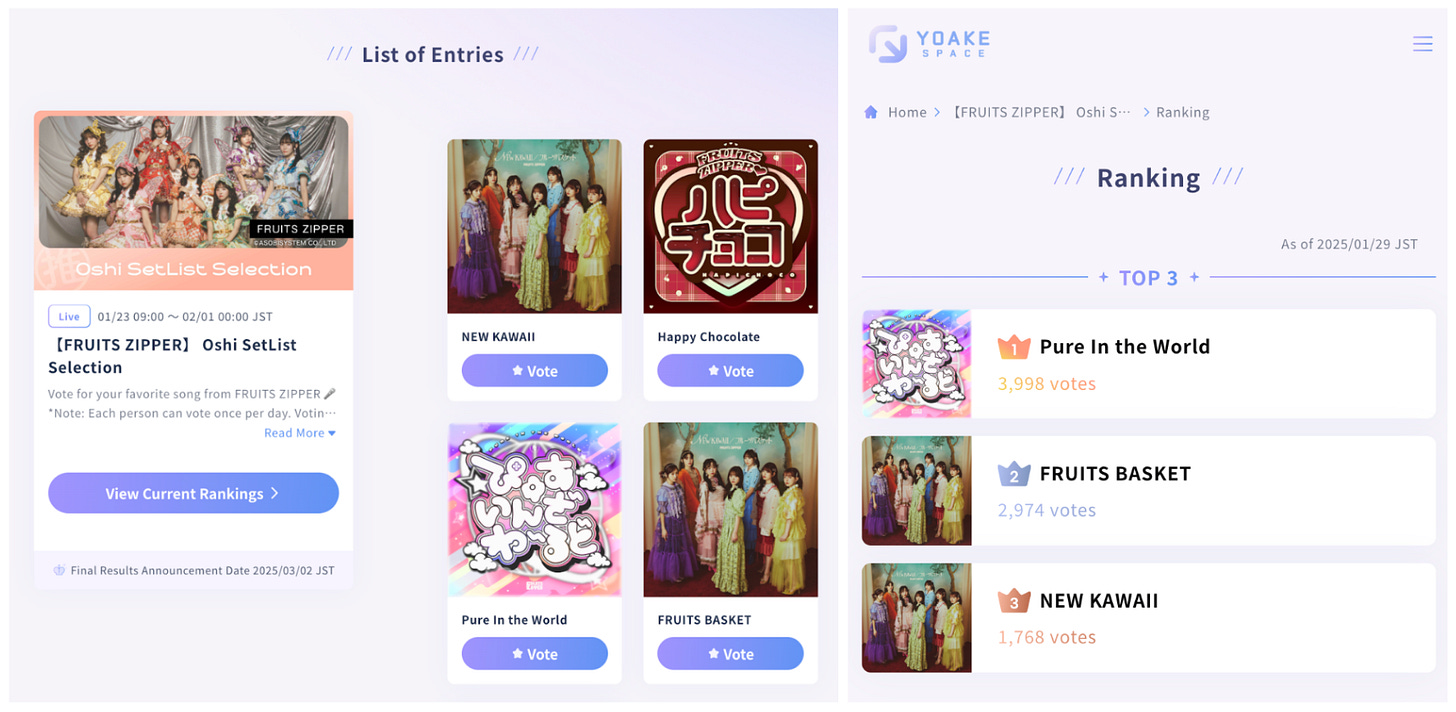
Yoake is a blockchain-based entertainment fan platform developed by Yasushi Akimoto, a famous Japanese producer who founded AKB48 and pioneered the fan voting system for idol groups, in collaboration with Startale. The platform’s innovative approach earned it an award in the Entertainment category of the Soneium Spark Incubation Program.
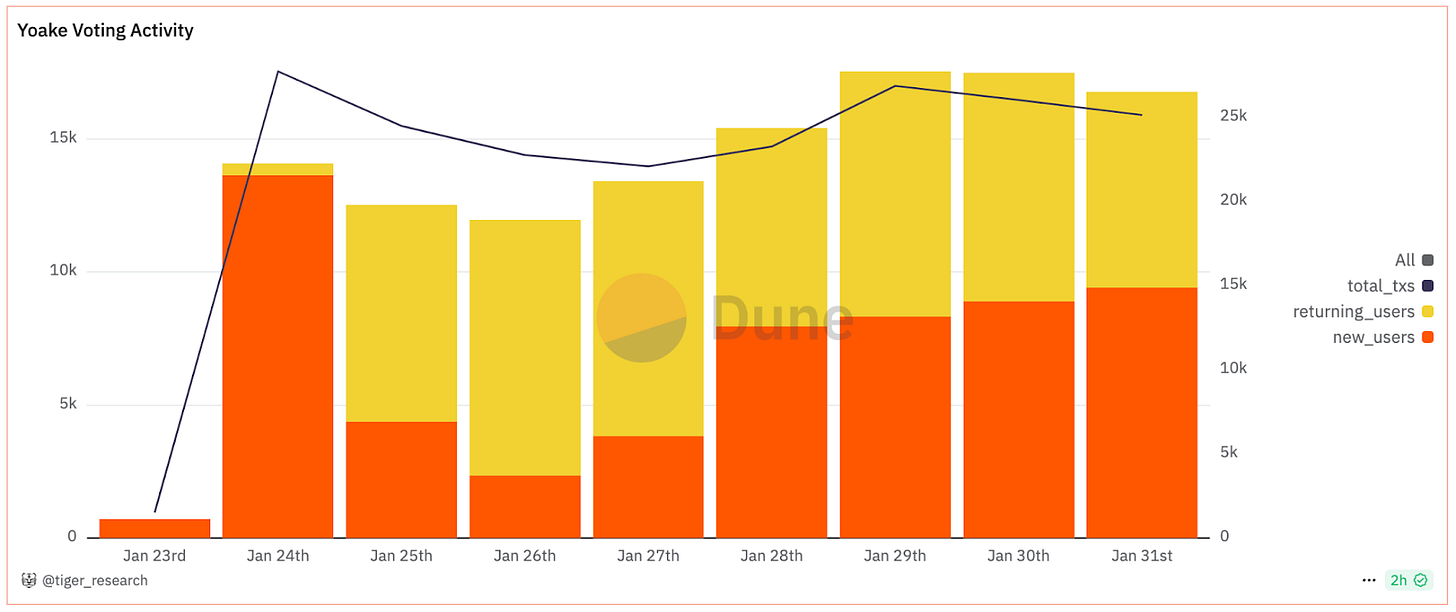
Source: Dune, Tiger Research
Yoake uses blockchain technology to solve common problems in fan communities: vote manipulation and unclear royalty payments. The platform records all votes on the Soneium blockchain, creating a transparent and verifiable system. Fans can vote through their social media accounts without setting up a crypto wallet, and the platform automatically handles all blockchain records. This system supports a variety of fan activities, from choosing idol group performance tracks to participating in fashion voting contests.
Yoake is a classic example of how Soneium is using blockchain: to solve existing problems rather than simply show off technology. As Sony BSL Managing Director Sota Watanabe explains, this “market pull” strategy prioritizes solving real needs rather than finding use cases for existing technologies (“technology push”). Yoake embodies this principle by focusing on improving fairness and transparency in the fan community, with blockchain as a foundational solution.
Yoake will launch the YOAKE token on Soneium to reward active fans and measure community engagement. This model is expected to demonstrate how blockchain can enhance the innovative potential of traditional services in the entertainment industry.
3. Why Soneium chose OP Stack: Solid infrastructure and scalability
Soneium chose to build on Optimism's OP Stack as a second-layer solution for Ethereum, rather than developing its own blockchain from scratch. This decision acknowledges the challenges of developing a new Layer 1 blockchain: establishing network security and building an ecosystem requires a lot of resources and time. By leveraging Optimism's established infrastructure, Soneium can prioritize the development of user-facing services and drive user adoption.
As a layer-2 solution for Ethereum, Soneium enjoys the core benefits of the Ethereum blockchain: EVM compatibility with existing Ethereum tools (such as wallets and smart contracts), verification security to protect Sony's intellectual property, and access to a large developer community.
Source: Optimism
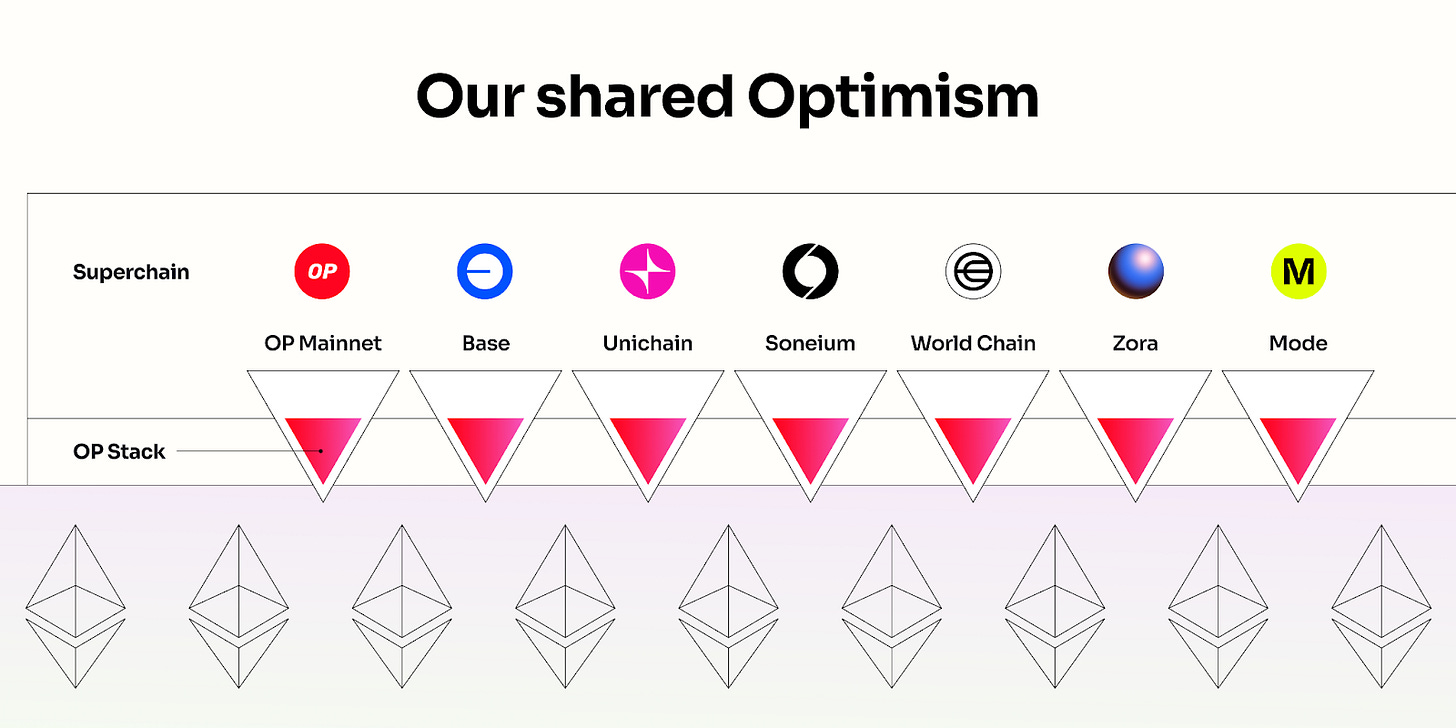
Soneium is designed to scale efficiently using OP Stack technology, which enables it to join Optimism's Superchain network. This connection allows Soneium to interact with other OP Stack-based chains such as Base, World Chain, and Unichain, expanding its influence and capabilities. The planned Optimism Interop protocol will enhance these connections by enabling direct communication between chains without going through the Ethereum mainnet.
By building on Ethereum’s security and Optimism’s scaling technology, Soneium has laid the foundation for rapid growth. This pragmatic approach demonstrates how Soneium can accelerate Web3 adoption by leveraging existing solutions rather than starting from scratch.
4. One vision, two networks: Soneium and Astar’s collaboration
Source: Astar Network
Astar Network, operated by Startale, is expected to work closely with Soneium. Although Astar Network is built on Polkadot and Soneium is based on Ethereum, the two different blockchain architectures are likely to form complementary advantages and maximize synergy.
Analyzing the strengths and features of the Astar Network can help assess the potential of Soneium, especially how the two networks can work together. The following analysis explores how they might work together.
4.1. Converging different ecosystems: Evolving into a common ecosystem for mainstream adoption
Source: Astar Network
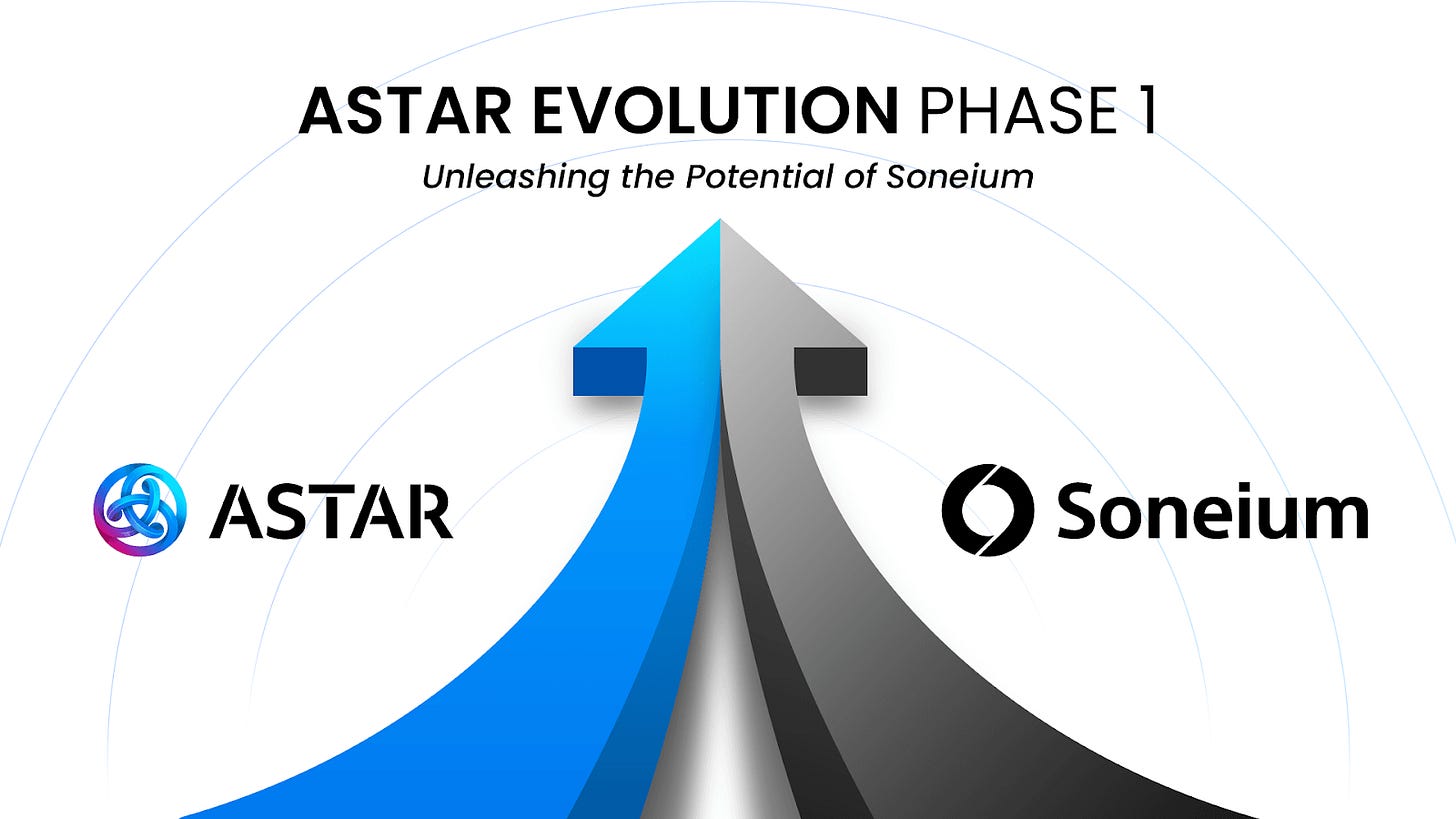
Astar Network and Soneium can develop complementary strengths while operating independently. Astar Network supports Soneium's early growth by providing initial liquidity and ecosystem resources, while Soneium, as a second-layer solution based on the OP Stack, can help Astar Network expand its influence from Polkadot to the Ethereum ecosystem.
Astar Network supports both WebAssembly (WASM) and Ethereum Virtual Machine (EVM), enabling it to connect the Polkadot and Ethereum ecosystems. The collaboration with Soneium may accelerate this cross-chain expansion.
Astar Network's many years of experience in ecosystem management can also help Soneium's development. Astar effectively manages ecosystem liquidity through large-scale token destruction and dApp Staking V3, providing better incentives for users and dApp projects. Despite the base inflation rate of 7%, these measures still help to maintain a stable token level through continuous improvement.
Astar Network launched on-chain governance in December 2024, shifting to a community-led decision-making model. Since then, the community forum has actively participated in the development of the ecosystem. These mature governance practices can provide important reference for the development of Soneium's ecosystem.
Astar Network and Soneium share a broader vision that goes beyond technical integration: bringing Web3 to mainstream users. Astar Network's "Evolution Phase 1.5" will formally connect the two networks to form a shared ecosystem. Using Chainlink's CCIP and LayerZero technology enables seamless communication between chains, helping to build a more sustainable and scalable Web3 ecosystem.
4.2. ASTR: Astar Network’s strategic positioning for mutual growth
4.2.1. Securing the initial foundation through ASTR tokens
Soneium is leveraging Astar Network’s ASTR token to launch its ecosystem to address the initial growth challenges faced by most new networks.
ASTR provides Soneium with immediate liquidity in the mature markets of major exchanges such as Binance, OKX, and Upbit. By using Astar Network's mature tokens, rather than issuing its own tokens, Soneium can build its ecosystem more efficiently than networks like BASE, which require separate token listings or issuances. This approach also reduces regulatory complexity while making it easier to attract existing crypto users.
Source: Astar Network
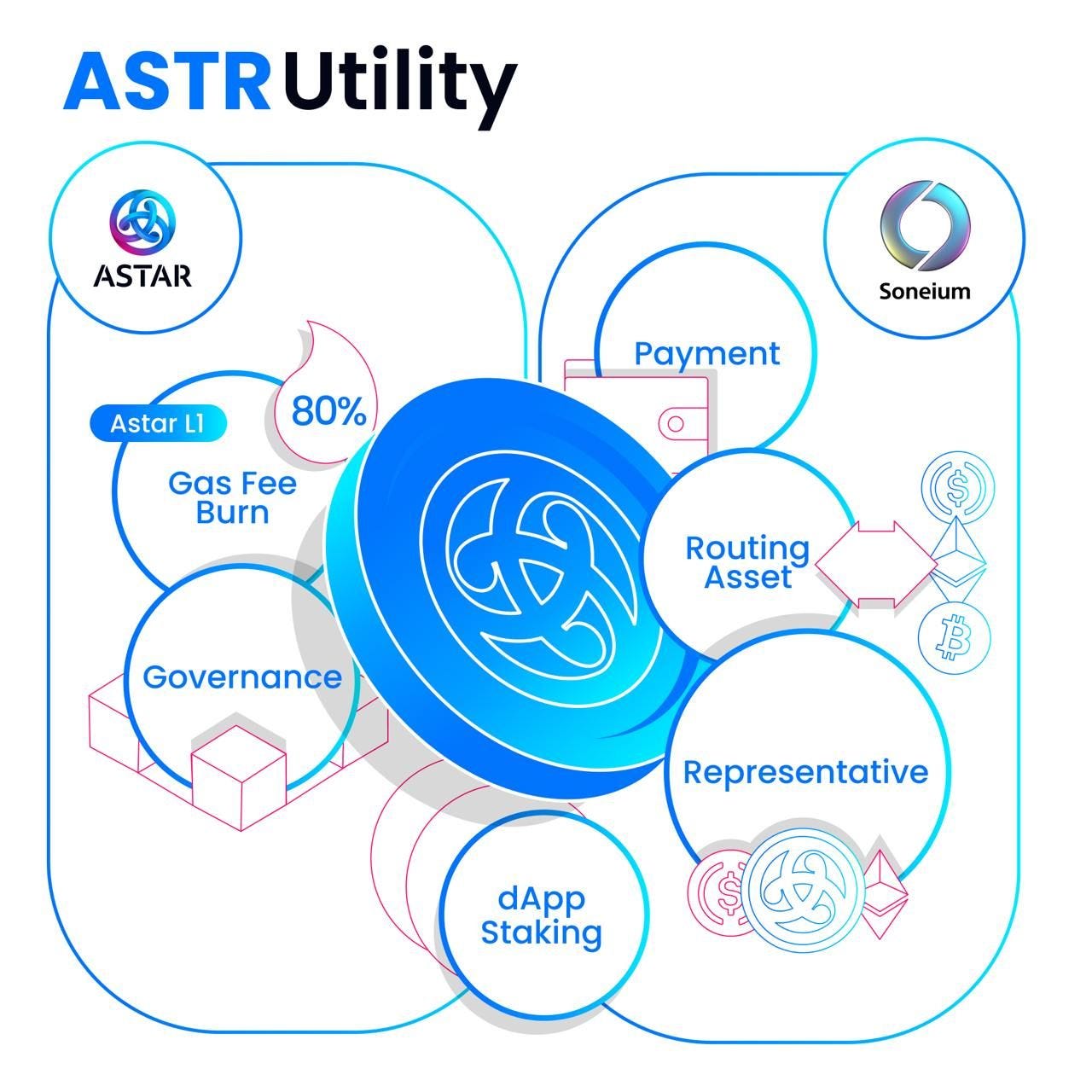
As the core asset of the Soneium ecosystem, ASTR plans to incorporate several key functions: facilitating DeFi transactions, supporting payment functions in consumer applications, and supporting the issuance of stablecoins. ASTR's core role in the Soneium ecosystem is already very clear - as of February 1, 2025, it accounts for 57% of Soneium's Total Value Security (TVS).
Source: Astar Network
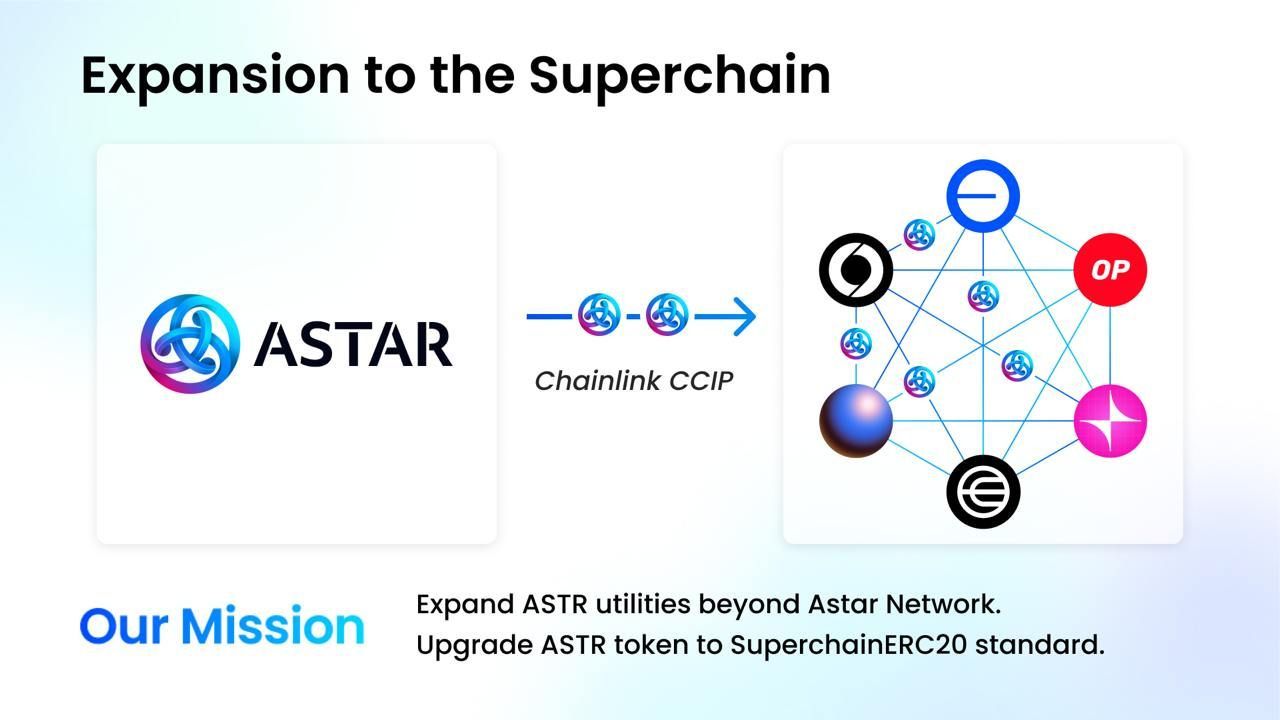
Astar Network plans to expand the role of ASTR in the Optimism Superchain and establish its position as a core asset of Soneium. ASTR has adopted the Superchain asset standard (ERC-7802, SuperchainERC20), enabling seamless flow between networks. This standardization helps ASTR become an important asset in the Superchain ecosystem. If successful, ASTR can serve as a bridge between Soneium and the broader ecosystem, enhancing the connection between the two networks.
4.2.2. Astar and Soneium’s Ecosystem Enhancement Strategy
Source: Astar Network
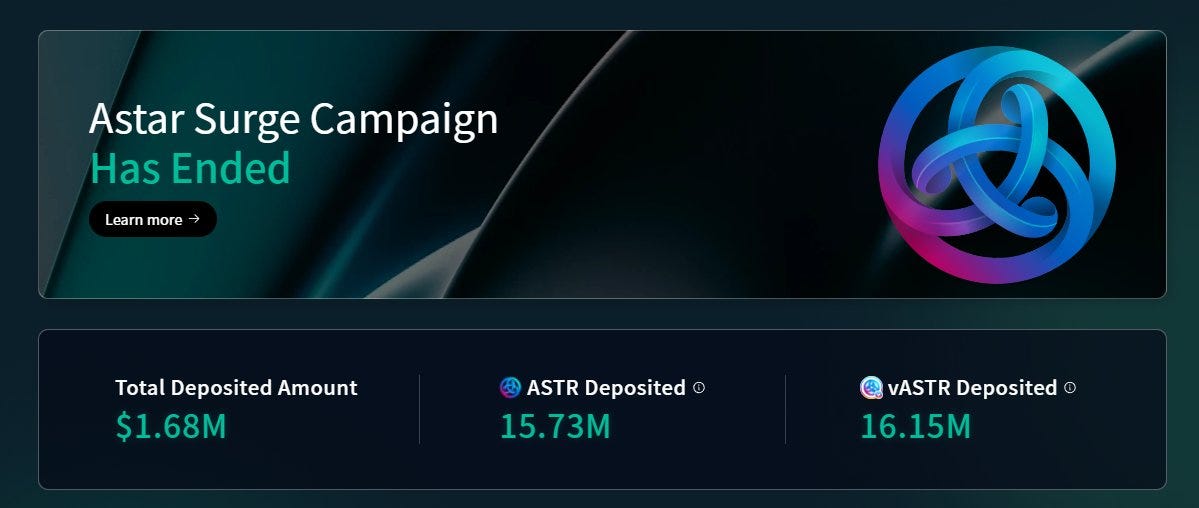
Astar Network is working with Soneium to run incentive campaigns to drive growth in the shared ecosystem. Through the Astar Surge campaign, ASTR holders can earn rewards by depositing tokens into designated smart contracts, helping to provide initial liquidity for Soneium's launch. The campaign has already provided $1.68 million in liquidity to key projects such as Sake Finance and Yay!
Astar Network also plans to launch the Astar Contribution Score (ACS) program to reward users for their active participation in Soneium's DeFi protocols, games, and consumer applications. The goal of ACS is to encourage users to continue to participate in the ecosystem and promote growth, rather than just distributing tokens.
Astar Network’s use of its treasury to support Soneium’s growth represents a strategic investment: it positions ASTR as a key cross-chain asset in the Superchain ecosystem while expanding its influence in the Ethereum ecosystem. As the Sony Group develops mainstream Web3 applications, ASTR may gain real-world use cases, driving adoption of both networks.
4.2.3. Using Astar Network’s Fast Finality Layer
As a second-layer Rollup, Soneium faces two time limits when submitting transactions to the Ethereum mainnet: on Soneium's OP Stack, transaction hard confirmation takes about 13 minutes; and L1 withdrawals require a 7-day waiting period due to the optimistic Rollup feature.
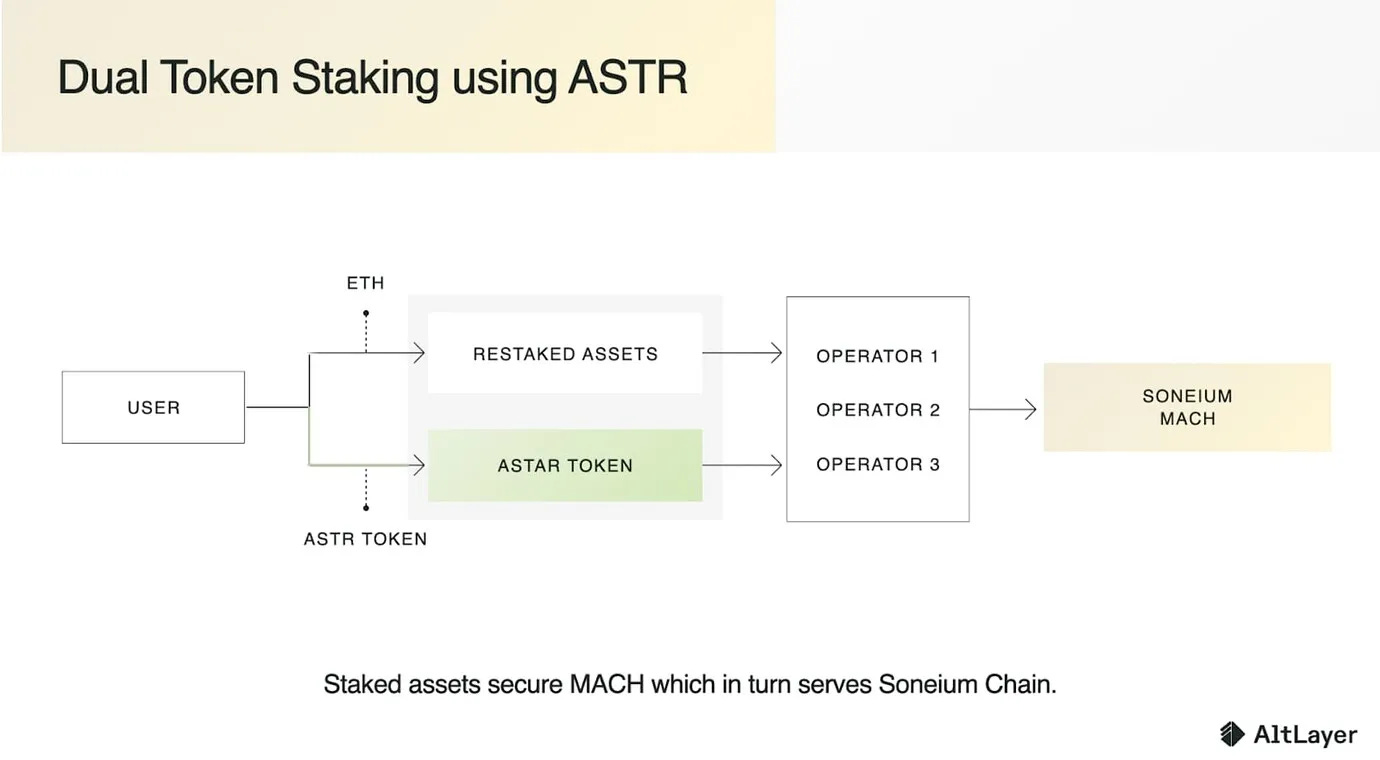
Source: AltLayer
Soneium will use AltLayer's MACH protocol to solve these processing delay issues. MACH is an active verification service (AVS) that utilizes EigenLayer's heavy staking mechanism to improve security and enhance cross-chain messaging. This upgrade will be particularly beneficial for games and financial services that require fast transactions.
The implementation of MACH will create new uses for ASTR, making it a network contribution asset that works alongside heavily staked ETH. This provides more opportunities for participation and rewards for token holders. The expanded utility could enhance liquidity and ecosystem participation on both networks.
4.3. Fusion of Technology and Vision: Possibilities of a New Unified Network
The collaboration between Astar Network and Soneium may become closer over time, building on their complementary technologies: Astar Network runs on Polkadot and supports dual EVM-WASM, while Soneium runs as a second layer of Ethereum. The two can achieve expansion between the Ethereum and Polkadot ecosystems.
The recent Klaytn-Finschia merger shows how two blockchain networks can be combined, which provides a potential model for Soneium and Astar Network. While tighter integration could potentially bridge the gap between the Ethereum and Polkadot ecosystems, such a development would require careful long-term planning. The two networks are laying the groundwork for this possibility by leveraging their respective strengths through their current collaboration.
5. Challenges facing Soneium: Balancing intellectual property protection and online censorship
Intellectual property (IP) infringement remains an ongoing challenge for Web3, as evidenced by recent controversies: NEIRO faced an ownership dispute, while CHILLGUY was criticized for unauthorized use of IP. These incidents have damaged investor confidence and the credibility of the industry.
Soneium introduces a "sandbox" concept that maintains openness while protecting intellectual property rights when building a creator-centric fan community ecosystem. The large-scale adoption of Web3 technology requires finding a balance between creator freedom and intellectual property protection.
Soneium uses a phased security approach: during the warning period, suspicious contracts and projects are reviewed and added to the restricted list if necessary. Rather than completely blocking access, the system allows transactions through Ethereum Layer 1. As Vitalik Buterin described it, this approach is like "a big speed bump" - deterring malicious behavior while keeping the network accessible. Full access can be restored after the project resolves the issue.
This approach protects the rights of creators while taking into account the openness and innovation in the core values of Web3. By implementing management supervision rather than strict censorship, Soneium hopes to combine intellectual property protection with the decentralization of blockchain, providing a potential paradigm for the mainstream adoption of Web3.
6. Conclusion
The launch of Soneium is more than just another blockchain platform — it signals a company’s commitment to bringing Web3 to new heights, where less than 7% of the world’s population currently use it. For Soneium, this move goes beyond technological experimentation to confront the fundamental challenge of mainstream adoption.
The timing echoes Sony’s past transformations. While Sony revolutionized personal music with the Walkman, it also initially struggled to adapt to the changes in digital technology. The company later found success by combining entertainment with technology — exactly the strategy that Web3 can use to enter a new era.
Soneium goes beyond typical blockchain projects, combining the hardware expertise of the Sony Group and the blockchain experience of Startale. This partnership, built between the flexibility of established enterprises and startups, aims to create a more practical Web3 ecosystem.
Japan provides Soneium with strategic advantages as a starting point: relatively supportive policies for the cryptocurrency and Web3 industries, coupled with an environment that encourages global business collaboration. These factors provide a stable foundation for Soneium’s development and internationalization.
However, Sony's Web3 adventure faces significant challenges in terms of technology, regulation, and user experience. The key to success will lie in how effectively Sony can turn these challenges into innovation opportunities.