- Crypto Becomes a New Payment Tool in Oil Exports
- Russia Develops a De-Dollarization Payment System
- Digital Ruble - A Long-Term Solution to Counter Sanctions
- The Future of Crypto in Oil Trade
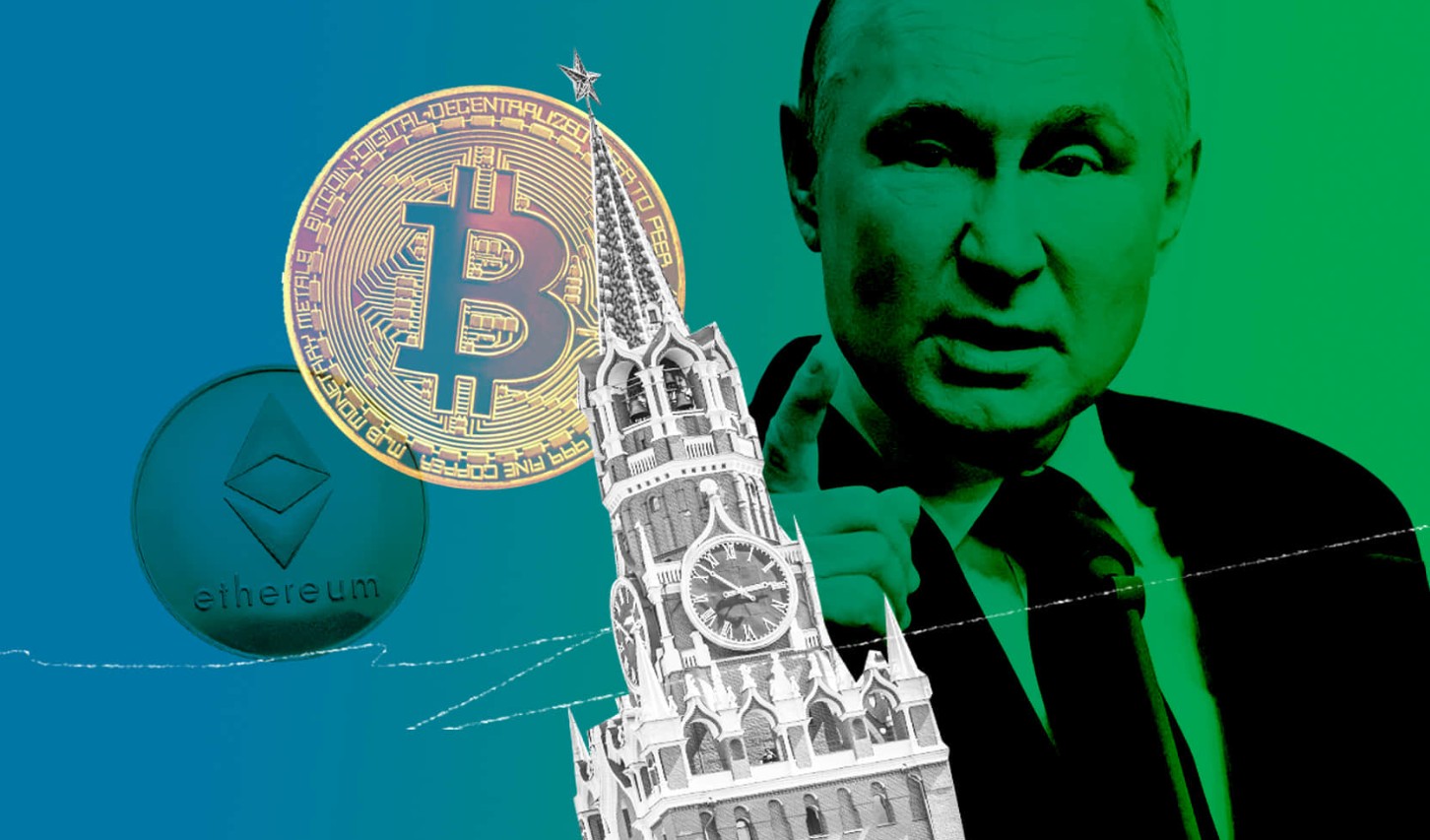
Russia is gradually using cryptocurrencies as a flexible financial tool to conduct oil transactions with China and India, helping the country avoid strict Western sanctions. According to a Reuters report, the country has integrated crypto into its $192 billion oil trade payment system, a move that indicates a significant shift in how Russia is dealing with international economic pressure.
Crypto Becomes a New Payment Tool in Oil Exports
While fiat currency remains the primary payment method in oil transactions, some Russian oil companies have started using Bit, Ethereum (ETH) and stablecoins like Tether (USDT) to convert Chinese Yuan (CNY) and Indian Rupee (INR) payments into Ruble (RUB). These transactions currently only account for a small portion of Russia's total oil trade, but observers believe this ratio could increase rapidly in the future as Moscow further pushes its de-dollarization strategy.
The use of crypto in oil trade is not a novel concept for sanctioned countries. Previously, Iran and Venezuela have also adopted this model to maintain trade activities without relying on the US Dollar (USD) - the dominant currency in the global energy sector.
Russia Develops a De-Dollarization Payment System
To counter sanctions from the US and Europe, Russia has developed various alternative payment systems to reduce its dependence on the traditional financial system. The use of crypto is just one of the financial tools that Moscow is applying. In addition to digital assets, the country also uses currencies like the UAE Dirham (AED) to pay for oil and other exports.
Over the past period, the Russian government has also gradually adjusted its crypto policies. The Central Bank of Russia - which previously had a hardline stance on crypto - has recently submitted a proposal to establish a "regulatory experimental regime" (Experimental Legal Regime - ELR) lasting three years. This will allow a group of Russian investors to trade digital assets within a regulatory framework to assess its practical effectiveness in international trade.
Digital Ruble - A Long-Term Solution to Counter Sanctions
Alongside decentralized cryptocurrencies like Bit and Ethereum, Russia is also pushing for the launch of a digital Ruble (CBDC). The government expects that with the support of major banks, the digital Ruble will become an important payment tool in the trade and retail sectors, and help Russia strengthen its resilience against financial sanctions.
The Central Bank of Russia has determined since 2021 that a digital Ruble could become a shield to help Moscow cope with pressures from the West. With the latest moves in using cryptocurrencies, Russia is proving that it is ready to expand the influence of digital assets to protect its economy from global geopolitical turmoil.
The Future of Crypto in Oil Trade
Even if sanctions are lifted in the future, analysts believe Russia may continue to use crypto in oil trade due to its flexibility and convenience. This not only helps the country reduce its dependence on the USD, but also creates a more decentralized financial ecosystem where transactions can occur outside Western control.
While the West is still trying to tighten restrictions on crypto, the reality shows that digital assets are gradually becoming an important part of the global financial system, especially for countries like Russia, Iran or Venezuela. As blockchain technology continues to evolve, crypto is likely to play an even greater role in international energy trade.
Compiled by VIC Crypto
Related News:
 Prolonged Trade Tensions Cause Volatile Bitcoin Fluctuations in Recent Days
Vietnam and Singapore Join Hands to Develop Legal Framework for Digital Assets
Crypto Landscape in February 2025: Constant Volatility, New Policies Shaping the Future
Bitcoin Surges After Trump's Announcement on US Strategic Petroleum Reserve Shakes Crypto World
FIFA Considering Launching FIFA Coin to Shape the Future of Crypto?