The United States may be experiencing a historic turning point in its cryptocurrency policy. When Trump signed an executive order on March 6, 2025, to establish a Bitcoin strategic reserve, he requested the Treasury Secretary to publish a report within 60 days evaluating "the legal and investment considerations for establishing and managing a strategic Bitcoin reserve and U.S. digital asset reserve, and whether legislation is needed to implement any aspect of this order or to properly manage and administer these accounts".
By Eastern Time on May 5th, which is next Tuesday in Taiwan time, the Treasury is set to release the related report. This could potentially mean the United States will formally incorporate Bitcoin into national strategic asset considerations for the first time, funded by government revenue rather than taxpayers (officially termed as neutral assets).
Entering the Era of Sovereign Competition in Cryptocurrency?
Since the cryptocurrencies Trump initially mentioned for inclusion in the reserve include not only Bitcoin, but also XPR, SOL, and ADA, the publication of the Treasury Department's evaluation report is not just a crucial step in U.S. domestic policy, but could potentially trigger a chain reaction of digital asset reserves globally.
Cryptocurrencies like Bitcoin are gradually evolving from speculative tools in traditional finance to a new landscape of national sovereign asset allocation and geopolitical competition. Are mainstreaming, popularization, and financialization the three characteristics of cryptocurrencies entering the national reserve era? This upcoming report might help clear the fog.
A Breakthrough Point Beyond the Current Consolidation Range?
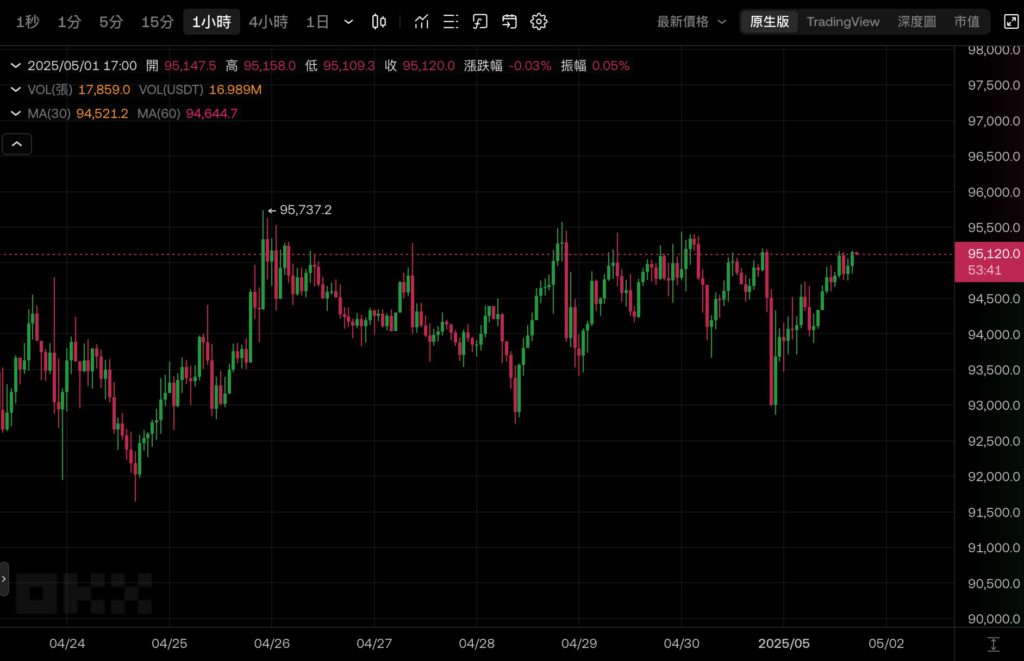
On the other hand, Bitcoin has been consolidating for a week at the $95,000 level, and the prolonged price consolidation has accumulated energy for potential volatility. Analysts predict that its price could challenge higher target prices, such as $100,000 or even $110,000. If the Treasury report truly brings new funds to BTC, it might become a new trigger point.
However, if it fails to break upward successfully, the initial support level might be around $88,000, near the 30 and 60-day exponential moving averages (EMA).