This report was written by Tiger Research, studying the Korean Web3 market in the first quarter of 2025, analyzing its evolution from liquidity export to a structured industrial ecosystem, and highlighting key regulatory developments and global project initiatives.
Key Summary
- From Liquidity Export to Industrial Ecosystem: In the first quarter of 2025, the Korean Web3 market reaches a turning point. This market, once viewed as a global project "liquidity export", is transforming into a structured, self-sustaining industrial ecosystem.
- Impact of Enterprise Account Regulation Relaxation: As part of the Financial Services Commission's roadmap, institutional entities are gradually being permitted to conduct cryptocurrency transactions through corporate accounts.
- Ecosystem Building Led by Global Projects: Projects like Avalanche, TON, Ripple, and Solana are actively establishing long-term foundations in Korea. Their activities have transcended marketing and are dedicated to developer community building and hackathon hosting.
1. Korean Web3 Market in 2025 Q1: Still Just a Liquidity Export?
Despite active retail participation and ample liquidity, the institutional infrastructure development of the Korean Web3 market remains limited. Regulatory efforts prioritize investor protection over ecosystem development, slowing broader industry growth.
Two major obstacles are: 1) Restrictions on enterprise accounts and cryptocurrency exchange associations; 2) High entry barriers for obtaining Virtual Asset Service Provider (VASP) licenses. Enterprises cannot connect corporate accounts to local exchanges, making it legally unfeasible to convert cryptocurrencies earned from operations into fiat through Korean financial institutions. While some companies turn to overseas entities as a temporary solution, this approach carries regulatory risks and cannot provide a sustainable long-term solution.
The high entry threshold for VASP registration also constrains market development. Although small-scale operations may technically not require registration, large projects always face legal and regulatory uncertainties.
These institutional constraints, coupled with investor activities far exceeding local ecosystem maturity, cause some projects to primarily view the Korean market as an customer acquisition channel. In this context, the external narrative of the Korean market as a simple "liquidity export" becomes difficult to refute.
Market developments in the first quarter of 2025 indicate Korea's potential to transition from a speculation-driven market to an industry revitalization-oriented market. Recent regulatory improvements (such as allowing enterprise accounts for cryptocurrency transactions) mark substantial progress in structural transformation. Beneath the surface, global projects are steadily building local ecosystems supported by expanding builder communities and emerging new initiatives.
The Korean Web3 market is at a critical turning point. As the ecosystem gradually matures beyond an investor-driven development model, supported by institutional readiness and continued investment interest, greater long-term value is expected to emerge.
(Translation continues in the same manner for the rest of the text)In terms of investment behavior, corporate capital may concentrate on Bitcoin. As demonstrated by US Strategy (formerly MicroStrategy) and Japan's Metaplanet, institutional investors tend to allocate to large-cap stable assets due to conservative risk management. This could lead to a massive influx of funds into Bitcoin, potentially impacting the Altcoin market - where Korean retail investors have traditionally been highly active. Therefore, the Altcoin market may face reduced interest and liquidity in the medium to short term.
3. Industry Transformation: Strategic Layout of Global Web3 Projects
After the US and China, South Korea has become a core strategic market for global Web3 projects. In response, numerous international teams are actively recruiting Korean talent and establishing substantive collaborations, showing a strategic shift from surface-level marketing to building sustainable, builder-driven local ecosystems. This long-term layout not only supports individual project growth but also enhances the overall competitiveness of South Korea's Web3 industry.
3.1 Project Support: Guiding Industry Direction by Supporting Mature Teams
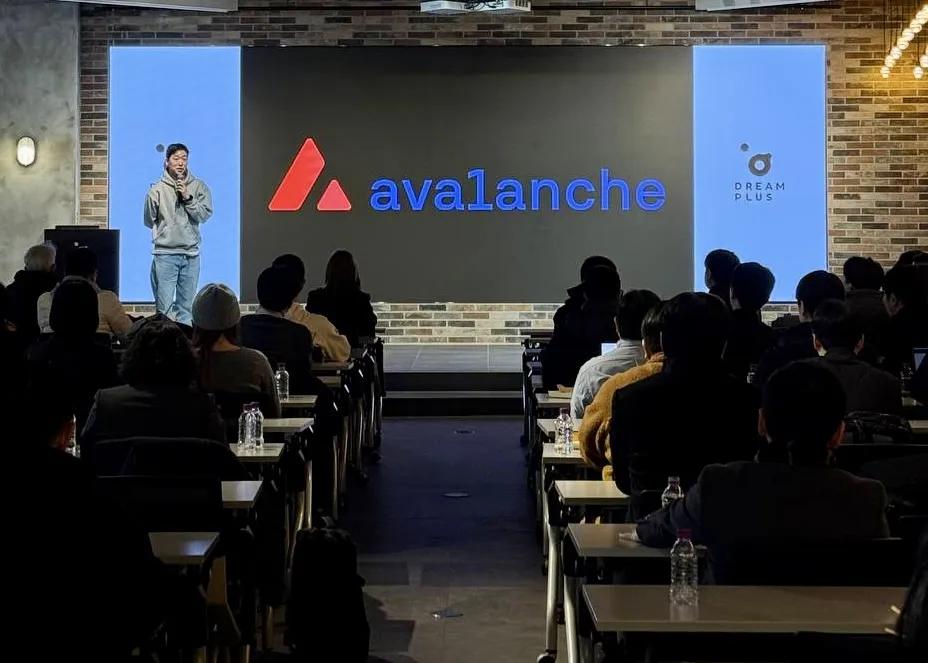
Source: Avalanche Korea X
Avalanche and TON Foundation are global project exemplars directly supporting local Korean teams in ecosystem building. After successfully collaborating with 'MapleStory', Avalanche has expanded partnerships with Korean small and medium-sized projects. The team hosts demonstration days each quarter to showcase available products and actively attract users, creating a feedback loop that provides substantial value to projects and participants.
TON Foundation adopts a more structured approach by launching the "TON Society Korea Builder" program. This program includes an official project database, systematic support architecture, and expanded network access to strengthen the local TON ecosystem in a scalable manner.
These ecosystem support strategies have produced actual results beyond short-term exposure or participation metrics. Verified local developers gain a more stable growth foundation, and their success stories provide clear guidance for new entrants. Simultaneously, these initiatives lay the groundwork for international expansion of Korean projects.
3.2 Hackathons: Cultivating Korean Builders and Strengthening Market Potential
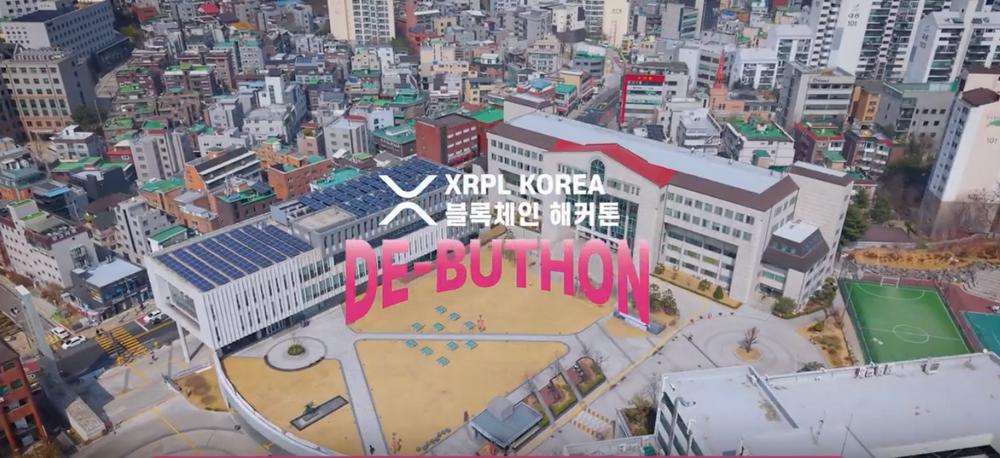
Hackathons hosted by XRPL Korea (Ripple) and Superteam Korea (Solana) have transcended single-event scope, becoming a critical turning point in the Korean Web3 ecosystem. In March, Ripple held a two-day "DE-BUTHON 2025", attracting 24 teams and 203 participants. Superteam Korea collaborated with 22 global partners to host the "SEOULANA HACKATHON", with over 300 participants.
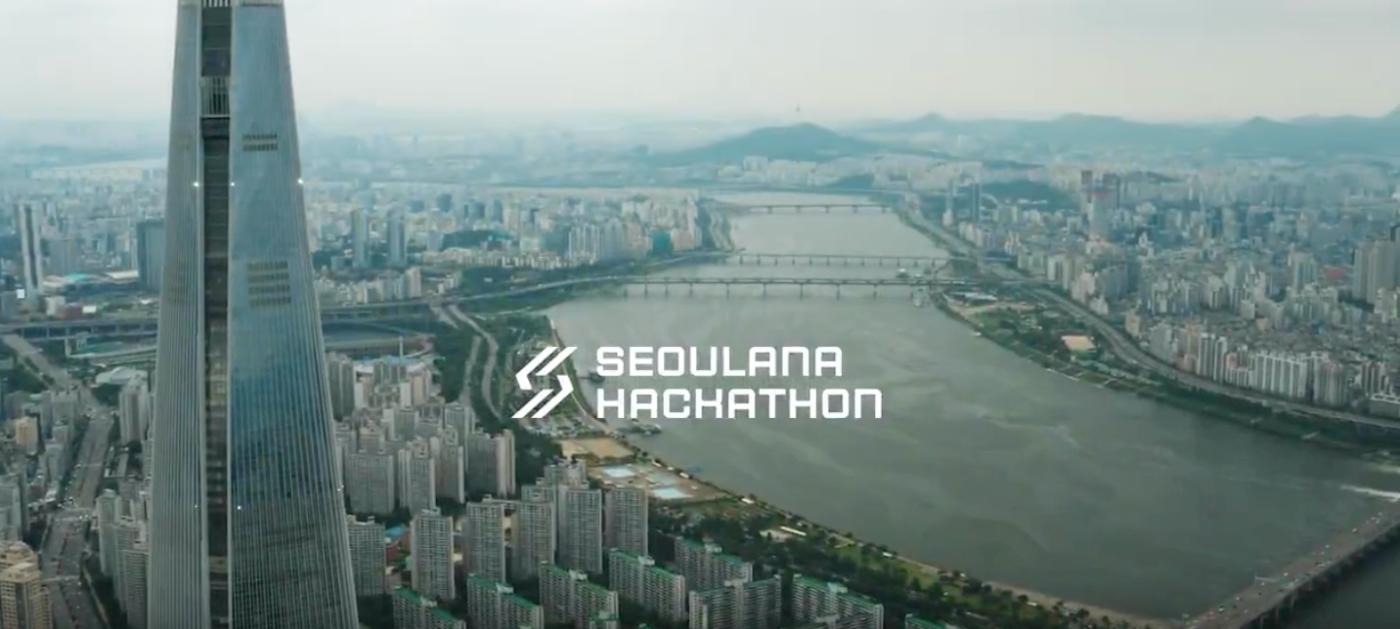
The scale and success of these events help reverse the perception of Korea as a speculation-driven market. The high participation in large hackathons reflects the existence of a robust builder ecosystem. These events have now become strategic launch platforms - providing builders with clear market entry paths and bridging the gap between prototype development and actual deployment.
By the first quarter of 2025, driven by globally-networked ecosystem-building initiatives (rather than pure capital inflow), the Korean Web3 industry begins to show quantifiable progress. Strengthened collaboration with mature participants, coupled with developer support programs, is nurturing a new generation of local builders.
These developments mark the entry of the Korean Web3 field into a new phase of momentum. On this basis, Korean projects are poised to export substantive innovations to the global stage in the coming years.
4. From Investment-Driven to Industry-Driven: Turning Point of the Korean Web3 Market
In the first quarter of 2025, the Korean Web3 market undergoes a critical transformation - from an investment-driven environment to a mature industry ecosystem. Regulatory progress, including phased opening of corporate crypto trading accounts, lays the foundation for structured market participation. Simultaneously, ongoing ecosystem-building efforts by global Web3 projects help Korean markets achieve long-term growth positioning.
Another significant milestone is the successful completion of the first retail user real-world transaction in the Korean Central Bank Digital Currency (CBDC) "Han River Project". Concurrently, major Korean commercial banks began jointly exploring Korean won stablecoin issuance in early April. The Korean Bank also indicated it will play a more proactive role in future regulatory legislation.
In infrastructure, ongoing discussions about a "one-exchange, multiple-bank" system suggest potential structural breakthroughs. Under this model, crypto exchanges will no longer be limited to a single banking partner but can interface with multiple commercial banks. This is expected to significantly enhance market flexibility and user access.
Comprehensively, these developments clearly demonstrate the evolution of the Korean Web3 field towards a sustainable industry ecosystem. After years of regulatory constraints and structural inefficiencies, Korea is entering a new phase where policy coordination, institutional participation, and industry-level growth are emerging.
Original link: Tiger Research