Key Points Summary
· Web3 enterprises are using IPO as a strategic tool to build a formal regulatory framework, winning the trust of institutional investors and regulators while achieving deep integration with traditional financial markets.
· Token financing models expose structural defects such as price volatility, regulatory ambiguity, and liquidity management pressure, highlighting the necessity of transitioning to IPO.
· Centralized exchanges (Bithumb, Kraken), stablecoin issuers (Circle, Paxos), and Web3 solution providers (Chainalysis, Nansen) are expected to lead the IPO wave, expanding institutional funding channels and strengthening global competitiveness through listing.
1. From Tokens to Stocks: IPO Transition Trend in the Web3 Industry
Stablecoin USDC issuer Circle's submission of an initial public offering (IPO) application to the U.S. Securities and Exchange Commission (SEC) has sparked widespread attention to the IPO path in the Web3 industry.
Web3 enterprises have traditionally preferred token financing models: directly reaching retail investors through ICO (Initial Coin Offering) and IDO (Initial Decentralized Exchange Offering), and selling future token rights to institutional investors through SAFT (Simple Agreement for Future Tokens). These methods once propelled explosive growth in the early Web3 industry, but token price volatility and regulatory uncertainty continue to plague institutional investors, with the token model severely constraining investment returns.
In this context, IPO has become an alternative choice. Through IPO, Web3 enterprises can obtain more stable, long-term funding support, reduce legal uncertainty through proactive compliance, establish a standardized corporate valuation framework, and access a broader investor base. This report delves into the core motivations for Web3 enterprises' transition from token models to IPO, assessing the impact and future prospects of this transformation on the industry ecosystem.
2. Deep Logic Behind Web3 Enterprises Choosing IPO
2.1 Regulatory Trust as a Strategic Asset
Web3 enterprises are crafting IPO as a "regulatory compliance certification mark". Just as food companies win consumer trust through quality certification, IPO allows Web3 enterprises to clearly demonstrate their compliance efforts to the market, a strategy particularly effective in trust-driven business areas such as stablecoin issuance and custody services.
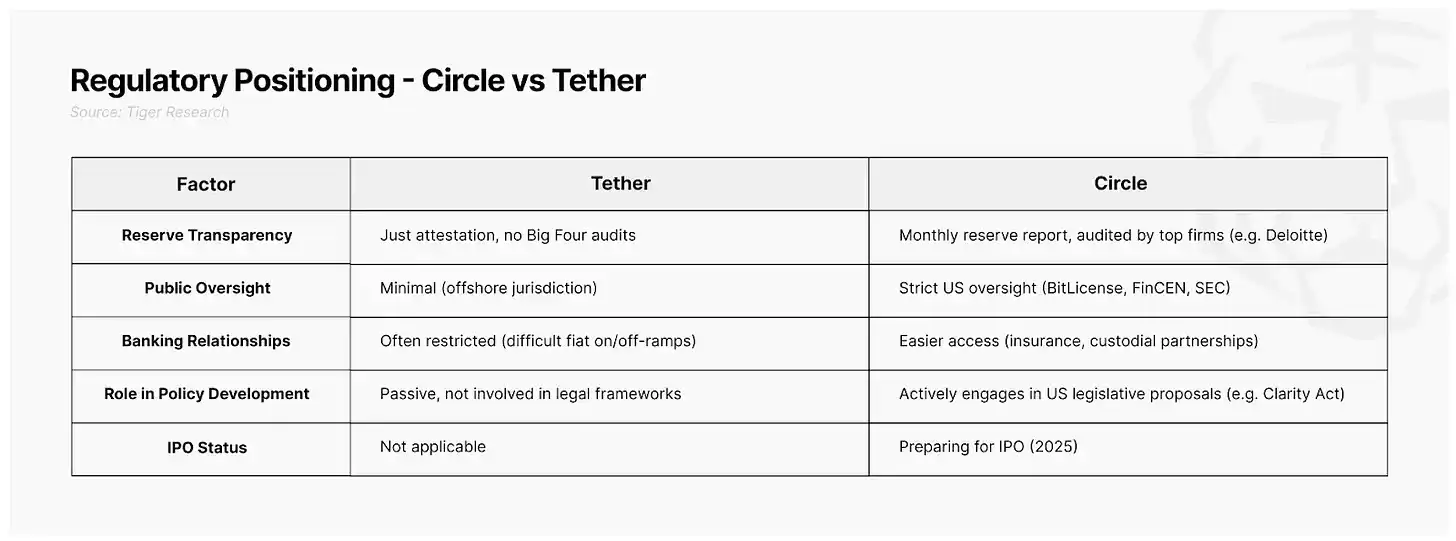
Circle's continuous push for IPO confirms its strategic value. The company's failed SPAC listing attempt in 2021 and current plan to pursue IPO again in early 2025 illustrate this. Since 2018, Circle has established stablecoin credibility by obtaining the New York BitLicense and regularly publishing reserve reports, but lacked formal market validation. IPO enables Circle to officially establish credibility through the SEC's standardized disclosure framework, obtaining a "market entry passport" compared to Tether, and achieving cooperation with global financial institutions and entering broader traditional markets.
Coinbase validated the strategic value of compliance through IPO. The exchange maintained strict legal compliance before its IPO and rapidly expanded after listing: establishing a strategic partnership with BlackRock, providing ETF custody services, and connecting with over 150 government agencies. This development trajectory shows that institutional investors formally recognize Coinbase's compliance efforts through IPO, converting this recognition into a key competitive advantage in building trust.
2.2 Structural Challenges of Token Financing
Token financing played a crucial role in the early development of the Web3 industry, providing a quick and efficient financing channel. However, after issuing tokens, enterprises must address unique complexities: relying on centralized exchanges (CEX) to expand investor coverage, with exchanges using non-transparent, subjective listing standards creating significant uncertainty; after listing, they must provide direct liquidity or ensure market-making cooperation. In contrast, traditional IPO processes follow standardized procedures and clear regulatory frameworks.
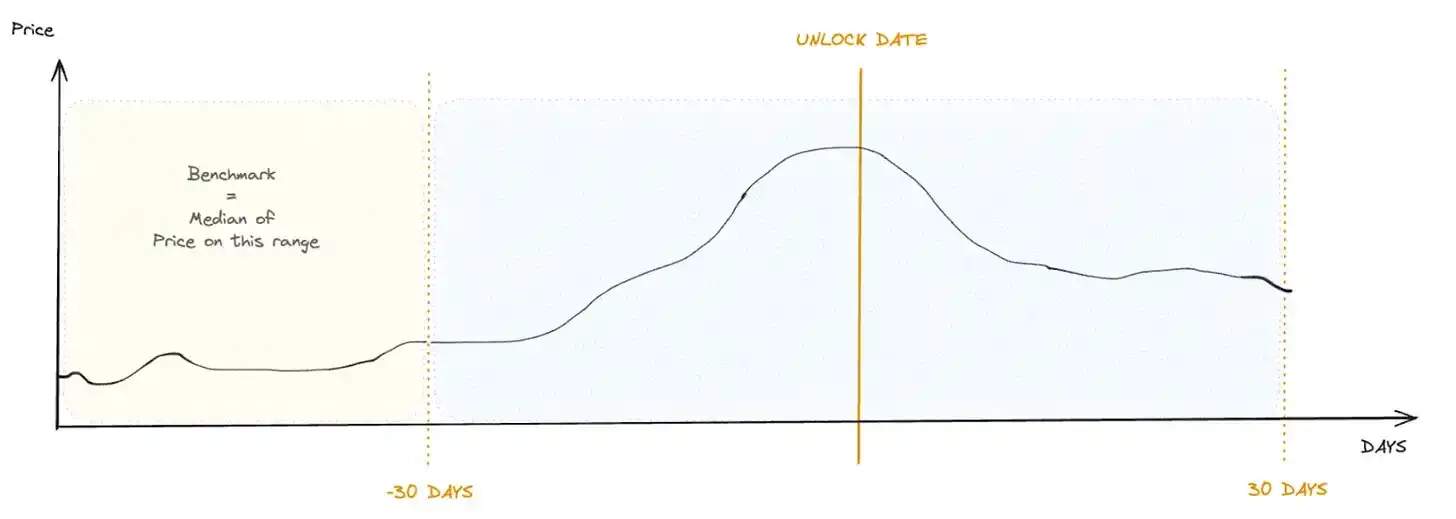
Price volatility constitutes another core issue. Large-scale token unlocking causes severe market price fluctuations, with Keyrock data showing that 90% of unlock events lead to price declines, with team token unlocks averaging a 25% price crash. This price collapse makes it difficult for institutional investors to realize investment returns, reinforcing their negative perception of the token model.
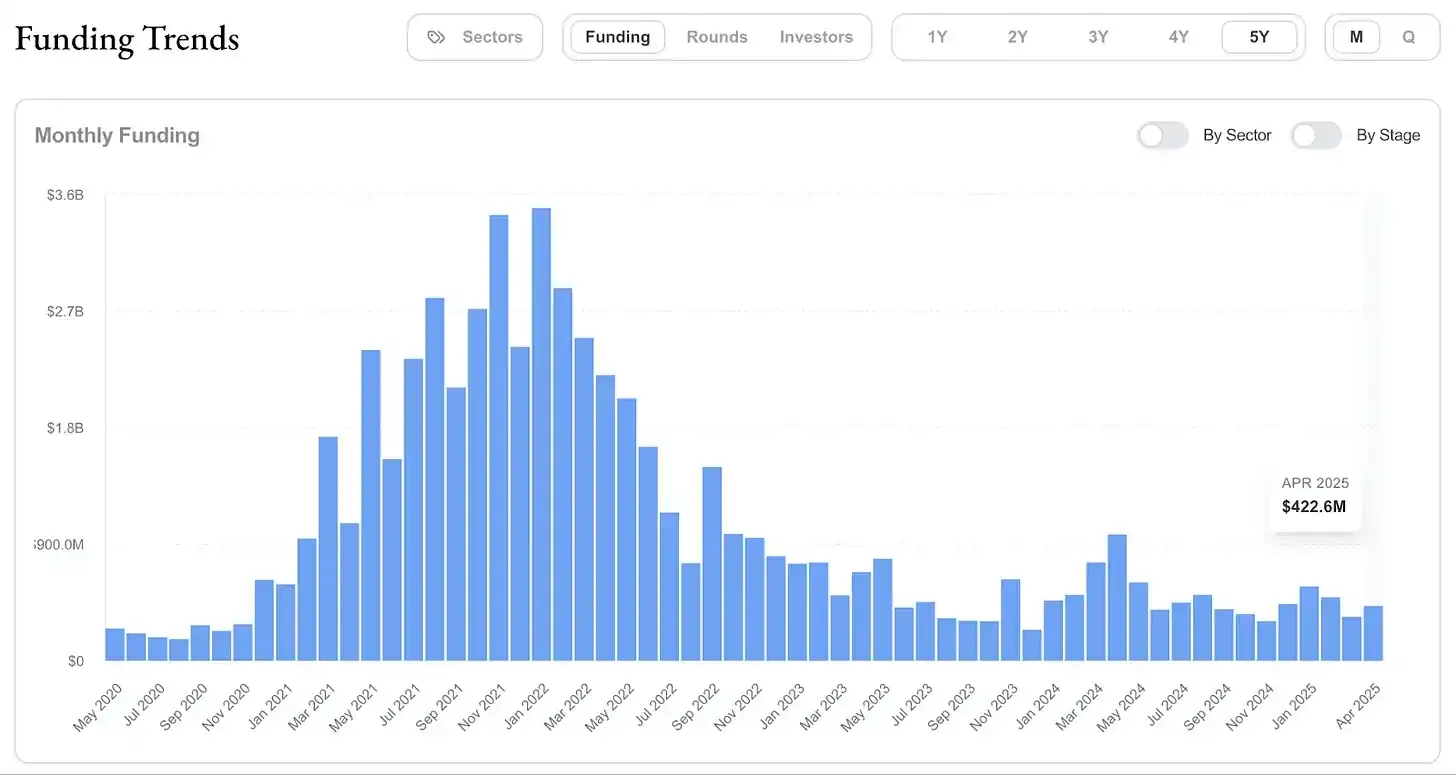
This trend is substantially changing the global crypto venture capital market landscape. Decentralised.co data shows a global crypto venture capital decline of over 60% from 2022-2024, with Singapore's ABCDE Capital recently suspending new project investments and fund raising, indicating a visible market transformation.
Enterprises struggle to effectively link token economic models with operational substance. Aethir and Jupiter have achieved significant Web3 industry revenue, but these business achievements rarely correlate with token prices and often blur business focus. Fireblocks and Chainalysis primarily provide centralized services rather than token products, with token issuance lacking organic fit and clear necessity. Designing and validating token utility becomes a major challenge, not only dispersing focus on existing businesses but also bringing additional regulatory and financial complexity, prompting Web3 enterprises to turn to IPO for breakthrough.
2.3 Expanding Investor Coverage Dimensions
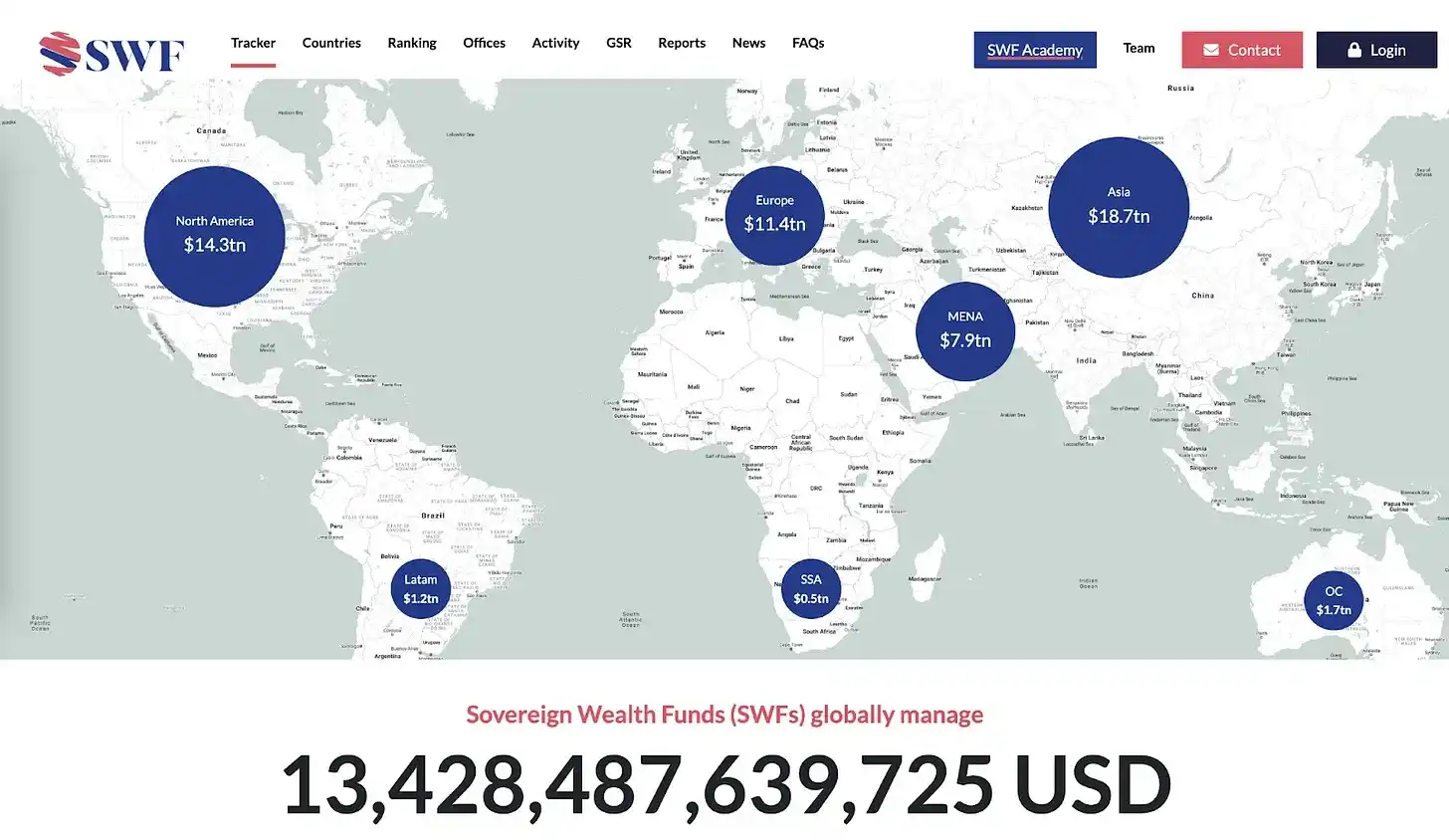
IPO provides Web3 enterprises with the greatest advantage: accessing large institutional capital beyond token financing's reach. Restricted by internal compliance policies, traditional financial institutions, pension funds, and mutual funds cannot directly invest in cryptocurrencies but can invest in listed company stocks in regulated securities markets. Global sovereign wealth funds manage approximately $13 trillion in assets, revealing the potential capital pool Web3 enterprises can access through IPO.
Even in crypto-regulated regions like South Korea and Japan, IPO creates effective indirect investment channels. While South Korean institutional investors cannot directly invest in Bitcoin ETFs, they can indirectly participate in the crypto market through listed companies like Coinbase and MicroStrategy; Japanese investors can avoid high crypto trading taxes by obtaining efficient crypto asset investment opportunities through Metaplanet stocks. This accessibility expansion will promote diverse investor participation, providing legal and stable investment tools within the regulatory framework.
2.4 Strategic Value as a Flexible Financing Tool
IPO enables enterprises to effectively obtain large-scale capital. Coincheck and Coinbase successfully raised funds through IPO and implemented aggressive business diversification: Coincheck used Nasdaq listing funds to acquire Next Finance Tech; Coinbase expanded global competitiveness by acquiring FairX (derivatives exchange), One River Digital (asset management company), and BUX Europe (EU market entry). Although the specific contribution of IPO funds to these acquisitions is undisclosed, they likely provided an important foundation for expansion strategies.
IPO also grants enterprises the ability to use stocks as merger payment methods. Listed companies can implement merger transactions through stock consideration, reducing dependence on cash or volatile crypto assets. This operation achieves efficient capital management and strategic cooperation construction. After listing, enterprises can continuously utilize diverse capital market tools like new stock issuance, convertible bonds, and rights offerings to match ongoing flexible financing with their growth strategies.
3. Future Outlook for Web3 Industry IPO Market
IPO activities in the Web3 domain will significantly enhance in the coming years, reflecting accelerated institutionalization of Web3 and benefiting from successful global expansion cases like Coinbase's public offering. Centralized exchanges, custody service providers, stablecoin issuers, and Web3 solution companies will lead this IPO wave.
3.1 Centralized Exchanges and Custody Service Providers
Exchanges like Bithumb, Bitkub, Kraken, and custody service providers like BitGo are the main candidates for IPO. These companies build competitive advantages through regulatory compliance and asset security, and need to enhance institutional credibility and market strength through IPO. Their revenue is highly correlated with the crypto market cycle, and IPO funds will help them expand new businesses and achieve stable income.
3.2 Stablecoin Issuers
Following Circle, compliant stablecoin issuers like Paxos may follow up with an IPO. The stablecoin market emphasizes reserve transparency and clear regulation, and IPO can both showcase the compliance framework and establish market trust. With the continuous evolution of global regulations such as the EU's MiCA and US stablecoin bill, IPO will provide issuers with important strategic advantages.
3.3 Web3 Solution Companies
Web3 analysis companies like Chainalysis and Nansen are also key IPO candidates. These companies provide professional services to government and institutional clients, and need to enhance market credibility and consolidate global leadership through IPO. IPO fundraising will be invested in technological upgrades, international expansion, and talent recruitment, building a foundation for sustainable development.
4. Conclusion
The rise of Web3 industry IPOs marks a clear turn towards mainstream capital markets. Through IPO, Web3 companies not only obtain funds but also formalize regulatory compliance, attract institutional investors, and enhance global competitiveness. Against the backdrop of continuing contraction in crypto venture capital, IPO provides a stable and flexible alternative financing option.
However, IPO is not suitable for all Web3 companies. Even companies choosing IPO are unlikely to completely abandon token financing. While IPO can provide broader funding channels, stronger credibility, and easier global market access, it requires significant compliance costs, internal control construction, and public disclosure. The token model supports rapid early-stage financing and cultivates an active community ecosystem.
Companies can strategically combine both modes: Exchanges can establish institutional trust and achieve global expansion through IPO, while using tokens to enhance user participation and loyalty. Web3 companies need to carefully choose the optimal combination of IPO and token issuance based on their business model, development stage, and market strategy.
Welcome to join BlockBeats official community:
Telegram Subscription Group: https://t.me/theblockbeats
Telegram Communication Group: https://t.me/BlockBeats_App
Twitter Official Account: https://twitter.com/BlockBeatsAsia