Author: samoyedscribes
Translated by: TechFlow
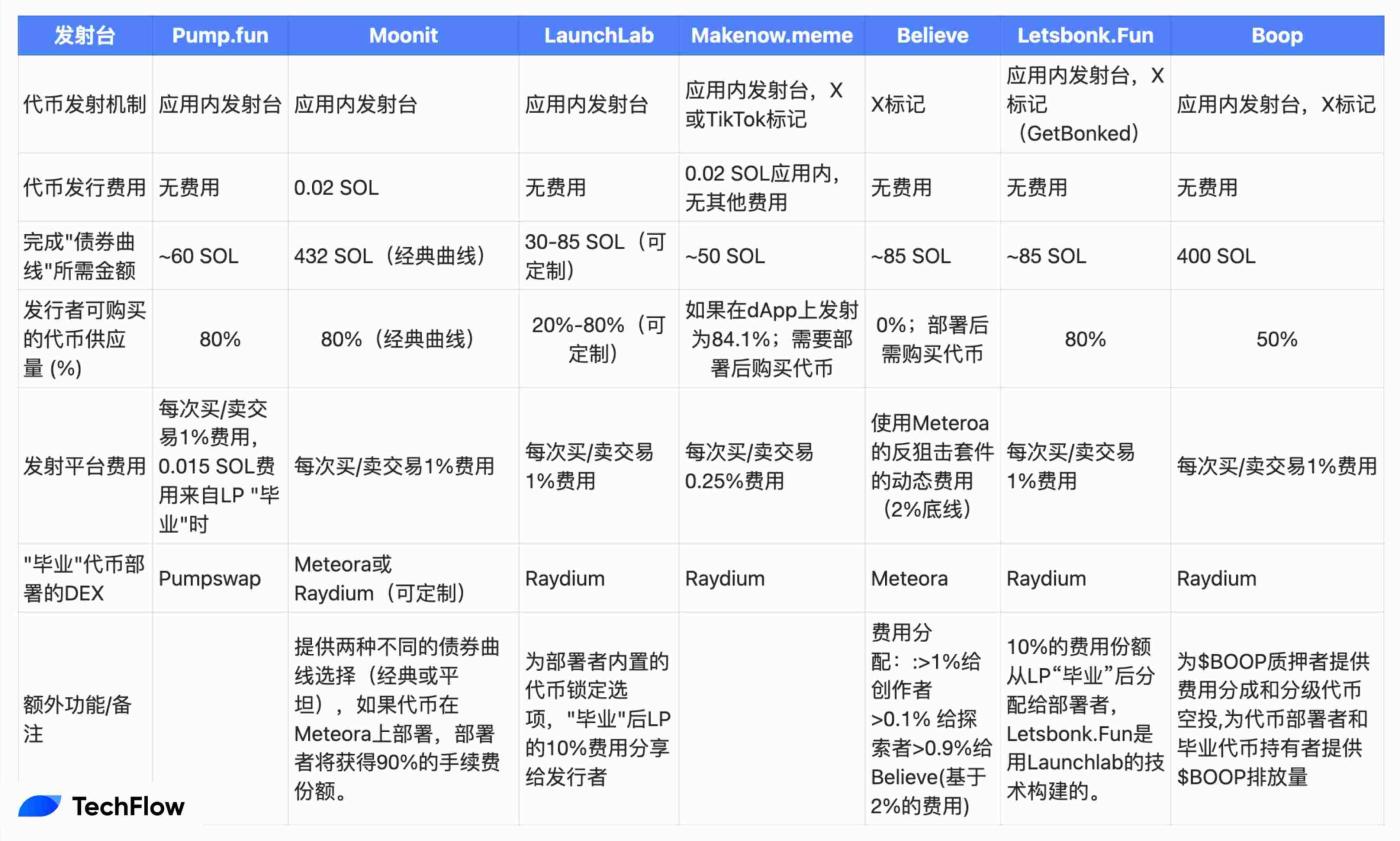
Comparison of Token Launchpads on Solana, translated by TechFlow (Original image from @samoyedccribes and Signum Capital)
A Brief History of Token Launchpads
Token launchpads have become a mature field in the crypto ecosystem, providing projects with a structured pathway to raise funds and initiate liquidity. Before the rapid rise of Pump.fun, this domain was primarily dominated by protocols more suitable for initial decentralized exchange offerings (IDOs). Protocols like CoinList, PinkSale Finance, and Fjord Foundry were the preferred choices for launching projects on blockchains such as Ethereum and Binance Smart Chain (BSC). These launchpads typically served mature protocols with dedicated builders and operated in a more selective environment where investors usually needed to be whitelisted to participate in specific fundraising activities. These entry barriers made them less accessible to smaller protocols and less formal projects like meme coins or experimental tokens.
Why is Pump.fun So Influential?
Pump.fun's emergence has been hailed by some as Solana's kingmaker, playing a crucial role in driving the chain's dominance. Launched on Solana, it leveraged the blockchain's low-cost and high-speed transactions to revolutionize token issuance. Unlike its predecessors, Pump.fun introduced a standardized mechanism that burns liquidity pool (LP) tokens upon launch, ensuring liquidity cannot be withdrawn—a feature that provided additional trust for retail participants, though the platform still couldn't completely avoid insider manipulation.
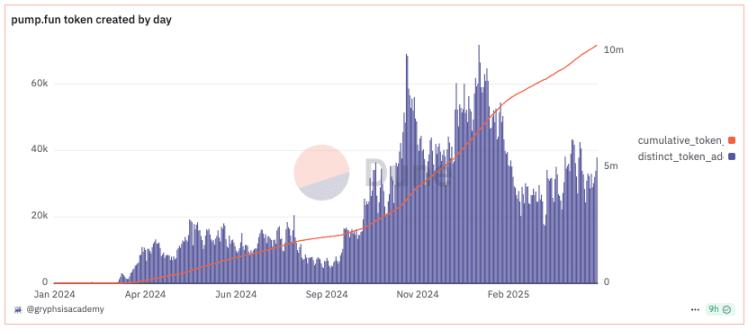
Number of tokens created by Pump.fun since its establishment
Pump.fun's true impact lies in its decentralized approach. It allows anyone, not just mature protocols, to raise funds and initiate liquidity fairly. To date, over 10 million tokens have been launched on Pump.fun. This accessibility made Pump.fun a breeding ground for Solana's meme coin frenzy, leading Solana to be dubbed the preferred "on-chain casino". Other chains have tried to steal this title but failed. Pump.fun's model was pioneering, allowing new token issuance to proliferate at an unprecedented scale.
However, is this net positive or negative for the crypto space? On one hand, Pump.fun lowered entry barriers, fostering creativity and experimentation. On the other, it opened the floodgates to low-quality projects and large-scale liquidity extraction events. Some argue this is detrimental to the ecosystem's long-term health. Time will tell, as the market will self-correct when appropriate.
Makenow.meme—The Earliest Iteration
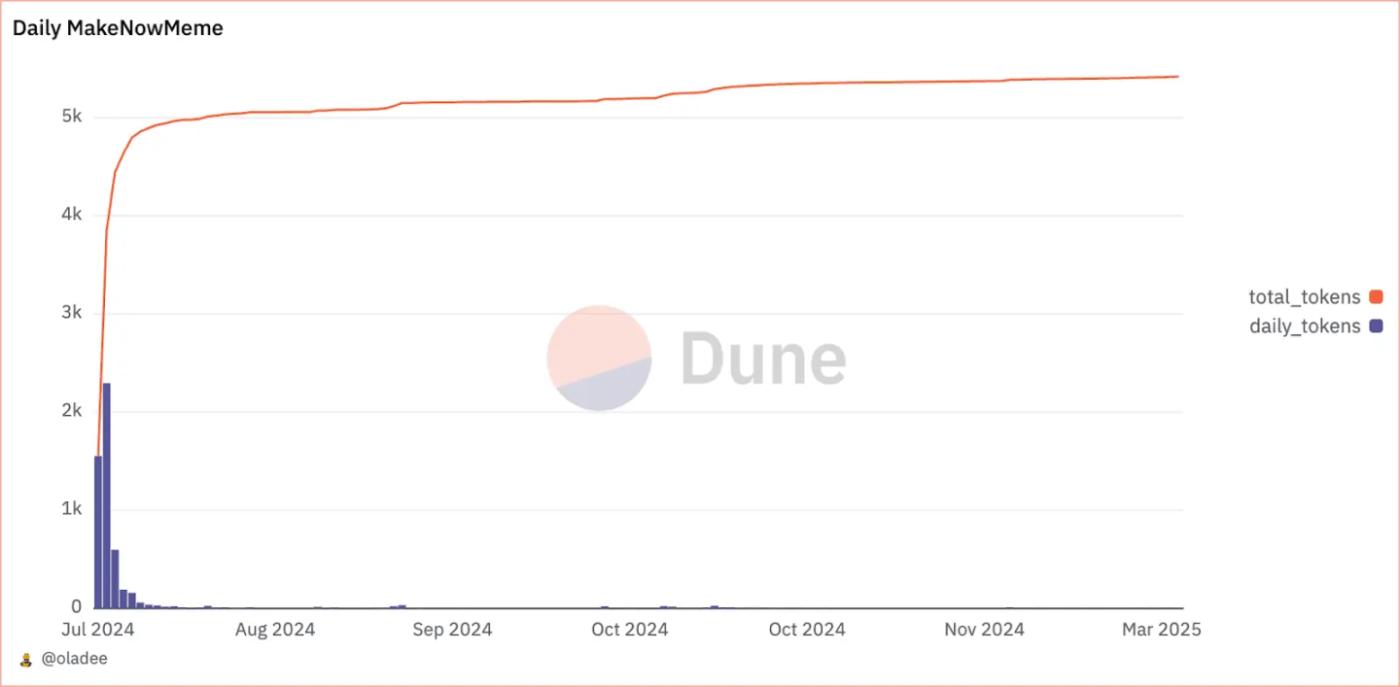
Number of tokens created since Makenow.meme's establishment
Following Pump.fun's success, Makenow.meme emerged as an early competitor, aiming to advance this concept by directly integrating with platforms like X. The idea was to enable users to create tokens by tagging Makenow.meme's X account, making token issuance a seamless, user-friendly experience. Theoretically, this looked like a promising decentralized application for the masses, combining social media with crypto innovation. However, despite potential advantages, Makenow.meme struggled to find product-market fit (PMF). Platform adoption was poor, leading to a rapid decline in user activity after launch. Despite its novel concept, it lacked the execution and incentives needed to drive mainstream adoption.
Revival of Pump.fun Competitors
Pump.fun's dominance didn't last long. A key moment occurred when Pump.fun decided to migrate its "graduated" tokens (those reaching a certain market cap threshold) from Raydium to its own Pumpswap decentralized exchange (DEX). This sparked competition, with Raydium responding by launching its LaunchLab token launchpad. Additionally, Believe launched a product similar to Makenow.meme, allowing users to issue tokens on X, while Bonk launched its own launchpad based on Raydium's LaunchLab tech stack. Recently, Boop entered the market under the leadership of Dingaling (founder of PancakeSwap, LooksRare, etc.).
Boop, the Most Promising Newcomer
Boop stands out for its innovative approach and "fun" Ponzinomics. It introduced a fee-sharing mechanism that addresses one of Pump.fun's major pain points: lack of incentives for token creators and early adopters. Boop also adopted an aggressive user onboarding strategy. Notably, some core DeFi users received a $BOOP airdrop with a condition: they must issue tokens, market them, and rally others to buy to claim the airdropped tokens. Moreover, Boop offers fee sharing, airdrops, and other incentives for token deployers, $BOOP holders, and holders of recently "graduated" tokens. Though still in early stages, Boop's dynamic incentive structure and willingness to rethink launchpad possibilities might cultivate a loyal and engaged user base over time.
Concluding Thoughts
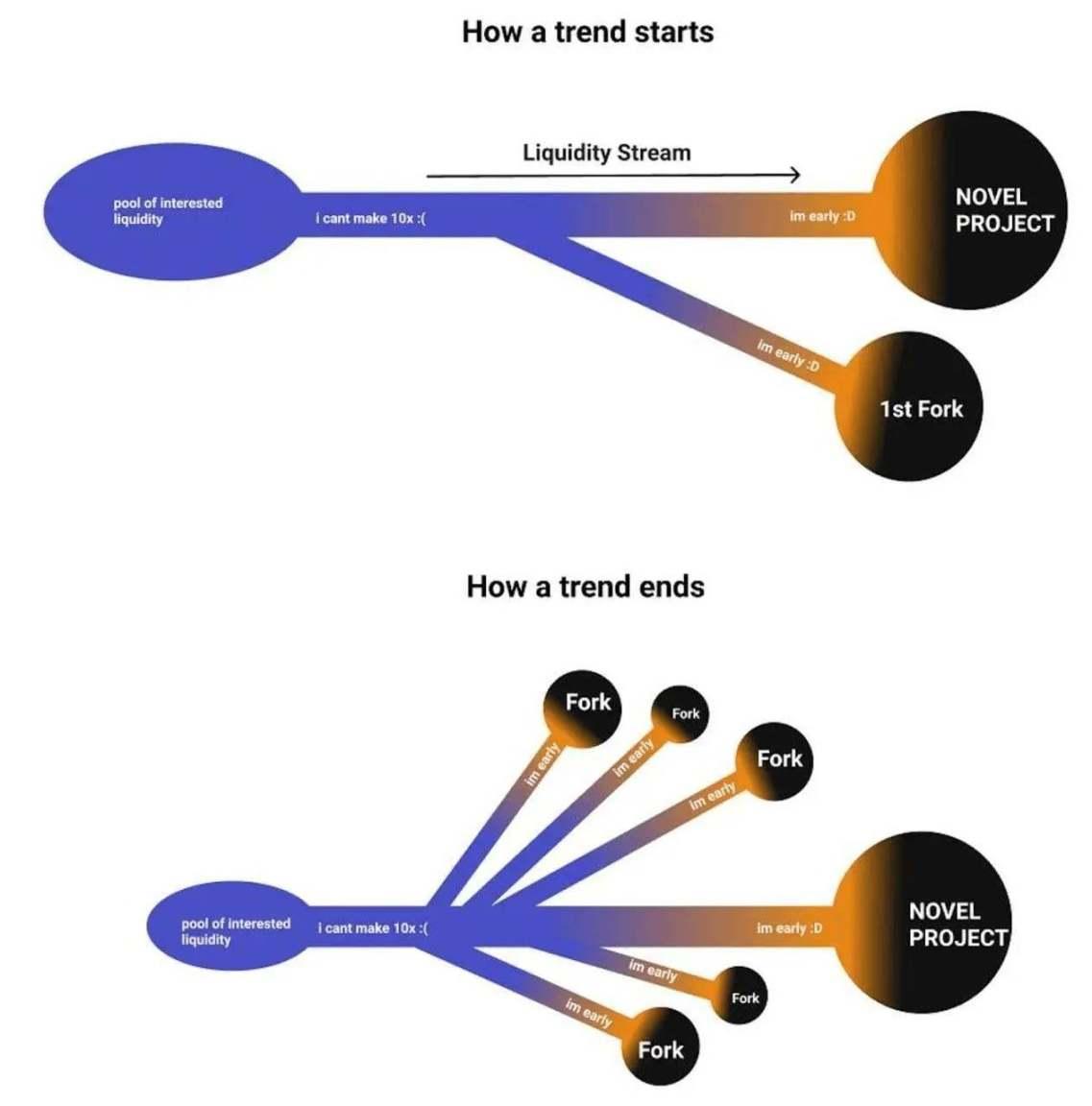
Thanks to @jeff_w1098 for contributions on X
Undoubtedly, the token launchpad landscape on Solana is becoming increasingly saturated. The ability to fork protocols is a fundamental blockchain characteristic and not inherently negative. However, the proliferation of nearly identical products might stifle innovation by offering little differentiation, resulting in a crowded market with dispersed user attention and liquidity.
Instead, the crypto space should encourage projects like Boop, under Dingaling's leadership, which iterate on existing product designs. By introducing novel incentive structures and rethinking user onboarding, Boop demonstrates that innovation space remains. As the market evolves, success will lie in balancing accessibility and sustainability, ensuring token launchpads not only empower creators but also foster a healthier, more resilient crypto ecosystem.