This report, written by Tiger Research, analyzes how B3's open gaming vision addresses the practical challenges in the Web3 gaming industry and its potential for expansion into the mainstream gaming market.
Key Points Summary
- The Web3 gaming industry has fallen into a slump after the initial speculative frenzy. Critics point out that the closed ecosystem structure is the fundamental problem.
- Former Coinbase employees and Base chain founding members created B3—a third-layer infrastructure optimized for gaming. The team developed high-performance, low-cost industry-specific infrastructure and built an open gaming ecosystem based on high interoperability to break through the structural limitations of the Web3 gaming industry.
- B3's vision is not limited to solving the Web3 gaming industry's constraints. They aim to provide a new paradigm for the traditional gaming industry through a community-centered governance model, a cooperative rather than competitive inter-game mode, and expanded virtual economic development.
1. Web3 Gaming Industry Crisis: Speculation or Innovation?
Web3 games were initially viewed as a growth engine for the gaming industry due to the new possibilities brought by blockchain integration. However, contrary to early expectations, public interest quickly cooled, and doubts about its "innovativeness" continued to ferment.
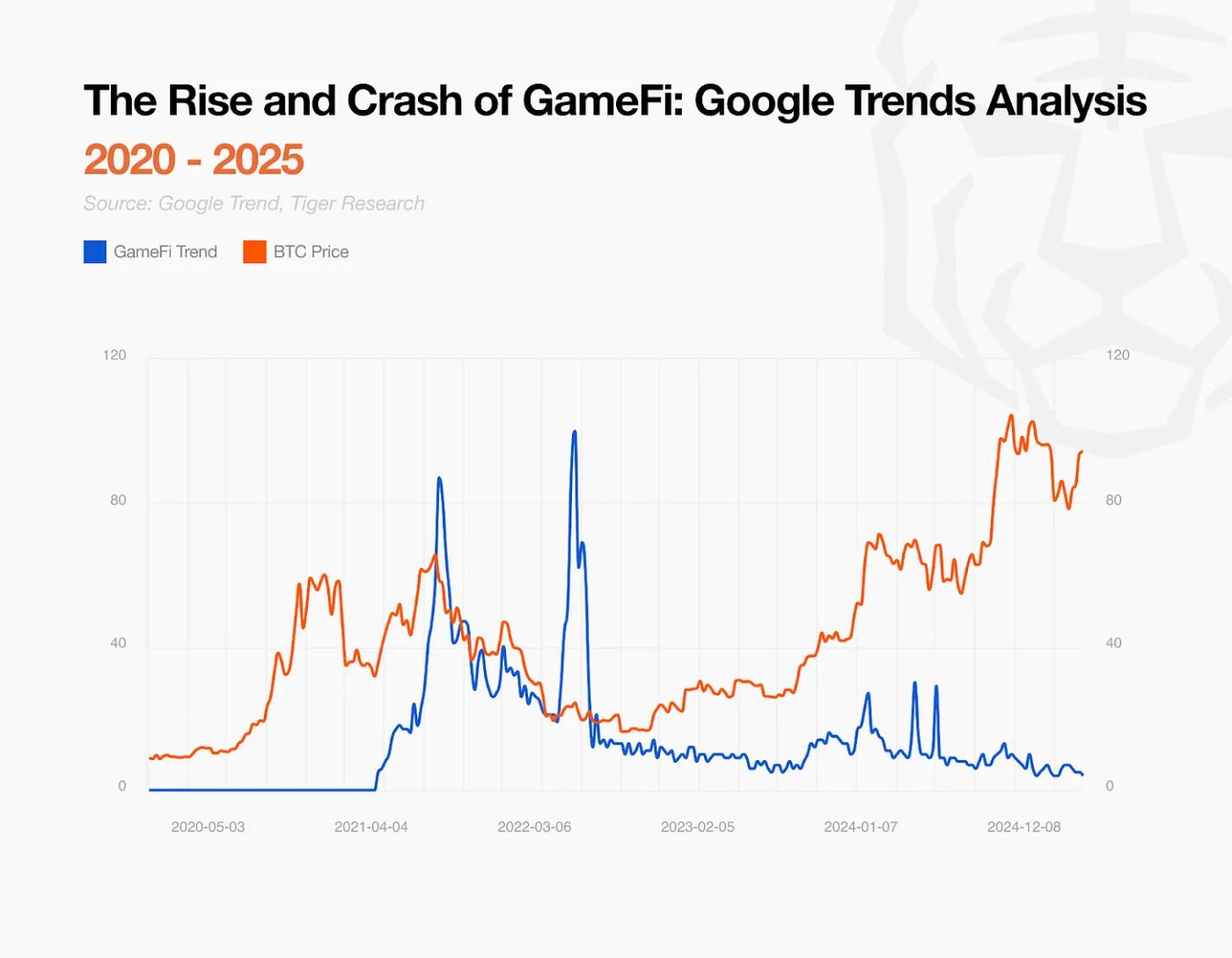
Data confirms this shift. GameFi-related searches on Google Trends have continuously declined after peaking, and the trading volume of major GameFi tokens remains low.
Despite this, many builders still believe that Web3 gaming will be revived. However, after the speculative wave recedes, public trust is difficult to rebuild. While the cryptocurrency industry finds new growth points through institutional adoption, the Web3 gaming industry remains stagnant in seeking a breakthrough.
Today, Web3 gaming stands at a critical crossroads: Will it become a true innovation carrier, or the final chapter of a speculative bubble? To move forward, the industry must confront its limitations and develop a clear breakthrough strategy.
2. The Fundamental Limitation of Web3 Gaming: Walled Gardens
The core crisis of Web3 gaming stems from its closed ecosystem structure. Despite positioning itself with openness and interoperability, the reality often falls short of expectations. Blockchain technology theoretically allows users to own game assets and freely transfer them across game platforms—this is the core value proposition of the field.
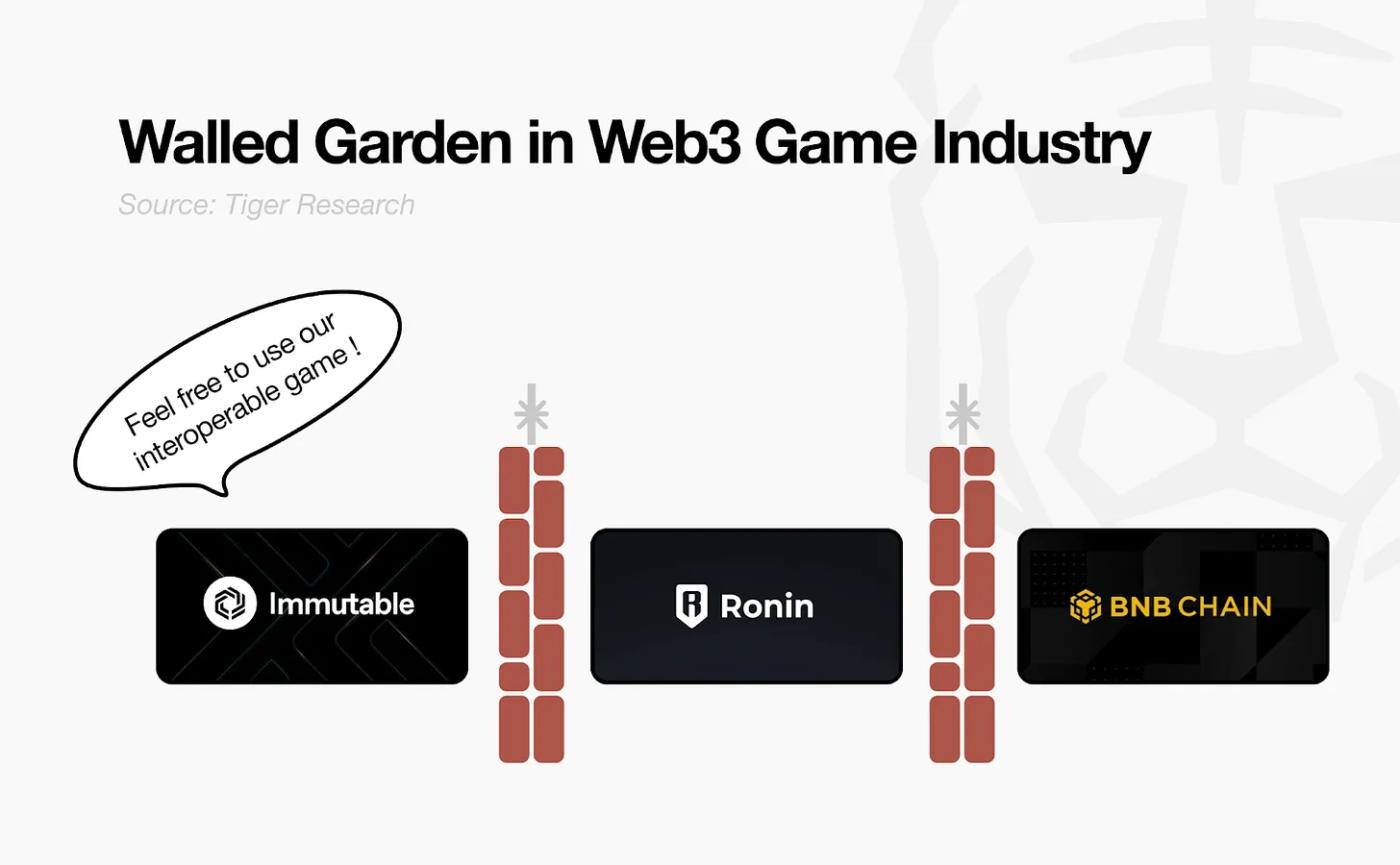
However, the current Web3 gaming ecosystem presents a paradox: Most games run on isolated blockchain infrastructures, forming "walled gardens". This fragmentation disperses an already limited user base and dilutes liquidity, restricting the industry's growth potential. Game companies compete in a zero-sum environment, fighting over the "existing cake" rather than collaborating to "make the cake bigger", a dynamic that hinders innovation and drags down overall development.
To break through, Web3 gaming must dismantle its closed structure and build an open, interconnected ecosystem. This requires more than technical fixes—it needs a strategic shift from individual competition to collaborative growth, allowing developers, platforms, and communities to create value together.
Some projects have begun to address this challenge. For example, B3, a blockchain gaming infrastructure project initiated by Base chain creators, proposes an "open gaming" vision aimed at fundamentally solving interoperability issues at the structural level.
(Translation continues in the same manner for the rest of the text)Currently, four game studios are building game chains:
Prime chain by Parallel Studio
God chain by Infinigods
SuperGaming chain by SuperGaming
Reach chain by the founding team of MySpace
These chains constitute the early pillars of an interconnected and open game ecosystem supported by B3 infrastructure.
3.2 Basement.fun: On-Chain Game Platform
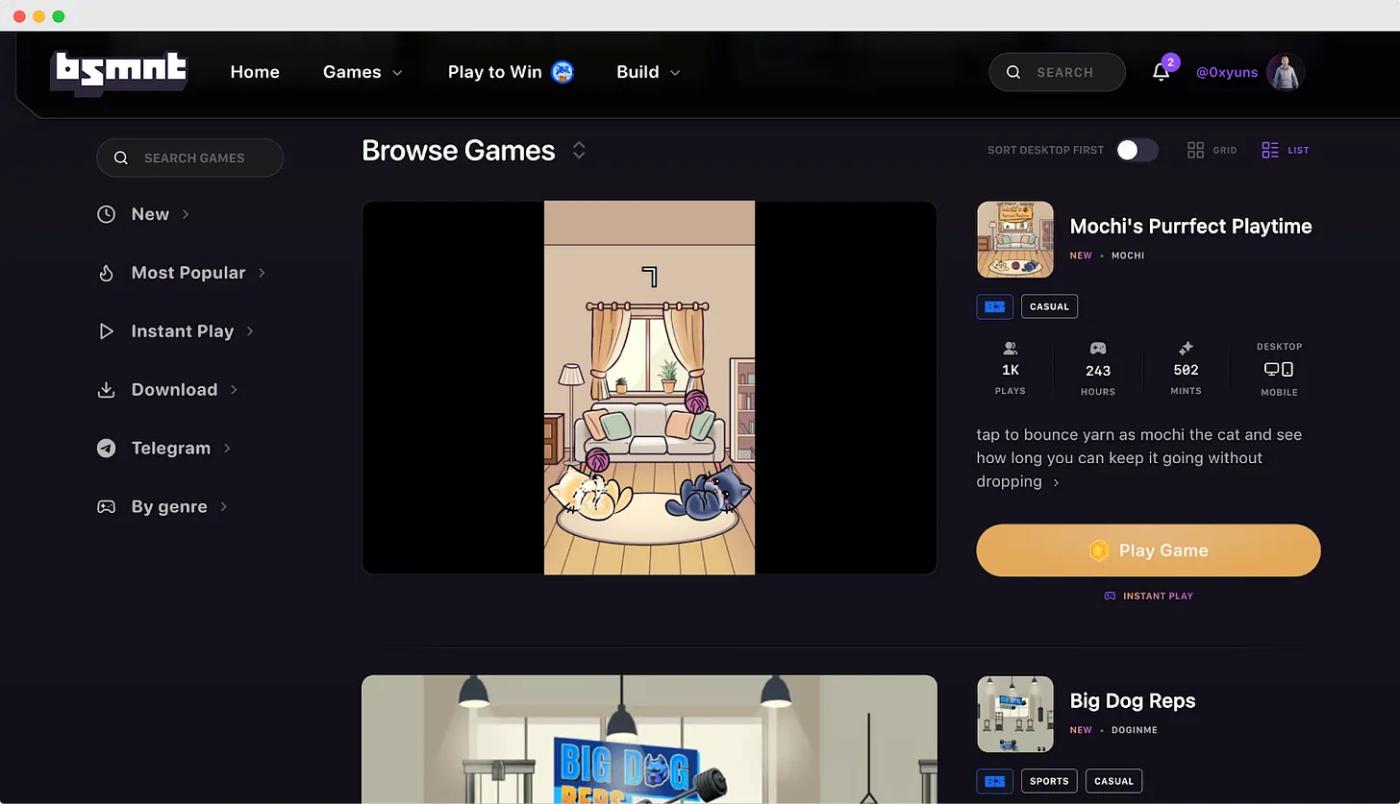
Basement.fun is the first frontend client of the B3 team, providing a user-friendly entry point for chain games. The platform allows users to experience blockchain games without professional Web3 knowledge and offers developers simple tools for deploying and managing chain games.
3.2.1 User-Friendly Design: Seamless Onboarding Experience
Source: B3, Tiger Research
Users can register with just an email or phone number. The platform supports a global account mode integrating social login, EOA wallets like MetaMask, and Coinbase smart wallets. The guest mode even enables instant gaming without login, significantly lowering the entry barrier.
Source: B3
To enhance usability, Basement.fun uses B3's self-developed account and chain abstraction technology called AnySpend. This feature allows users to instantly access cross-chain assets through a single login account—without bridging or exchanging—providing a Web2-like smooth experience that makes chain games accessible to mainstream users.
Source: B3, Tiger Research
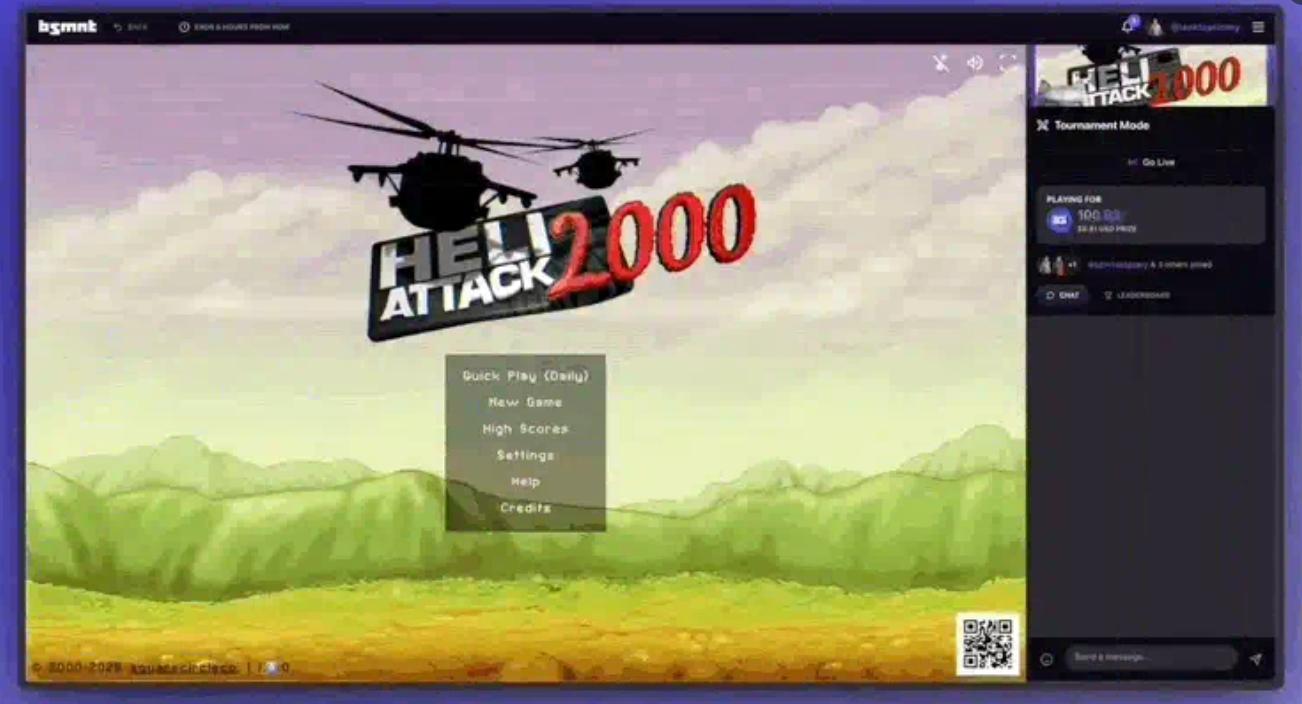
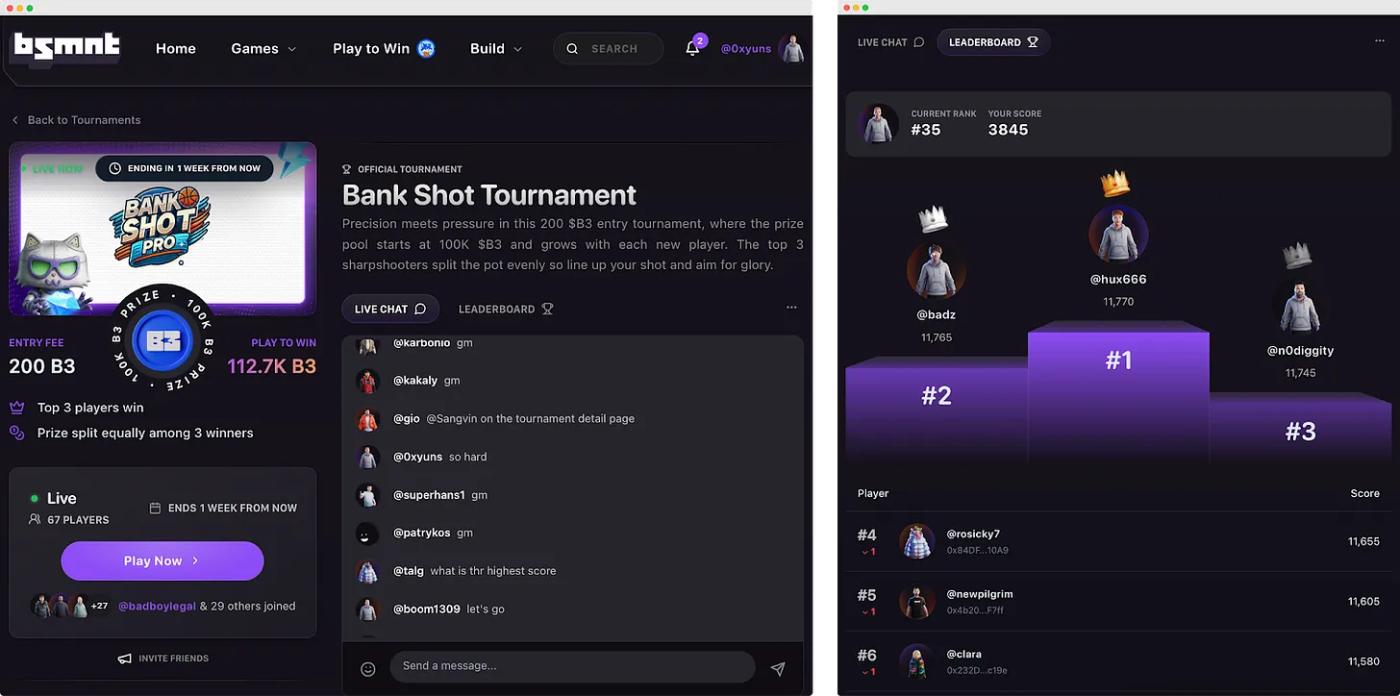
Beyond gaming, Basement.fun also serves as a social center to foster player interaction. Through "Play-to-Win" real-time tournaments that support both competition and cooperation, all game processes and rewards are recorded on-chain to ensure transparency.
3.2.2 Developer-Friendly Publishing Platform: Web-Based Game Launcher
Source: B3

Basement.fun also serves as a publishing platform, providing a web-based game launcher for easy deployment and management of chain games. Through this platform, developers can implement key blockchain functions such as token-gated access (limiting access to specific token holders) and a task system based on on-chain activities.
Additionally, the platform offers operational tools like game reviews, leaderboard management, and notification features, allowing developers to focus on game design and content creation rather than backend infrastructure.
(Translation continues in the same manner for the rest of the text)In this context, B3's "Open Game Vision" is of great significance. They not only create new games but also clearly diagnose the structural problems in the Web3 gaming industry and provide specific solutions. While emphasizing the technical philosophy of interoperability, they are building an open collaborative ecosystem. B3 has gathered core members who are pushing the Base chain to the forefront of the second-layer market, with a team covering experts in DeFi, governance, game infrastructure, social platforms, and Non-Fungible Token fields, possessing both technical infrastructure capabilities and experimental model implementation experience.
In summary, B3's open game vision is expected to solve practical problems in the Web3 gaming industry and contribute diversity and creativity lacking in traditional games. If their vision succeeds, Web3 games will break through the niche market of cryptocurrency enthusiasts and gain a true competitive advantage in attracting mainstream players. These changes may have far-reaching impacts on the broader gaming industry in the long term.