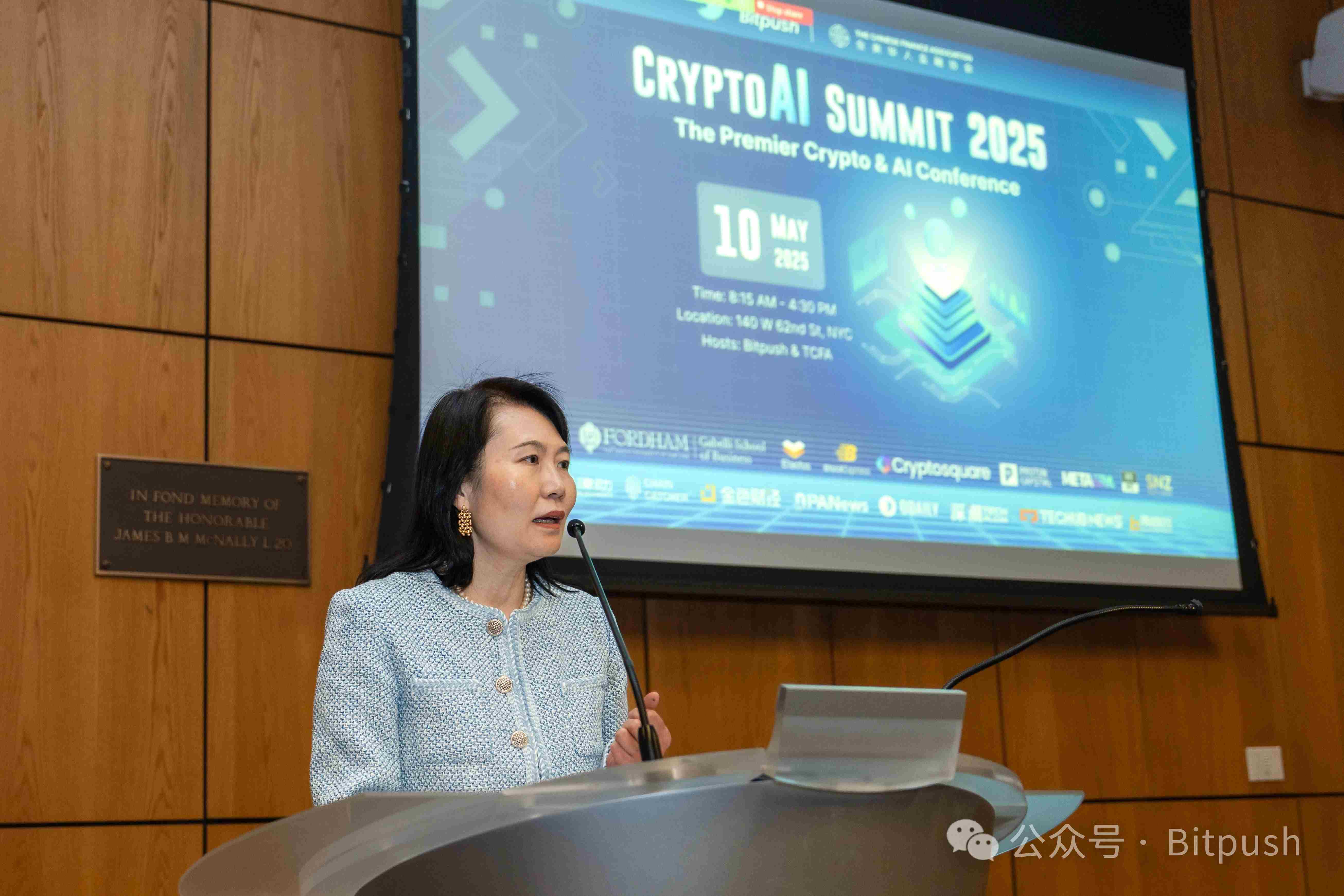
On May 10, 2025, the CryptoAI Summit 2025, hosted by Bitpush and co-organized by TCFA, was successfully concluded in New York.
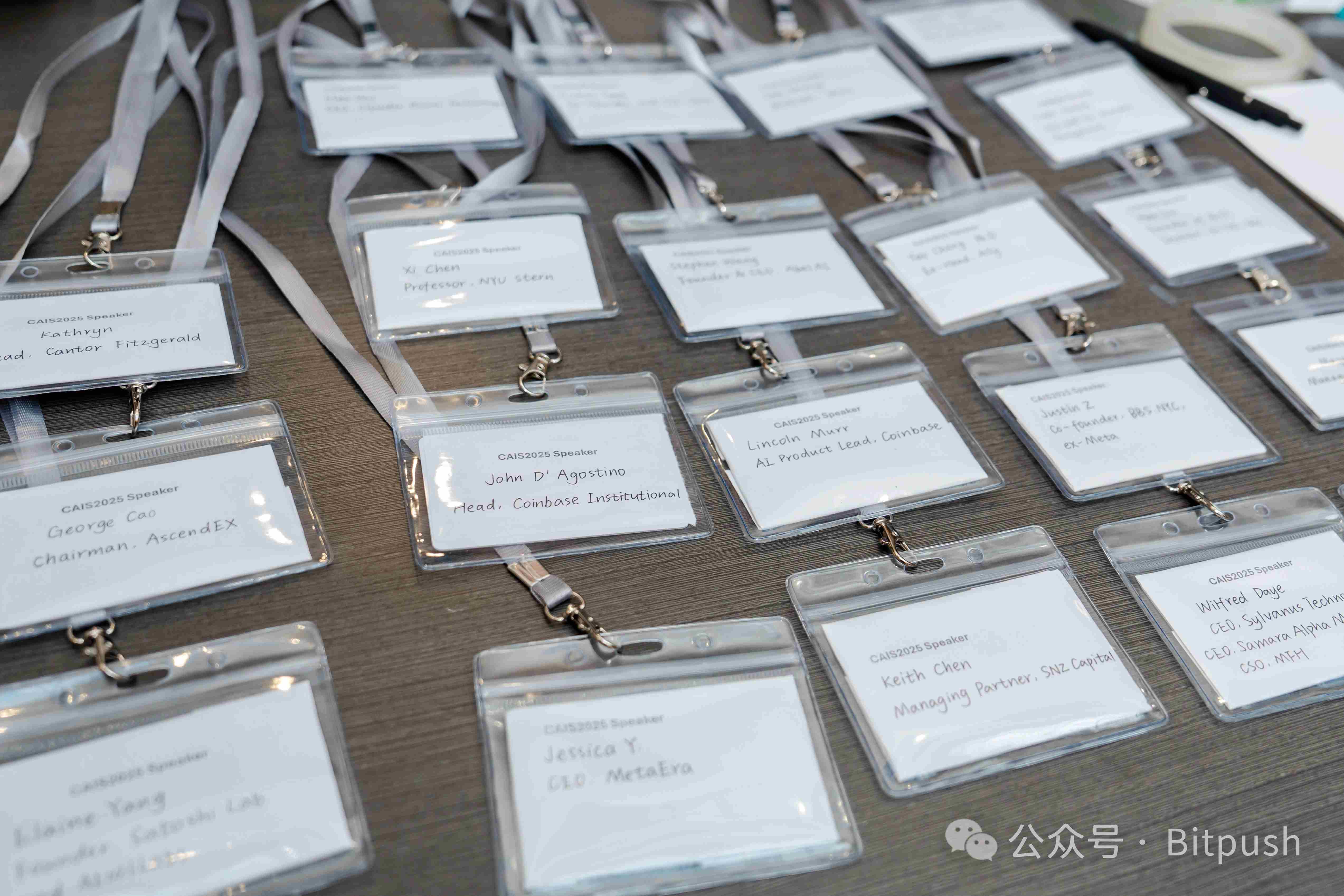
The summit focused on the "Fusion of AI and Crypto Technology", inviting nearly 30 experts from top institutions such as Coinbase, Citigroup, Cantor Fitzgerald, MSCI, Columbia, Solana Foundation, and others to discuss cutting-edge topics including digital assets, artificial intelligence, regulatory trends, Web3 infrastructure, and investment ecosystems.
This was a high-density collision of ideas connecting tradition and future, capital and technology, with the entire day packed with valuable insights and an electrifying atmosphere.
Opening Remarks
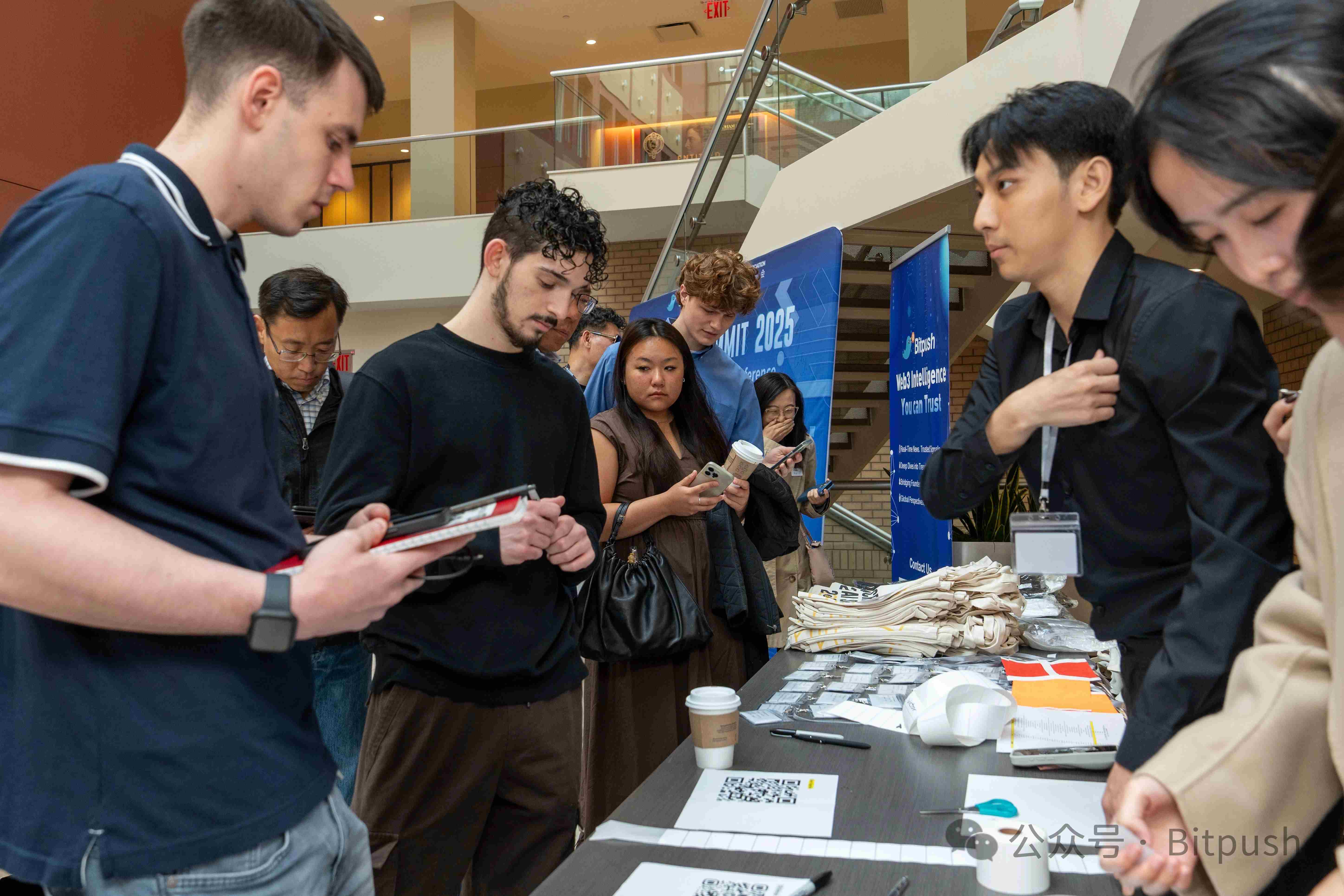
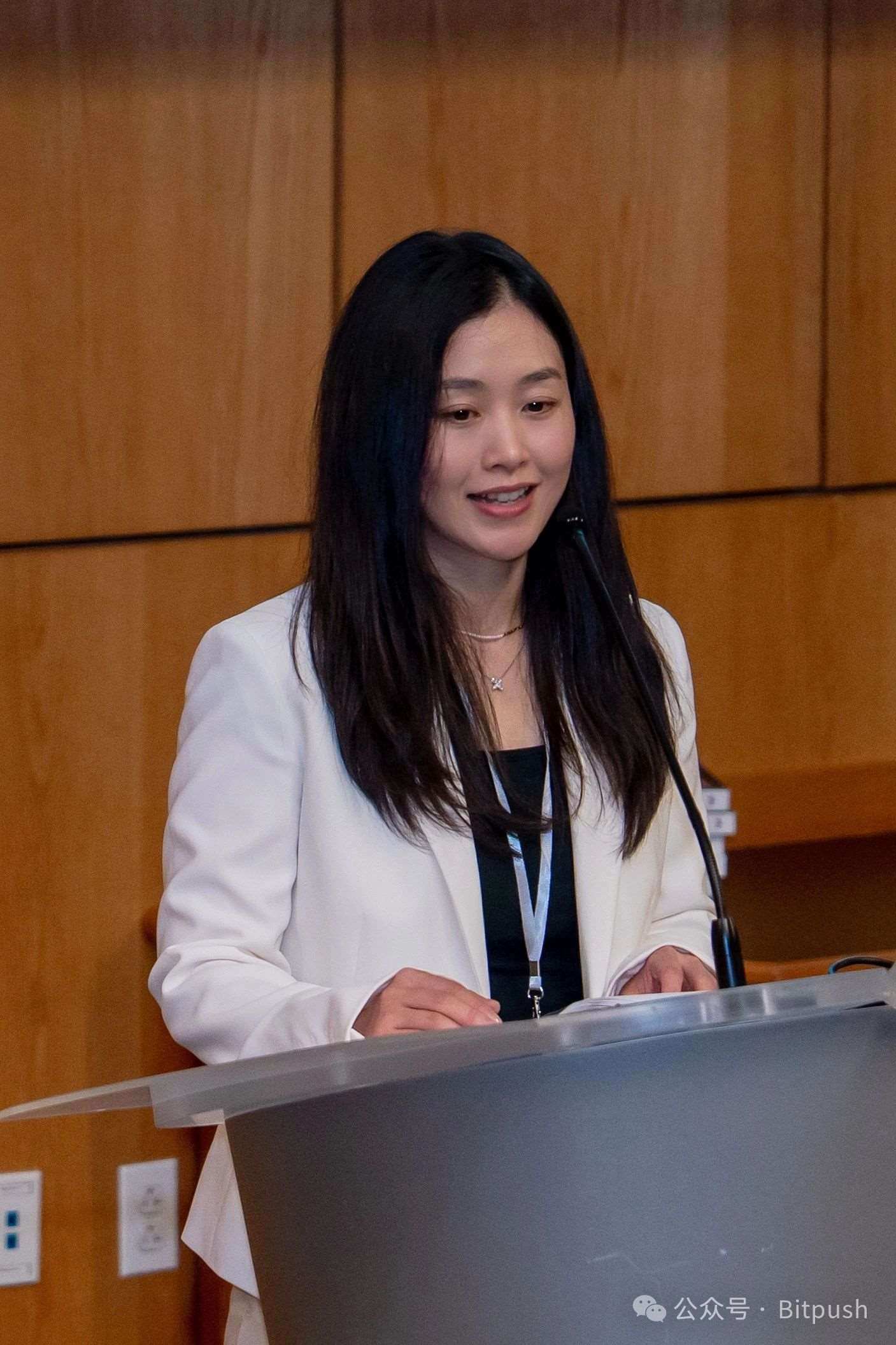
Bitpush Managing Editor May Liu and TCFA Chairman Joy Zhang jointly delivered the opening remarks, unveiling the summit and emphasizing the necessity and urgency of "cross-border dialogue", wishing the financial and innovation circles to "break boundaries and move towards integration".
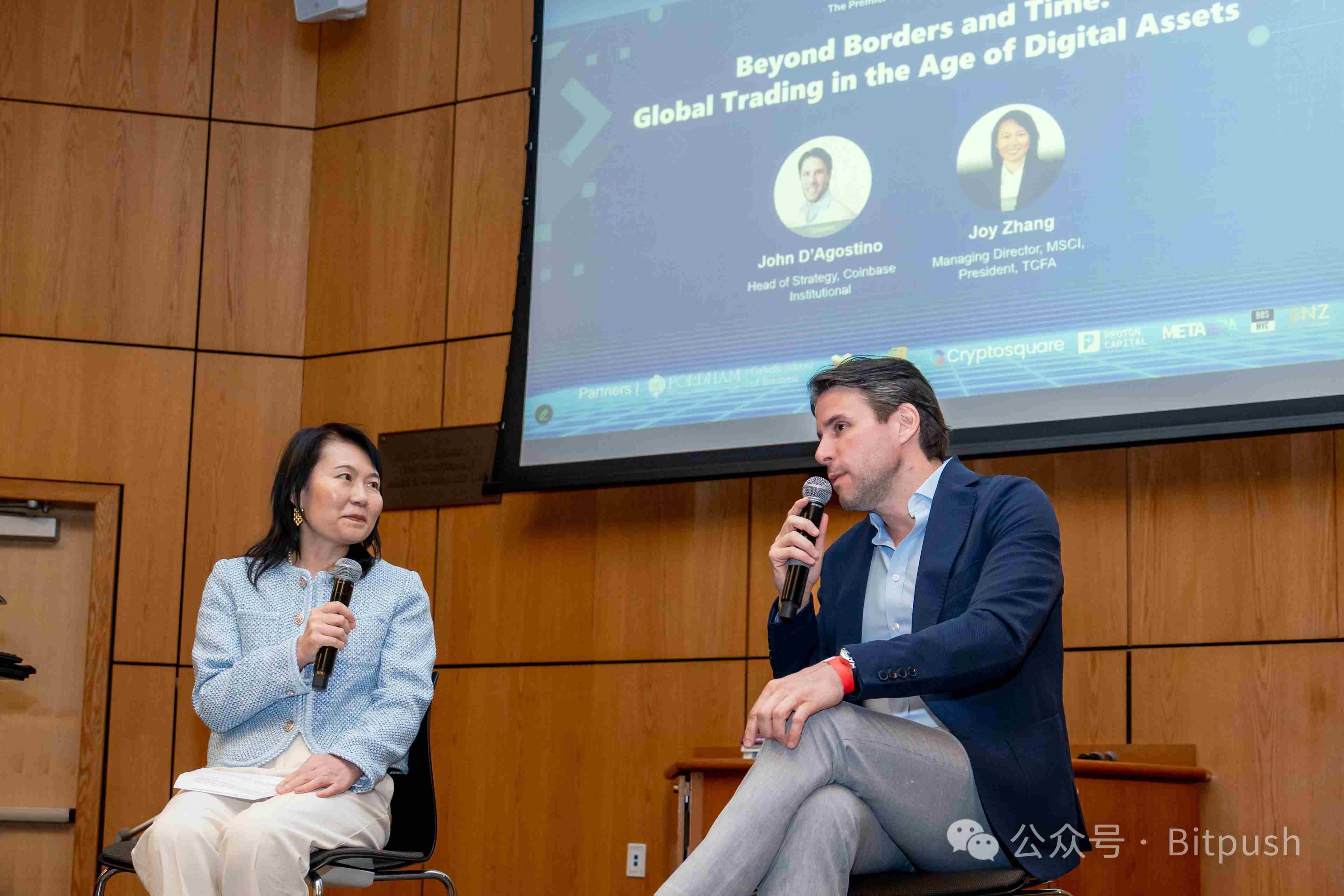
Keynote Speech: Global Trading in the Digital Asset Era
Keynote speech delivered by John D'Agostino, Strategy Head of Coinbase Institutional, with Joy Zhang as the moderator.
John delved into how institutional funds are adapting to the structural transformation of the crypto era, deeply interpreting the entry logic and risk appetite of traditional institutions under the trend of AI and crypto fusion from multiple dimensions such as macro policies, institutional capital flows, and market structure evolution, sharing the strategic transformation from Wall Street to crypto institutions, and pointing out that gradually clarifying regulations is a prerequisite for large-scale institutional entry.
John noted that in the next few years, stablecoins, on-chain settlement, and AI-driven trading systems will become the focus of capital markets.
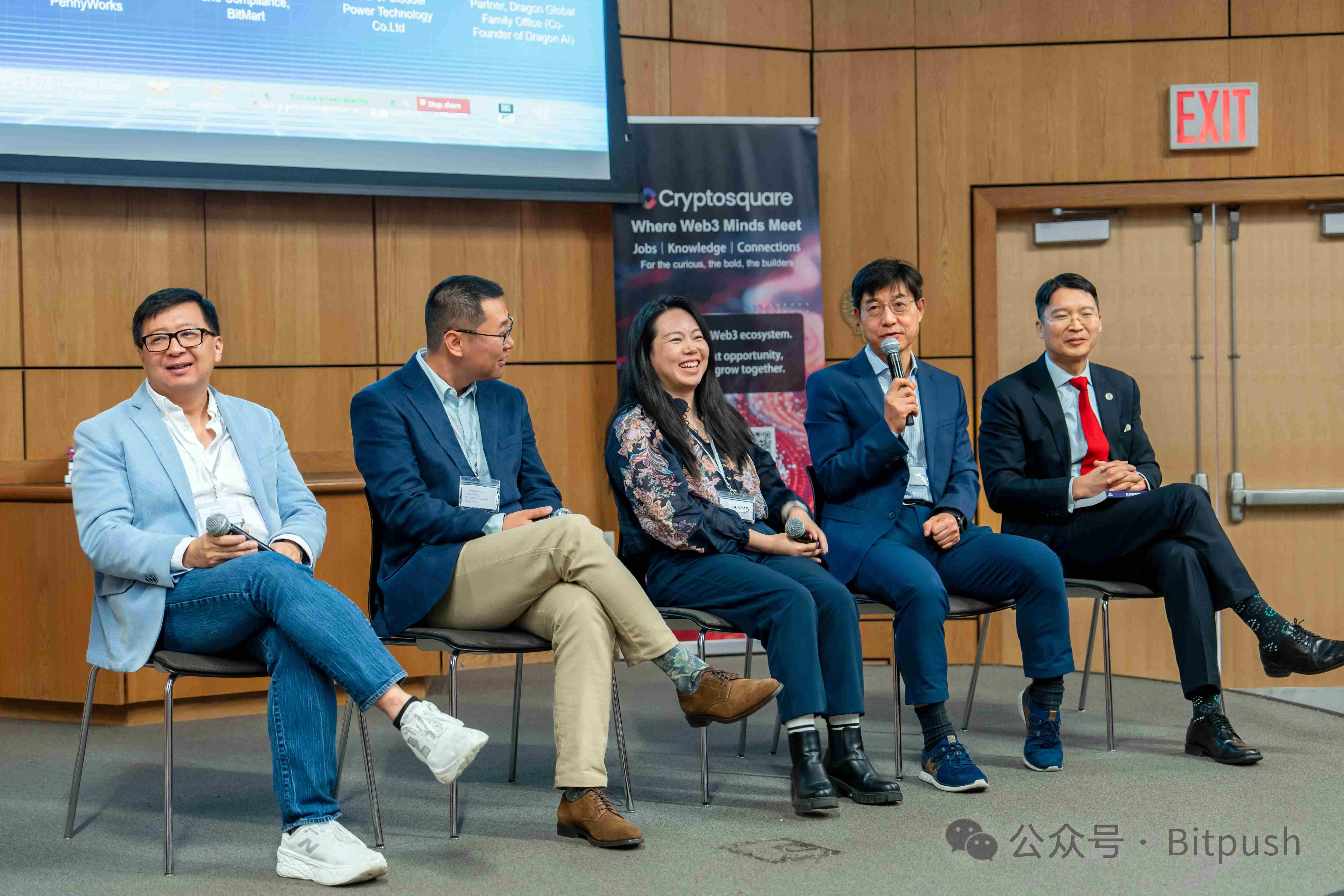
Panel 1: Regulation and De-regulation - Crypto Challenges in the Trump Era
Moderated by Wilfred Daye (Sylvanus CEO), with guests including Ivan Zhang (PennyWorks Co-founder), Jue Wang (BitMart Legal Director), Hao Wu (Clouder Power CEO), and Winston Ma (Dragon AI Co-founder).
Discussions covered stablecoin legislation, US state-level Bitcoin reserve policies, sovereign fund investment trends, and DeFi legalization prospects. Guests pointed out that "the US is an onion-like structure of crypto regulation - multi-layered, but with a clear direction: institutionalization".
Fireside Chat: Reconstructing the World Landscape of AI + Crypto
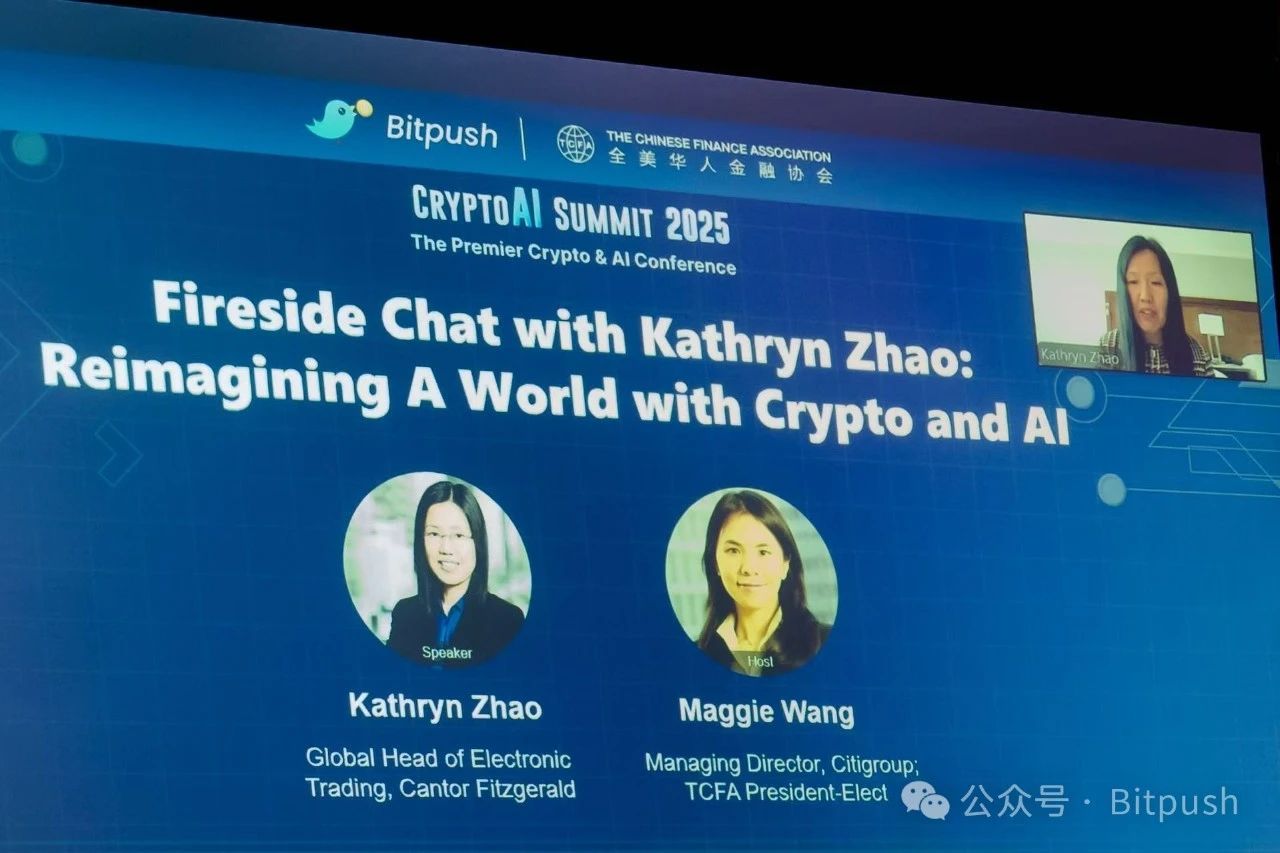
A remote dialogue between Maggie Wang, Managing Director at Citigroup and TCFA President-Elect, and Kathryn Zhao, Global Electronic Trading Director at Cantor Fitzgerald.
Kathryn analyzed the two-way relationship of "how AI can help improve Crypto user experience, and how Crypto can feed back to AI model trust mechanisms" from dimensions such as trading practices, cross-asset arbitrage, and AI-Agent applications. Her concept of "AI agents + blockchain identity verification" drew widespread attention.
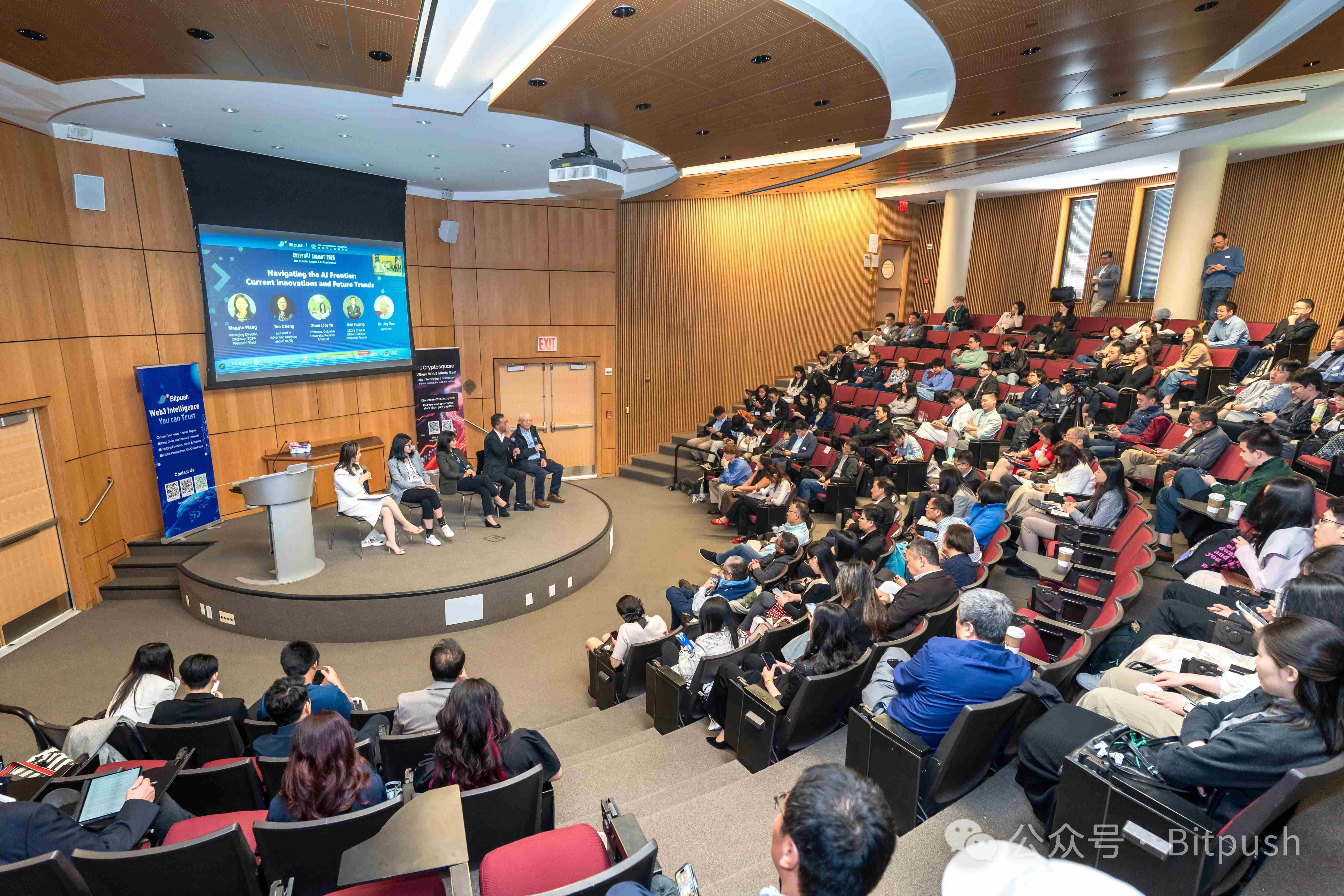
Panel 2: Crossing AI Boundaries - Innovation Trends and Practical Challenges
Moderated by Maggie Wang, with guests including Professor Zhou (Jo) Yu from Columbia, Dr. Tao Cheng (former Senior Analytics and AI Director at Ally), Ken Huang (CEO of DistributedApps.ai), and Dr. Jay Zou (CTO of NBW).
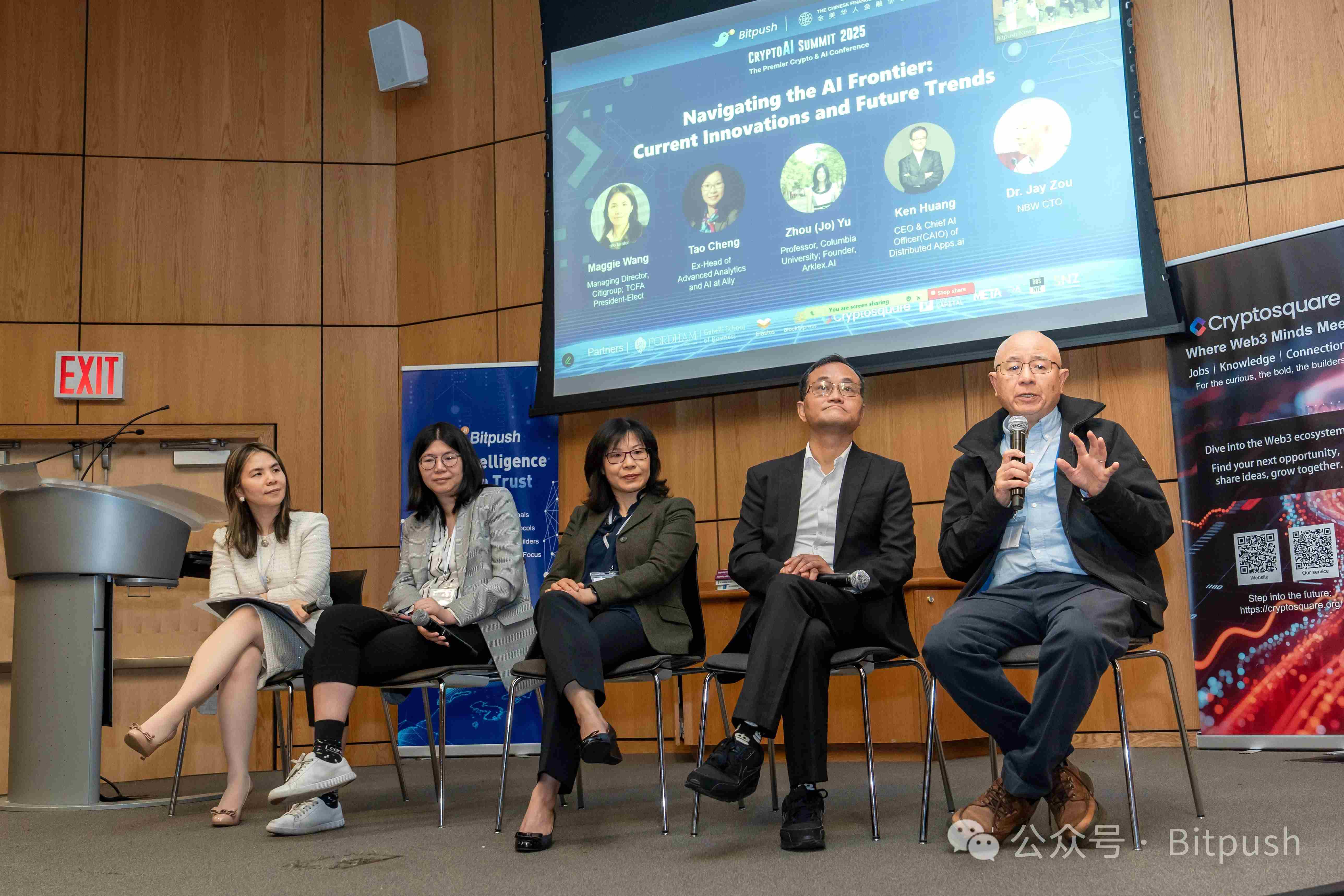
Guests explored the democratization path of AI's future from perspectives such as "large model construction", "decentralized computing network", and "privacy data training mechanisms". Jo Yu emphasized that "the next generation of AI tools should be shaped by developers and communities, not monopolistically dominated".
Panel 3: Ethereum VS Solana - Web3 Performance Debate
Moderated by Lincoln Murr, Coinbase AI Product Lead, with Han Liu (BitFi Founder), Chaz (Solayer Founding Engineer), and Jiani Chen (Solana Foundation Growth Lead) engaging in a technical confrontation.
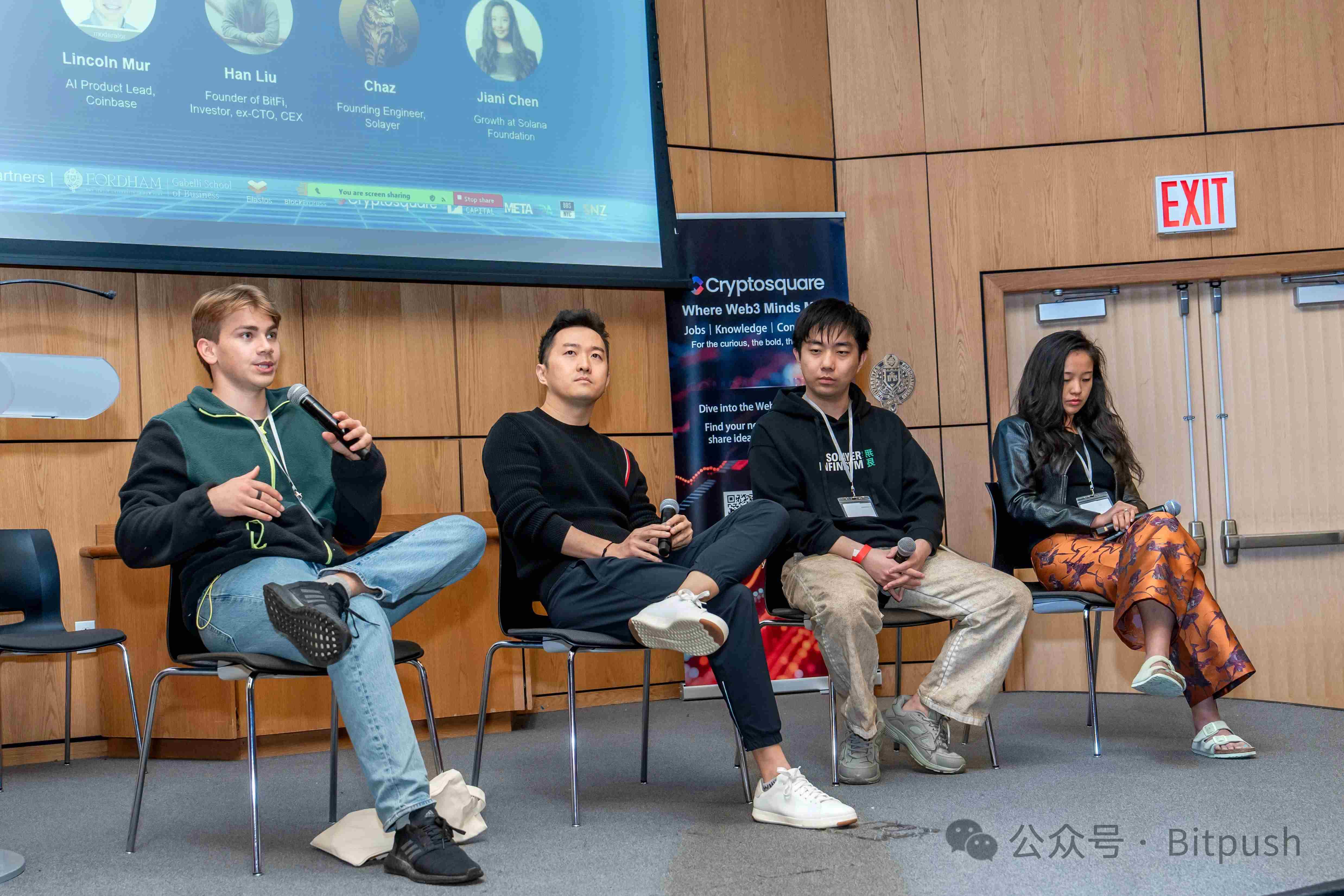
From TPS to developer ecosystem, the Solana side emphasized "performance and cost", while the Ethereum camp stressed "stability and security". Guests believed that whoever can integrate the strongest liquidity will win long-term developer preference. The on-site viewpoints were sharp, making it the most technically intense dialogue of the event.
Panel 4: Finding the Next 100x Coin - The Art of Speculation
Moderated by Jessica Y (MetaEra CEO), with guests including Tian Zeng (Third Eye Joint CIO), George Cao (AscendEX Chairman), and Sichao Yang (OORT CTO).
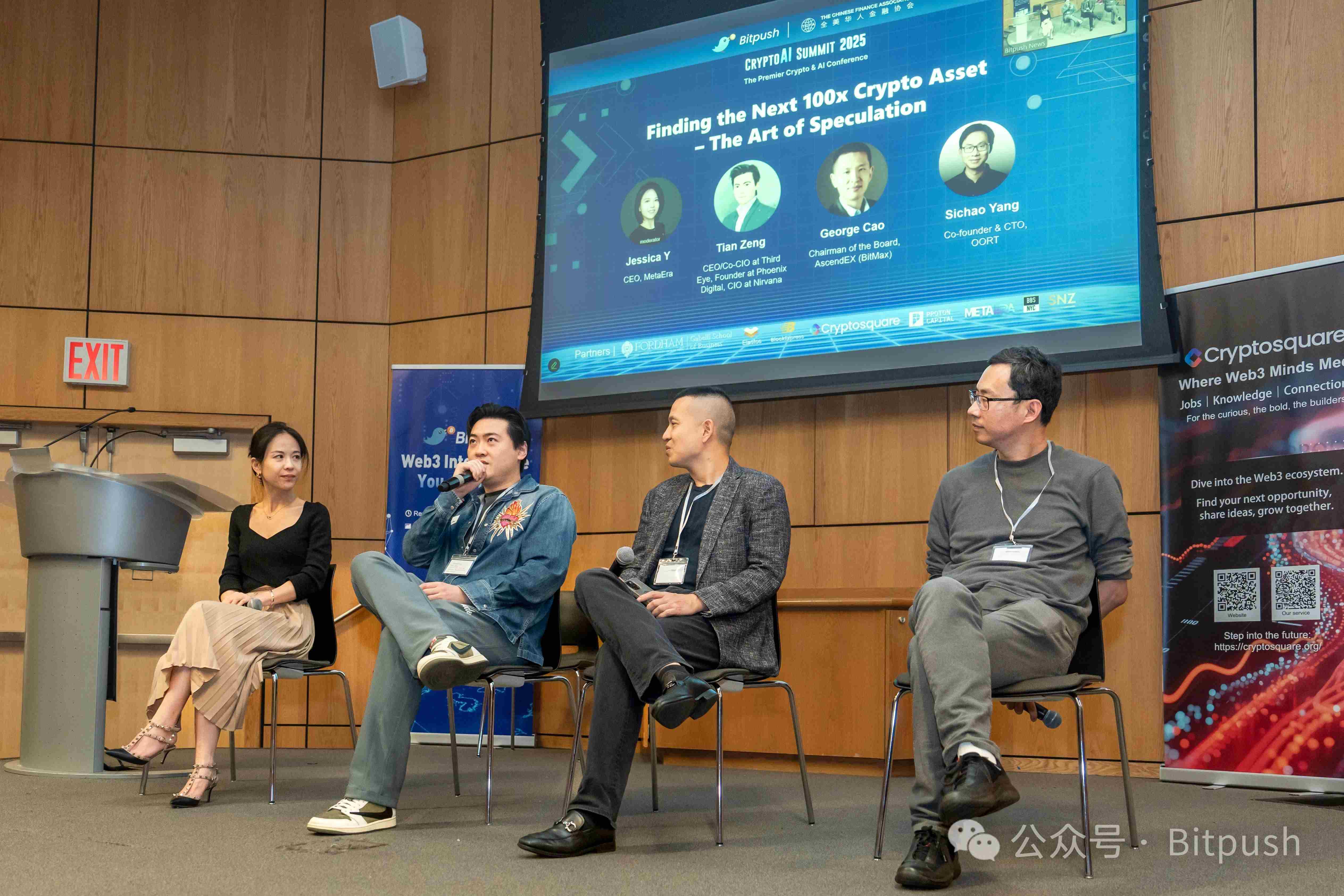
Everyone candidly stated that "speculation is not a sin, cognitive and information gaps are the core alpha". In an era driven by narratives, institutions prefer to layout high-volatility assets through structured products, while retail investors need to focus on position management; how to "invest early", "invest correctly", and "hold on" became a common topic for retail and institutional investors.
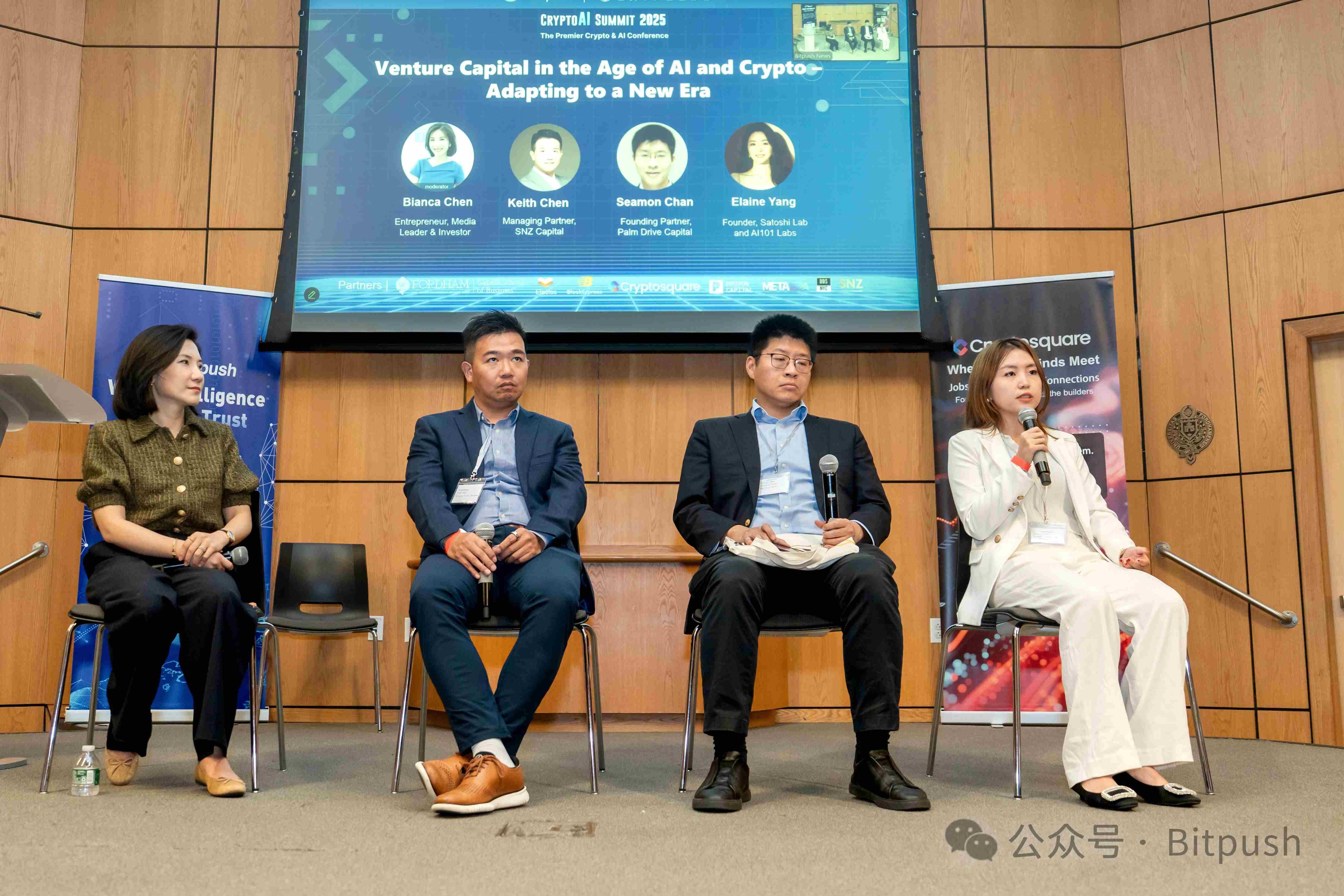
Panel 5: Venture Capital in the AI and Crypto Era
Moderated by renowned entrepreneur and investor Bianca Chen, with Keith Chen (SNZ Capital Partner), Seamon Chan (Palm Drive Capital Founding Partner), and Elaine Yang (Satoshi Lab Founder) sharing investment experiences.
Guests unanimously pointed out that today's VCs need to simultaneously understand AI model structures, on-chain incentive mechanisms, and human nature. The fusion of AI and Crypto is reshaping the rhythm of investment and financing and project assessment logic. Additionally, Middle Eastern and Asian sovereign funds are returning to the Web3 investment chain, particularly focusing on AI Infra and Layer1 protocols.
Panel 6: AI Agents + Meme Coins - A New Generation of Market Makers?
Moderated by Stephen Wang (Abel AI Founder and CEO), with guests including Professor Xi Chen (NYU), Joanna Zeng (SOON Network CEO), Weiyee In (Protego Trust CIO), and Professor Biwei Huang (UCSD, Abel.ai CTO).
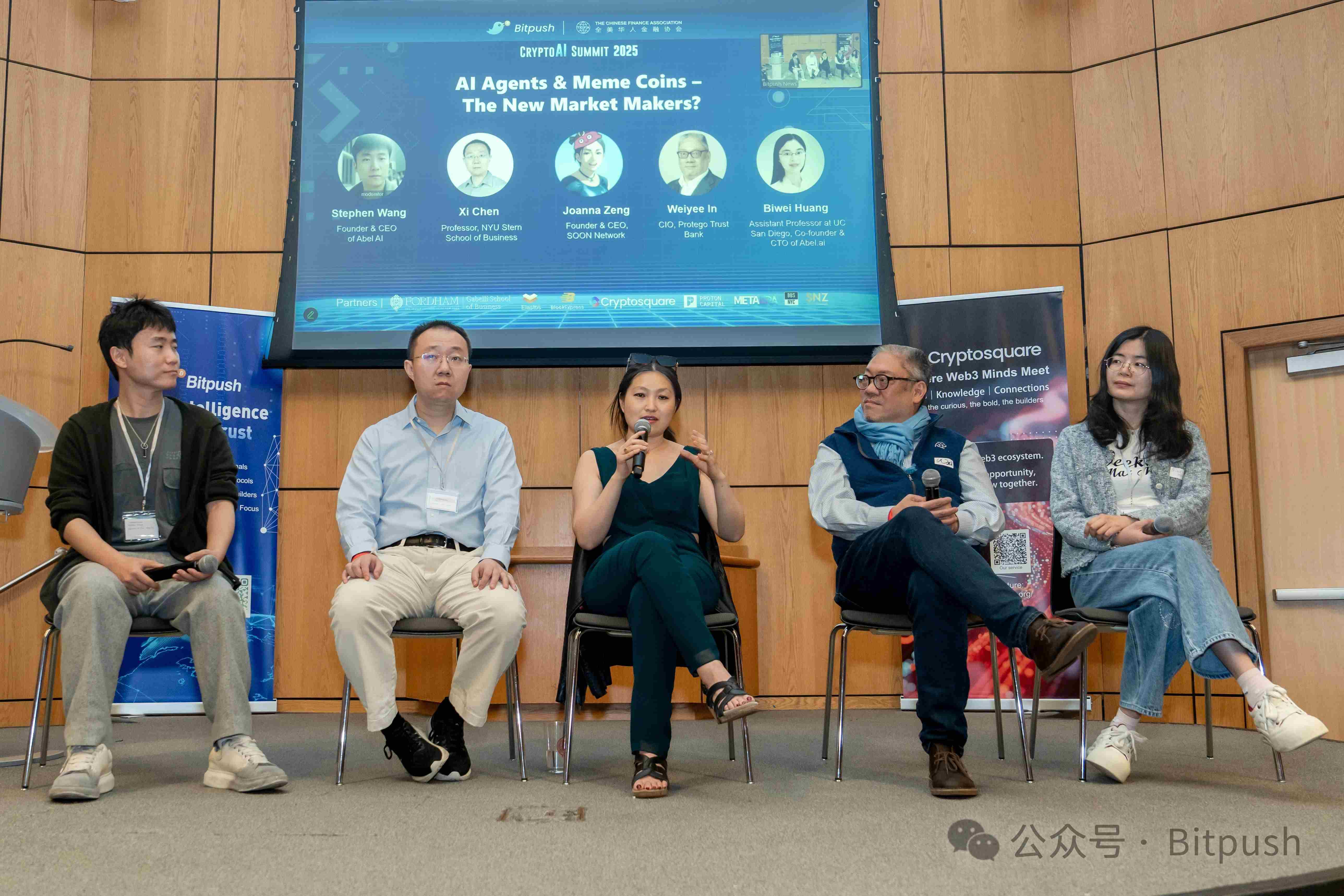
Meme culture × AI trading agents became the new narrative focus. Discussions covered "Can AI become an assistant for chain users", "Can Meme evolve into a cultural asset", and "Can intelligent agents change market microstructure". Beyond the main topics, guests also engaged in in-depth discussions about AI model security, data misuse, and AI credibility verification mechanisms. Guests unanimously believed that AI agent transparency, behavioral verifiability, regulation, and data traceability are key to future integration of AI and finance.