
The exit of "Pure U Card" is just a matter of time. Will the broader "Card+" service be an exception in this cycle shift?
Written by: Web3 Farmer Frank
How many "U Cards" do you have in your hand now?
From early Dupay, OneKey Card, to Cards launched by exchanges Bitget and Bybit, and then to crypto payment card services from Infini, Morph, and SafePal, and even Coinbase and MetaMask joining in, crypto payment cards (U Cards) targeting the PayFi narrative have almost become a standard for Web3 projects this year.
Under the new round of players staking their claims, promotional tweets and reviews of various U Cards have been overwhelming, reminiscent of the colorful shared bicycles that once filled the streets. The dazzling options have shifted market focus from usability to gradually comparing dimensions like registration/usage thresholds and rates, attempting to find the cost-effective king in the "card sea".
However, when observing over a longer time dimension, one would find that despite the surface prosperity of the U Card track, its underlying fragility cannot be masked. Plainly put, the lifecycle of a U Card is sometimes not even longer than some meme coins: cases of running away, shutting down, and card replacement are too numerous to count, with most crypto payment card players from the previous wave having long disappeared.
The reason is simple: safety and compliance have always been the Sword of Damocles hanging over all U Cards. Besides heavily relying on the compliance willingness of channel banks, U Cards themselves have inherent structural defects - with fund pool custody rights in the hands of service providers, which is an extreme test of operational capabilities and moral standards. If either the cooperating bank or service provider encounters issues, users could become innocent casualties...
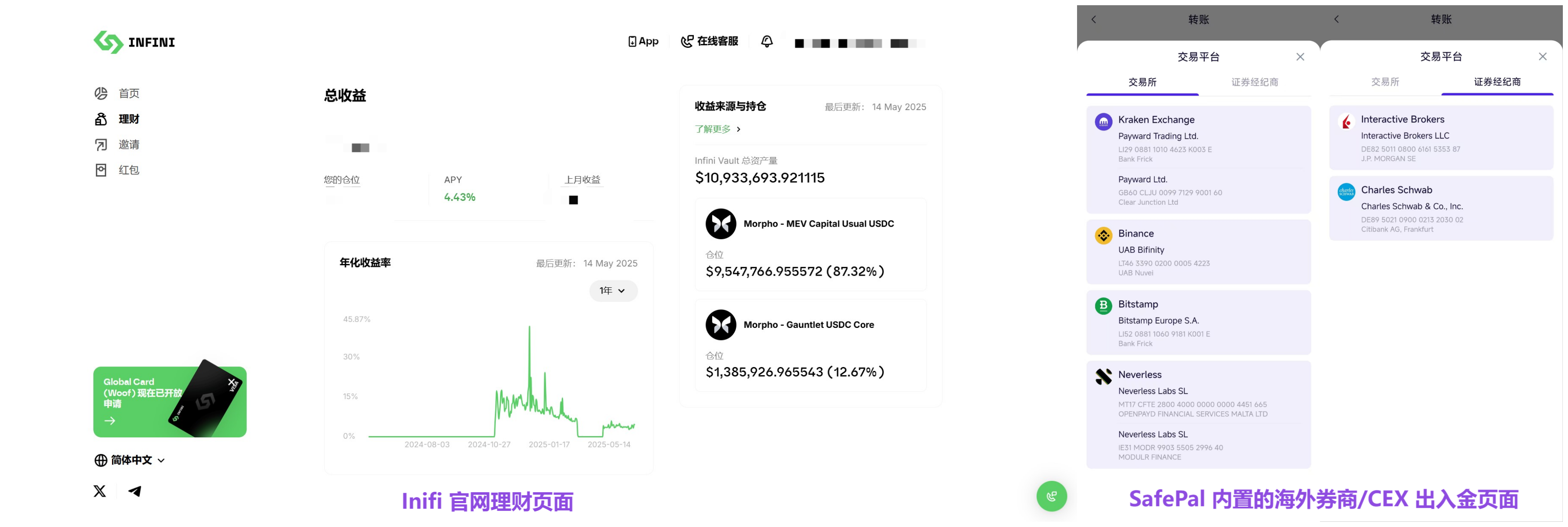
For the current "battle of a hundred teams", the underlying rate costs of U Cards are mostly similar, and user experience often depends on subsidies and high-interest measures. However, these short-term incentive methods clearly cannot build true long-term competitiveness. Once subsidies decline, facing homogeneous card-binding consumption services, users will hardly maintain long-term loyalty to any specific brand.
[The translation continues in the same manner for the rest of the text, maintaining the specified translations for specific terms.]In other words, most of the crypto assets deposited by users directly flow into the project's on-chain account, rather than a genuine banking account system. The corresponding fiat side does not open an identically named account for users, but instead allocates consumption quotas through a unified account. Your "quota" is essentially just a string of numbers, and whether it can be cashed out entirely depends on the platform's survival capability and willingness to pay.
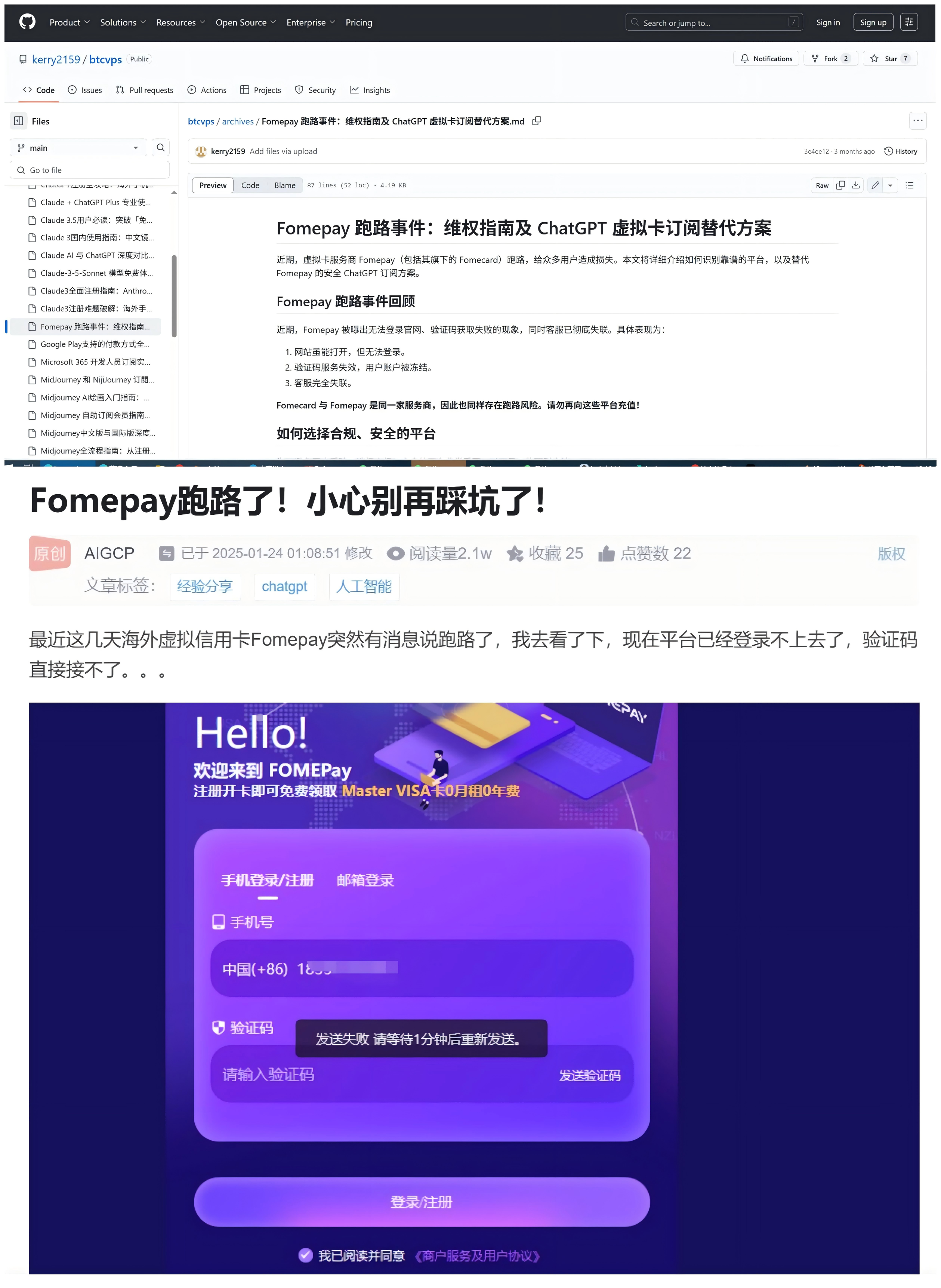
This model means that the entire system's safety and stability almost completely rely on the project's moral standards and risk control capabilities.
When user funds accumulate to a certain scale, if the project encounters moral risks (such as misappropriating funds or running away with money), or risk control fails (broken capital chain, hacker attacks, inability to handle large-scale withdrawals), user assets will face the risk of loss or even being unrecoverable (online USDT card runaway cases are endless).
Currently in the market, whether it's U cards launched by exchanges or crypto payment cards from celebrity reputation projects, the vast majority are prepaid cards, making it difficult to sustain long-term business. Of course, U cards issued by platforms with good reputation and compliance capabilities can reduce risks to a certain extent.
"Card+" Service: A New Variable for Crypto Payment Cards?
Because of this, more and more project parties are no longer satisfied with single U card services and are actively seeking transformation towards more financial attributes and long-term value.
For example, Bitget and SafePal have invested in crypto-friendly banks with financial licenses (such as DCS, Fiat24), no longer focusing on pure "U card" business, but instead laying out a comprehensive financial service system of "card + bank account", breaking out of the single consumption tool business scope.
Taking SafePal as an example, in early 2024, they disclosed strategic investment in Swiss compliant bank Fiat24 and officially launched personal Swiss bank accounts and co-branded Mastercard services for users including those from mainland China, which the author has personally tested and experienced.
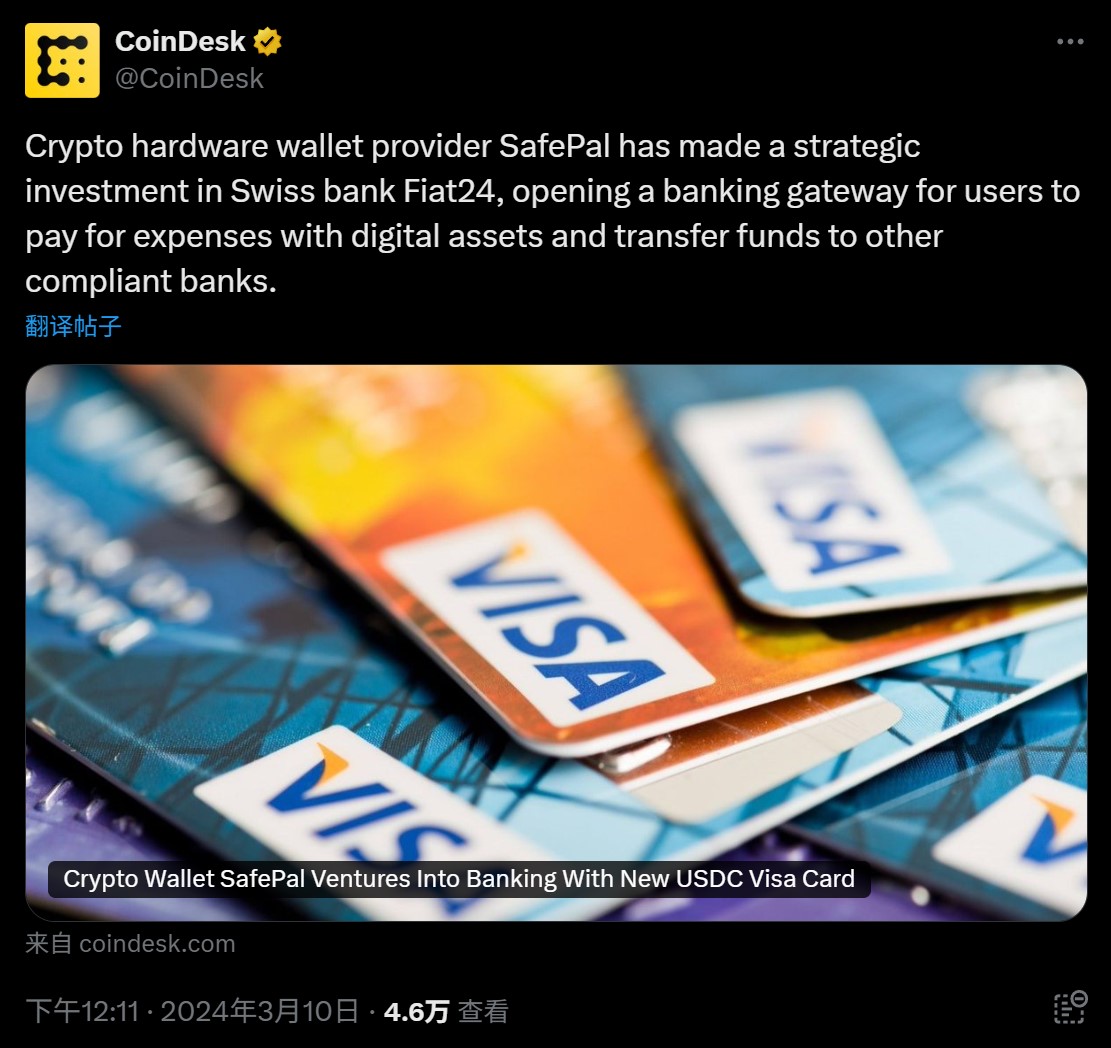
Simply put, the biggest advantage of this "non-U card" model is fundamentally solving the fund safety problems existing in traditional U cards—users directly hold identically named bank accounts, with funds entering the real banking system rather than being stored in the project's fund pool, effectively reducing risks of running away, bank runs, and payment issues.
Even in extreme cases where the Web3 project itself encounters problems, users can still independently withdraw funds through the banking system. This fund independence and security are incomparable to traditional U card models.
More importantly, this model opens up broader deposit and withdrawal channels, achieving a seamless connection between TradFi and Crypto worlds in a certain sense: taking SafePal & Fiat24's bank account service as an example, users can not only complete free deposits and withdrawals with overseas brokers (such as Interactive Brokers, Charles Schwab) and CEX, but also transfer funds back to Alipay/WeChat or domestic banks through channels like Wise (Euro SEPA transfer), realizing an asset flow closed loop between on-chain and off-chain.
In comparison, most U card products are still stuck in subsidy and rate competition stages. Taking Bybit as an example, they attract users through high cashback strategies, but 10% or even higher cashback already indicates that rate competition is approaching its limit. Once subsidies decline, products with severe homogenization cannot retain users, let alone build true brand loyalty.
This structural contradiction makes most pure U card products destined to struggle through cycles, while the broader "card + bank account" model might be the breakthrough direction for a few projects.
The author has also sorted out current market crypto payment card products with good reputation, making a rough comparison of account registration thresholds, fee structures, and compliance functionality based on actual usage:
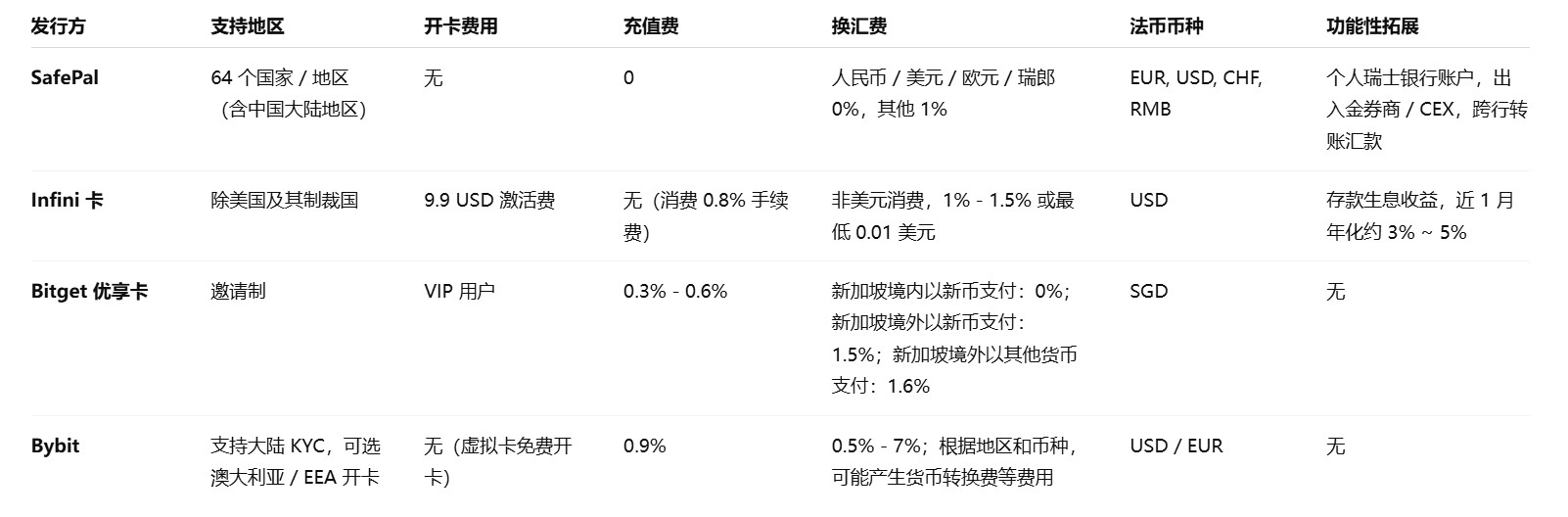
From this comparison, it can be intuitively seen that the "card + bank account" model adopted by SafePal has significant advantages in fund safety, rates, and functionality, especially in compliance and actual deposit/withdrawal scenario support, building hard-to-replicate competitive barriers.
Crypto payment cards seem to compete on rates and subsidies, but they're actually competing on who can master truly scarce compliance resources and financial infrastructure. Only players with licenses and bank-level resources can possibly laugh last in this chaotic era.
(Note: The translation continues in the same manner for the rest of the text, maintaining the specified translations for specific terms and preserving the structure of the original text.)