After many years, a collective account suspension in the crypto community has reappeared, not on Weibo, but on Musk's X platform that advocates for free speech. Currently, the suspended crypto accounts include the official GMGN account and its founder, the official Eliza account and its founder, and several well-known crypto KOLs.
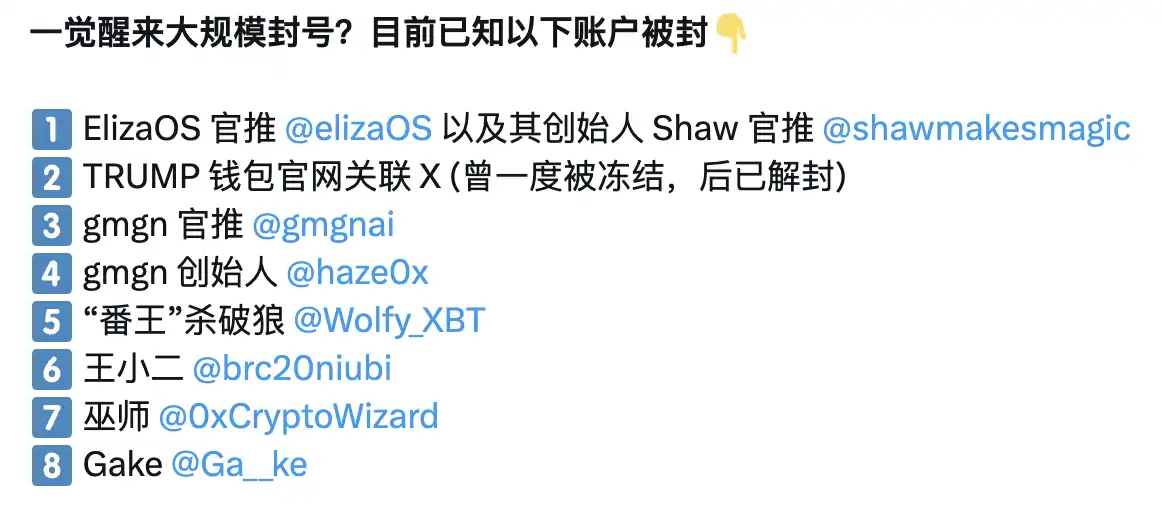
Possible Reasons for Suspension
First, looking back at history, individual account suspensions on X are common, such as Trump or CSW from the crypto world, but mass account bans are rare.
In 2021, during the Capitol Hill incident, tens of thousands of accounts supporting Trump were suspended. At the end of 2022, after Musk took over X, he cleared many fake, impersonating, and bot accounts, mostly targeting those against his interests and political direction.
One view suggests this mass suspension is due to a political meme, as shown in the image, which seemingly hints at a potential reconciliation between Trump and Musk, as both have shown goodwill. Some believe Musk disliked this meme and banned related accounts.
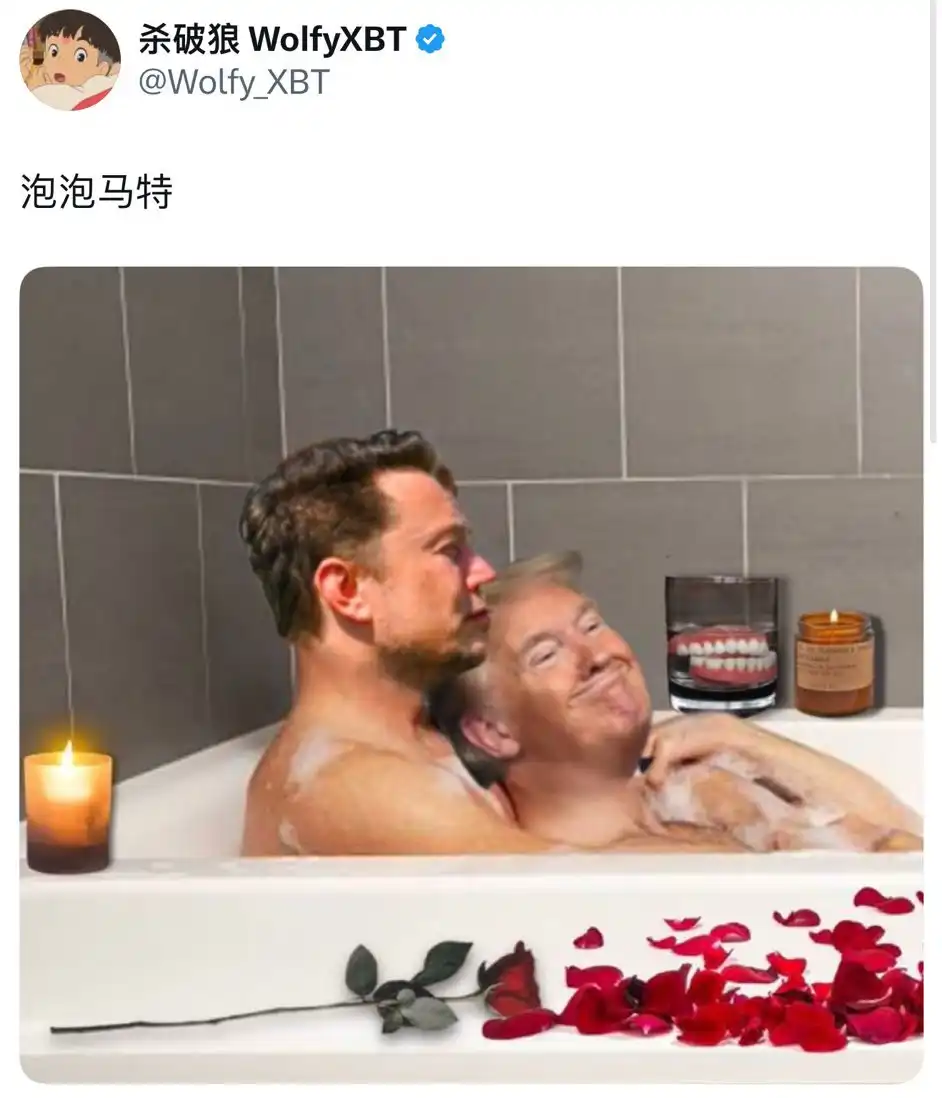
However, this reason seems unconvincing. First, not only these few accounts shared this meme, and some suspended accounts didn't even post related content, while many other accounts posting images on X remain untouched.
Another view suggests the suspension is mainly related to GMGN, as they have been intensively crawling tweets on X. But this reason is also problematic, as many InfoFi projects currently use web scraping, not just paying for API access, yet their accounts haven't been suspended.
BlockBeats also asked Haze, who was suspended, and he stated he doesn't know the exact reason and is waiting for X's response.
Coincidentally, Musk tweeted on June 10th that X's algorithm has been adjusted to use Grok extensively, so we also asked Grok about this suspension.
Grok listed some possible reasons:
1. User Reports: Some posts claim a user used quantitative bots to mass report Chinese crypto accounts, accusing them of "buying low, selling high" or using small wallets to ambush and large wallets to cut leeks. This might cause the algorithm to misjudge as "platform manipulation" or "spam".
2. Content Pattern: Suspended accounts frequently mentioned specific crypto projects (like ai16z, ElizaOS) or interacted with GMGN, potentially identified by the algorithm as "inducing promotion" or "potential scam". X is sensitive to crypto content due to its high-risk investment or scam associations.
3. Algorithm Misjudgment: Grok's enhanced automated detection might be overly sensitive to high-frequency posting or similar patterns (like MEME coin promotion), leading to mistaken suspensions. Historical cases show crypto accounts being temporarily banned for being mistakenly marked as spam.
Will It Follow Weibo's Path?
This suspension of crypto users on Twitter easily reminds people of Weibo's mass bans of crypto KOLs in 2018 and 2021, such as Jinse Finance, Huobi Info, Coin World platforms, and personal accounts like @Super Bitcoin, @Trader Little Hero, @Blue Less CX, @Bitcoin Master Tony, @Bitcoin Caesar, @Fat Otaku Bitcoin. Related pages showed these accounts were suspended for violating legal regulations and Weibo Community Guidelines.
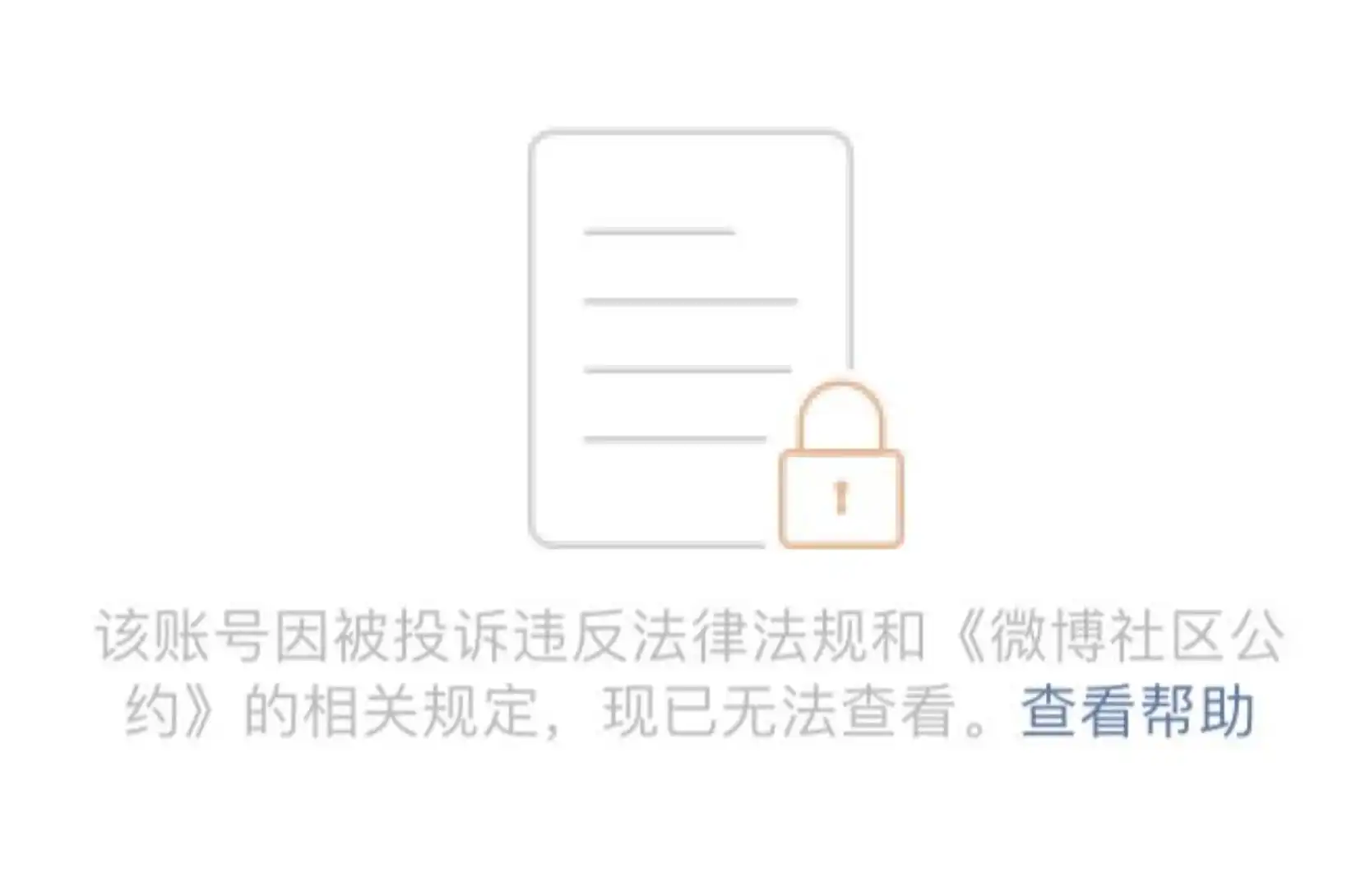
After the ban, crypto KOLs on Weibo had to migrate to Twitter. Under an extremely opaque censorship system, many content creators were "uprooted", causing Weibo to gradually exit the crypto opinion center.
It was in this context that Twitter became an important base for Chinese crypto communities. Compared to Weibo's closed censorship system, Twitter, with its openness and free expression narrative, provided a haven for many crypto KOLs and project parties. However, this haven now seems to be losing its protection. With AI-driven content governance systems (like Grok) being deeply deployed, X's banning behavior is becoming more systematic, automated, and harder to hold accountable.
Differently, X's content review isn't government-led, but under a de-humanized and algorithmic governance logic, gradually sliding towards a new centralized information control mode. In this mechanism, even without direct content intervention, the platform might amplify misjudgments, escalate opinion attacks, and abandon human review, creating a more opaque expression environment.
Facing this increasingly strengthened technical blocking logic, the value of decentralized social networks is being re-evaluated. Farcaster, Lens Protocol, and other on-chain social protocols are frequently mentioned. However, these protocols are still in early stages, with user experience and mainstream influence far from X's, making short-term alternatives difficult.
Yet, unable to break out of the content platform dilemma and facing a severe regulatory environment, content creators moving to decentralized social platforms to own more freely their accounts seems foreseeable.
Finally, to protect X accounts for crypto content creators, the following measures can reduce risks:
1. Avoid High-Frequency Promotion: Reduce frequent mentions of specific projects or contract addresses to avoid being misjudged as inducing content.
2. Compliant Posting: Ensure content doesn't exaggerate returns or make misleading claims, adhering to X's advertising and financial product policies.
3. Security Measures: Enable two-factor authentication (2FA), regularly check account permissions to prevent hacker exploitation leading to suspension.
4. Appeal and Communication: If suspended, promptly submit appeals through X's channels and seek community support.