This report, authored by Tiger Research , analyzes how Malaysia’s builder community is the invisible force behind its rise to global Web3 leadership. We thank Lydian Labs, organizer of Malaysia Blockchain Week (MYBW) 2025, for their support of this research.
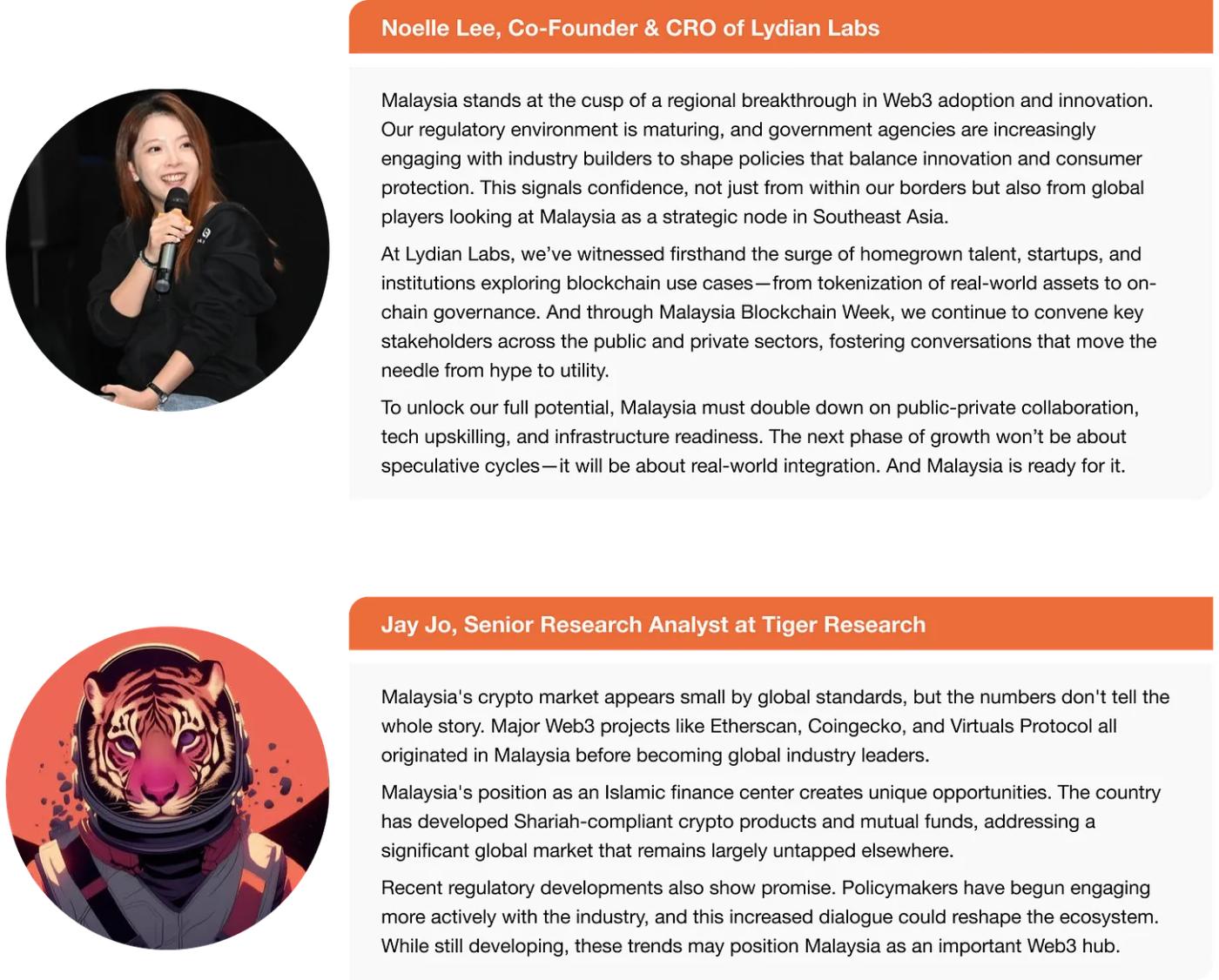
Key Leader Insights
1. Introduction
Tiger Research served as the official research partner for Malaysia Blockchain Week, the country's leading blockchain event hosted by Lydian Labs. Most notable was the active participation of regulators, who previously maintained a conservative stance on the cryptocurrency industry, who now engaged in constructive discussions on the sector's development.
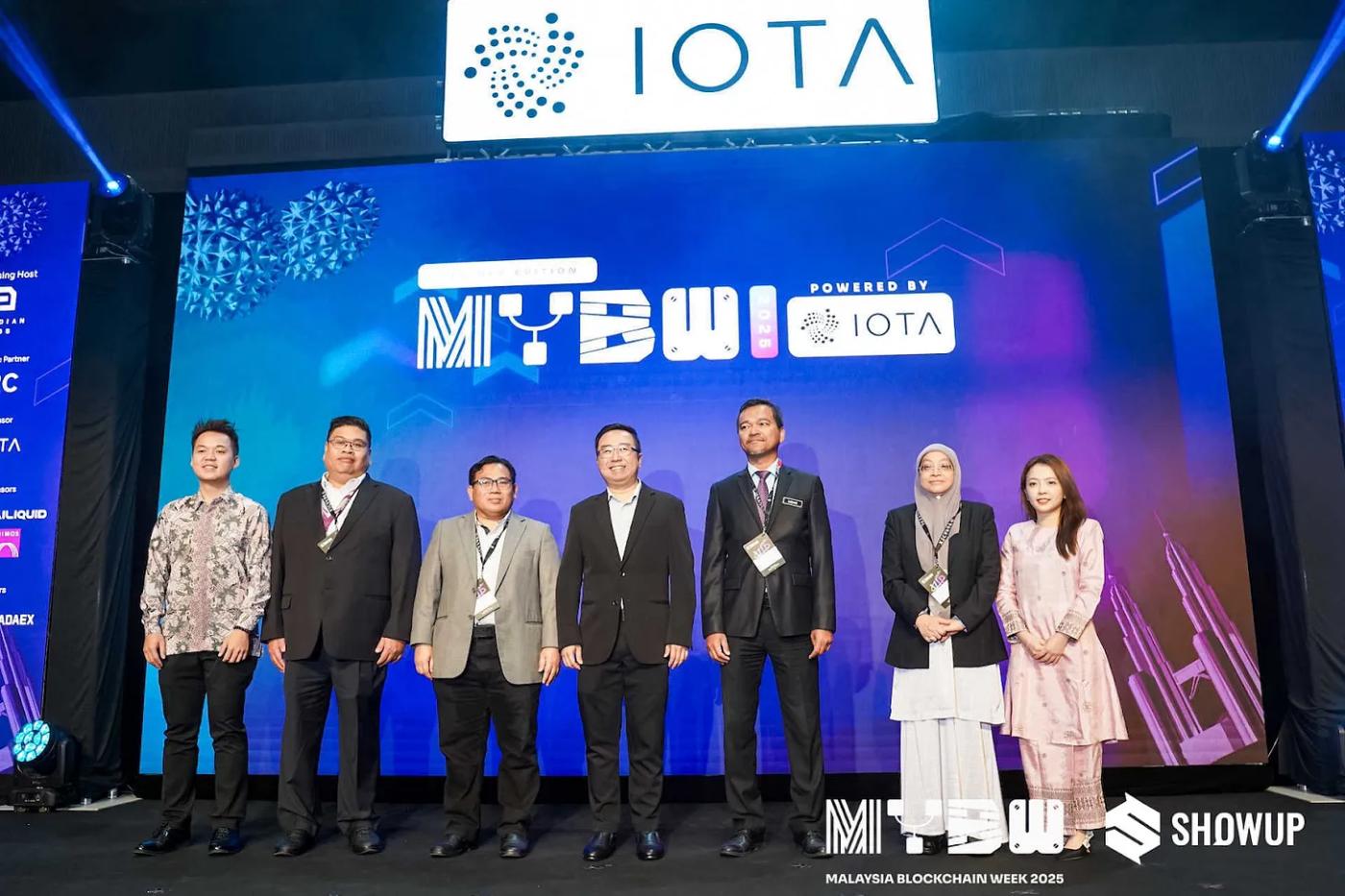
[Image source: MYBW 2025]
The government's involvement signals progress toward institutional acceptance in Malaysia's crypto ecosystem. The event connected diverse industry players and expanded communication channels between the government and the private sector. Tiger Research interviewed officials, experts, and local teams during the event. These conversations provided on-the-ground insights that informed the analysis in this report.
2. Malaysia’s Cryptocurrency Market: Three Keyword Tips You Need to Know
Malaysia’s cryptocurrency market has three key characteristics: a melting pot in Southeast Asia, a breeding ground for global champions, and a world hub for Islamic finance.
Malaysia is a multilingual nation, with a population fluent in Malay, English, Mandarin, and Tamil. This diversity creates a natural fusion of Eastern and Western cultures. Malaysia also enjoys a strategic geographical location. Flights from Kuala Lumpur to major Southeast Asian cities such as Ho Chi Minh City, Bangkok, and Jakarta are all within two hours. This convenience enables cross-cultural collaboration and accelerates business expansion.
These conditions foster a globally minded workforce. Beyond language skills, people naturally develop cross-cultural understanding. Despite Malaysia's small market size, major cryptocurrency projects have originated there. Etherscan, Jupiter, Virtuals Protocol, and CoinGecko all began in Malaysia and now have global influence.
Malaysia's integration of Islamic finance has created unique opportunities. Operating as the world's largest Islamic finance hub, Malaysia has made Shariah compliance mandatory for cryptocurrency businesses. This requirement has fostered innovation rather than restriction. Malaysia was an early adopter of Shariah-compliant cryptocurrency, launching a Shariah-compliant Bitcoin fund and enabling cryptocurrency zakat payments. These developments connect cryptocurrencies to the global Islamic finance market, which is projected to reach $10 trillion by 2030.
3. Evolution of cryptocurrency regulation in Malaysia
Phase 1: Establishing a regulatory framework for digital assets (2019-2020)
Malaysia is one of the fastest-growing countries in Asia to establish a regulatory framework for digital assets. In 2019, the Capital Markets and Services (Prescription of Securities) (Digital Currency and Digital Token) Order 2019 categorized digital assets into two types: digital currency and digital token. Assets that meet certain criteria become securities regulated by the Securities Commission Malaysia (SC).
The SC has amended its Recognized Markets guidelines, requiring digital asset exchanges (DAXs) to register as Recognized Market Operators (RMOs). Exchanges must meet strict requirements: a minimum paid-in capital of RM5 million (approximately US$1.25 million), strict governance standards, and local incorporation. These measures strengthen exchanges' stability and investor protection.
Regulated Entity Type:
DAX (Digital Asset Exchange) operators: providing cryptocurrency spot trading services through order book or broker models
IEO (Initial Exchange Offering) Operators: Managing Token Issuance and Investor Recruitment Platforms in a Regulated Environment
Digital Asset Custodians (DACs): Provide cryptocurrency custody and management services to institutional and retail investors
In 2020, Malaysia issued detailed operational guidelines that strengthened its regulatory foundation. These guidelines categorize IEOs and DACs as separate business types, each requiring registration as a RMO. This creates tailored regulatory standards for each business type based on its specific characteristics.
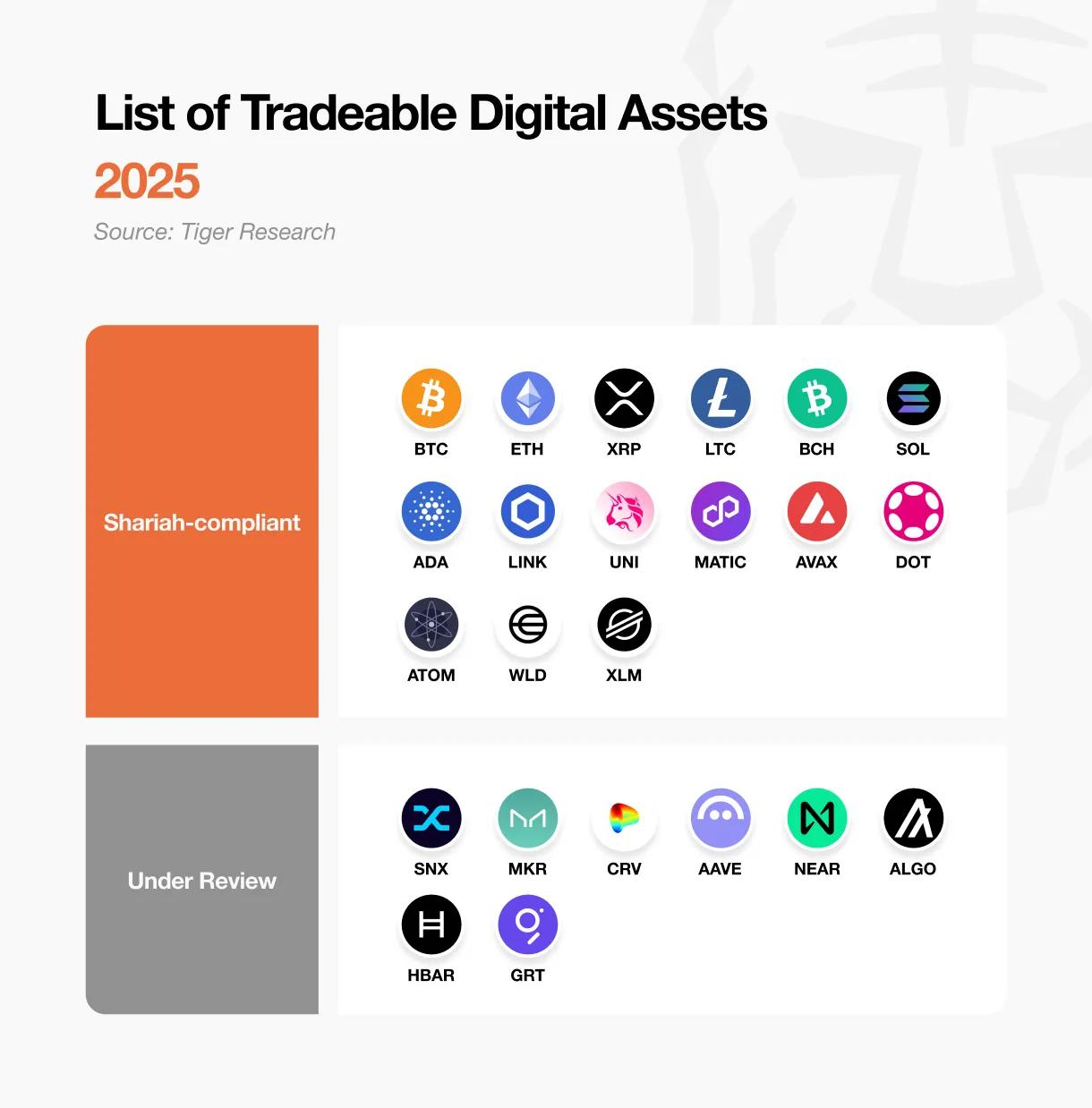
As of 2025, there are 12 companies operating as digital asset RMOs: 6 cryptocurrency exchanges, 4 custody providers, and 2 IEO platforms.
Phase 2: Strengthening law enforcement and blocking offshore exchanges to protect investors (2021-2024)
After establishing the regulatory framework, the SC strengthened enforcement through proactive market monitoring. Rather than simply setting rules, the SC proactively cracked down on illegal elements to enhance the credibility and security of the regulatory ecosystem.
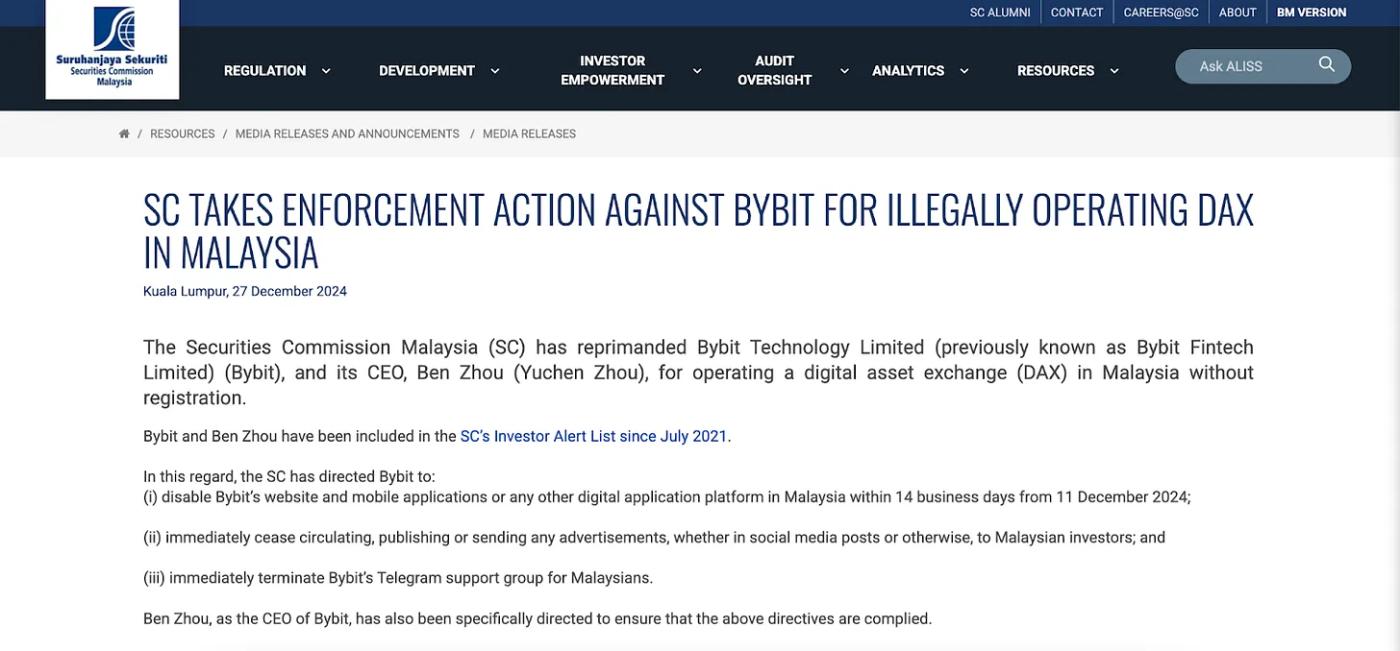
The SC pursues two core objectives: maintaining regulatory consistency by blocking unregistered foreign exchanges operating illegally in Malaysia; and preventing investors from being harmed by using unauthorized platforms. The SC has established an "Investor Alert List" to provide users with advance warnings. This list includes global exchanges such as Binance and Bybit. The SC has repeatedly emphasized that transactions on these platforms are not protected by Malaysian law.
[Image source: Securities Commission Malaysia (SC)]
Starting in 2021, the SC shifted from reactive measures to direct, forceful enforcement. In July 2021, the SC ordered Binance to cease services to Malaysian users within 14 days and shut down all channels, including its website. After 2022, as the cryptocurrency market faced global crises, including the bankruptcy of FTX and the collapse of Terra Luna, Malaysia strengthened its regulatory approach. The SC noted that these incidents occurred in an unregulated environment and took similar measures against unauthorized exchanges such as Huobi and Bybit.
These measures go beyond formal sanctions. Regulators implemented a comprehensive blocking and market exit strategy. The SC worked with internet service providers (ISPs) to block the websites of targeted exchanges and requested that their apps be removed from the Google Play Store and Apple App Store. Simultaneously, the central bank and tax authorities instructed local banks to prohibit deposit and withdrawal services with unauthorized platforms. Authorities also strengthened sanctions against individual investors. Investors confirmed to have used P2P trading or unauthorized exchanges saw their bank accounts frozen, financial products restricted, and auto and mortgage loans prematurely recalled.
Phase 3: Malaysia’s rapid transformation after Trump’s election (2025 to present)
[Image: Anwar Ibrahim]
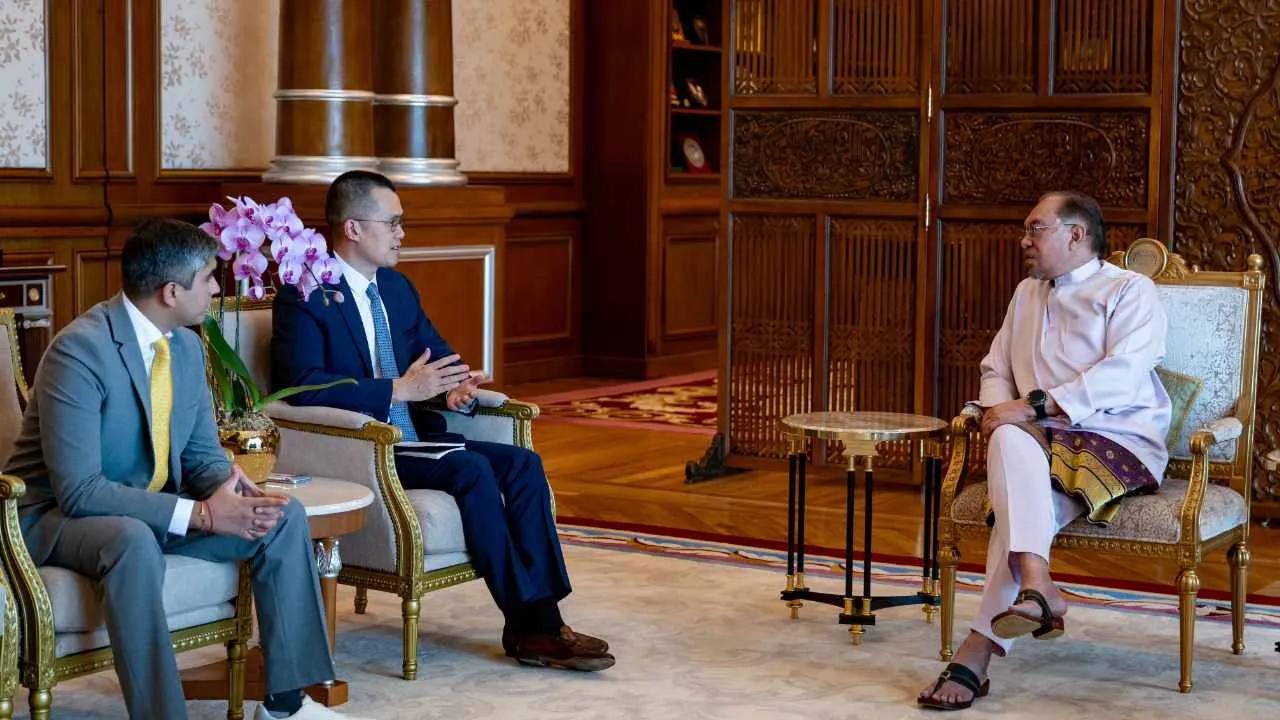
Malaysia's cryptocurrency market has rapidly grown since Trump's election. Prime Minister Anwar Ibrahim discussed cryptocurrency with former Thai Prime Minister Thaksin Shinawatra in January, and subsequently met with Binance founder CZ(CZ) in April to discuss developing Malaysia into a digital asset hub. These moves demonstrate Malaysia's commitment to leading regional digital finance policy as the ASEAN chair. Malaysia's Web3 market has grown rapidly compared to last year, marking a turning point since Trump's election.
[Image source: Gobind Singh Deo]
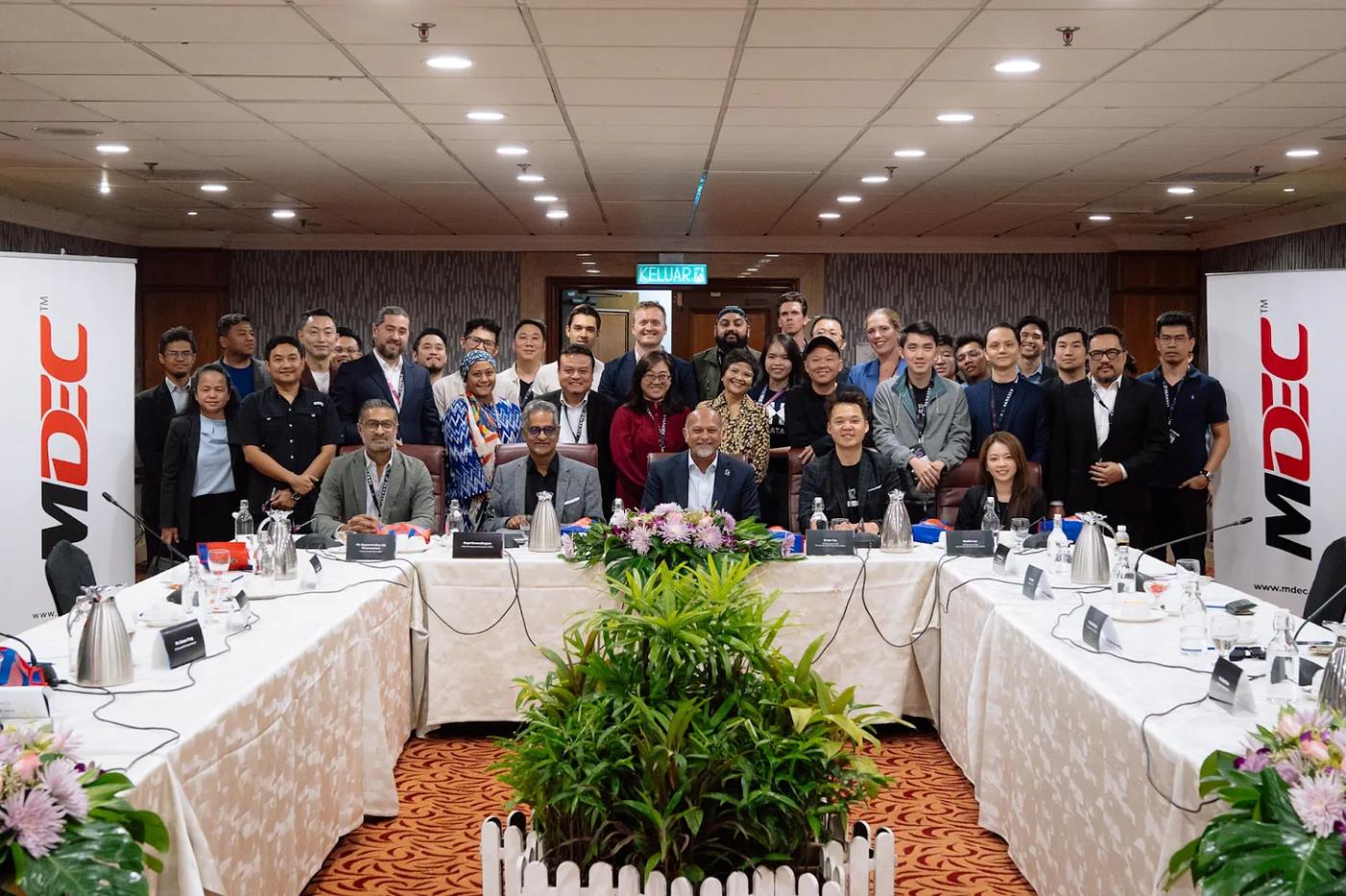
The government's political commitment quickly translated into concrete policy changes. Prime Minister Anwar Ibrahim directly launched the Digital Asset Innovation Hub in June 2025 as its first major achievement. This regulatory sandbox, led by Bank Negara Malaysia (BNM), will serve as a safe testing environment, actively encouraging experimentation and innovation in digital assets. At a blockchain industry roundtable hosted by the Malaysian Digital Economy Corporation (MDEC), Digital Minister Gobind Singh Deo also announced the establishment of the Digital Asset and Blockchain Working Committee, highlighting the government's systematic approach.
[Image source: MYBW 2025]
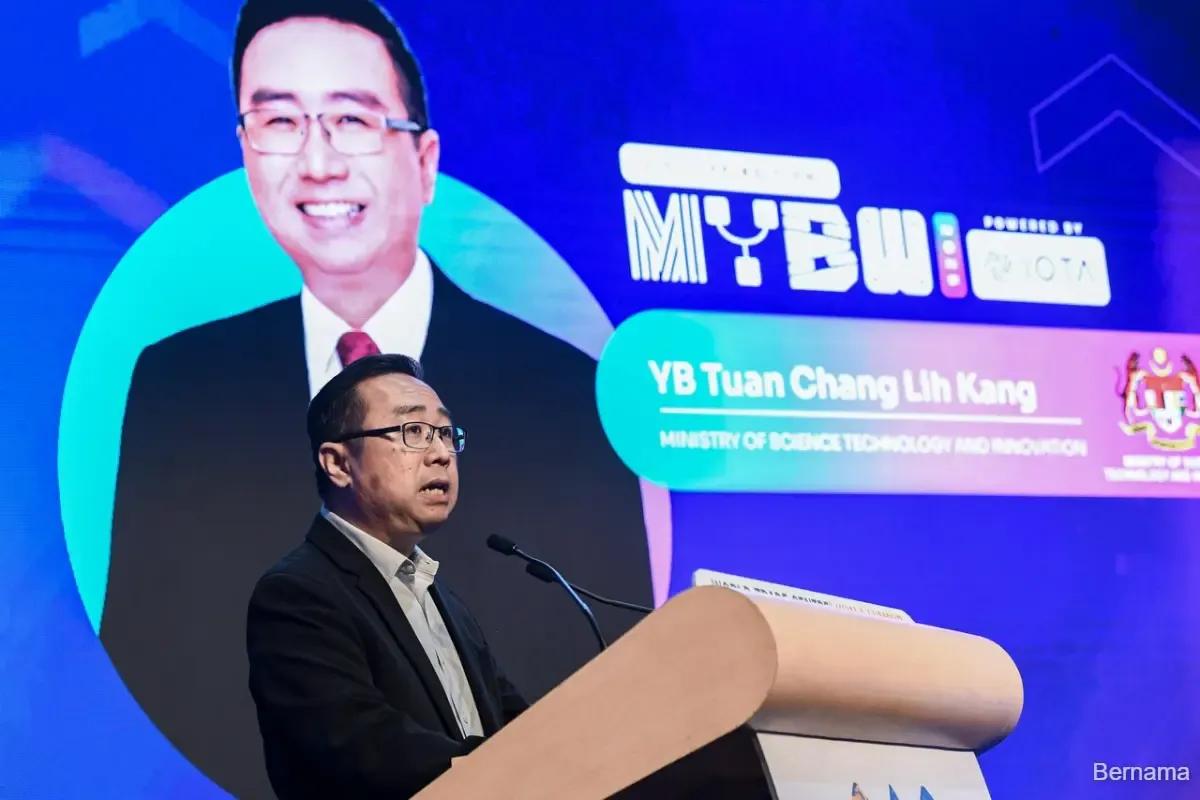
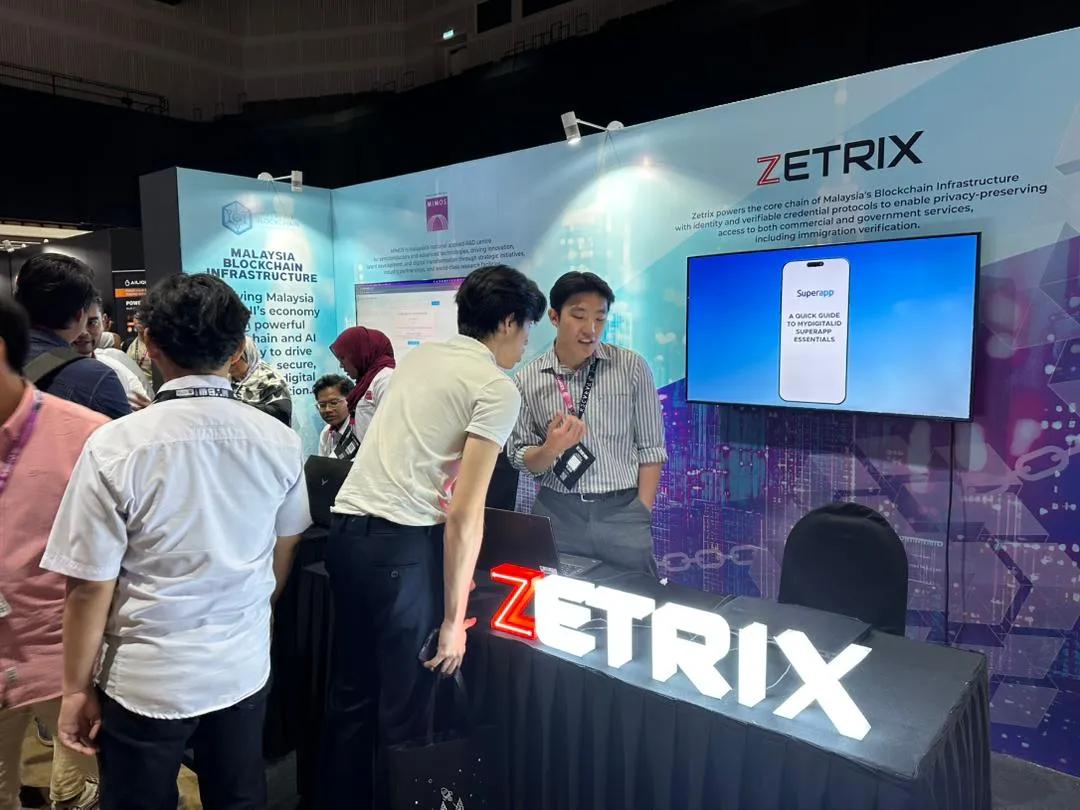
In parallel with the development of policy infrastructure, the development of technological infrastructure is also accelerating. Minister of Science, Technology, and Innovation Chang Lih Kang officially launched the Malaysia Blockchain Infrastructure (MBI) at the opening ceremony of Malaysia Blockchain Week 2025. The MBI is a collaboration between the government agency Malaysian Institute of Microelectronics Systems (MIMOS) and local mainnet project Zetrix. The project explores practical blockchain applications ranging from enhancing government transparency to halal certification and improving trade and supply chain efficiency.
The most notable change is the SC's regulatory relaxation. Through a consultation paper released in June 2025, the SC is shifting from a strict approval-based review model to significant deregulation. By July 2025, only 23 cryptocurrencies that have passed the SC's rigorous review will be allowed to be listed on local exchanges. Under the new regulatory framework, exchanges can make independent listing decisions without prior SC approval, provided they meet specified criteria.
However, Malaysian regulators are pursuing more than simple deregulation. Authorities are strengthening operational requirements, such as increasing paid-in capital for exchanges and introducing a self-regulatory model, while maintaining a conservative stance on high-risk cryptocurrencies, including privacy coins, meme coins, and stablecoins. This approach seeks to strike a balance between market autonomy and stability.
These policy changes demonstrate Malaysia’s strategic intention to compete with Singapore and Hong Kong to become a major Web3 hub in the Asia-Pacific region. Combined with the Trump administration’s pro-crypto policies, Malaysia is positioning itself as a key bridge connecting Western capital with Asian markets.
4. Analysis of key areas of the Malaysian cryptocurrency market
4.1. Centralized Exchange
Malaysia operates six accredited local cryptocurrency exchanges. Luno dominates, accounting for over 90% of local trading volume, creating a winner-take-all structure similar to other Asian countries like South Korea and Thailand. However, the rapid growth of Hata, a new exchange launched last year, appears to have injected new vitality into the market. Sinegy is also a major player, providing cryptocurrency trading services to businesses and institutional investors.
The actual influence of local exchanges remains limited. Despite regulatory efforts to block unauthorized exchanges like Binance, many investors continue to actively use global platforms through workarounds. It is estimated that 40-60% of Malaysia's total cryptocurrency spot trading volume occurs on global exchanges such as Binance and Bybit.
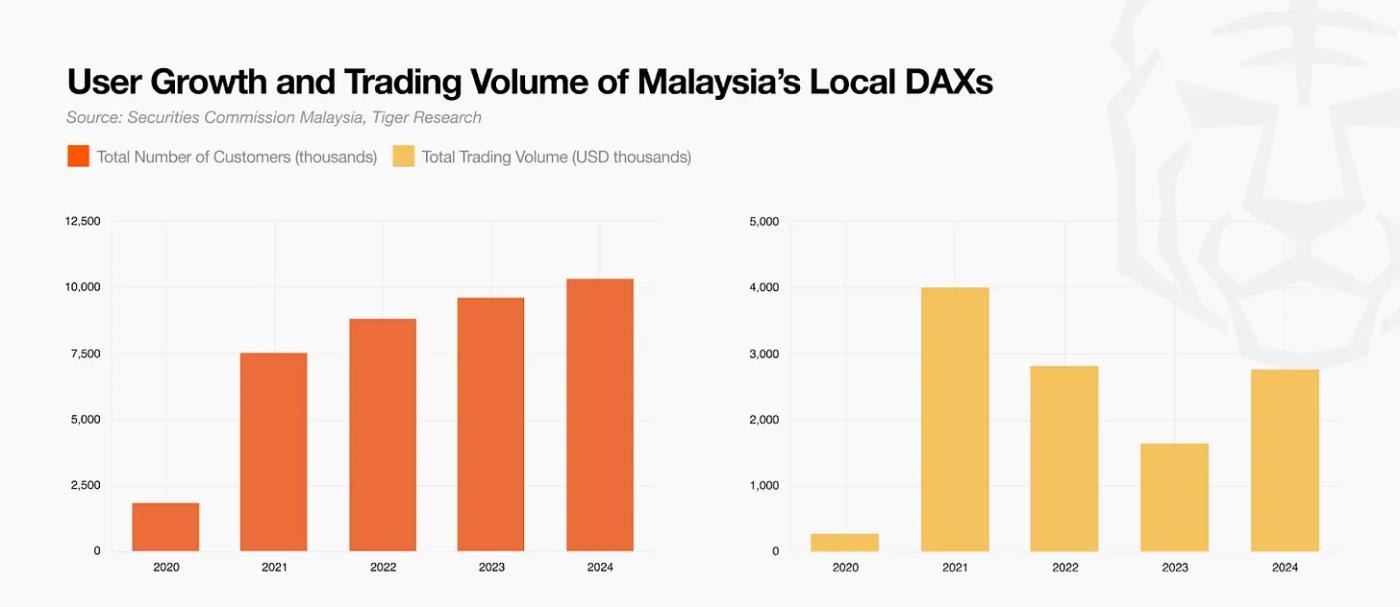
Furthermore, the small size of Malaysia's cryptocurrency market presents challenges for local operators. While Luno holds over 90% of the local market share, trading volume remains limited. Luno's daily trading volume is approximately 200 times smaller than that of South Korea's Upbit. According to the Bank Negara Malaysia (BNM) 2024 annual report, by the end of 2024, cumulative net bank deposits flowing into the locally registered DAX will account for less than 1% of total deposits in the banking system and approximately 0.4% of the market capitalization of securities listed on Bursa Malaysia.
Investors' preference for global exchanges stems from the structural limitations of local platforms. The SC's direct involvement in the cryptocurrency listing approval process requires a rigorous process, limiting the number of tradable cryptocurrencies to just 23. Low liquidity makes large-scale trading difficult. The lack of margin trading or derivatives reduces investor appeal.
Under these restrictions, local exchanges have sought to survive by operating parallel brokerage businesses. They offer over-the-counter (OTC) trading and stablecoin deposit and withdrawal (on/off-ramp) services alongside the exchanges. This particularly targets wealthy family offices and digital nomads as a source of supplemental income. This business model emerged due to local exchanges' restrictions on major stablecoins like USDT and USDC. The lack of liquidity for large-volume trades also contributed to this development.
Malaysia's cryptocurrency tax policy significantly influences exchange choice. Cryptocurrency profits are classified as income tax rather than capital gains tax. The government only taxes the amount withdrawn. For example, if someone holds 10 BTC but withdraws only 1 BTC locally, the tax applies only to the withdrawn amount. Airdrops, staking, and DeFi gains are also subject to income tax. The government monitors cryptocurrency activity by sharing trading data from local exchanges. Authorities impose additional investigations and sanctions on those who fail to report. This tracking system appears to be a major factor discouraging investors from using local exchanges.
4.2. Stablecoin
Malaysian regulators have maintained a conservative stance on stablecoins. USD-pegged stablecoins like USDC and USDT remain unlisted on local exchanges. While the Bank of Malaysia (BNM) has yet to issue a definitive statement on the issue, this cautious stance likely stems from policy priorities. These priorities were shaped by the 1998 Asian financial crisis, when rapid capital outflows caused severe economic dislocation. This experience heightened vigilance regarding local currency stability and foreign exchange management.
The SC's recent consultation paper suggests this cautious approach continues. Authorities explicitly note that stablecoins are susceptible to market price fluctuations and could undermine the stability of the local financial system. Regulators view them not as simple payment instruments but as potential macroeconomic risk factors.
[Image source: Dune]
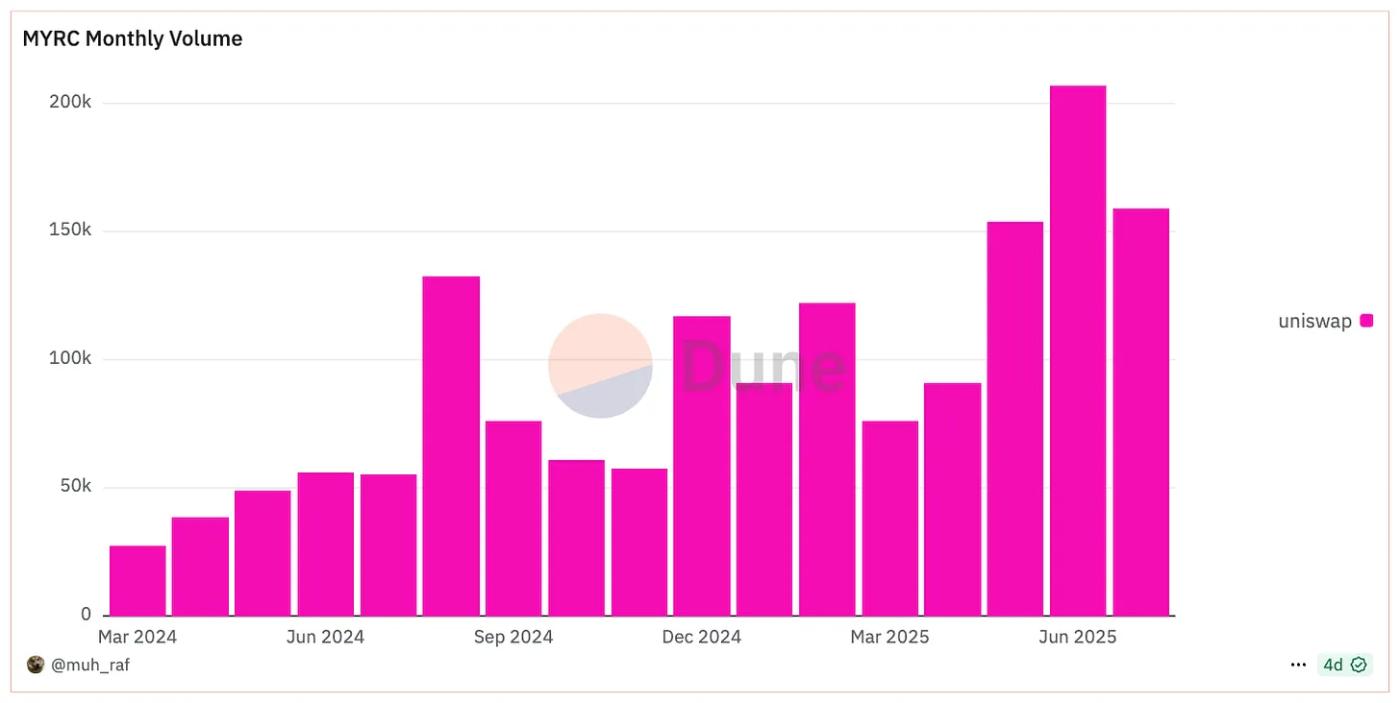
Despite regulatory caution, private sector stablecoin experiments continue. Blox is developing a stablecoin pegged to the Malaysian Ringgit (MYRC). MYRC operates as a fiat-collateralized stablecoin. The token is pegged 1:1 to the Malaysian Ringgit on the Arbitrum and Ethereum blockchains. Users can mint MYRC by depositing it into a local bank account through the Blox platform. They can also redeem it similarly. MYRC is currently in beta testing. The project has achieved a market capitalization of approximately $700,000, with limited but active trading volume.
However, regulatory overlap has delayed the project. Malaysia's dual oversight between the SC and the Bank Negara Malaysia (BNM) has resulted in unclear responsibilities and standards. Blox has been working on the project for three years and has been in contact with regulators. However, due to uncertainty about the regulatory stance, the company has yet to receive final approval. The lack of a consistent stablecoin regulatory framework is a key factor in the delay.
Signs of change are emerging. Prime Minister Anwar Ibrahim recently announced the consideration of establishing a regulatory sandbox through the Digital Asset Innovation Center. This initiative includes experiments with ringgit-based stablecoins. This central bank-led sandbox will provide a controlled environment for fintech and digital asset companies to test new technologies and services.
Given the government's ongoing concerns about capital controls, the initial focus may be on local financial ecosystem applications rather than cross-border payments. Potential use cases include 24-hour payment infrastructure, which goes beyond the traditional 9-hour banking system. Escrow services can leverage conditional payment capabilities. Recent social issues such as gym closures have impacted the refund of prepaid deposits. Uncertainty surrounding home renovation contract performance creates opportunities. Pilot implementations of "programmable money" could address everyday financial issues.
4.3. NFT Community
The Malaysian NFT market remains sluggish. Many investors who invested heavily during the NFT craze have suffered losses and exited the market. This pattern is consistent with other countries. While there are some holders of global projects such as BAYC, Azuki, and Milady, activity is mostly limited to small gatherings of enthusiasts. Malaysia lacks significant local NFT projects.
[Pudgy Penguin Malaysia local offline activities, source: Pudgy Penguins Malaysia]
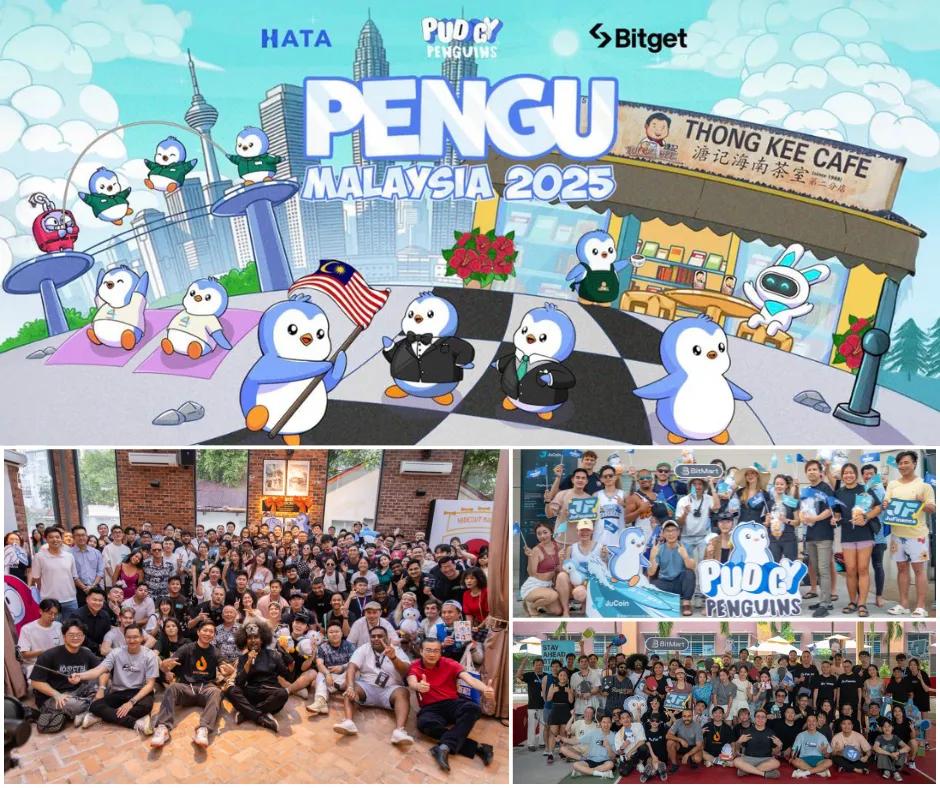
The Pudgy Penguins local community stands out in this landscape. It has built an independent ecosystem in Malaysia that goes beyond a simple network of NFT holders. This success is driven by an open approach and an inclusive culture. The community welcomes everyone to participate, regardless of NFT ownership, and the barrier to entry for newcomers is low.
Community members naturally connect with people from diverse backgrounds. They form meaningful relationships through pure fun and a positive atmosphere that goes beyond simple information exchange. The community regularly hosts various offline events, such as wine tastings, go-karting, and pickleball. Even during bear markets, members maintain monthly gatherings. The community also actively participates in external community events. Members participate in other community events and collaborate when needed through connections and referrals.

[Image source: Pudgy Penguins Malaysia]
The community is preparing 'MY PENGU ACADEMY', an introductory educational program for Web3 beginners. The initiative aims to expand the community and diversify participation.

[Image source: Hata Global]
Meanwhile, local exchange Hata listed the penguin-themed meme coin $PENGU on its global platform (offshore only). Some Malaysian community members used workarounds to trade the tokens. Given local restrictions on memecoin trading, this structure may have provided another incentive for community participation.
The Malaysian NFT market is more based on community activities than transactions. Among these communities, Pudgy Penguins is the most well-organized and scalable example. In smaller market environments, offline networks are becoming increasingly important. Pudgy Penguins's operations offer important insights into this.
4.4. Islamic Finance
Malaysia has established itself as Asia's largest Islamic finance hub. The country holds an unrivaled position globally in the sukuk (Islamic bond) market, a position fueled by its Muslim population, which exceeds 60%. By 2024, Islamic finance is expected to account for approximately 47% of the total financial system.
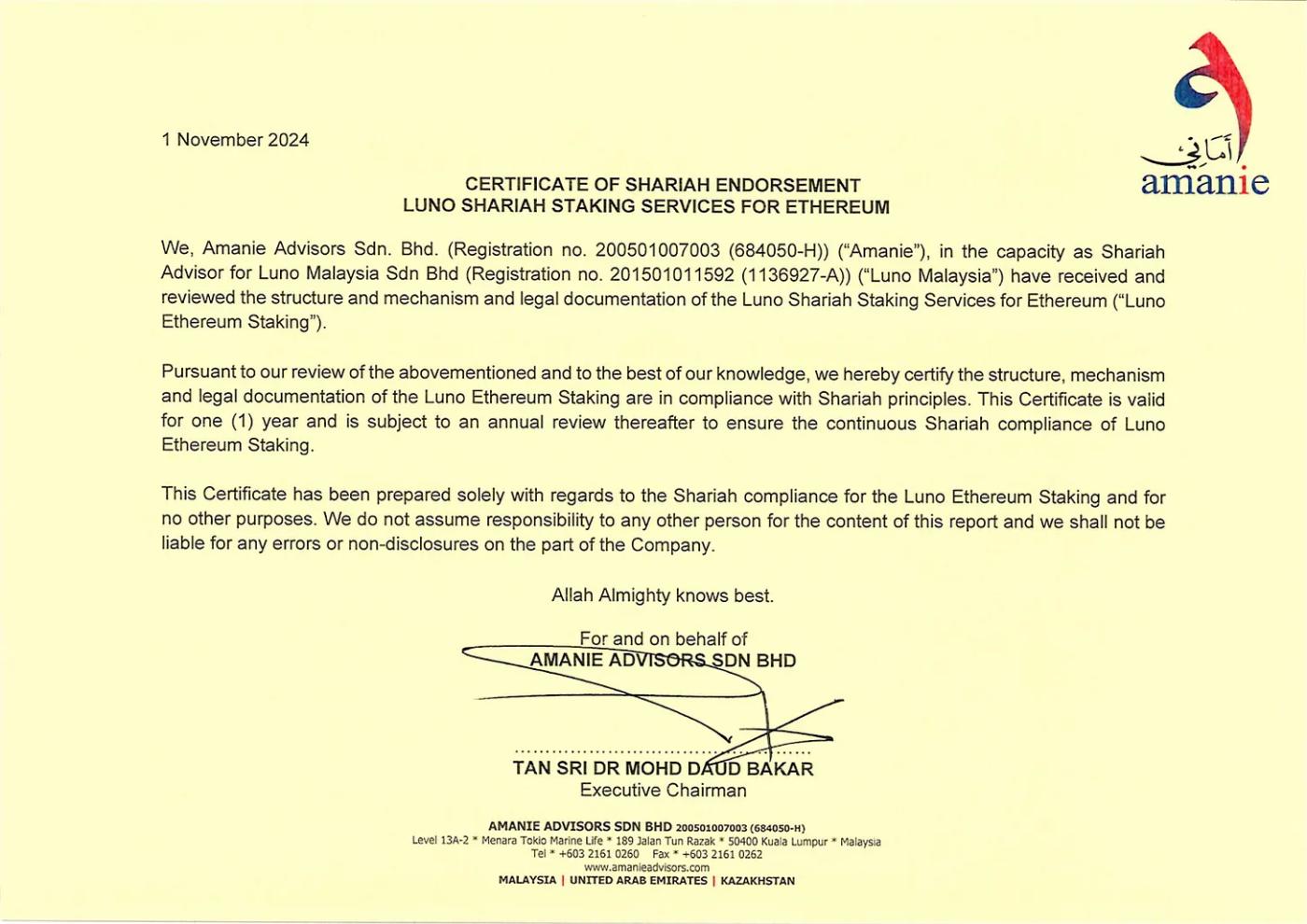
[Luno’s Shariah-approved certificate for Ethereum staking services, issued by Amanie Advisors. Image source: Luno]
This distinction has impacted the cryptocurrency industry. Malaysia is the first country in the world to officially recognize cryptocurrencies as Shariah-compliant assets. The country has approved 15 digital assets as Shariah-compliant, including Bitcoin. All recognized digital asset market operators in Malaysia must maintain Shariah compliance. Local exchanges Luno and Hata both adhere to these requirements.
Malaysian regulators believe that cryptocurrencies may be more compliant with Shariah law than traditional finance. The traditional banking system provides loans based on deposits and charges interest. This may violate Shariah's prohibition on interest (riba). Cryptocurrency operating structures involve compensation for actual work, such as network maintenance and transaction verification. Bitcoin mining is considered legal compensation for computational verification work. Ethereum staking rewards contribute to network verification. These are fundamentally different from interest income.
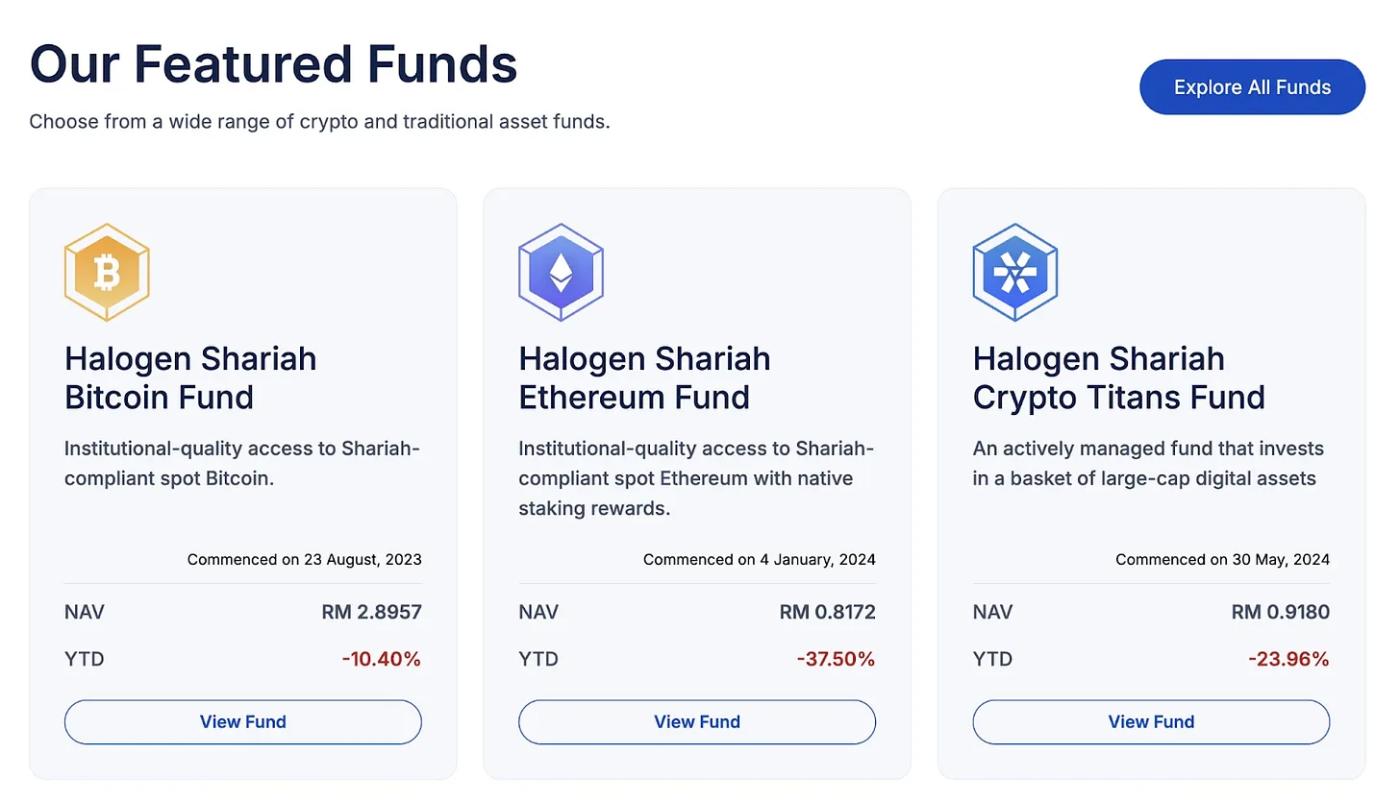
[Image source: Halogen Capital]
Various cryptocurrency products based on Islamic finance have emerged. Halogen Capital operates as the world's first Sharia-compliant cryptocurrency mutual fund management company. The company manages approximately $75 million in assets and offers Sharia-compliant Bitcoin and Ethereum funds, among other products.
Nawa Finance operates as a Shariah-compliant DeFi protocol. The company, in partnership with Solv Protocol, offers Shariah-compliant Bitcoin DeFi products. These products are Shariah-certified by Amanie Advisors, a registered Shariah advisor with the SC. These products offer a secure and transparent halal income structure. Nawa Finance's Total Value Locked (TVL) has exceeded $50 million, demonstrating significant progress in the Shariah-compliant DeFi space.
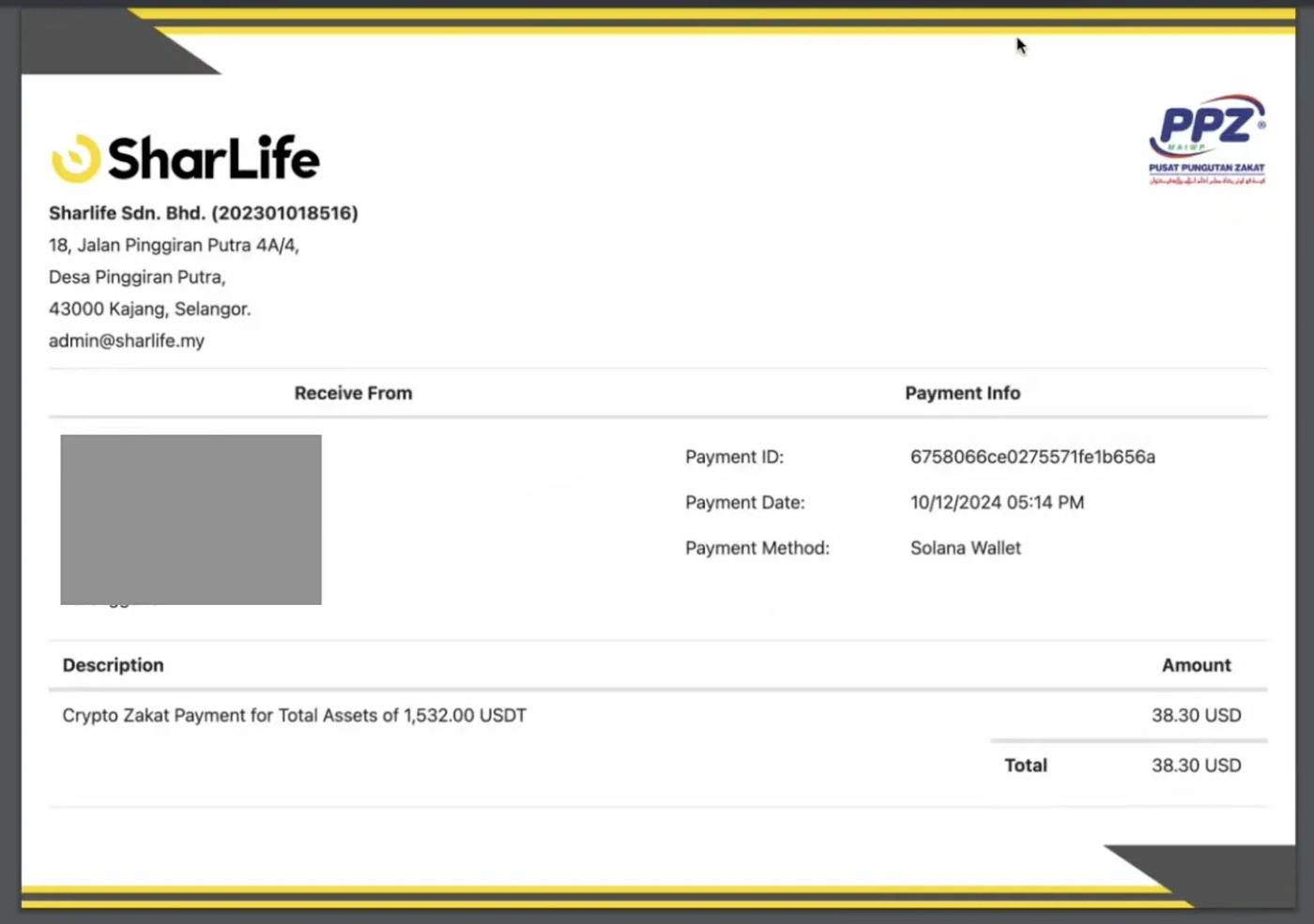
[Sharlife's zakat payment receipt, source: Sharlife]
Sharlife is an innovative platform for Islamic charitable giving. The platform supports zakat payments using cryptocurrency. Sharlife is collaborating with the Federal Territory Islamic Religious Council (MAIWP) to develop a digital charitable system.
There are practical limitations. Cryptocurrencies are not yet recognized as an official means of payment in Malaysia, which limits real-world adoption. Federalism also poses challenges for nationwide institutionalization.
Malaysia's global expansion potential remains highly valued. Its accumulated expertise and experience in Islamic finance are competitive assets in overseas markets. Malaysia is leveraging this expertise to develop Shariah-compliant crypto products. Malaysia has previously expanded the institutional and product models of the Islamic bond market to the Middle East and Southeast Asia. This expansion was based on local success, suggesting a similar expansion path for cryptocurrencies. Major Muslim countries such as Saudi Arabia and Indonesia may adopt Malaysia's Shariah-compliant digital asset model. Malaysia has ample potential to lead the global digital transformation in this sector.
4.5. Mainnet Environment
[Image source: Solana Superteam MY]
Malaysia's blockchain mainnet environment remains limited. Among global mainnet, the Solana Superteam is virtually the only active presence in Malaysia. The Superteam collaborates with various Malaysian Solana-based projects, such as Jupiter and Meteora, and focuses on supporting local builders and founders to expand the ecosystem. The organization actively runs community-focused events, including hackathons, to achieve this goal. Ethereum communities like Ethereum KL also operate locally, but their activities are limited.
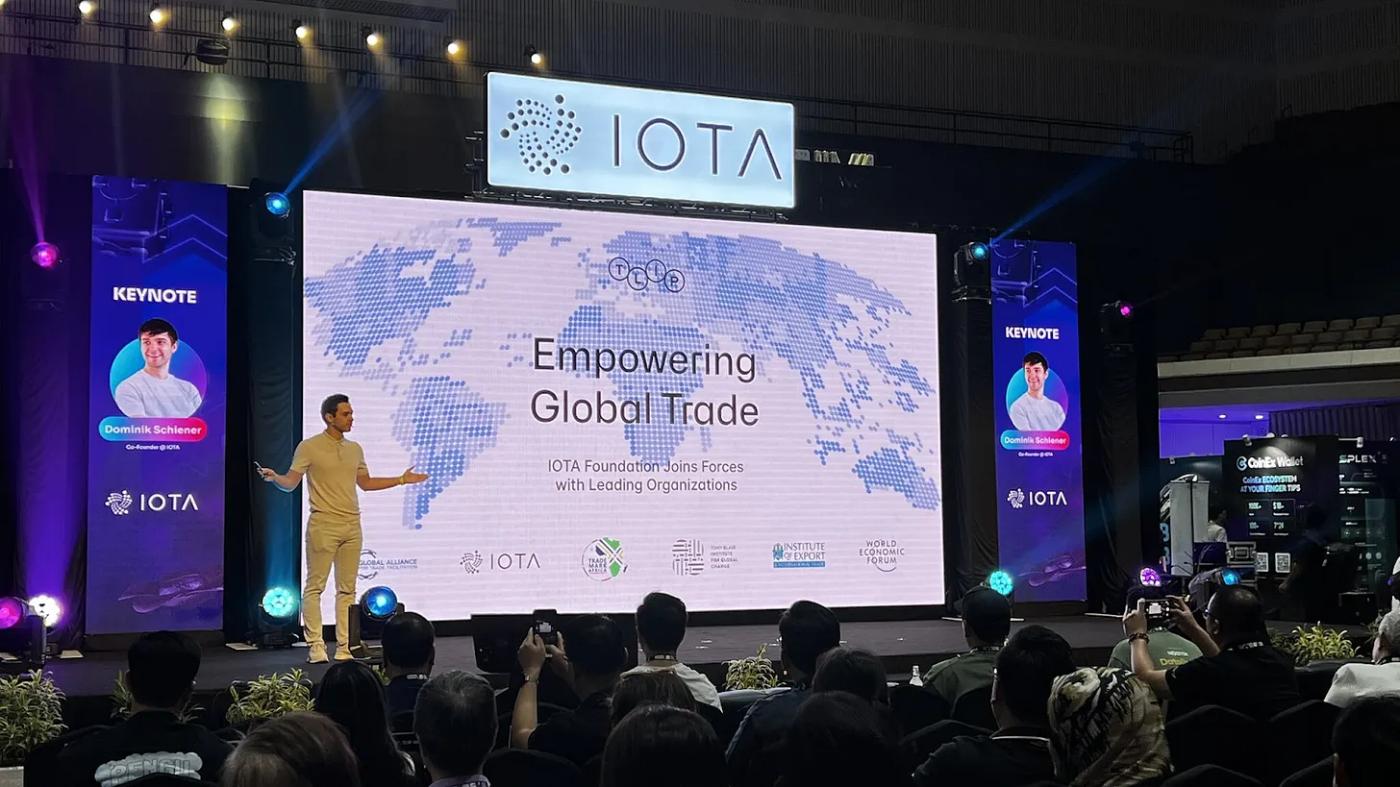
[MYBW2025 IOTA keynote speech session, source: IOTA]
IOTA is an exception. The project participated as an official sponsor of Malaysia Blockchain Week 2025 (MYBW 2025). IOTA has been actively marketing locally. The company received Shariah compliance certification from the Cambridge Islamic Finance Institute (Cambridge IFA). Since then, IOTA has strengthened its branding efforts in the Islamic finance market and accelerated its market strategy in Malaysia.
[Image source: Zetrix]
Meanwhile, the Malaysian government's strategic focus is on developing its own blockchain infrastructure rather than simply adopting global public blockchains. The government is focused on creating a regulatory-friendly, controllable, and locally-focused blockchain ecosystem. They are achieving this through a partnership with the local mainnet project Zetrix to develop the National Blockchain Infrastructure (MBI). This demonstrates a policy direction: the government aims to establish a stable and sustainable, state-led blockchain infrastructure, rather than relying on external chains.
4.6. Bitcoin Mining
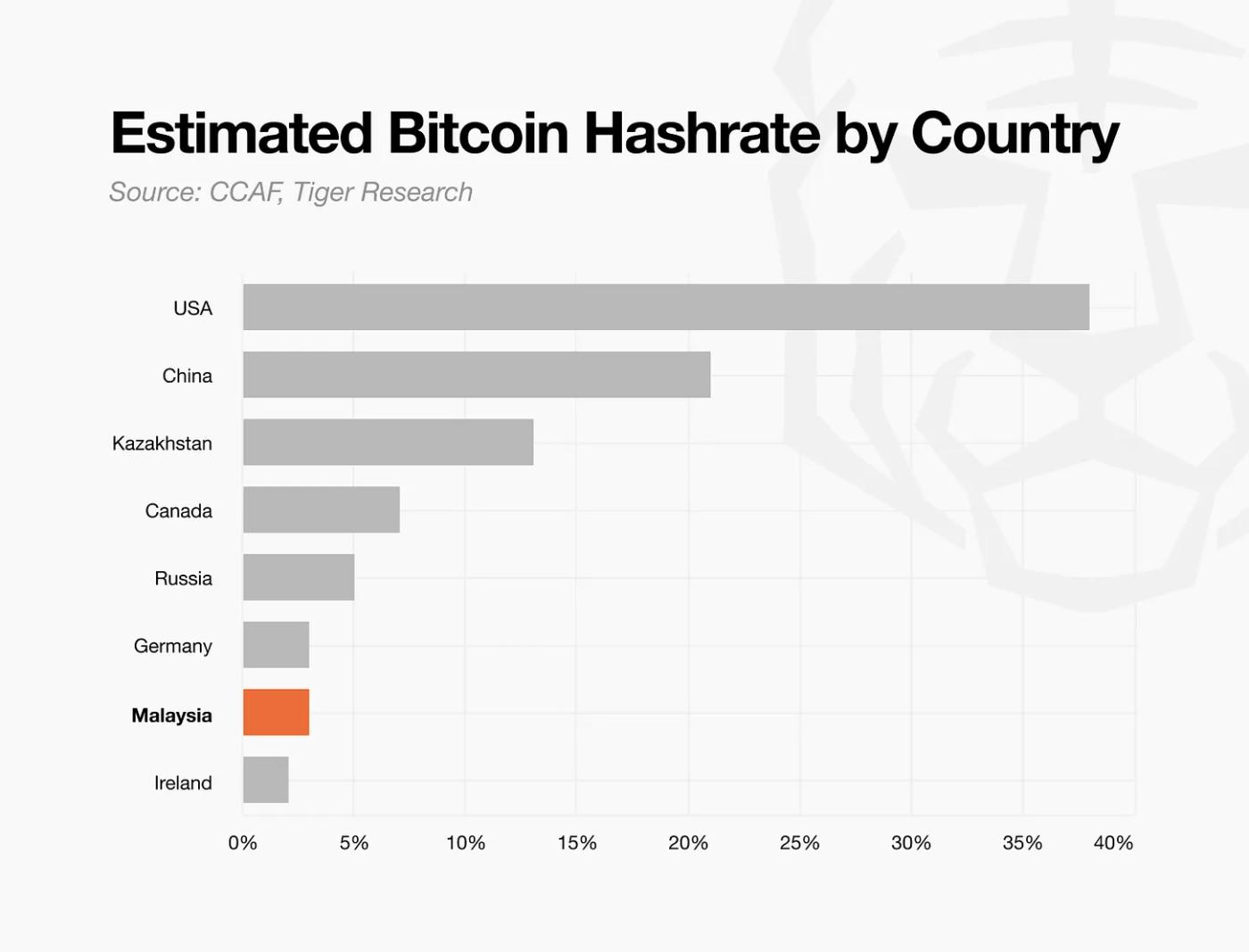
Malaysia ranks among the top ten countries globally in terms of Bitcoin mining hashrate. Large-scale mining facilities are concentrated in the Sarawak and Sabah regions of Borneo. These facilities operate on extensive hydropower infrastructure. These regions have a surplus of electricity relative to demand, and Bitcoin mining actively utilizes this excess power.
Sarawak's large hydroelectric power plants produce more electricity than the region needs. This surplus electricity will be exported to Singapore and other countries in the future. The mining industry prioritizes utilizing this electricity until the submarine cable infrastructure is completed. Local governments are collaborating with mining companies. Cheap electricity is driving rapid growth in the mining industry, providing a stable alternative to the volatile global mining environment, which has been insecure due to China's mining ban.
[Malaysian police crush Bitcoin mining machines. Image source: The Malaysian Reserve]
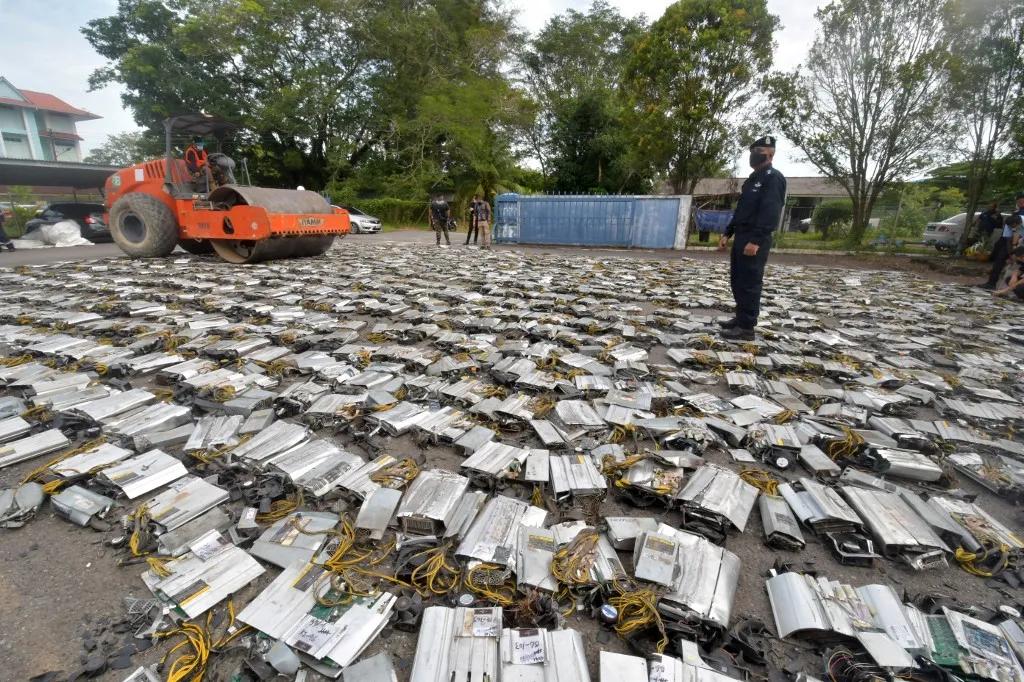
However, illegal mining poses a serious problem. According to data from ACCESS, a Malaysian blockchain association, national utility Tenaga Nasional Berhad (TNB) reported electricity losses of approximately RM441 million (US$100 million) due to illegal mining. Power theft is a frequent occurrence, with some cases resulting in fires. Recent incidents include identity theft for fraudulent electricity contracts. In response, authorities have stepped up their crackdown, seizing 985 illegal mining devices.
Malaysia's mining industry shows growth potential, leveraging abundant renewable energy and institutional acceptance. However, the industry also faces social costs and regulatory challenges stemming from illegal mining. This demonstrates that Malaysia's emergence as a global Bitcoin mining hub carries challenges that need to be addressed.
5. Malaysia’s Cryptocurrency Market: Opportunities and Challenges
5.1. Challenge Factors
Malaysia's multilingual population offers communication advantages. However, projects face complexities when entering the market. They must tailor their strategies to different target groups, creating barriers to entry.
For example, Chinese Malaysians and non-Chinese Malaysians exhibit significant differences. They use different languages, have different social networks, and have different investment preferences. Sharia law impacts the Malay majority, who exhibit a relatively passive attitude toward financial investment. Chinese Malaysians are active in both local and international stock investments. They are also active users of derivatives on global cryptocurrency exchanges and on-chain trading platforms like Hyperliquid. The market is clearly segmented, and a single strategic approach cannot effectively address this structure.
Malaysia's Web3 industry faces limitations in its developer talent base. Malaysia has many talented entrepreneurs. However, compared to neighboring countries like Vietnam and Indonesia, the developer talent pool remains relatively limited. Talented individuals often migrate to Singapore and other locations to establish companies or continue their careers outside of Malaysia. This creates a structural problem, making it difficult for Malaysia to accumulate talent within its ecosystem. While Malaysia has cultivated world-class talent, the local Web3 ecosystem itself faces structural constraints that hinder its activity. This poses a significant challenge to the development of the local market.
5.2. Opportunity Factors
Despite these challenges, Malaysia's cryptocurrency market retains significant potential. The market demonstrates particular strength in talent-based networks. Projects like Coingecko and Etherscan originated in Malaysia and have gained global influence. Malaysian talent also plays key roles in various global projects, including Meteora, Drift, and Pendle. These individuals have formed a close network across the global crypto industry, fostering an environment for sharing opportunities and collaborating.
These networks have shown potential as a foundation for the development of a local ecosystem in Malaysia. Recently, a growing number of professionals who have built careers overseas have returned to Malaysia. This trend is driven by the low cost of living and stable living conditions. These returnees are injecting new vitality into the ecosystem through their connections with the local community, expanding opportunities for knowledge sharing and collaboration with the next generation.
[Image sources: Asia Pacific University Blockchain Club (APUBCC, left), Sunway Blockchain Club (SBC, right)]
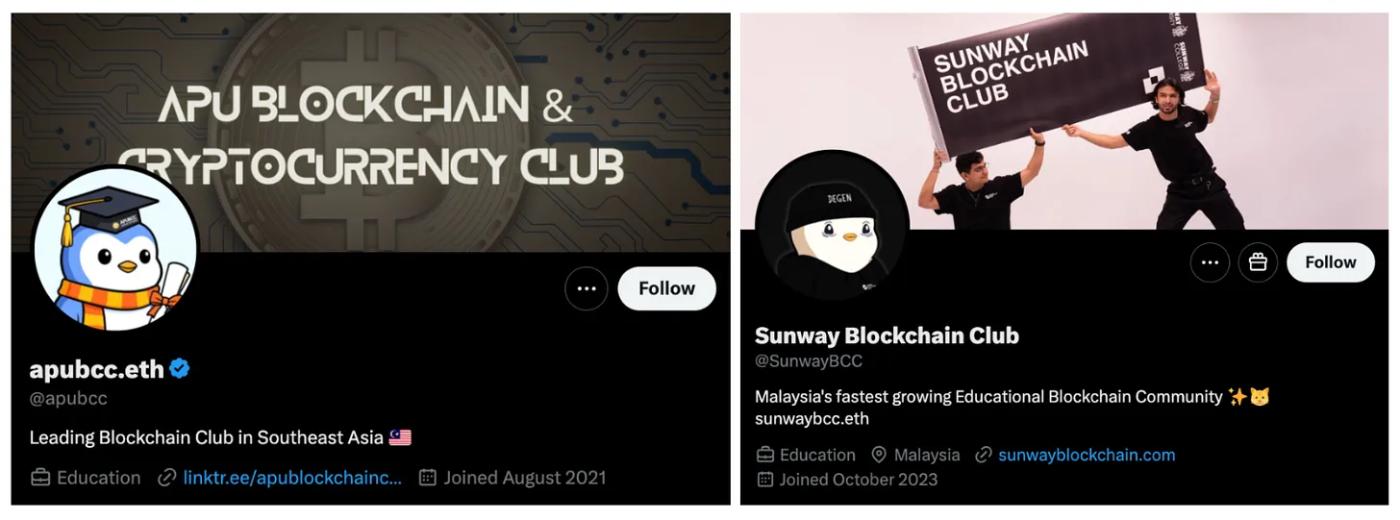
Major universities, including Asia Pacific University (APU), Sunway University, and Taylor's University, are actively pursuing blockchain-related academic activities. This ensures a continued influx of the next generation of Web3 talent. If these trends are combined with supportive government policies, Malaysia's Web3 ecosystem could grow at an even faster pace.
[Binance Sharia Earn, Image source: Binance]
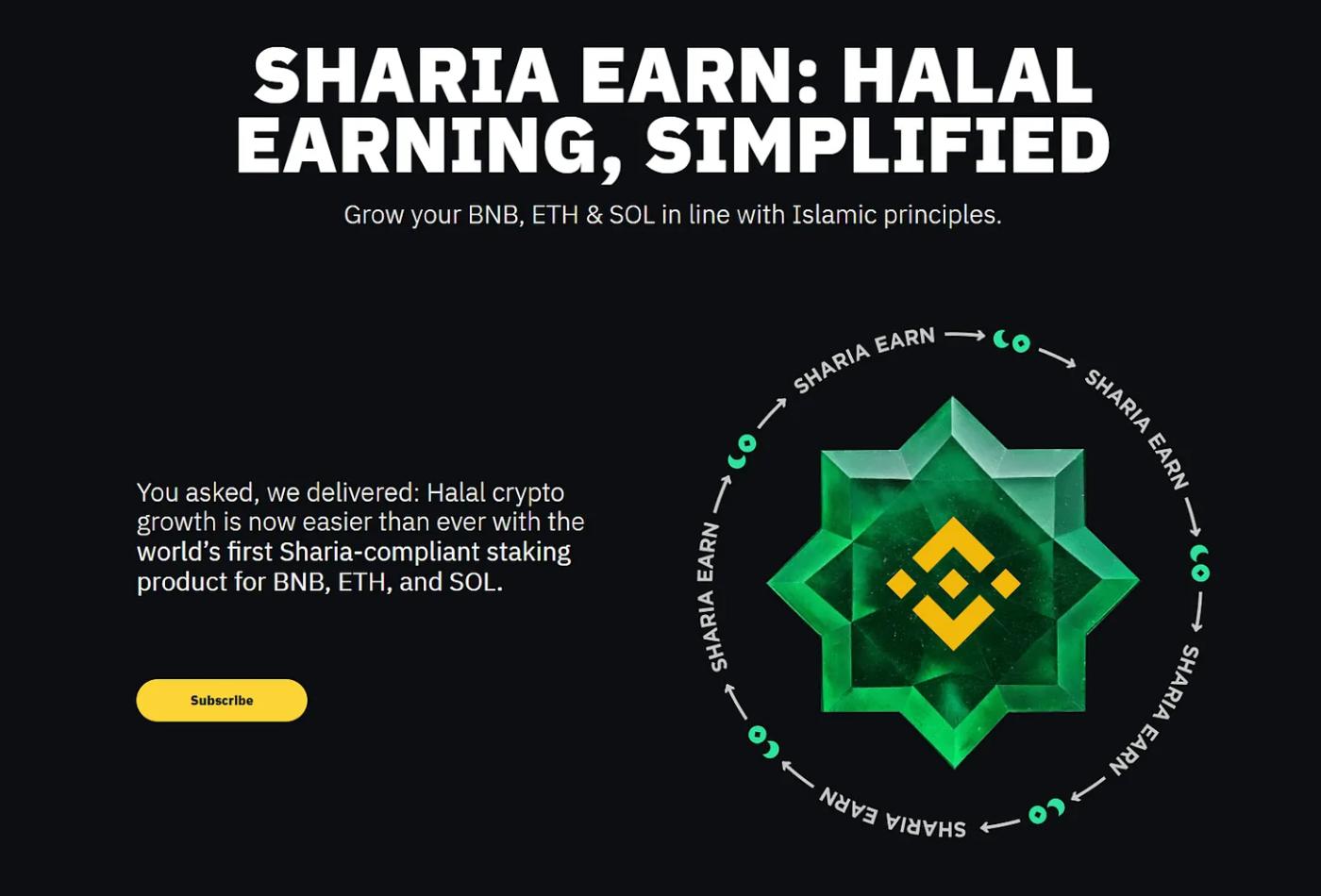
Malaysia is a hub for Islamic finance. The market is considered to offer unique opportunities in Shariah-compliant digital assets. Islamic finance currently represents a small portion of the cryptocurrency market. However, demand for this sector is showing signs of gradual expansion. Binance's recent launch of Shariah-compliant products demonstrates this trend. Malaysia has already institutionalized various Shariah-compliant products in traditional finance. The country possesses the institutional foundation and practical experience necessary to expand this trend to digital assets. This makes Malaysia particularly noteworthy.
This foundation isn't limited to the local ecosystem. There's a global demand for Shariah compliance. Potential markets are particularly concentrated in the Middle East. The potential for connecting to these markets puts Malaysia in a strong position. In the future, Malaysia could develop into a global hub for Islamic digital assets.