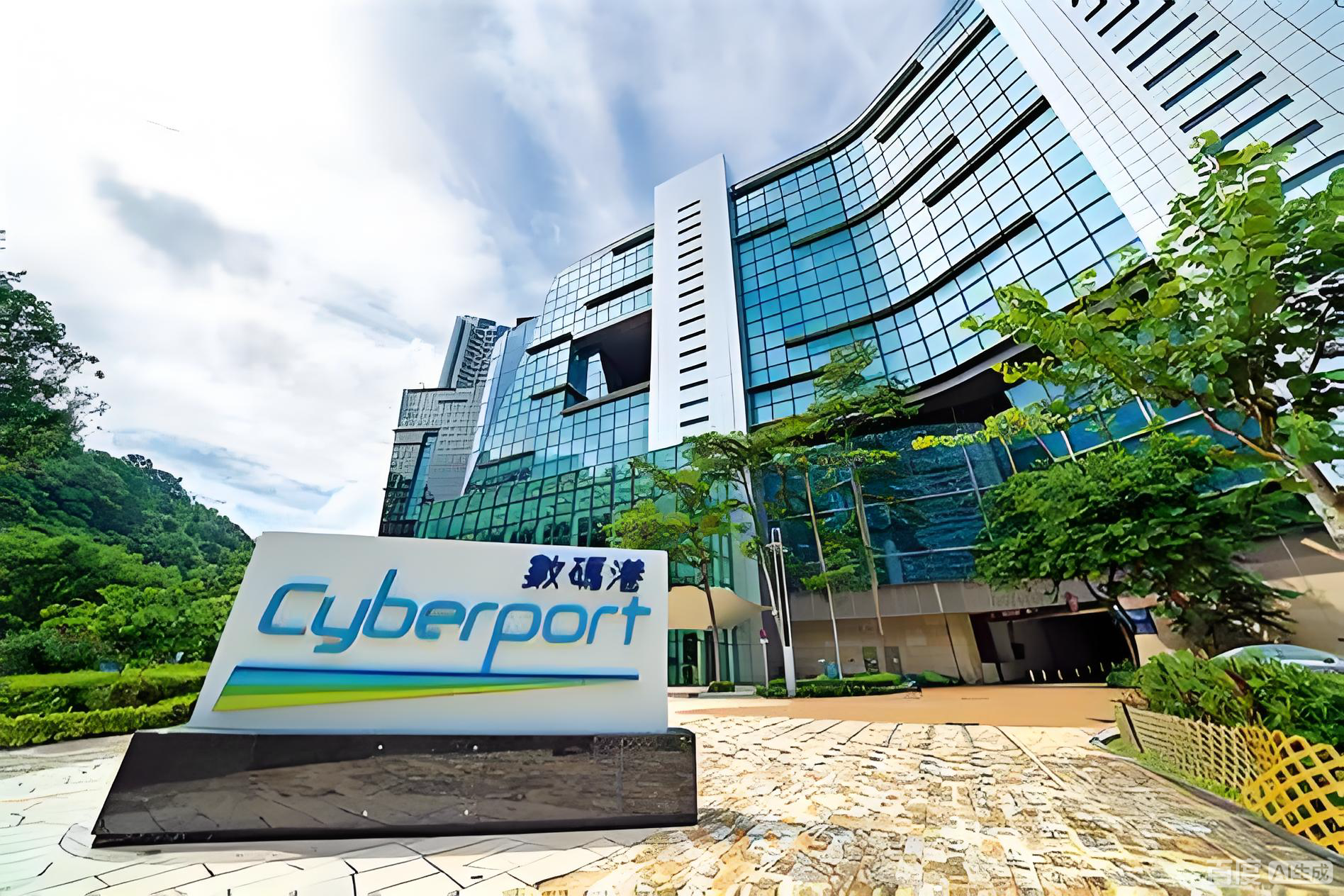
The "Blockchain and Digital Asset Pilot Funding Scheme" launched by Hong Kong Cyberport is showing initial results, with its unexpectedly strong market response quickly becoming a hot topic in the global RWA (Real-World Asset) tokenization field. According to a report by Zhitong Finance on December 10th, the scheme received over 200 applications in its first phase, with nine companies ultimately selected. Nearly half of the projects have entered the implementation stage, involving assets exceeding HK$120 million. This development not only demonstrates the market's innovative vitality but also signifies that Hong Kong is attempting to break through the global predicament of "ambitious blueprints but difficult implementation" in the RWA field through a pragmatic approach—guiding pilot projects with funding and accelerating the closed loop through ecosystem aggregation. As major global financial centers compete in the new digital asset arena, Hong Kong's move has secured a crucial testing ground for the deep integration of blockchain and traditional finance.
I. Global Consensus and Implementation Challenges of RWA: The Gap Between Ideal and Reality
RWA tokenization is widely regarded as the most important narrative for the next wave of blockchain technology empowering the real economy. Its core logic lies in the potential to achieve asset fragmentation, improved liquidity, and a leap in transaction settlement efficiency by transforming traditional assets such as real estate, bonds, commodities, and even intellectual property into on-chain digital certificates. BlackRock CEO Larry Fink has repeatedly stated publicly that tokenization is the future of capital markets. The Bank for International Settlements (BIS) also affirmed the potential of this trend in its 2023 report.
However, globally, several significant obstacles remain between RWA's conceptual consensus and its large-scale application. The primary challenge stems from the fragmentation of technology and standards. Assets on different protocols and chains struggle to interoperate, creating new "digital silos." Secondly, legal and regulatory certainty is a prerequisite for institutional investment. Issues such as the legal nature of tokenized assets, the order of claims in bankruptcy proceedings, and cross-border jurisdictions are still under exploration in most jurisdictions. Finally, building a closed-loop business model is exceptionally complex. A successful RWA project requires seamless integration between asset originators, technology platforms, custodian banks, law firms, auditors, and exchanges; weakness in any link can cause the entire process to collapse.
This is why small-scale, supervised "pilot programs" have become a crucial first step in breaking the deadlock. They do not pursue immediate transaction volume, but rather aim to validate technological solutions in a real-world environment at a controllable cost, clarify compliance boundaries, streamline collaborative processes, and build vital market trust. Hong Kong Cyberport's funding scheme precisely addresses this critical juncture.
II. A Three-Dimensional Analysis of Hong Kong's Strategy: Finding a Balance Between Sound Regulation and Bold Innovation
Faced with common challenges, Hong Kong's strategy is not simply to loosen policies, but a carefully designed combination of "policy guidance, scenario pilots, and ecosystem empowerment" to strive for a balance between financial stability and innovation incentives.
At the policy level, Hong Kong is committed to building a clear and progressive regulatory framework. The Hong Kong Monetary Authority (HKMA) and the Securities and Futures Commission (SFC) are the two core drivers. In 2023, the HKMA released the "Discussion Paper on Regulatory Principles for Tokenized Assets" and the "Legislative Proposal on the Regulatory Regime for Stablecoins," clarifying the principle of "same risk, same regulation," aiming to set a track for compliant innovation. The SFC has already established a licensing regime for Virtual Asset Service Providers (VASPs) and provided clear guidelines for investment products investing in virtual assets. These measures have provided a preliminary compliance manual for core RWA businesses such as Security Token Offerings (STOs). The Cyberport pilot can be seen as a "stress test" under this top-level design, and its feedback will be directly used to optimize subsequent regulatory details.
At the scenario level, the funding program demonstrates a high degree of focus and pragmatism. Applications concentrated on RWA tokenization, stablecoin payments, and Web3 security—the three cornerstones of RWA's commercial applications: asset on-chaining, value transfer, and security assurance. The maximum funding of HK$500,000 has a greater symbolic and catalytic effect than a full subsidy. It significantly reduces the trial-and-error costs for early-stage entrepreneurs, encouraging them to put their solutions to real-world business testing rather than remaining merely technical demonstrations.
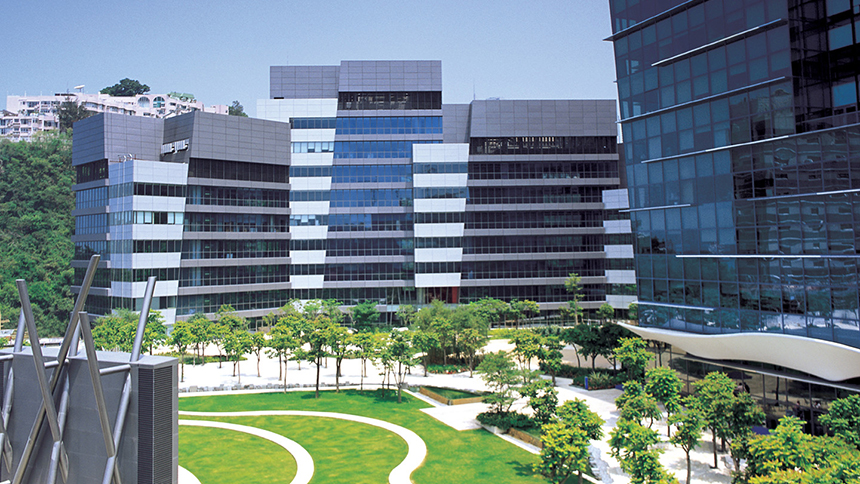
At the ecosystem level, Hong Kong is accelerating the aggregation of all elements to achieve a closed loop for RWA (Real-World Architecture, Software, and Environment). Cyberport has gathered over 300 blockchain-related companies and connected with over 220 investment institutions through its network. This means that a pilot project has the opportunity to quickly connect with technology partners, legal advisors, auditing firms, and potential investors within the same physical and community space. This dense ecosystem network aims to solve the classic "chicken and egg" problem in innovation—without successful cases, the ecosystem is unwilling to invest; without ecosystem support, cases are unlikely to succeed. Hong Kong has powerfully launched this positive cycle by building a platform through joint efforts of the government and the market.
III. A Global Testing Ground Tour: Hong Kong's Unique Positioning and Competitive Dimensions
Hong Kong is not alone in the global RWA competition. Singapore, the UAE, Switzerland, and other locations are also actively developing their own platforms, but their approaches and strengths differ.
Singapore is Hong Kong's most frequently compared competitor. The Monetary Authority of Singapore's (MAS) "Project Guardian" also focuses on asset tokenization pilots, but it emphasizes guiding traditional large financial institutions (such as DBS Bank and JPMorgan Chase) to lead explorations in areas such as wholesale finance markets and cross-border trade, exhibiting a more stable and institutional approach. In contrast, Hong Kong's Cyberport plan is more geared towards innovative technology companies, with more diverse scenarios, aiming to cultivate a native digital asset ecosystem, and exhibiting a more dynamic and inclusive approach.
The UAE (particularly Abu Dhabi and Dubai) offers an extremely flexible and welcoming regulatory framework through free zones to attract global Web3 companies, with advantages including rapid regulatory response and tax incentives. Switzerland, with its long-standing tradition of private banking and clear crypto asset laws, leads in the integration of cryptocurrency custody and banking services.
In this context, Hong Kong's unique advantage lies in its irreplaceable "bridge" role: backed by the massive real economy and asset stock of mainland China, it connects to the world's open capital and markets. This advantage means that Hong Kong's RWA experiment can not only test globally applicable scenarios but also delve into unique opportunities related to China, such as exploring innovative structures involving mainland assets or cross-border capital flows, while adhering to compliance requirements. This strategic depth is something that Singapore or the UAE lack.
IV. Glimpsing the Future: Pilot Projects Deepen, Bridges Strengthen, and Ecological Evolution
Based on the success of the first phase of the plan and the global competitive landscape, the future path of RWA development in Hong Kong is already becoming clear.
The pilot program will evolve towards greater complexity and broader scope. The second phase is expected to encourage more comprehensive pilot programs involving cross-border and cross-industry collaborations. For example, it may explore the full digitization and automation of letters of credit, bills of lading, and payment flows in international trade; or experiment with tokenizing movable asset-backed financing using IoT data (such as warehouse logistics monitoring). The pilot program will also place greater emphasis on integration testing with traditional financial infrastructure, such as exploring how tokenized assets can interact with Hong Kong's Faster Payment System (FPS) and the potential future digital Hong Kong dollar (e-HKD).
Hong Kong's role as a "super-connector" will be strengthened like never before. RWA is expected to become a new conduit connecting the mainland and international markets. A potentially massive scenario is exploring the tokenization of mainland infrastructure assets with stable cash flow (such as smart parks, logistics hubs, and clean energy projects) in Hong Kong to raise funds from qualified global investors through compliant legal structures (such as SPVs). This requires Hong Kong's ecosystem to not only possess technological capabilities but also be proficient in the legal, accounting, and regulatory logic of both regions.
Global competition is entering a phase of assessing comprehensive ecosystem strength. Future competition will move beyond simply comparing regulatory leniency to a contest of ecosystem integrity, depth of professional services, and market potential. Hong Kong needs to consolidate its traditional strengths in high-end services such as law, accounting, and tax consulting, and cultivate more interdisciplinary talent familiar with both blockchain and traditional finance. The key to its success will be the ability to develop a number of internationally influential RWA success stories and export replicable models and standards.
V. The ultimate outcome of RWA is a victory of trust and the maturity of its ecosystem.
Cyberport's pilot funding program, like a meticulously designed "stress test," examines far more than just blockchain technology itself; it tests the preparedness of the entire social and financial system to embrace a new paradigm. It reveals a fundamental principle: RWA's success is essentially a composite product of institutional innovation, technological integration, and ecosystem collaboration.
Hong Kong's current path—laying the foundation with a clear and dynamically adjustable policy framework, guiding real-world validation with precise funding, and aggregating and catalyzing resources through a platform-based ecosystem—reflects a highly pragmatic systems engineering mindset. It does not shy away from obstacles, but rather systematically identifies, dismantles, and overcomes them by constructing a "miniature" version of the real world.
For global observers, Hong Kong's testing ground is of immense value. It will continuously answer a series of key questions: Which asset classes will be the first to successfully navigate the entire process? What legal framework best balances efficiency and security? How can the ultimate concerns of institutional investors be addressed? These answers, gleaned from practical experience, will not only shape the future of Hong Kong as an international digital asset center but also provide crucial Asian experience and wisdom for the healthy development of global RWA. Ultimately, when trust is firmly established through countless successful interactions, and when the ecosystem becomes robust and mature in solving real-world problems, the grand narrative of RWA will truly penetrate the fluctuations of the financial cycle, transforming from a fervent concept into a solid force reshaping the global asset landscape.
Some of the information comes from the following sources:
• Nine companies have been shortlisted for the Cyberport Blockchain and Digital Asset Pilot Funding Scheme.
• Cyberport welcomes the Hong Kong SAR Government's Digital Asset Policy Declaration 2.0 and the launch of the 'Blockchain and Digital Asset Pilot Funding Scheme' to support industry development.
Author: Liang Yu; Editor: Zhao Yidan