Key points
We anticipate an accelerated structural shift in the digital asset investment landscape in 2026, driven primarily by two key trends: increased macroeconomic demand for alternative stores of value and improved regulatory clarity. The convergence of these two trends is expected to attract further capital inflows, expand the adoption of digital assets (particularly among wealth management and institutional investors), and further integrate public blockchains into mainstream financial infrastructure.
Therefore, we anticipate a rise in digital asset valuations in 2026, and the end of the "four-year cryptocurrency cycle" theory (i.e., the crypto market follows a four-year cycle). We believe that Bitcoin's price may reach a new all-time high in the first half of 2026.
Grayscale anticipates that bipartisan legislation supporting the crypto market structure will become U.S. law in 2026. This will further promote the deep integration of public blockchains with traditional finance, facilitate compliant trading of digital asset securities, and potentially allow startups and established companies to issue securities on-chain.
The future of fiat currencies is increasingly uncertain; in contrast, we can be highly confident that the 20 millionth Bitcoin will be mined in March 2026. Given the rising risks associated with fiat currencies, we believe that digital currency systems like Bitcoin and Ethereum will increasingly attract market demand due to their transparency, programmability, and ultimate scarcity.
We anticipate that more crypto assets will be available through exchange-traded products (ETPs) in 2026. These investment vehicles have already achieved initial success, but many platforms are still conducting due diligence and working to incorporate crypto assets into their asset allocation processes. As this process matures, we expect more slow-moving institutional capital to enter the market in 2026.
In addition, we have outlined the top ten crypto investment themes for 2026, reflecting the wide range of use cases emerging from public blockchain technology. Within each theme, we have included related crypto assets. Specifically, these include:
- The risk of dollar depreciation is driving demand for currency alternatives.
- Regulatory clarity supports the adoption of digital assets.
- The influence of stablecoins will grow under the impetus of the GENIUS Act.
- Asset tokenization is reaching a turning point
- As blockchain technology moves into the mainstream, privacy solutions become increasingly urgent.
- AI centralization drives demand for blockchain solutions
- DeFi is accelerating its development, leading the lending sector.
- Mainstream adoption requires support from next-generation infrastructure.
- Focus on sustainable income models
- Investors presuppose to seek collateralized returns
Finally, we believe the following two topics will have a limited impact on the crypto market in 2026:
- Quantum computing : Although research and preparation for post-quantum cryptography are ongoing, we believe this issue will not have a significant impact on market valuations next year.
- Digital Asset Vaults (DATs) : Despite widespread media attention, we believe that DATs will not be a major factor influencing the digital asset market in 2026.
2026 Digital Asset Outlook: The Dawn of the Institutional Era
Fifteen years ago, cryptocurrency was merely an experiment: a single asset (Bitcoin) with a market capitalization of approximately $1 million. Today, cryptocurrency has emerged as an burgeoning industry and a mid-sized alternative asset class, encompassing millions of tokens with a total market capitalization of approximately $3 trillion (see Figure 1). Currently, increasingly sophisticated regulatory frameworks in major economies are driving the deep integration of public blockchains with traditional finance, bringing long-term capital inflows to the market.
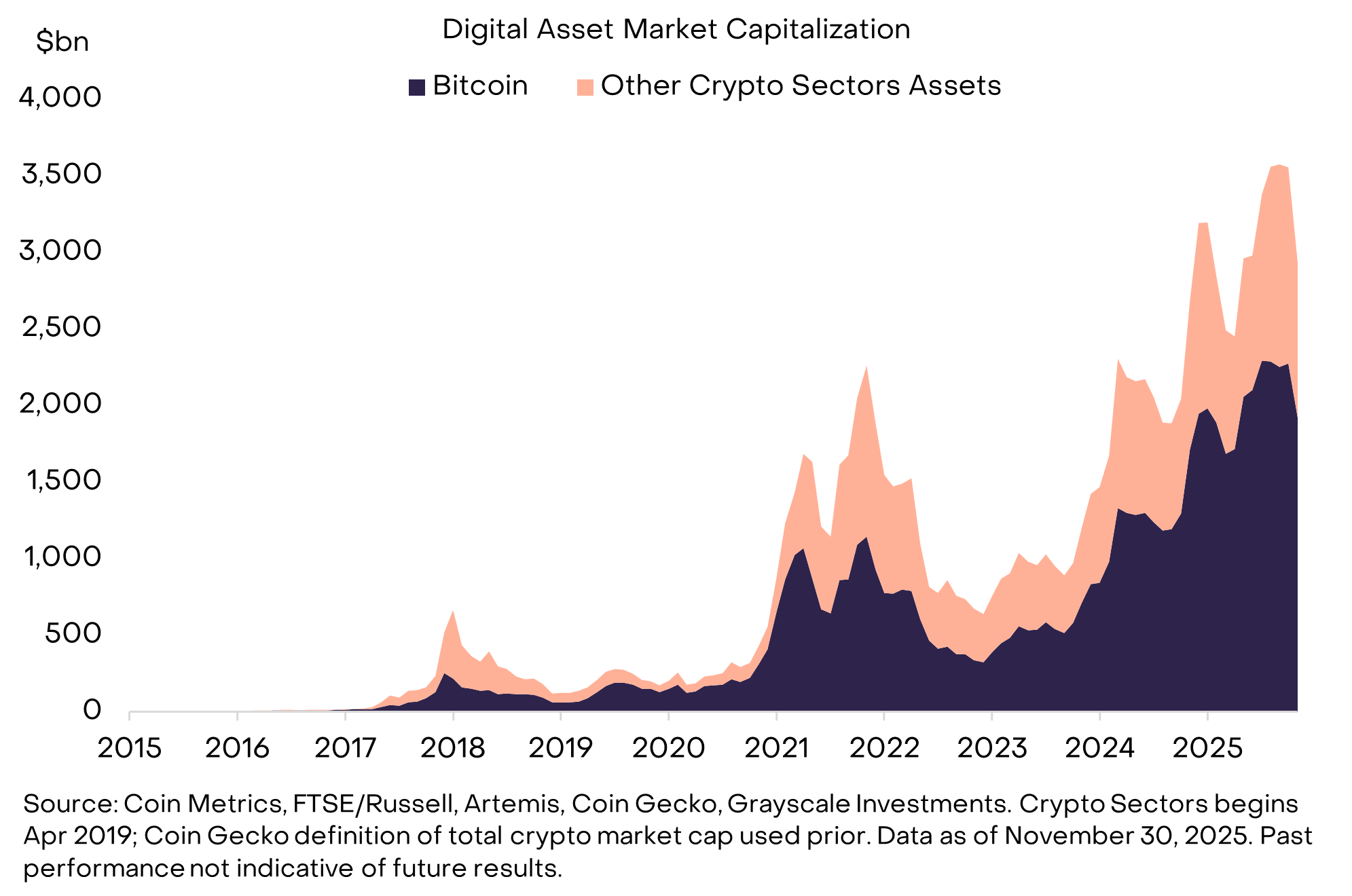
Figure 1: Cryptocurrencies have now become a mid-sized alternative asset class.
Throughout the history of cryptocurrency development, token valuations have experienced four major cyclical corrections, roughly every four years (see Figure 2). In three of these cases, the cyclical peaks in valuation occurred 1 to 1.5 years after a Bitcoin halving event, which happens every four years. The current bull market has lasted for more than three years, and the most recent Bitcoin halving occurred in April 2024, more than 1.5 years ago. Therefore, the conventional wisdom among some market participants suggests that Bitcoin prices may have peaked in October 2025, and 2026 will be a challenging year for cryptocurrency returns.
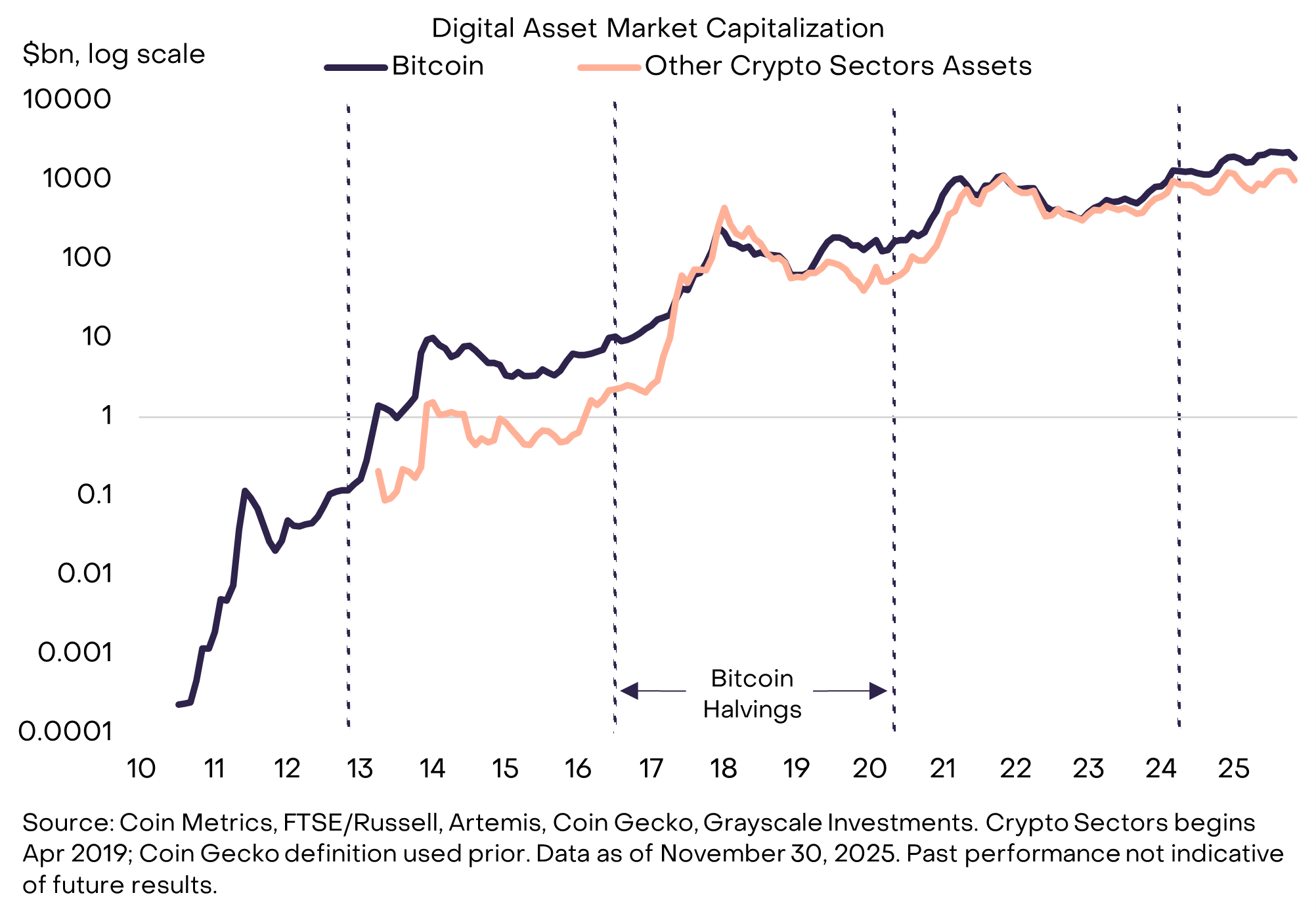
Figure 2: The rise in valuations in 2026 will mark the end of the "4-year cycle theory".
Grayscale believes the crypto asset class is in a sustained bull market and predicts 2026 will mark the end of a "visible four-year cycle." We expect valuations across all six major crypto asset sectors to rise in 2026, and believe Bitcoin's price may break its previous all-time high in the first half of the year.
Our optimistic outlook rests on two pillars:
First, the macroeconomic demand for alternative value stores continues to grow.
Bitcoin and Ethereum, as the two largest cryptocurrencies by market capitalization, can be considered scarce digital commodities and alternative monetary assets. Fiat currencies (and assets denominated in fiat currencies) face additional risks due to high levels of public sector debt and its potential impact on long-term inflation (see Figure 3). Whether it's physical gold and silver or digital Bitcoin and Ethereum, these scarce commodities can potentially serve as "ballast" in portfolios to hedge against fiat currency risk. In our view, as long as the risk of fiat currency devaluation continues to rise, the demand for Bitcoin and Ethereum in portfolios is likely to increase.
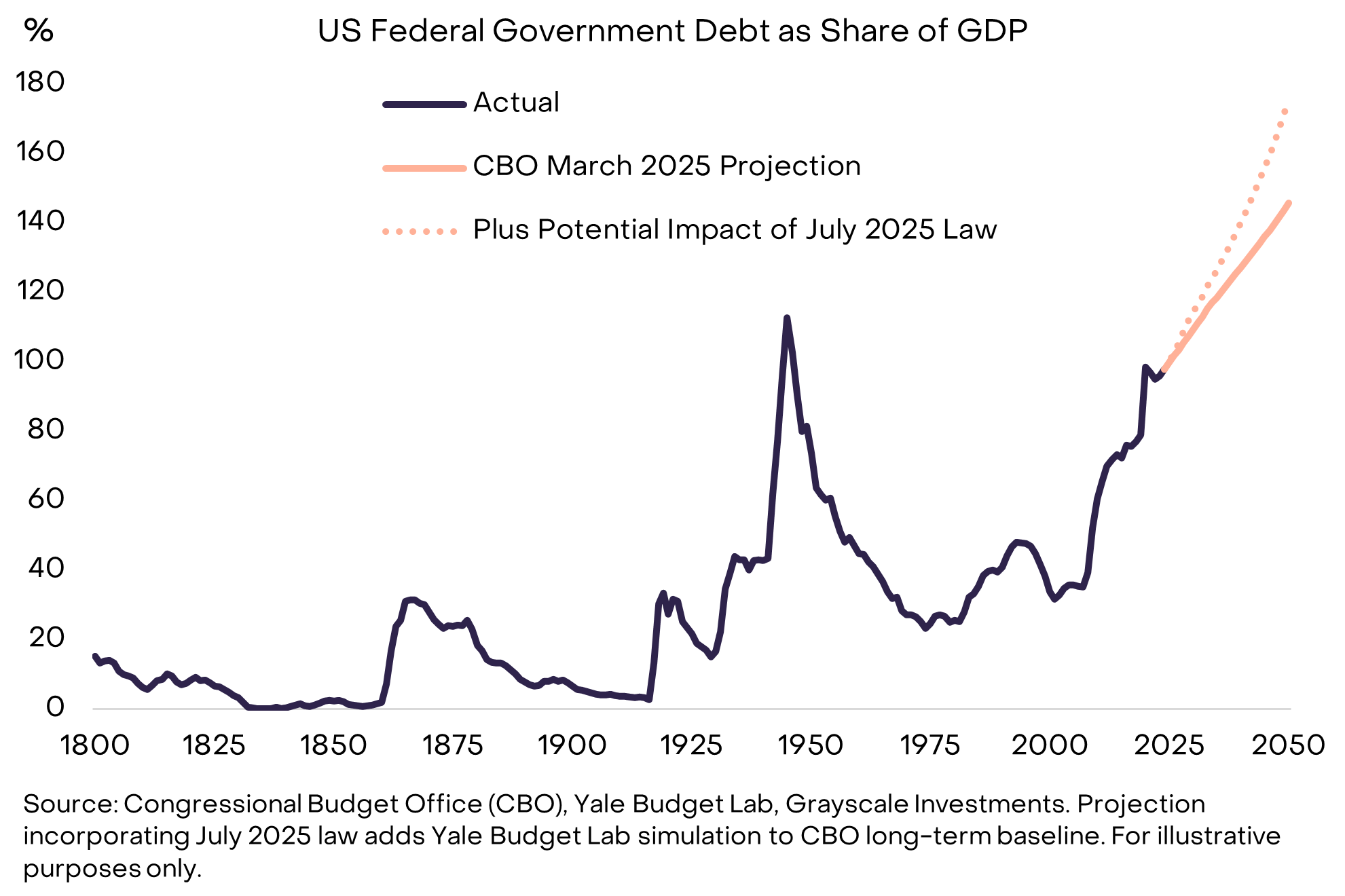
Figure 3: The US debt problem raises questions about the credibility of low inflation.
Second, the clarity of regulations has driven institutional investment into the field of public blockchain technology.
While this may be overlooked, until this year, the U.S. government was still investigating or suing many leading companies in the crypto industry, including Coinbase, Ripple, Binance, Robinhood, Consensys, Uniswap, and OpenSea. Even now, exchanges and other crypto intermediaries continue to operate in the absence of clear spot market guidance.
However, this situation is gradually improving. In 2023, Grayscale won its lawsuit against the U.S. Securities and Exchange Commission (SEC), paving the way for spot crypto exchage-traded products (ETPs). In 2024, spot ETPs for Bitcoin and Ethereum were officially launched. In 2025, the U.S. Congress passed the GENIUS Act, regulating the stablecoin market, and regulators adjusted their attitude towards the crypto industry, working with the industry to provide clear guidance while continuing to focus on consumer protection and financial stability. Grayscale anticipates that by 2026, the U.S. Congress will pass bipartisan legislation on crypto market structures, which will further solidify the position of blockchain-based financial systems in the U.S. capital markets and promote continued inflows of institutional investment (see Figure 4).
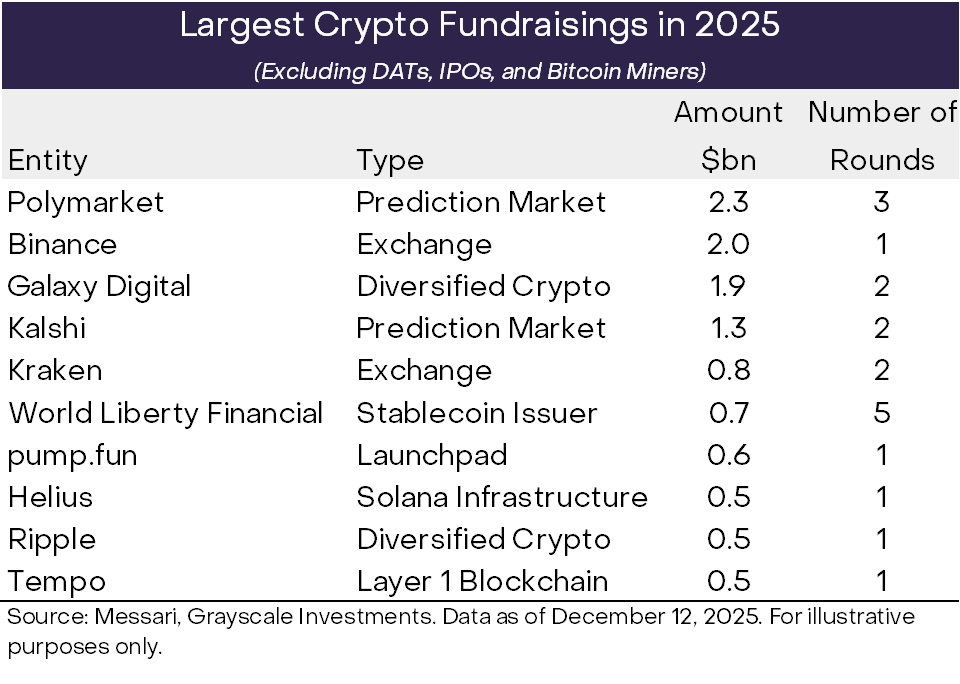
Figure 4: Higher fundraising amounts may indicate increased confidence among institutional investors.
We believe that new capital entering the crypto ecosystem will primarily flow through spot ETPs. Since the launch of Bitcoin ETPs in the US in January 2024, global crypto ETPs have seen a net inflow of $87 billion (see Figure 5). Despite the early success of these products, the process of incorporating crypto assets into mainstream portfolios is still in its early stages. Grayscale estimates that currently less than 0.5% of assets managed by US wealth management advisors are allocated to crypto assets. [2] This percentage is expected to grow as more platforms complete due diligence, establish capital market assumptions, and incorporate crypto assets into their model portfolios.
Beyond wealth advisory management, early players in institutional investor portfolios have already incorporated crypto ETPs into their portfolios, including Harvard Management Company and Abu Dhabi sovereign wealth fund Mubadala. [3] We expect this list to expand significantly by 2026.
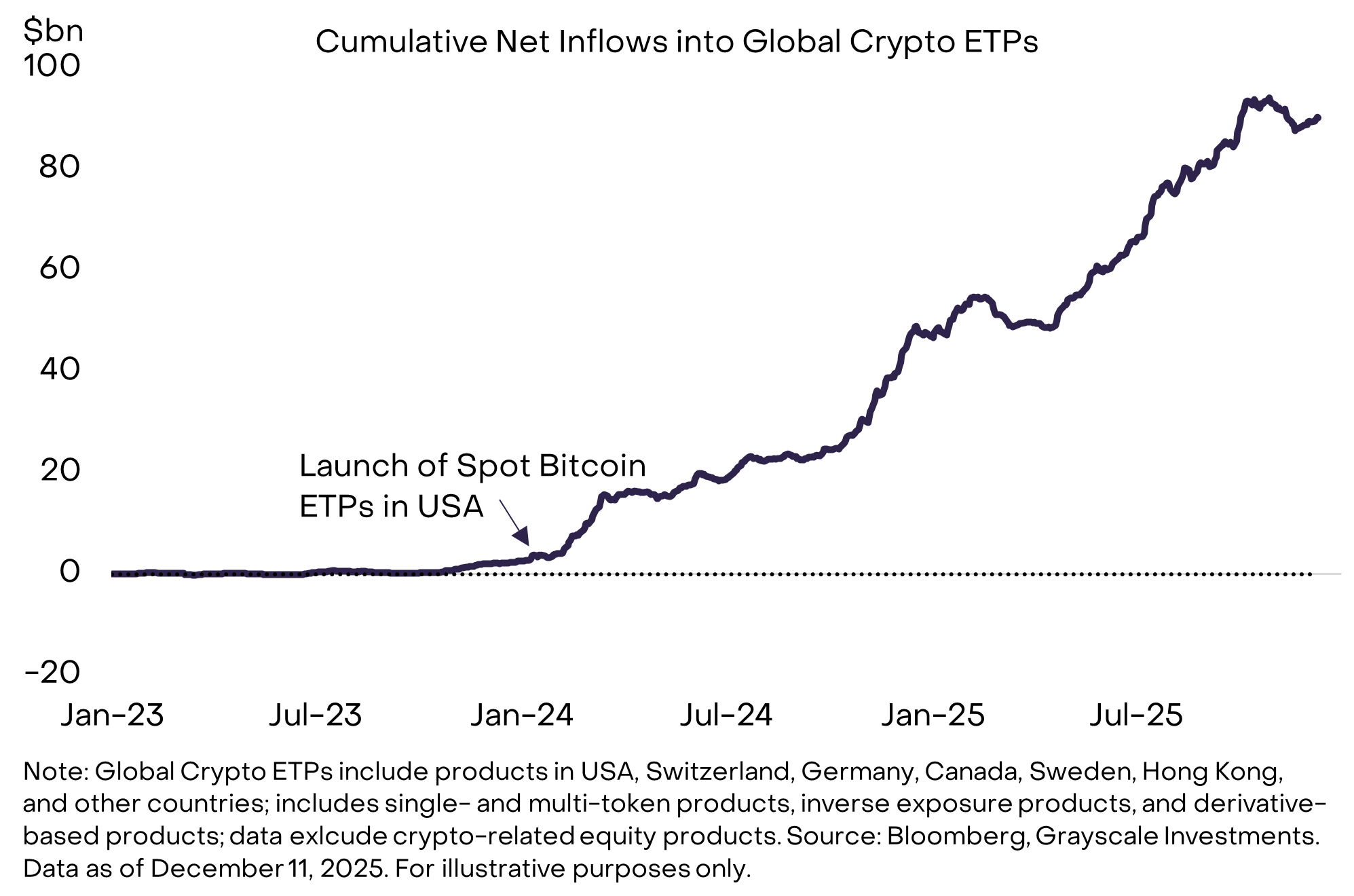
Figure 5: Continuous Fund Inflows into Spot Cryptocurrency ETPs
As the crypto market becomes increasingly driven by institutional capital inflows, the characteristics of its price performance have changed. In every previous bull market, Bitcoin's price rose by at least 1000% within a year (see Figure 6). This time, however, Bitcoin's maximum annual gain is approximately 240% (within the year ending March 2024). We believe this difference reflects more consistent buying behavior from institutional investors recently, rather than the momentum effect of retail investors chasing the rally seen in previous cycles. While significant risks remain in crypto investing, we believe the likelihood of a deep and prolonged cyclical price correction is relatively low at the time of writing. Instead, we believe a steady price increase driven by institutional capital inflows is more likely to become the mainstream trend next year.
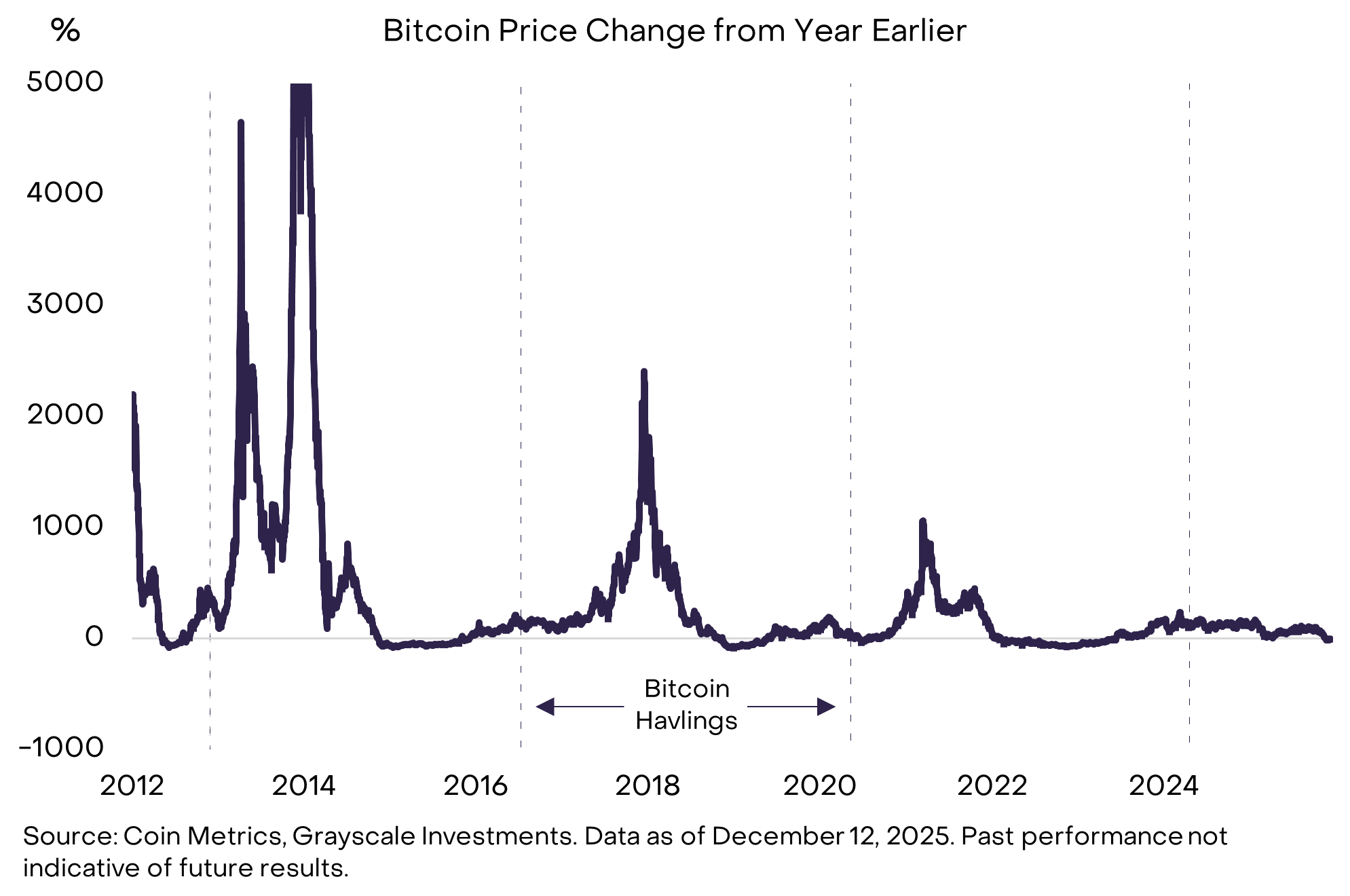
Figure 6: Bitcoin prices did not experience a sharp surge during this cycle.
A supportive macroeconomic backdrop could also limit some of the downside risks to token prices in 2026. The last two cyclical peaks occurred during periods of Fed rate hikes (see Figure 7). In contrast, the Fed cut rates three times in 2025 and is expected to continue cutting rates next year. Kevin Hassett, who is likely to succeed Jerome Powell as Fed chairman, recently said on Face the Nation: “The American people can expect President Trump to choose someone who can help them get lower-interest car loans and easier access to low-interest mortgages.”[4] Overall, economic growth and generally supportive Fed policies should be consistent with improved investor risk appetite and potential returns on high-risk assets, including crypto assets.
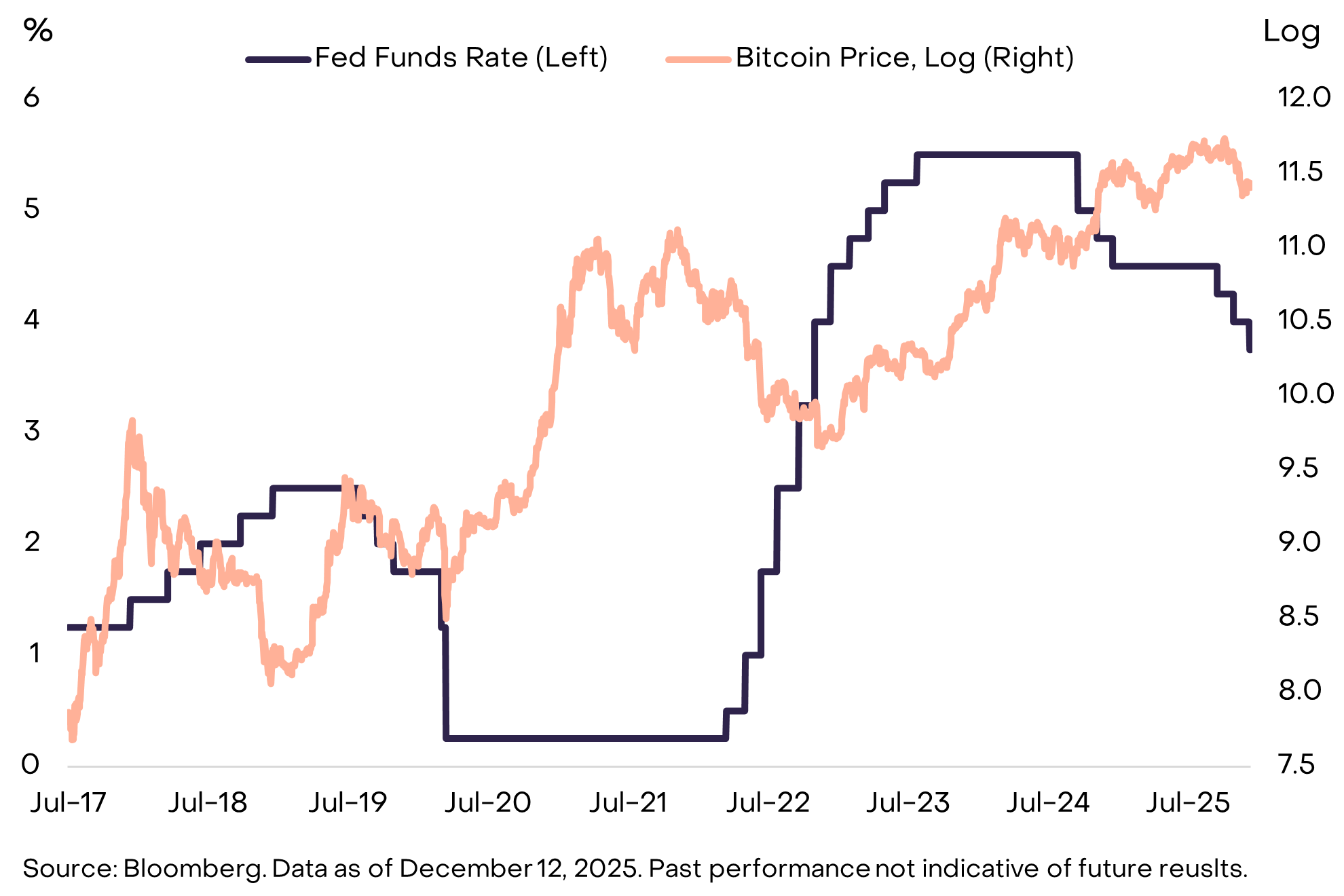
Figure 7: Previous cyclical peaks were related to Fed rate hikes.
Like all asset classes, the crypto market is driven by a combination of fundamentals and capital flows. Commodity markets are cyclical, and the crypto market may experience prolonged cyclical corrections at certain points in the future. However, we do not believe this will occur in 2026. From a fundamental perspective, the crypto market exhibits strong support: we expect continued growth in macro demand for alternative stores of value, while regulatory clarity will drive institutional investment into the public blockchain technology sector. Furthermore, new capital continues to flow into the market: we anticipate crypto ETPs (exchange-traded products) appearing in more portfolios by the end of next year. This cycle has not seen a large-scale surge in retail demand, but rather sustained demand for crypto ETPs across a broad portfolio. Against this supportive macro backdrop, we believe these conditions will lay the foundation for new highs for the crypto asset class in 2026.
Top 10 Crypto Investment Themes for 2026
Crypto is a diverse asset class that reflects the numerous applications of public blockchain technology. The following sections outline Grayscale's views on the top ten most important crypto investment themes for 2026—along with two "confounding factors." Within each theme, we've listed the most relevant tokens from Grayscale's perspective. For more background information on investable digital asset types, please see our Crypto Sectors Framework.
Theme 1: The risk of dollar depreciation drives demand for currency alternatives
Related crypto assets: BTC, ETH, ZEC
The US economy is facing debt problems (see Figure 3), which could ultimately undermine the dollar's role as a store of value. Other countries face similar issues, but given the dollar's current dominant international currency, the credibility of US policy has a more significant impact on potential capital flows. In our view, only a handful of digital assets can be considered viable stores of value, possessing sufficiently broad adoption, high decentralization, and limited supply growth. These include the two largest crypto assets by market capitalization: Bitcoin and Ethereum. Similar to physical gold, their value derives in part from their scarcity and autonomy.
Bitcoin's supply is capped at 21 million and is entirely governed by programmed rules. For example, we can be certain that the 20 millionth Bitcoin will be mined in March 2026. A digital currency system that is transparent, predictable, and ultimately scarce, while conceptually simple, is increasingly attractive in today's economy due to the tail risks of fiat currencies. As long as macroeconomic imbalances leading to fiat currency risks continue to increase, portfolio demand for alternative stores of value is likely to continue to grow (see Figure 8). Furthermore, Zcash, as a smaller decentralized digital currency, may also be suitable for portfolios hedging against the risk of dollar depreciation due to its privacy features (see Theme 5 for details).
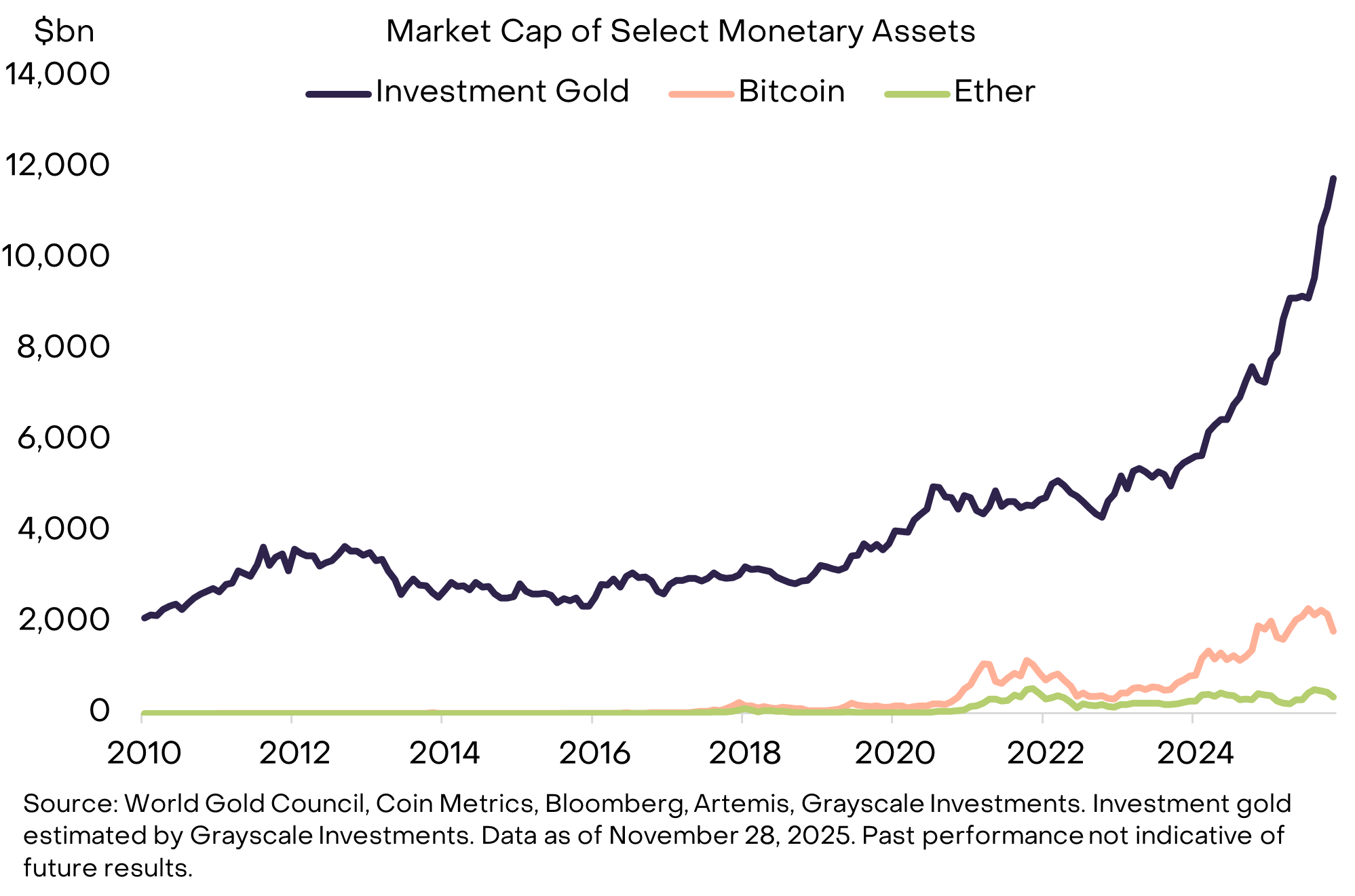
Figure 8: Macroeconomic Imbalances May Drive Demand for Alternative Stores of Value
Theme 2: Regulatory Clarity Supports the Adoption of Digital Assets
Related crypto assets: Almost all crypto assets
In 2025, the US made significant progress in clarifying crypto regulatory standards, including passing the GENIUS Act (regarding stablecoins), rescinding the SEC's 121 Employee Accounting Notice (regarding custody issues), introducing common listing standards for crypto ETPs, and addressing traditional banking access issues in the crypto industry (see Figure 9). Next year, we expect another major development: the passage of bipartisan market structure legislation. The House of Representatives passed its version of the legislation, the Clarity Act, in July, followed by the Senate initiating related procedures. While many details remain to be resolved, overall, this legislation provides the crypto capital markets with a set of traditional financial rules, including registration and disclosure requirements, crypto asset classification, and insider trading rules.
In reality, a more robust regulatory framework for crypto assets in the US and other major economies could mean that regulated financial services companies will be able to report digital assets on their balance sheets and begin trading on the blockchain. This could also allow for on-chain capital formation, enabling both startups and established companies to issue regulated tokens. By further unlocking the full potential of blockchain technology, regulatory clarity should contribute to an overall increase in the value of the crypto asset class. Given the potential importance of regulatory clarity in driving the crypto asset class in 2026, we believe that disruptions to the bipartisan legislative process in Congress should be considered a potential downside risk.
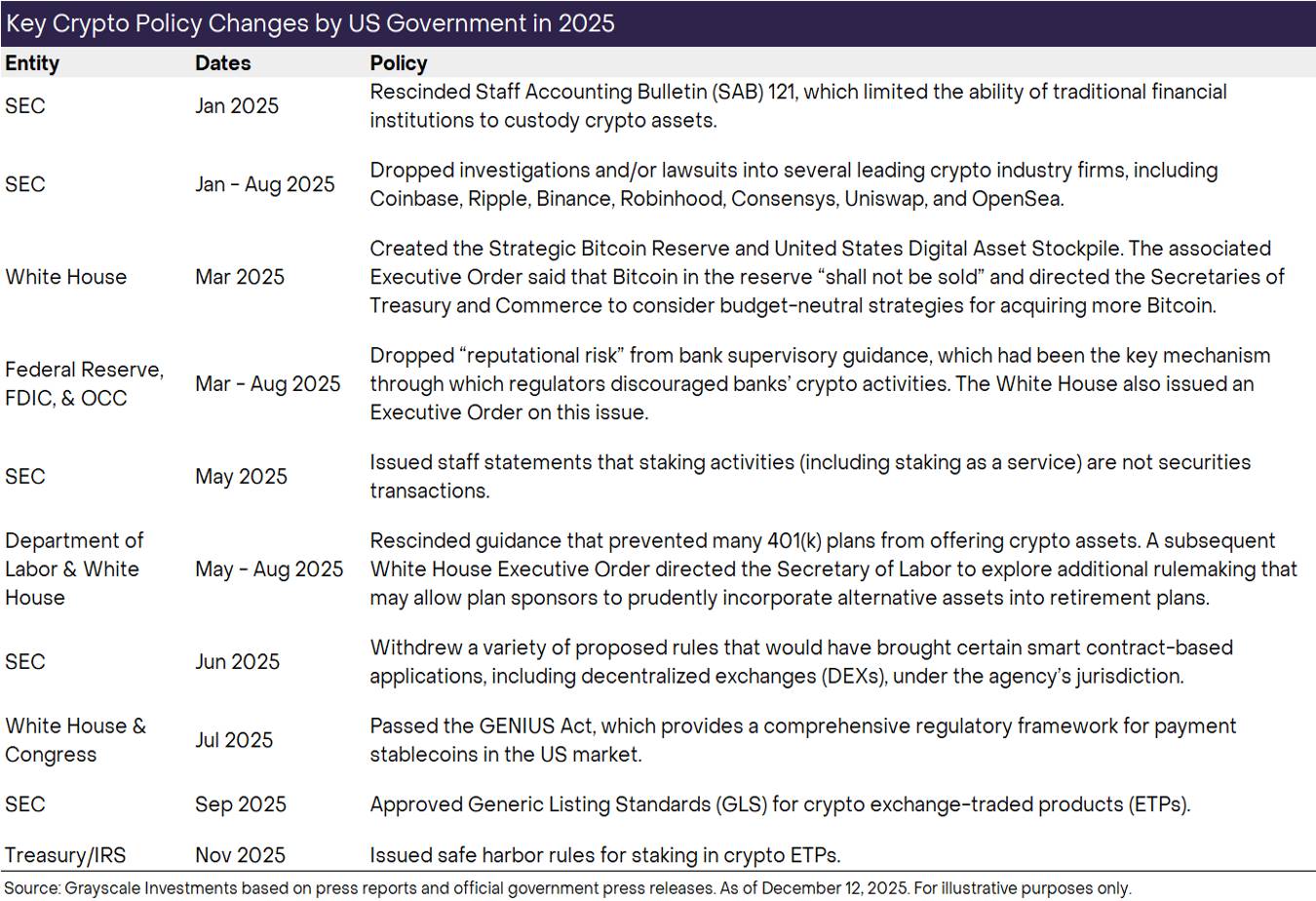
Figure 9: Significant progress made by the United States in terms of clarity of crypto regulatory oversight by 2025
Theme 3: The GENIUS Act Drives Continued Growth in the Influence of Stablecoins
Related crypto assets: ETH, TRX, BNB, SOL, XPL, LINK
2025 was a breakout year for stablecoins: the total circulating supply reached $300 billion and the average monthly trading volume reached $1.1 trillion in the six months ending in November[5]. In addition, the U.S. Congress passed the GENIUS Act, which triggered a large influx of institutional capital into the industry (see Figure 10). In 2026, we expect to see the practical results of these changes: stablecoins will be integrated into cross-border payment services, used as collateral for derivatives exchanges, appear on corporate balance sheets, and serve as an alternative to credit cards in online consumer payments. The growing popularity of prediction markets may also drive new demand for stablecoins. The growth in stablecoin trading volume is expected to generate revenue for the blockchains that record these transactions (such as ETH, TRX, BNB, and SOL), while also promoting the development of related infrastructure (such as LINK) and decentralized finance (DeFi) applications (see Theme 7 for details).
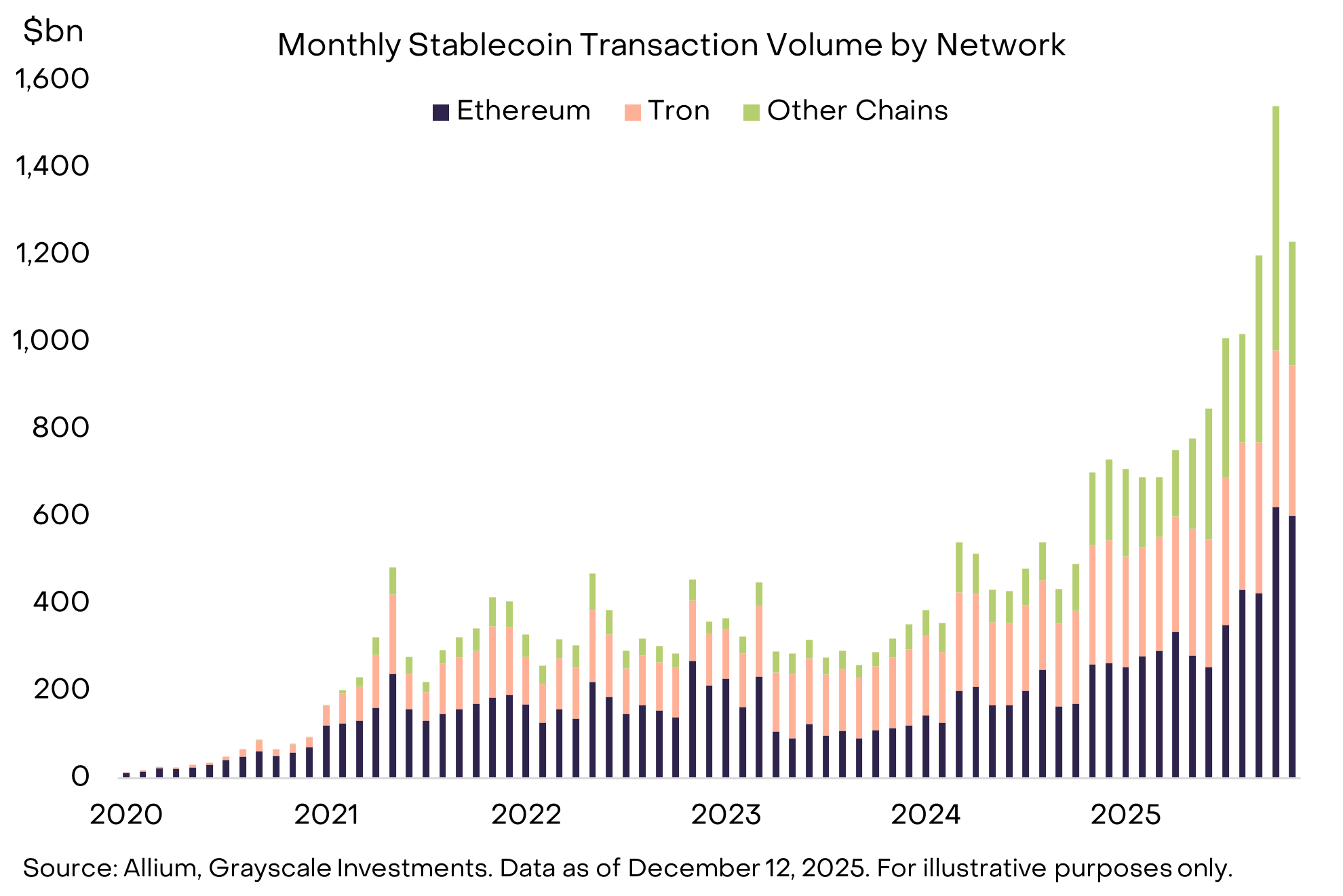
Figure 10: Stablecoins experience explosive growth
Theme 4: Asset Tokenization Reaches a Turning Point
Related crypto assets: LINK, ETH, SOL, AVAX, BNB, CC
Currently, asset tokenization remains small: representing only 0.01% of the total market capitalization of global stocks and bonds (see Figure 11). Grayscale anticipates rapid growth in asset tokenization over the next few years, driven by more mature blockchain technologies and a clearer regulatory framework. It wouldn't be surprising if the size of tokenized assets were to grow approximately 1000 times by 2030. In our view, this growth will bring value to blockchains that handle tokenized asset transactions (such as Ethereum, BNB Chain, and Solana) and various supporting applications. Among on-chain supporting applications, Chainlink (LINK) shows particular potential due to its unique software technology suite.
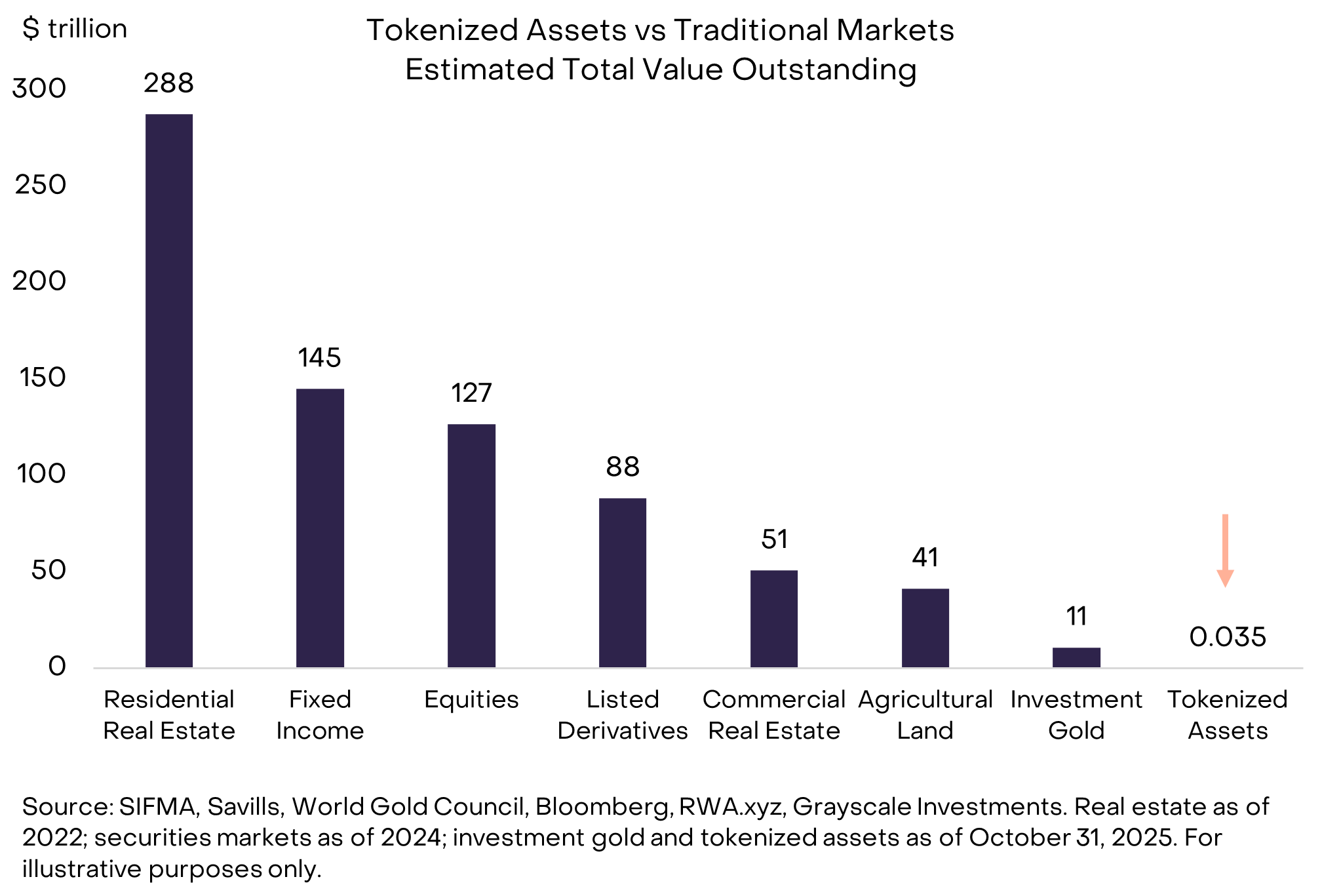
Figure 11: Asset tokenization has huge growth potential
Theme 5: The Mainstreaming of Blockchain Technology Calls for Privacy Solutions
Related crypto assets: ZEC, AZTEC, RAIL
Privacy is an integral part of the financial system: almost everyone wants their salary, taxes, net worth, and spending habits to remain hidden on the ledger. However, most blockchains are designed for transparency. If public blockchains are to integrate more deeply into the financial system, they need stronger privacy infrastructure—a need that is becoming increasingly apparent as regulation pushes for the consolidation of blockchain technology. Privacy features are gaining traction with investors, with potential beneficiaries including Zcash (ZEC), a decentralized digital currency similar to Bitcoin but with privacy-preserving features; Zcash saw a significant price surge in Q4 2025 (see Figure 12). Other major projects include Aztec (a privacy-focused Ethereum Layer 2 network) and Railgun (a DeFi privacy middleware). Furthermore, we may see increased adoption of confidential transactions on leading smart contract platforms such as Ethereum (via ERC-7984) and Solana (via Confidential Transfers tokens). Improving privacy tools also requires better identity and compliance infrastructure to support DeFi.
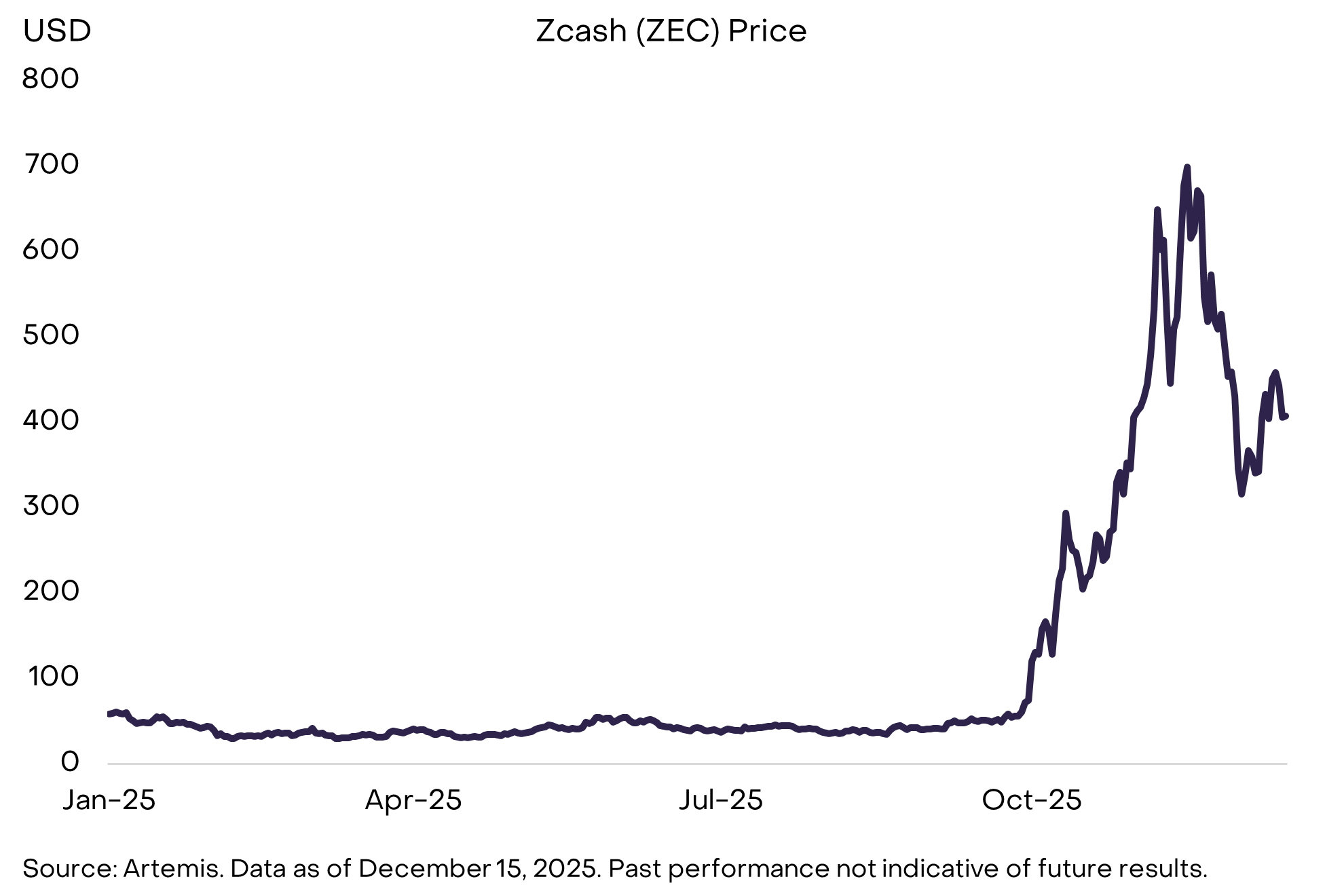
Figure 12: Increased focus on privacy features among crypto investors
Theme Six: Centralized AI Calls for Blockchain Solutions
Related crypto assets: TAO, IP, NEAR, WORLD
The fundamental alignment between cryptography and artificial intelligence (AI) is closer and clearer than ever before. The increasing concentration of AI systems in the hands of a few dominant players raises concerns about trust, fairness, and ownership, and cryptography offers a foundational tool to directly address these risks. Decentralized AI development platforms like Bittensor aim to reduce reliance on centralized AI technologies; verifiable proof-of-personhood systems like World can distinguish humans from synthetic agents in a world rife with artificial activity; and networks like Story Protocol provide transparent and traceable intellectual property rights in an era where the origins of digital content are increasingly difficult to trace. Furthermore, tools like X402—an open, zero-fee stablecoin payment layer for Base and Solana—enable low-cost, instant micropayments, meeting the needs of agent-to-agent or machine-to-human economic interactions.
These components collectively form the early infrastructure of the "Agent Economy," in which identities, computations, data, and payments must be verifiable, programmable, and censorship-resistant. While this field is still in its early stages and unevenly developed, the intersection of cryptography and AI is generating one of the most compelling long-term use cases in the area. As AI becomes increasingly decentralized, autonomous, and economically dynamic, protocols dedicated to building real-world infrastructure are expected to benefit (see Figure 13).
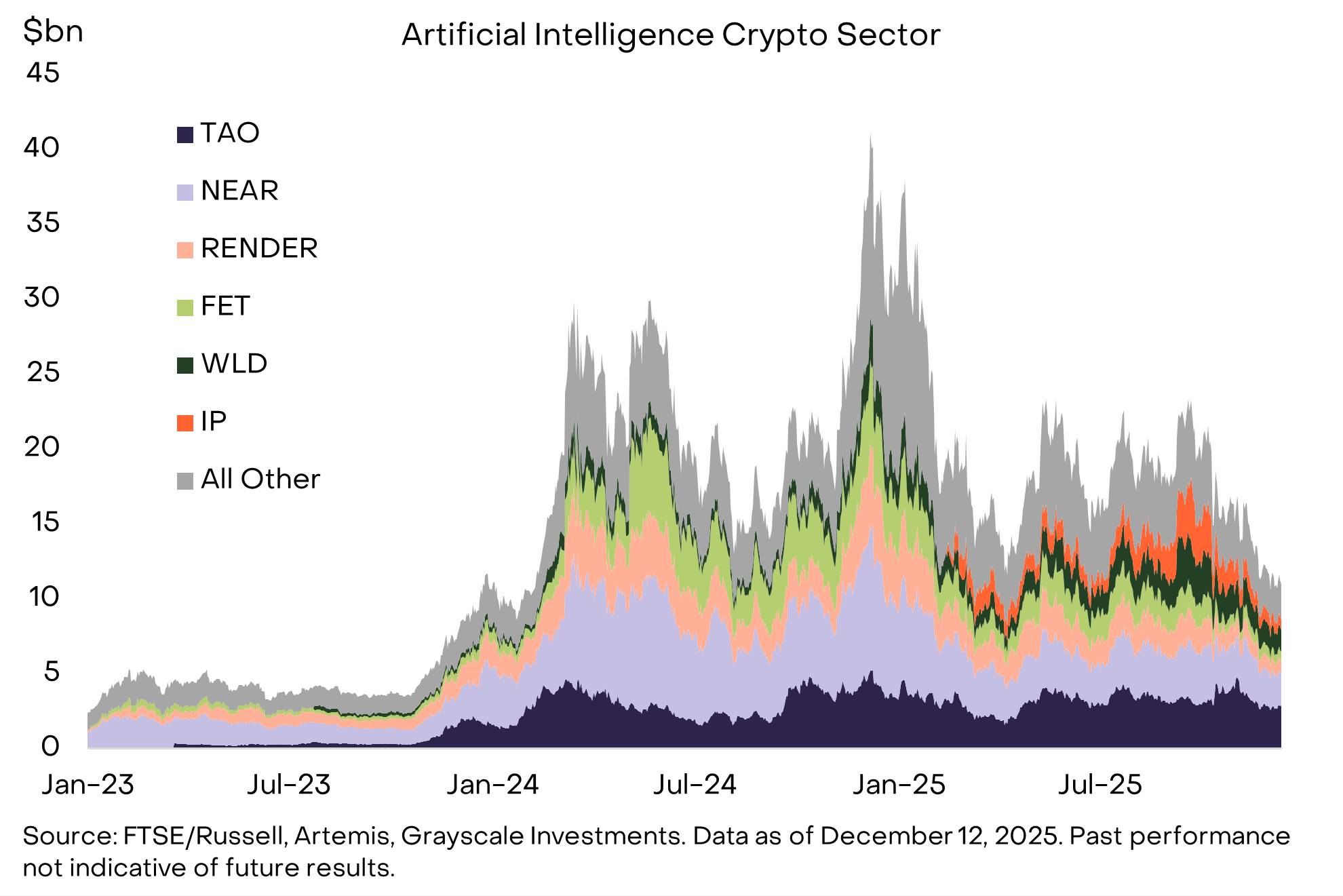
Figure 13: Blockchain provides solutions for AI risks
Theme 7: DeFi Accelerates Development, Leading the Trend in Lending
Related crypto assets: AAVE, MORPHO, MAPLE, KMNO, UNI, AERO, RAY, JUP, HYPE, LINK
Driven by technological advancements and favorable regulations, decentralized finance (DeFi) applications saw significant growth in 2025. The growth of stablecoins and tokenized assets was a major success story, but the DeFi lending sector also experienced significant growth, particularly with lending platforms led by Aave, Morpho, and Maple Finance (see Figure 14). [7] Meanwhile, decentralized perpetual futures exchanges (such as Hyperliquid) have become comparable to some of the largest centralized derivatives exchanges in terms of open interest and daily trading volume. Looking ahead, the increasing liquidity, interoperability, and linkage to real-world prices of these platforms make DeFi a credible alternative for users who want to conduct financial transactions directly on-chain. It is expected that more DeFi protocols will integrate with traditional fintech companies in the future to leverage their infrastructure and existing user base. We expect core DeFi protocols to benefit, including lending platforms like AAVE, decentralized exchanges like UNI and HYPE, and related infrastructure like LINK. Blockchains that support most DeFi activities (such as ETH, SOL, and BASE) will also benefit.
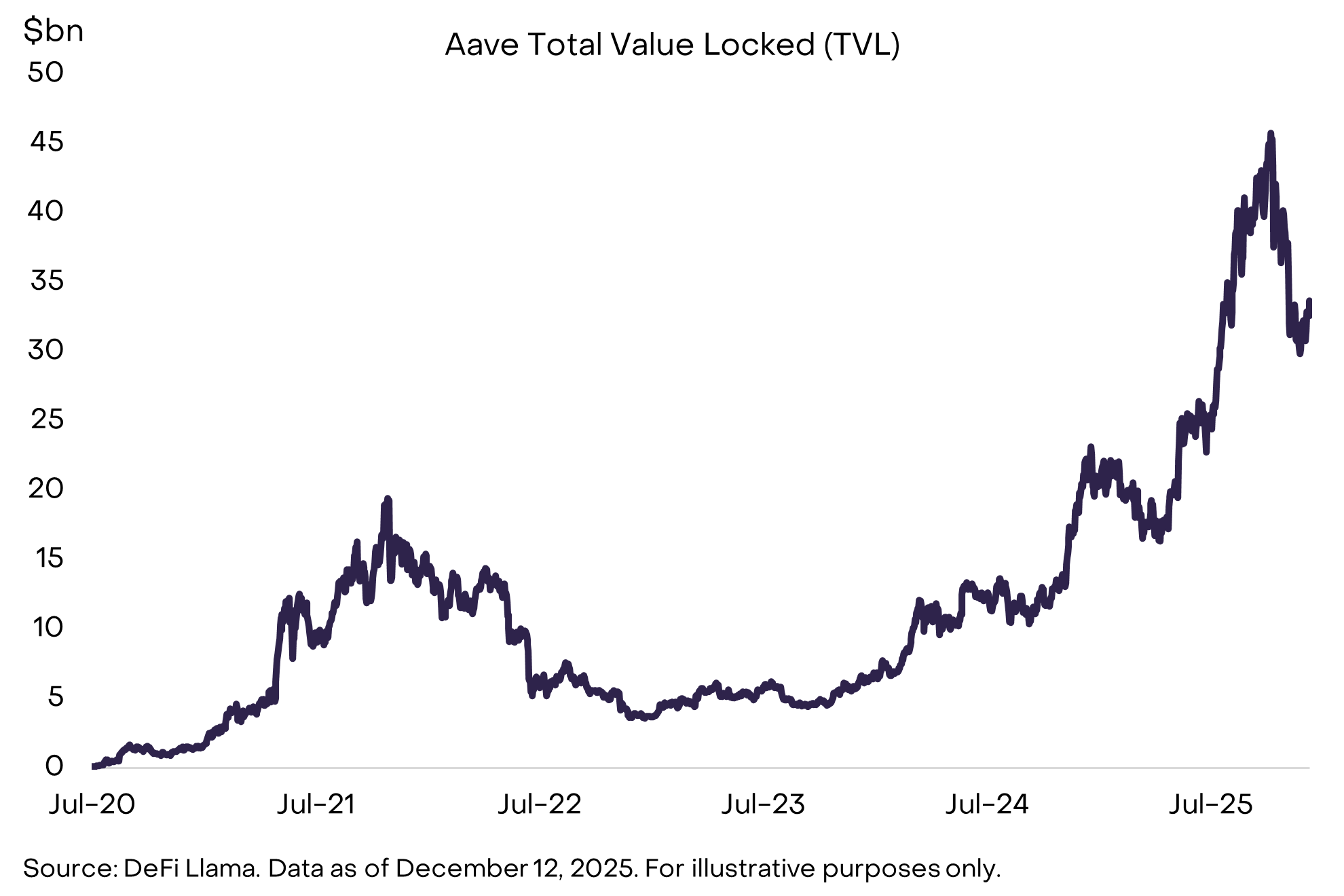
Figure 14: The scale and diversity of DeFi are constantly growing.
Theme 8: Mainstream Adoption Calls for Next-Generation Infrastructure
Related crypto assets: SUI, MON, NEAR, MEGA
The next generation of blockchains is constantly pushing the boundaries of technology. However, some investors argue that more block space is unnecessary because the demand for existing blockchains is not yet saturated. Solana is a prime example of this criticism: a fast but low-usage blockchain once considered a symbol of "excessive block space," it became one of the industry's most successful cases after a wave of adoption. While not all of today's high-performance blockchains will follow a similar path, we expect a few to stand out. Superior technology does not guarantee widespread adoption, but the architecture of these next-generation networks gives them a unique advantage in emerging areas such as AI micropayments, instant game loops, high-frequency on-chain transactions, and intent-based systems. In this area, we expect Sui to stand out with its technological advantages and integrated development strategy (see Figure 15). Other promising projects include Monad (parallelized EVM), MegaETH (an ultra-fast Ethereum Layer 2 network), and Near (an AI-focused blockchain that has achieved success with its Intents product).
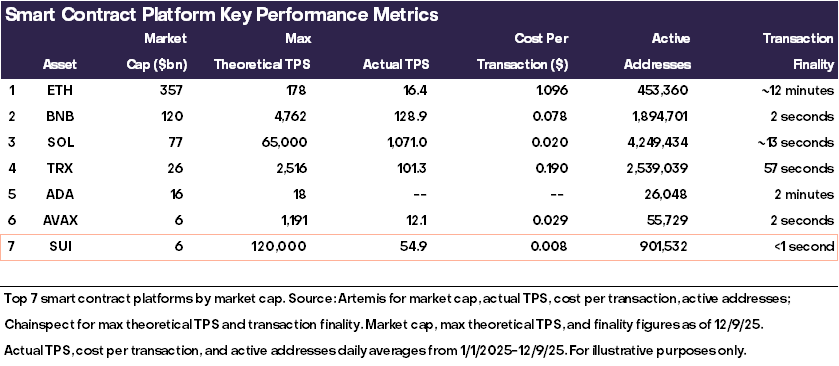
Figure 15: Next-generation blockchains such as Sui offer faster and lower-cost transactions.
Theme Nine: Focusing on Sustainable Income
Related crypto assets: SOL, ETH, BNB, HYPE, PUMP, TRX
Blockchains are not businesses in the traditional sense, but they do have measurable fundamentals, including the number of users, transaction volume, fees, capital/total locked (TVL), developers, and applications. Of all the metrics, Grayscale considers transaction fees to be the most valuable fundamental metric because it is the most difficult to manipulate and has the highest comparability among blockchains (and is also the best empirical fit metric). Transaction fees can be compared to “revenue” in traditional corporate finance. For blockchain applications, it is also important to distinguish between protocol fees/revenue and “supply-side” fees/revenue. [8] As institutional investors begin to allocate capital to the crypto space, we expect them to focus on blockchains and applications with high revenue and/or revenue growth (excluding Bitcoin). Relatively high-revenue smart contract platforms include TRX, SOL, ETH, and BNB (see Figure 16). Relatively high-revenue application layer assets include HYPE and PUMP.
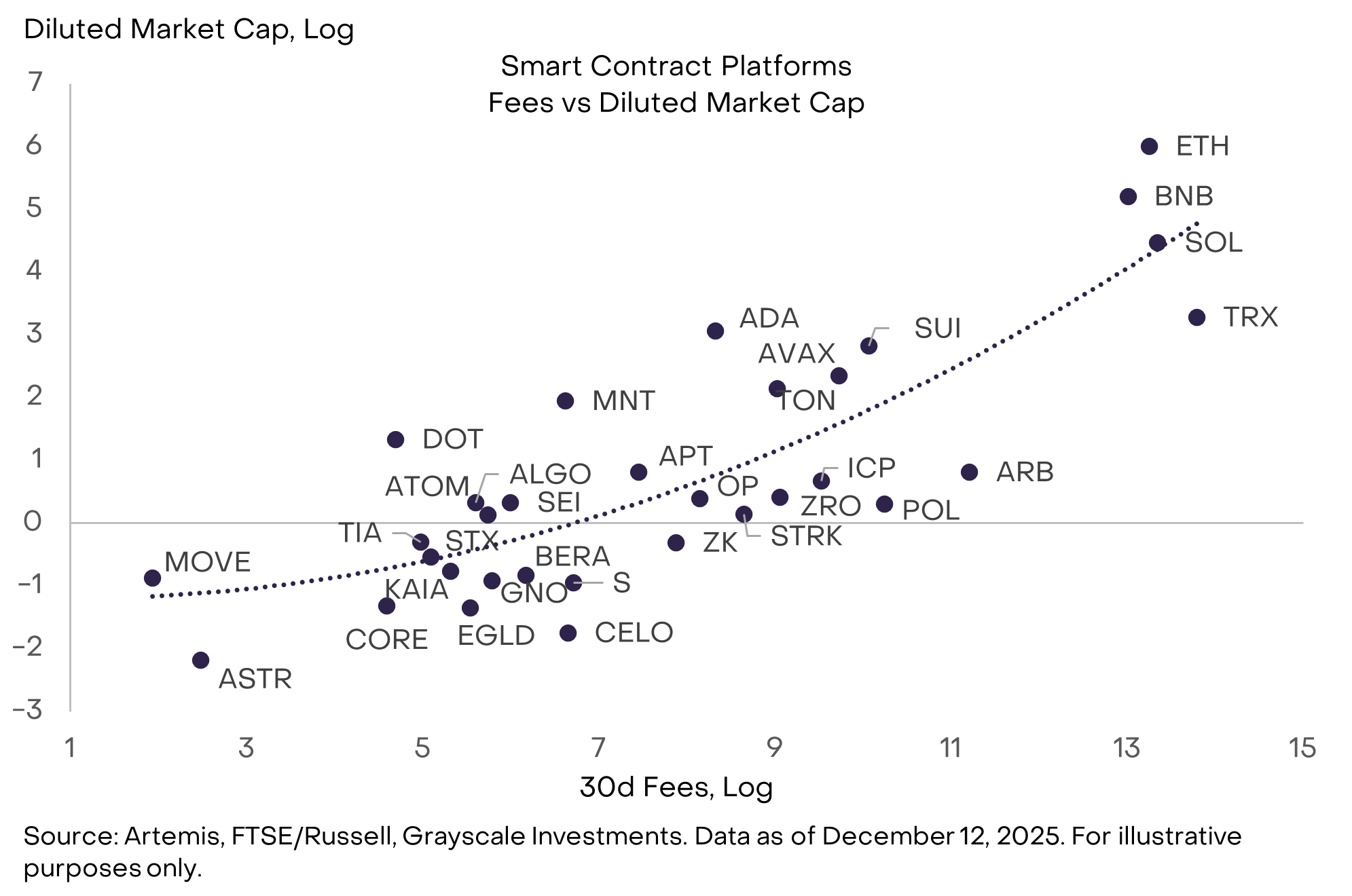
Figure 16: Institutional investors may pay more attention to the fundamentals of blockchain.
Theme 10: Investors tend to pre-select collateral.
Related crypto assets: LDO, JTO
In 2025, US policymakers made two adjustments to the staking space that would allow more token holders to participate: (i) the Securities and Exchange Commission (SEC) clarified that liquidity staking does not constitute a securities transaction [9]; and (ii) the Internal Revenue Service (IRS) and the Treasury Department announced that investment trusts/exchange-traded products (ETPs) can be used to stake digital assets [10]. Guidance on liquidity staking services could benefit Lido and Jito, the leading liquidity staking protocols on Ethereum and Solana in terms of TVL (Total Value Locked) [11]. More broadly, the fact that crypto ETPs can be staked could make this model the default structure for holding Proof of Stake token investments, leading to higher staking ratios and putting pressure on reward rates [12] (see Figure 17). In an environment of wider staking adoption, custodial staking via ETPs would provide a convenient structure for capturing rewards, while on-chain non-custodial liquidity staking would have composability advantages in DeFi. We expect this dual structure to persist for some time.
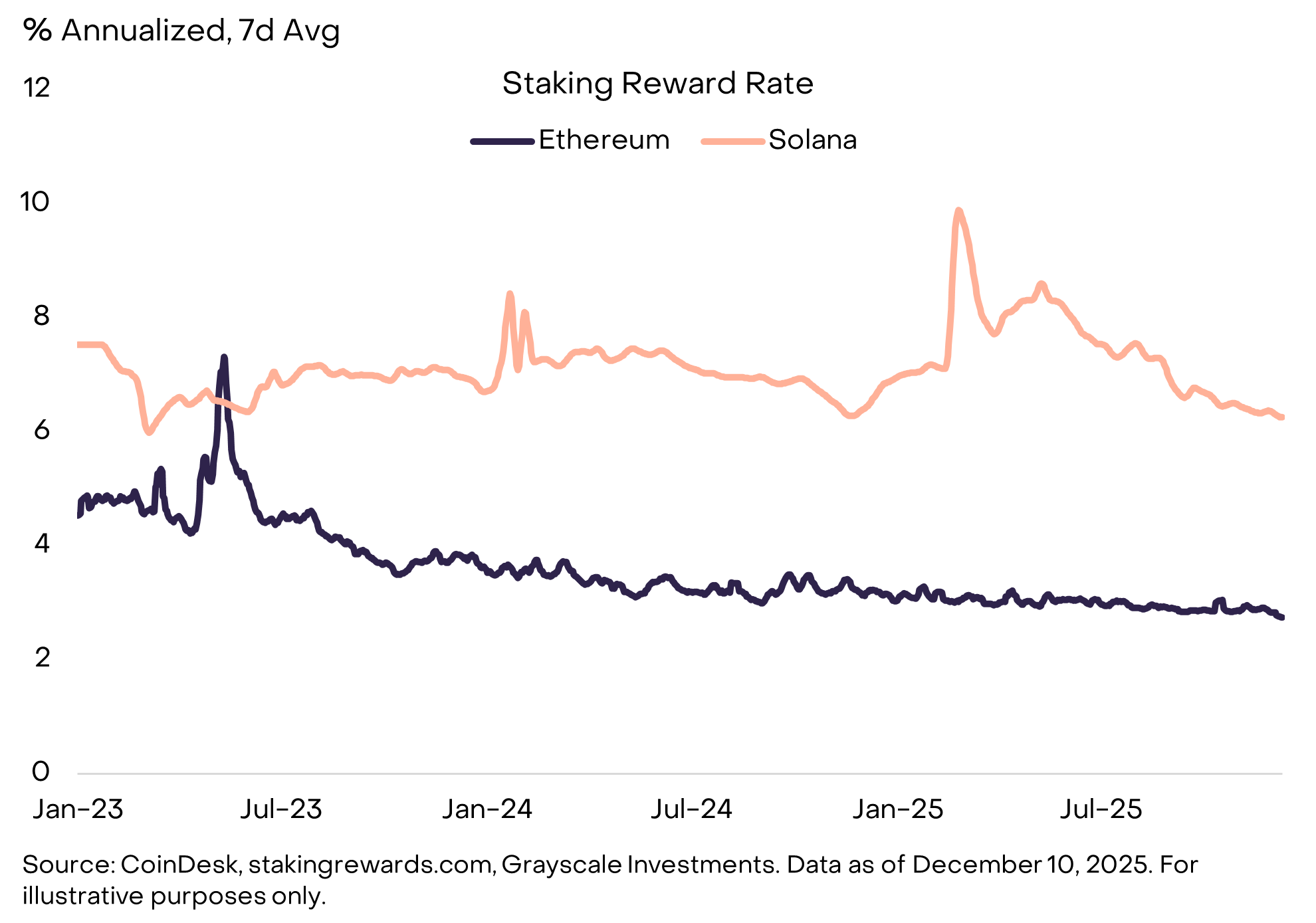
Figure 17: Proof of Stake tokens provide native rewards
"Pseudo-hot topics" in 2026
We anticipate that each of the aforementioned investment themes will have a significant impact on the development of the crypto market in 2026. However, there are two hot topics that we believe will not have a substantial impact on the crypto market next year: the potential threat of quantum computing to cryptographic algorithms and the evolution of digital asset vaults (DATs). While these two topics may generate considerable discussion, we believe they are not the core drivers of the market outlook.
If quantum computing continues to advance, most blockchains will eventually need to update their cryptographic algorithms. In theory, a sufficiently powerful quantum computer could derive a private key from a public key, thereby generating a valid digital signature to spend a user's cryptocurrency. [13] Therefore, Bitcoin and most other blockchains—and virtually every sector of the economy that uses cryptography—will eventually need to be upgraded to quantum-resistant cryptographic tools. However, experts estimate that quantum computers will not be powerful enough to break Bitcoin's cryptographic algorithm until 2030. [14] While research and community preparation regarding quantum risks may accelerate in 2026, we believe this topic is unlikely to have a significant impact on prices.
The same is true for digital asset treasuries (DATs). The strategy of holding digital assets on a company’s balance sheet, pioneered by Michael Saylor, has spawned dozens of imitators by 2025. According to our estimates, DATs hold 3.7% of the BTC supply, 4.6% of ETH, and 2.5% of SOL. [15] However, demand for these instruments has declined since peaking in mid-2025: the largest DATs currently have a market capitalization net asset value multiple (mNAV) close to 1.0 (see Figure 18). Nevertheless, most DATs are not over-leveraged (or even completely unleveraged), so they are unlikely to be forced to sell assets even if the market declines. Strategy, the largest DAT by market capitalization, recently raised a dollar reserve fund to continue paying dividends to preferred stock even if the price of Bitcoin falls. [17] We expect the vast majority of DATs to behave like closed-end funds, trading at a premium or discount to net asset value with little liquidation of assets. While these tools may become a long-term feature of the crypto investment space, we believe they are unlikely to be a major source of new token demand or a major source of selling pressure in 2026.
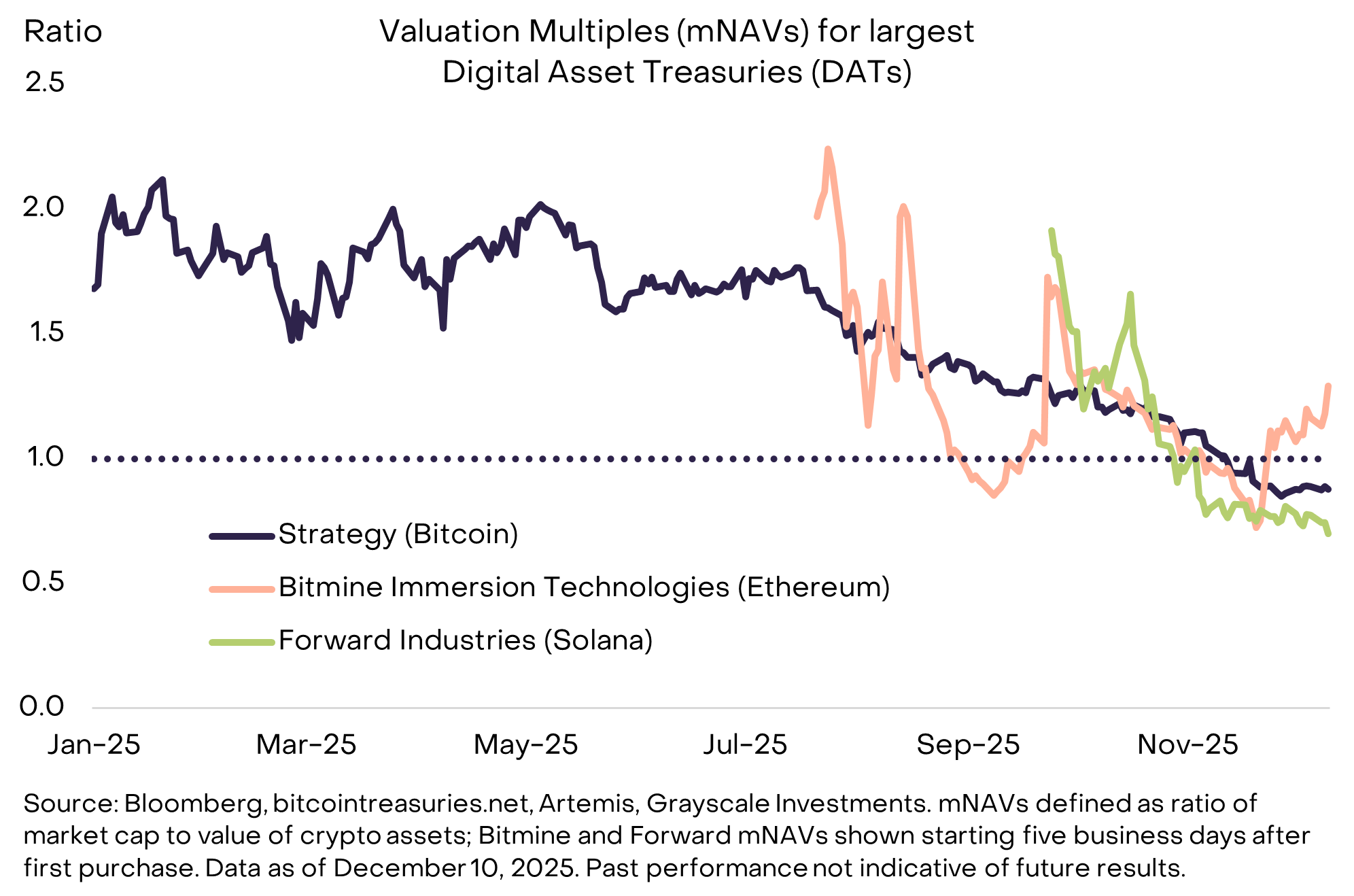
Figure 18: The DAT premium has narrowed, but the likelihood of an asset sale is low.
in conclusion
We anticipate a bright future for digital assets in 2026, driven primarily by two factors: macroeconomic demand for alternative stores of value and an increasingly clear regulatory environment. Next year, the connection between blockchain finance and traditional finance will deepen further, while institutional capital inflows will be a significant trend. Tokens expected to attract institutional adoption will be those with clear use cases, sustainable revenue streams, and access to regulated exchanges and applications. Investors can expect a wider selection of crypto assets through exchange-traded products (ETPs) and, where possible, the ability to enable staking.
At the same time, clearer regulations and institutional adoption may raise the bar for crypto assets to enter the mainstream market. For example, some crypto projects may need to meet new registration and disclosure requirements to be listed on regulated exchanges. Furthermore, institutional investors may overlook crypto assets without clear use cases, even if these assets have relatively high market capitalizations. The GENIUS Act has clearly distinguished between regulated payment stablecoins (which enjoy specific rights and responsibilities under U.S. law) and other stablecoins that do not enjoy the same rights. Similarly, we expect that as crypto assets enter the institutional era, the gap between assets with regulated trading venues and institutional capital access and those without the same access conditions will become more pronounced. Crypto assets are entering a new era, and not all tokens will successfully transition into this new phase.